
As summer fades into memory, the vibrant colors of autumn begin to emerge, painting the landscape with a kaleidoscope of hues. You’ve no doubt caught glimpses of the season’s beauty while driving or walking through the changing woods, but why not take advantage of this fleeting weather window to get outside and experience it firsthand? Autumn is a perfect time for outdoor enthusiasts, offering mild temperatures, fewer crowds, and an abundance of activities that allow you to connect with nature. From the thrill of leaf peeping and hiking through crunchy foliage to the tranquility of foraging for wild edibles or observing wildlife in their natural habitats, there’s no shortage of ways to make the most of autumn’s beautiful weather. In this guide, we’ll explore some of the best outdoor activities to enjoy during the fall season, helping you to get out and appreciate all that nature has to offer by the time you finish reading.
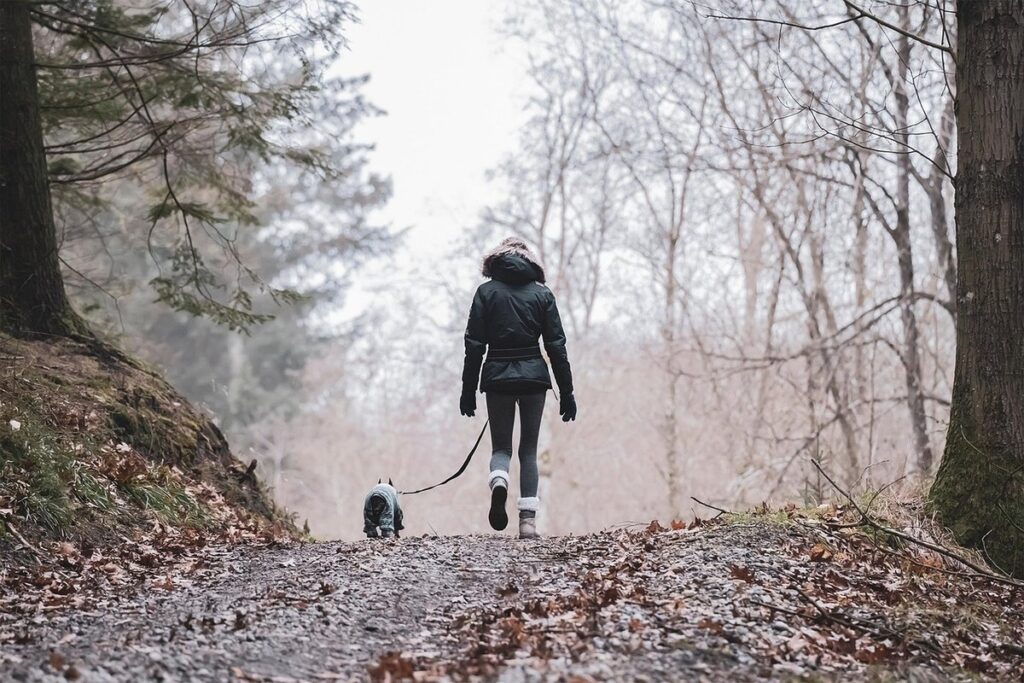
Preparing for Autumn Outdoors
As you prepare to enjoy the crisp autumn air, make sure your outdoor space is ready too: tackle seasonal yard tasks and create a cozy ambiance that invites relaxation.
From tidying up your garden to setting up a warm fire pit, let’s get started on making your outdoor haven perfect for fall.
Understanding Autumn Weather Patterns
Autumn’s weather is often characterized by temperature fluctuations, with warm days giving way to cooler nights. This can make it challenging for outdoor enthusiasts to plan their activities. In general, daytime temperatures during autumn are typically mild, ranging from the mid-50s to low 70s Fahrenheit (13°C to 21°C), while nighttime temperatures can drop significantly, sometimes below freezing.
Precipitation patterns also change with the season, as autumn tends to be a wetter period than summer. Expect increased rainfall and thunderstorms, particularly in late September and early October. In some regions, this can lead to foggy mornings, making for ideal hiking conditions.
When planning your outdoor activities, it’s essential to check local weather forecasts before heading out. Be prepared for changing conditions by dressing in layers, bringing waterproof gear, and staying informed about any potential weather alerts or advisories. Keep an eye on the sky, too – if darkening clouds signal an impending storm, seek shelter promptly.
In regions prone to autumn rain, consider opting for activities that can be enjoyed in wet conditions, such as kayaking or birdwatching. Alternatively, plan indoor excursions, like visiting apple orchards or attending fall festivals, when inclement weather prevails.
Essential Gear and Clothing for Autumn Outdoor Activities
When venturing outdoors during autumn, it’s essential to dress accordingly. The temperatures can fluctuate significantly between day and night, so pack layers for optimal comfort. This might include a breathable base layer, a mid-layer fleece or sweater, and a waterproof jacket. Don’t forget warm socks and insulated gloves for colder moments.
In terms of footwear, opt for sturdy hiking boots with good grip to handle wet leaves and potential mud. Waterproofing your shoes can also be beneficial in case of unexpected rain showers. Additionally, consider bringing a hat and scarf to protect yourself from wind and chill.
Other must-haves include a backpack or daypack to carry essentials like water, snacks, and a first-aid kit. Sunglasses with polarized lenses can help reduce glare from the sun on leaves and water. A headlamp or flashlight is also useful for early morning or late evening activities when daylight hours are shorter.
In preparation for autumn’s unpredictable weather, it’s crucial to check forecasts before heading out and adjust your gear accordingly.
Creating a Safety Plan for Autumn Outdoors
Before heading outdoors in autumn, it’s crucial to have a safety plan in place. This includes identifying emergency contact numbers for yourself and anyone accompanying you. Make sure your phone is fully charged, and consider carrying a portable charger as well. In case of an emergency, having the right contacts can be a lifesaver.
A first aid kit is also essential when venturing outdoors. Pack one with essentials like bandages, antiseptic wipes, pain relievers, and any medications you or your companions may need. Don’t forget to include items for treating common autumn-related issues, such as insect stings or minor cuts from fallen branches. Keep the first aid kit easily accessible in case of emergencies.
Remember to also inform someone about your itinerary and expected return time. Let them know where you’ll be going and what time you plan to return, so they can raise an alarm if something goes wrong. This is especially important when venturing into remote areas or engaging in high-risk activities like foraging or wildlife watching. By taking these simple steps, you can ensure a safe and enjoyable autumn outdoor experience.
Autumn Leaf Peeping and Hiking
As you lace up your hiking boots, prepare for breathtaking views of vibrant autumn foliage, as we explore the best trails and spotting tips to make the most of this season’s spectacular displays. From gentle strolls to more challenging treks, there’s a hike for every level of adventurer.
Best Places to See Fall Foliage
Some of the most popular destinations for fall foliage viewing are found along the East Coast of the United States. The Kancamagus Highway in New Hampshire is renowned for its vibrant maples and oaks, with the best views typically occurring in late September and early October.
Acadia National Park in Maine offers a diverse range of tree species, including birch, beech, and maple, creating a kaleidoscope of colors throughout the park. Visitors can drive the Park Loop Road or hike one of many trails to take in the sights.
In the Midwest, Ohio’s Hocking Hills region is a hidden gem for leaf peeping. The area’s lush forests and scenic gorges create an ideal setting for fall foliage viewing, with the sugar maples typically reaching peak color around mid-October.
Before planning your trip, be sure to check the fall foliage forecast for your destination. This will help you time your visit to coincide with the peak viewing period. Additionally, consider visiting during the week or early in the morning to avoid crowds and make the most of your experience.
Hiking Safety Tips for Autumn
When hiking during autumn, fallen leaves can make trails slippery and treacherous. To avoid accidents, choose routes with minimal leaf cover or hike early in the morning when leaves are still dry from dew. Wear sturdy shoes or boots with good traction to provide stability on uneven terrain.
Be cautious of hidden obstacles like roots, rocks, and fallen branches that may be concealed by leaves. Use trekking poles for extra support, especially if you’re hiking on steep or rocky trails. If you’re not familiar with the trail, consider joining a guided hike where experienced guides can point out potential hazards.
Autumn’s wet weather also brings fungal growths like mushrooms and mildew to the forest floor. While they may be harmless, some species can cause allergic reactions or skin irritation. Watch for areas with excessive mold or fungi growth and steer clear of them.
To minimize your impact on the trail, stay on designated paths and avoid trampling vegetation. By being mindful of these autumn-specific challenges, you can enjoy a safe and successful hiking experience amidst nature’s vibrant colors.
Photography Tips for Capturing Autumn’s Beauty
To capture the vibrant colors of autumn through photography, focus on exploiting the golden hour – typically around dawn and dusk when soft, warm light enhances foliage. Use a wide-angle lens to take in expansive views, but avoid extreme zooms that can distort the scene.
Pay attention to composition: place interesting foreground elements like fallen leaves or branches at the base of your frame, leading the viewer’s eye into the vibrant colors of the trees. Play with symmetry by placing the camera directly beneath a stunning tree canopy or using a reflective surface like water or a road to create mirror-like reflections.
When it comes to camera settings, consider a lower ISO (100-400) to minimize noise and preserve detail in the shadows. Set your white balance to daylight or cloudy to capture the warm tones of autumn leaves, and adjust your exposure compensation to account for the often-bright conditions during this time of year. Avoid overexposing highlights by checking the histogram on your camera’s LCD screen.
In terms of specific tips, try using a slower shutter speed (around 1/30s-1/60s) to create a sense of movement in leaves and branches swaying in the autumn breeze.
Outdoor Sports and Activities in Autumn
As autumn leaves begin to fall, outdoor enthusiasts can enjoy a range of exciting sports and activities that make the most of the season’s crisp weather. From hiking to biking, discover the best ways to get outside this fall.
Football and Tailgating
Football games and tailgating are two of the most popular outdoor sports events during autumn. As the weather cools down, many people enjoy gathering with friends and family to watch their favorite teams play while enjoying delicious food and drinks.
For football fans, attending a live game is an essential part of the autumn experience. Many stadiums offer festive atmospheres, complete with giant screens showing pre-game festivities and fan engagement activities. Some popular tailgating spots include parking lots near stadiums, where fans set up elaborate spreads of food, drinks, and games to enjoy before the big match.
Tailgating traditions often involve grilling burgers, hot dogs, and other seasonal favorites while sipping on apple cider or beer. The smell of sizzling meat wafts through the air as friends and family gather around the grill, creating a lively atmosphere that’s all about community and camaraderie. To get in on the fun, consider visiting popular tailgating spots near your local stadium or joining forces with fellow fans to host your own pre-game bash at home.
Apple Picking and Pumpkin Patch Visits
Visiting apple orchards and pumpkin patches is a quintessential autumn experience. As the weather cools down, families and friends flock to these seasonal destinations for a fun day out. Many apple orchards offer pick-your-own options, where visitors can wander through rows of trees, snipping fresh apples right from the branches. Some popular varieties include Honeycrisp, Granny Smith, and Fuji.
Before heading out, check if the orchard allows dogs or has specific rules about picking methods. Be prepared for uneven terrain and potential mud, especially after rainfall. Wear comfortable shoes and dress in layers for a more enjoyable experience. At pumpkin patches, you can often find face painting, hayrides, and other autumn-themed activities to keep kids engaged.
When selecting pumpkins, look for ones with a hard rind and a sweet, earthy aroma. Avoid any that show signs of mold or soft spots. Consider visiting orchards and patches in the morning or late afternoon to avoid peak crowds and heat. Some popular activities include taking photos amidst the vibrant fall foliage, sampling fresh apple cider and donuts, and enjoying the crisp autumn air with loved ones.
Kayaking and Canoeing in Autumn
As autumn arrives, the water levels and temperatures undergo significant changes, making it an ideal time for kayaking and canoeing. The warmer waters of summer have begun to cool, while the rainfall from autumn storms fills up lakes and rivers, creating a perfect combination for paddling.
To navigate these changing conditions, be aware that water levels can fluctuate rapidly due to heavy rainfall or drought. Check the latest river flow data and weather forecasts before heading out on your trip. This will help you anticipate potential hazards and plan accordingly.
In terms of temperature, autumn’s cooler waters require a slightly different approach than summer’s warm waters. Dress in layers, as the air temperature can drop significantly once you’re off the water. Additionally, consider wearing a wetsuit or dry suit to stay warm and comfortable during your paddle.
Some popular destinations for kayaking and canoeing in autumn include rivers with clear, calm waters that are less prone to fluctuations, such as those found in national parks or protected areas. Always follow local regulations and guidelines to ensure the preservation of these natural environments.
Foraging and Wild Edibles in Autumn
As autumn arrives, the forest floor transforms into a treasure trove of wild edibles, waiting to be discovered by curious explorers like yourself. From berries to nuts, learn how to identify and harvest nature’s bounty.
Identifying Safe and Edible Plants
When foraging for wild edibles during autumn, it’s essential to identify plants safely and accurately. One of the most common mistakes is confusing poisonous lookalikes with edible species. For example, the white baneberry fruit resembles a cluster of grapes but is actually toxic.
To start identifying safe and edible plants, focus on familiarizing yourself with the characteristics of several key species. These include wild berries like blueberries, raspberries, and blackberries; nuts such as acorns, hazelnuts, and beechnuts; and leafy greens like dandelion, chicory, and plantain.
Here are some guidelines to help you get started:
- Inspect the plant’s leaves for distinctive shapes or patterns.
- Check the color, texture, and size of the fruit or nuts.
- Research the specific growing conditions required by each species.
- Consult multiple field guides or expert sources before making a positive identification.
Some popular wild edibles in autumn include:
- Wild garlic (Allium ursinum)
- Chanterelle mushrooms
- Burdock root
When foraging, be mindful of your surroundings and only collect what you can confidently identify. Be cautious of over-harvesting and respect the environment to ensure a sustainable future for wild edibles.
Preparing and Cooking Wild Edibles
To prepare wild edibles for cooking, you’ll need to clean and chop them thoroughly. This is especially crucial when working with roots like burdock, which can be quite fibrous. For leafy greens like dandelion or chicory, simply wash the leaves and remove any damaged areas before using them in salads.
Some common methods of preparation include sautéing, steaming, and roasting. Sautéed wild mushrooms pair well with earthy ingredients like garlic and thyme. Steamed root vegetables can be seasoned with herbs like parsley or rosemary for added flavor. Roasted wild greens like kale or collard greens make a delicious side dish when tossed with olive oil and salt.
When cooking with wild edibles, it’s essential to consider their unique textures and flavors. For instance, the roots of burdock are often boiled or roasted before being used in soups or stews. The delicate flavor of wild fennel can be enhanced by pairing it with fish or seafood dishes.
Foraging Ethics and Best Practices
When foraging for wild edibles in autumn, it’s essential to adopt responsible practices to avoid over-harvesting and minimize impact on local ecosystems. One critical consideration is the concept of “sustainable yield.” This means taking only what you need, leaving enough for other foragers and allowing the plant population to replenish itself.
To achieve a sustainable yield, follow these guidelines: only harvest in areas where you see an abundance of plants, rather than relying on one or two patches; avoid over-harvesting from specific plant species, and focus on those that are more resilient and adaptable; and never take plants from sensitive habitats like meadows or wetlands.
Be mindful of local regulations regarding foraging. Familiarize yourself with any restrictions or protected areas in your region. It’s also crucial to respect private property rights – always ask permission before entering a new area to forage.
When harvesting, use techniques that minimize damage to the plant and surrounding environment. Cut plants at their base, using scissors or pruning shears, rather than pulling them up by hand. Avoid damaging nearby vegetation or disturbing soil structure. By adopting these best practices, you’ll not only ensure your own access to wild edibles but also contribute to the long-term health of local ecosystems.
Autumn Wildlife Watching
As you step outside into autumn’s crisp air, take a moment to appreciate the season’s vibrant wildlife, from migrating birds to busy squirrels and playful deer. Nature is at its most fascinating during this time of year.
Birds and Birdwatching in Autumn
As autumn takes hold, many bird species make their way to warmer climates, but some fascinating birds can still be spotted during this time. Among the most popular autumn bird sightings are the Ruby-crowned Kinglet, which migrates through North America, and the American Goldfinch, which remains in its breeding range until November.
To attract birds to your yard or a nearby park, consider adding a few fall-friendly plants to your landscape. Sunflowers, coneflowers, and goldenrod are all excellent choices, as they provide seeds and nectar that many bird species crave during the autumn months.
Some specific tips for attracting birds include:
• Offering suet cakes or peanut butter-filled log holders to provide high-calorie energy sources
• Installing a birdbath or shallow dish filled with fresh water and a few rocks for perching
• Planting native shrubs and trees that produce berries, such as dogwood or hawthorn
By incorporating these elements into your outdoor space, you can create a welcoming habitat for autumn birds. Keep in mind that the specific bird species you’ll attract will depend on your location and the types of plants you choose to cultivate.
Mammals and Reptiles of Autumn
As autumn arrives, the outdoors transforms into a haven for wildlife enthusiasts. Many species of mammals and reptiles become more visible during this season due to changes in their behavior and habitat. One of the most iconic autumnal sights is deer, which can often be spotted roaming through fields and forests. Their coats may appear duller than in summer months, but they still offer a striking contrast against the vibrant foliage.
Squirrels are also highly active during autumn as they prepare for winter by stockpiling nuts and seeds. Watch for them scampering up trees or darting across paths, their bushy tails flicking behind them. Turtles, too, become more visible as they bask in the warmer sunlight that still lingers over waterways.
Other mammals to keep an eye out for include rabbits, which can be seen hopping through meadows and woodlands, and foxes, which prowl through forests under the cover of twilight. Reptiles like snakes and lizards may also emerge from their summer hiding spots as temperatures cool. When observing these animals, remember to respect their space and follow responsible wildlife watching practices.
Responsible Wildlife Watching Practices
When observing wildlife during autumn, it’s crucial to maintain a safe distance and avoid disturbing their natural habitats. This means keeping at least 20 feet away from animals such as deer, turkeys, or rabbits, and refraining from approaching birds perched on branches.
Avoiding disturbance of habitats is equally important. This includes not feeding the wildlife, as this can lead to dependence on humans for food and alter their behavior. For example, feeding squirrels can cause them to lose their natural fear of humans, making them more aggressive.
When observing in areas with sensitive ecosystems, such as wetlands or meadows, be mindful of your surroundings and avoid trampling vegetation or disturbing the soil. This can lead to erosion and damage to the habitat.
In addition to maintaining distance and avoiding disturbance, it’s also essential to respect wildlife’s natural behavior. For instance, if a bird is seen nesting or foraging for food, observe from a safe distance without interrupting their activities. By following these guidelines, you can enjoy autumn wildlife watching while ensuring the well-being of the animals and preserving their habitats for future generations.
Frequently Asked Questions
Can I still go foraging in autumn if it rains?
Yes, many wild edibles can be found during rain, but it’s essential to exercise caution and avoid areas with standing water to minimize the risk of contamination. Wear waterproof gear and be prepared to identify plants quickly.
How do I know when to harvest wild apples and berries?
Harvest wild apples and berries in autumn when they are fully ripe. Check for a slight softness around the stem, and inspect the fruit for any signs of mold or decay. It’s also crucial to research specific harvesting times for each species to avoid over-harvesting.
Can I bring my dog on a hike during autumn?
Yes, but it’s essential to keep your dog under close control and clean up after them. Autumn leaves can be slippery, and dogs may accidentally disturb wildlife habitats. Always follow local regulations regarding pets in public areas.
What if I get lost while hiking in autumn? Should I try to find my way back or wait for rescue?
If you become lost during a hike, stay calm and try to recall your route. If you’re unable to find your way back, wait for rescue, but make sure to start a fire (if allowed) and find a safe place with shelter from the elements.
Can I use my smartphone’s camera to take photos of wildlife in autumn?
Yes, but be mindful of your phone’s capabilities and respect the animals’ space. Use a telephoto lens or a long-focal-length setting to avoid disturbing them, and never attempt to touch or handle wildlife for better shots.

