
Many people use black plastic cooking utensils without giving much thought to their safety. However, these everyday kitchen tools can harbor a hidden danger: chemicals that leach into food and potentially harm our health. Some research suggests that certain types of plastics used in cookware, such as polyethylene or polypropylene, can release toxins when exposed to heat. As a result, using black plastic cooking utensils regularly may increase your family’s exposure to these hazardous substances. Regulations governing the use of chemicals in kitchen products vary globally, and manufacturers’ transparency about their materials and testing processes is also inconsistent. In this article, you’ll learn more about the potential health risks associated with using black plastic cooking utensils and discover safer alternatives that can give you peace of mind when cooking for your loved ones.
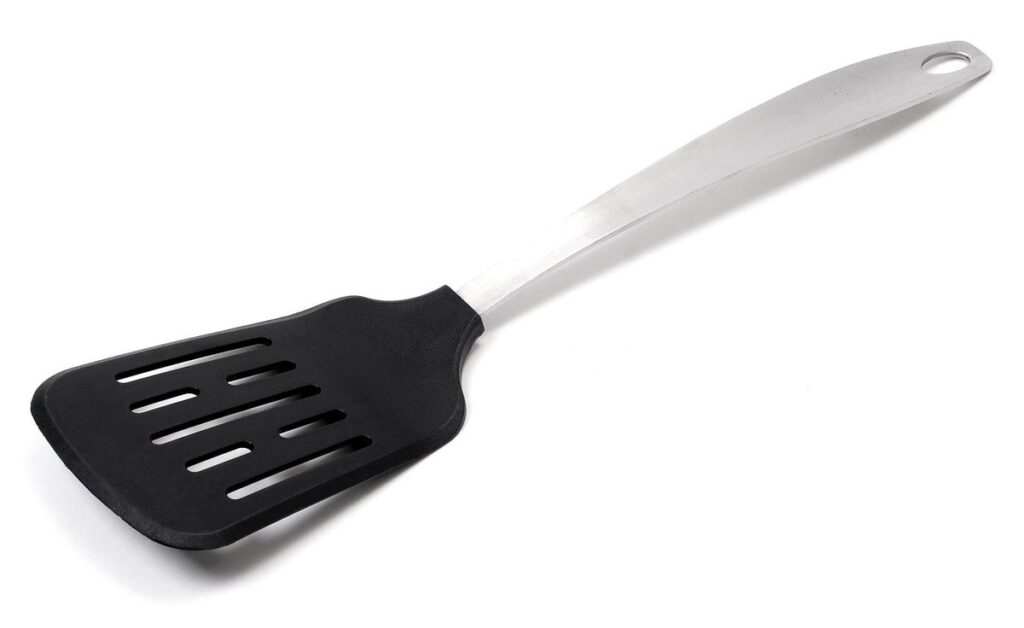
The Risks of Black Plastic Cooking Utensils
Many people use black plastic cooking utensils without realizing the potential health risks associated with these seemingly harmless tools. Let’s examine some of the key dangers they pose to your family’s well-being.
Chemical Leaching from BPA-Free Plastics
Some plastics labeled as BPA-free can still leach chemicals into food, particularly at high temperatures. This is because the term “BPA-free” refers to a specific type of plastic called bisphenol A (BPA), which was previously used in many plastic products. However, manufacturers have since replaced BPA with other chemicals that may also be hazardous to human health.
Polycarbonate plastics, often marked with the #7 recycling symbol, are a common culprit when it comes to chemical leaching. These plastics contain additives such as phthalates, which can migrate into food at high temperatures (above 200°F/90°C). Polyvinyl chloride (PVC) plastics, often labeled “BPA-free,” may also contain phthalates or other softeners that can leach into food.
To put this risk into perspective, consider the following: even if a plastic is labeled as BPA-free, it’s still possible for chemicals to leach into food. Look for plastics made from safer materials like polypropylene (#5) or polyethylene (#2), which are less likely to leach chemicals. When using plastics at high temperatures, be sure to follow the manufacturer’s guidelines and take extra precautions to avoid overheating.
The Impact of Phthalates in Black Plastic Utensils
Phthalates are commonly used as plastic softeners to make black plastic more flexible and easier to mold. However, when ingested with food cooked using these utensils, phthalates can potentially leach into the meal. Research has shown that people exposed to higher levels of phthalates through cooking have increased concentrations in their urine.
A study published by the National Institute of Environmental Health Sciences found that individuals who used black plastic utensils for cooking had significantly higher phthalate levels compared to those using other materials. The most commonly detected phthalate, di(2-ethylhexyl) phthalate (DEHP), was linked to reproductive issues and birth defects in animal studies.
To minimize exposure, it’s recommended to avoid heating food directly on black plastic utensils or storing acidic foods like tomatoes or citrus in them. Opting for glass or stainless steel alternatives can significantly reduce phthalate leaching. Additionally, some manufacturers are now using alternative softeners that have shown lower toxicity profiles.
Regulations and Guidelines for Safe Use
To ensure safe use of black plastic cooking utensils, we’ll outline essential guidelines on proper handling, storage, and maintenance. This includes key regulations to follow at home and in commercial settings.
FDA and EU Standards for Food Contact Materials
Regulatory bodies like the FDA and EU have established standards for food contact materials to ensure they don’t leach chemicals into food. The FDA regulates plastics under the Food Contact Substances (FCS) program, while the EU’s Framework Regulation sets limits on chemical migration from plastics.
The FDA’s FCS program specifically addresses BPA-free plastics, which can still leach phthalates and other chemicals. The EU’s regulations are more stringent, with specific limits on phthalate levels in plastics. For instance, the EU restricts DEHP, DBP, and BBP in food contact materials.
Comparing these regulations highlights differences between countries. While the FDA has banned BPA from baby bottles and sippy cups, it still allows some BPA-free plastics to contain phthalates. In contrast, the EU has banned most phthalates in food contact materials. When shopping for black plastic cooking utensils, look for products that comply with EU regulations or those labeled “phthalate-free.” Keep in mind that even if a product meets FDA standards, it may not adhere to EU guidelines.
Certifications and Labels – What They Mean
When shopping for black plastic cooking utensils, you may come across various certifications and labels claiming the product is BPA-free, phthalate-free, or non-toxic. These labels are regulated by government agencies such as the FDA in the US and the European Union’s EFSA. However, these regulations have limitations.
For instance, a product labeled “BPA-free” may still contain other chemicals that can leach into food. This is because manufacturers often substitute BPA with alternative chemicals like BPS or BPF, which also raise health concerns. Similarly, phthalate-free labels do not necessarily mean the product is free from all phthalates. In fact, some products may contain a mixture of phthalates that are still considered safe by regulatory standards.
To make sense of these certifications, look for third-party testing and certification bodies like NSF International or UL (Underwriters Laboratories). These organizations verify that the product meets certain safety standards. However, even with rigorous testing, labeling can be misleading. For example, a product labeled “non-toxic” may still contain chemicals that are not hazardous in small amounts but could accumulate over time. Always check the ingredient list and manufacturer’s website for more information on the materials used.
Alternatives to Black Plastic Cooking Utensils
If you’re looking for safer alternatives to traditional black plastic cooking utensils, we’ve got some excellent options that are gentle on your food and the environment. Let’s take a look at some non-toxic choices.
Eco-Friendly Materials for Cooking Utensils
Stainless steel cooking utensils are a popular eco-friendly alternative to black plastic. They’re non-toxic and durable, withstanding high temperatures without leaching chemicals into food. Stainless steel is also resistant to scratches and corrosion, making it easy to clean and maintain.
Wooden cooking utensils offer another option for those looking to avoid plastic. Bamboo, in particular, is a sustainable choice due to its rapid growth rate and minimal water requirements. Look for bamboo utensils that have been sustainably sourced and processed without harsh chemicals.
Bamboo’s natural antimicrobial properties also make it resistant to bacterial growth, reducing the need for sanitizing chemicals. Wooden utensils can be more prone to scratches and may require occasional oiling to maintain their condition.
Some stainless steel and wooden cooking utensils can be more expensive than black plastic alternatives, but they often come with a longer lifespan and reduced maintenance costs. When shopping for eco-friendly options, consider the materials used in construction, as well as any certifications or labels that indicate non-toxicity and sustainability.
DIY Solutions Using Natural Materials
You can create cooking utensils using natural materials found at home. For instance, old metal spoons and spatulas can be cleaned thoroughly and reused for cooking. Metal is a durable material that can withstand high temperatures, making it suitable for handling hot foods.
Stone or ceramic items like mortar and pestle sets are also great alternatives to black plastic utensils. These items can be found at most kitchen supply stores or thrift shops. When shopping for stone or ceramic items, make sure they’re free of any toxic glazes that may leach into food.
Wooden spoons are another option, especially if you have an old wooden spoon collection lying around the house. Look for ones made from hardwoods like maple or oak, as they tend to be more durable than softwoods. Avoid using wooden utensils that show signs of wear and tear, as cracks can provide a conduit for bacteria growth.
Before repurposing any items, ensure they’re clean and sanitized. A mixture of baking soda and water can help remove stubborn stains on metal or stone surfaces. When using wooden utensils, avoid exposing them to high heat, as this can cause the wood to warp or become brittle.
The Role of Manufacturer Transparency
Manufacturers play a crucial role in ensuring consumer safety, but how transparent are they really? We’ll examine their responsibilities and accountability.
Industry Practices in Labeling Products
Manufacturers often label their products with certifications and compliance statements, but these labels can be misleading. The term “BPA-free” is commonly used to reassure consumers, but it doesn’t necessarily mean the product meets strict safety standards. Some manufacturers might use this label even if the plastic still leaches chemicals when exposed to heat.
Look for the UL (Underwriters Laboratories) or NSF International certification logos on products. These organizations test and verify compliance with certain safety standards. However, these certifications don’t guarantee that the product is completely safe. They only ensure it meets a minimum set of criteria.
Regulatory bodies like the FDA and EU have different guidelines for labeling food contact materials. Manufacturers might claim their product complies with one or more of these regulations, but this doesn’t necessarily mean it’s safe for consumers. In some cases, manufacturers are allowed to use certain chemicals in their products as long as they meet specific concentration limits.
When shopping for black plastic cooking utensils, be wary of labels that seem too good to be true. Check the manufacturer’s website or contact them directly to ask about their testing methods and materials used in production. It’s essential to have a clear understanding of what these labels mean and how they relate to your safety.
Pressure from Consumers for Change
Consumer awareness efforts have been instrumental in pushing manufacturers towards safer practices and clearer labeling. A notable example is the case of BPA-free plastics, where consumer pressure led to a reevaluation of labeling standards. Some manufacturers have since transitioned to using more accurate labels, such as “BPS-free” or “phthalate-free,” which better reflect the actual composition of their products.
In 2020, a coalition of advocacy groups launched a campaign targeting major cookware brands for mislabeling their products as “BPA-free.” As a result, several prominent manufacturers revised their labeling to include more specific information about the materials used in their products. This development has sparked a wider conversation within the industry about the importance of transparency.
For consumers, this shift towards clearer labeling is a step in the right direction. When shopping for black plastic cooking utensils, look for products with detailed material breakdowns and certifications from reputable third-party organizations. Avoid generic claims like “BPA-free” or “non-toxic,” as they may not accurately reflect the product’s composition. Instead, opt for products with transparent labeling that prioritizes consumer safety.
The Impact on Health
Using black plastic cooking utensils can have serious health implications, particularly when it comes to exposure to chemicals that seep into food. We’ll examine the potential risks and consequences of using these utensils.
Short-Term Effects of Exposure
Exposure to chemicals from black plastic cooking utensils can cause a range of short-term effects, including allergic reactions and symptoms related to chemical exposure. In 2018, a study published in the Journal of Exposure Science & Environmental Epidemiology reported that users of certain types of plastic utensils experienced skin irritation, headaches, and dizziness.
Individuals have also shared their personal experiences with health issues linked to black plastic utensil use. A woman on an online forum described experiencing severe hives after using a set of black plastic spatulas to stir her cooking. She reported that the symptoms disappeared once she switched to stainless steel utensils.
Other common complaints include rashes, itching, and respiratory problems. In some cases, exposure to chemicals from these products has triggered anaphylaxis, a life-threatening allergic reaction. To minimize risk, it’s essential to handle black plastic cooking utensils carefully and wash them thoroughly after each use. If you experience any symptoms or have concerns about your health, discontinue using the product immediately and seek advice from a medical professional.
When shopping for new utensils, consider opting for metal or wooden alternatives instead of plastic.
Long-Term Risks Associated with Prolonged Use
Prolonged exposure to chemicals leached from black plastic cooking utensils can have serious long-term health consequences. When these chemicals accumulate in the body over time, they can increase the risk of hormone-related disorders and certain types of cancer.
One key concern is the potential for endocrine disruption. Some plastics, including those used in black cookware, contain estrogen-mimicking chemicals that can interfere with normal hormonal functions. This can lead to issues such as thyroid problems, reproductive issues, or even obesity. For example, a study found that women who regularly used non-stick pans had higher levels of BPA and phthalates in their urine than those who did not.
Another risk is the development of certain cancers. The International Agency for Research on Cancer (IARC) has classified some chemicals found in plastics as “probably carcinogenic to humans.” These chemicals can accumulate in the body over time, increasing the risk of cancer. To minimize exposure, it’s essential to limit your use of black plastic cooking utensils and explore safer alternatives. Regularly cleaning and maintaining these products can also help reduce chemical leaching.
Conclusion
Now that we’ve weighed the pros and cons, it’s time to summarize our findings and provide you with a clear picture of what the future may hold for black plastic cooking utensils.
Summary of Key Findings
The key findings of our investigation into black plastic cooking utensils reveal a concerning picture. Chemical leaching from BPA-free plastics poses a significant risk to human health, particularly when exposed to high temperatures and acidic foods. Phthalates, commonly used in black plastic utensils, have been linked to reproductive issues and hormone disruption.
Regulatory standards for food contact materials are inconsistent across regions, with the FDA and EU having different guidelines. Certifications like BPA-free and phthalate-free do not guarantee safety, as these chemicals can still be present at levels below detection thresholds. Instead of relying on labels, consumers should look for products made from eco-friendly materials like stainless steel, silicone, or wood.
Manufacturer transparency is crucial in ensuring safer cooking practices. Consumers should pressure manufacturers to disclose the materials used and provide clear labeling. DIY solutions using natural materials are also a viable option for those who want to avoid commercial products altogether.
In conclusion, our research highlights the need for consumers to take a proactive approach to safe cooking. By choosing alternative materials, advocating for manufacturer transparency, and being aware of regulatory standards, individuals can significantly reduce their exposure to hazardous chemicals in black plastic cooking utensils.
Final Thoughts on Prioritizing Health in Cooking
By now, you’ve likely absorbed the risks associated with black plastic cooking utensils. What’s next? Empowerment through knowledge is a crucial first step towards change. Understanding the potential harm these products can cause in the kitchen empowers you to make informed choices about what you cook with and how you prioritize your health.
Knowledge shouldn’t lead to anxiety or paralysis, but rather to deliberate action. Start by reassessing your current cooking utensils and replacing any black plastic items with safer alternatives. For example, stainless steel or silicone utensils are great options that can withstand high temperatures without leaching chemicals into food.
Consider the long-term benefits of switching to healthier cooking tools. Not only will you reduce your exposure to potential toxins, but you’ll also contribute to a more sustainable kitchen. As you explore eco-friendly materials and DIY solutions, remember that every small change counts. Begin with what’s most important to you – whether it’s your family’s health or the planet’s well-being – and let that drive your choices in the kitchen.
Frequently Asked Questions
Can I still use black plastic cooking utensils if they’re labeled as BPA-free?
Yes, even though the label says “BPA-free,” it doesn’t necessarily mean the product is completely safe. Other chemicals like phthalates can still leach into food and cause health issues.
How do I know which eco-friendly materials are suitable for high-heat cooking?
When choosing eco-friendly alternatives, consider materials that are heat-resistant, durable, and non-toxic. Stainless steel, cast iron, and ceramic are good options for high-heat cooking. Always check the product’s specifications and reviews to ensure it can withstand extreme temperatures.
What if I’m on a tight budget? Are there any affordable eco-friendly alternatives?
While some eco-friendly materials like stainless steel or bamboo may be more expensive upfront, they can last longer and save you money in the long run. Consider repurposing old items or shopping during sales to find more affordable options. DIY solutions using natural materials can also be cost-effective.
Can I reuse black plastic cooking utensils if they’ve been exposed to high heat?
Reusing black plastic cooking utensils that have been exposed to high heat can still pose a risk, even if you clean them thoroughly. The chemicals may not leach out immediately, but continued exposure can lead to health problems over time. It’s best to replace these items or choose safer alternatives.
What should I do with old black plastic cooking utensils? Can they be recycled?
Old black plastic cooking utensils cannot always be recycled, as they often contain a mix of materials that are difficult to separate. Check your local recycling guidelines for specific instructions on disposing of these items. Consider repurposing them for non-food use or donating them responsibly.
How do I ensure manufacturer transparency when shopping for new kitchenware?
When looking for new kitchenware, check the product’s label and packaging for certifications like BPA-free or phthalate-free. Research the manufacturer’s reputation and read reviews from other customers to get an idea of their commitment to safety and transparency.

