
Many of us reach for air fresheners to get rid of unpleasant odors in our homes, but few realize that these products can be toxic. The chemicals used in traditional air fresheners can release fumes that not only make you and your family sick, but also harm the environment. You may be surprised to know that some of the most common ingredients in air fresheners are linked to health problems like headaches, respiratory issues, and even cancer. Meanwhile, these products contribute to indoor air pollution, making it difficult for people with asthma and allergies to breathe easily. In this article, you’ll learn about the hidden dangers of air fresheners and discover natural alternatives that will help you take control of your indoor air quality without exposing yourself or the planet to harm, allowing you to create a healthier home environment by the end.
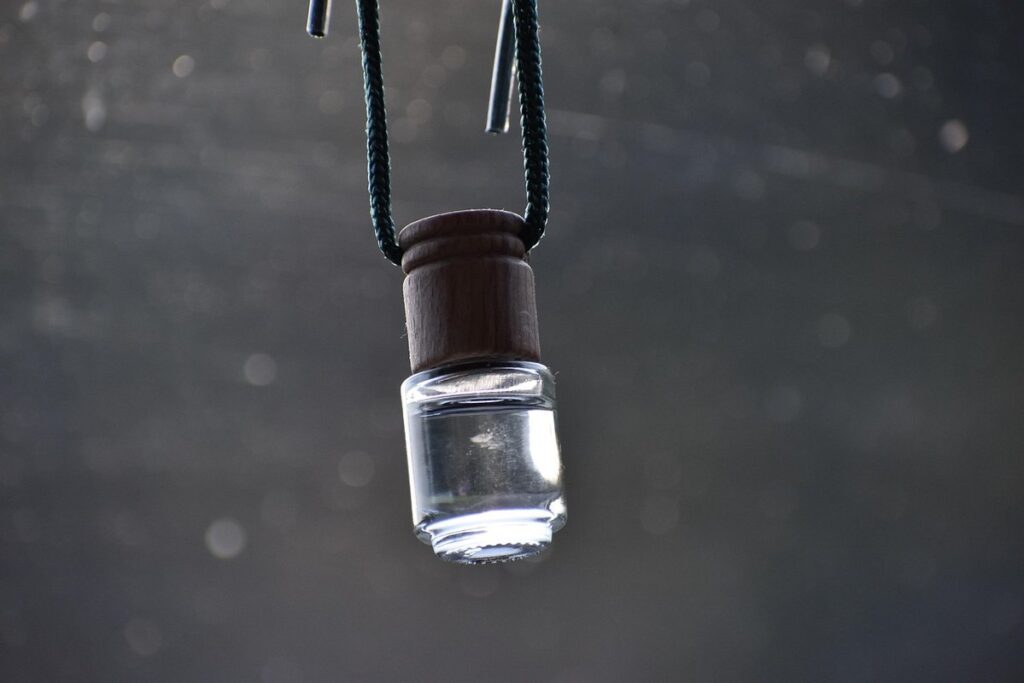
The Hidden Dangers of Air Fresheners
Air fresheners are often seen as a harmless way to eliminate odors, but some common ingredients have been linked to serious health risks when inhaled. Next, we’ll take a closer look at the most toxic culprits found in air freshener sprays and plug-ins.
Volatile Organic Compounds (VOCs) and Their Impact
Volatile Organic Compounds (VOCs) are a primary component of many air fresheners. These chemical substances evaporate quickly, releasing strong fragrances and deodorizing properties. However, VOCs also have a dark side: they can pose significant health risks to humans and the environment.
When inhaled, certain VOCs can trigger allergic reactions, respiratory problems, and even neurological damage. The International Agency for Research on Cancer (IARC) has classified some VOCs as carcinogenic, meaning they may cause cancer. For instance, limonene, a common VOC found in citrus-scented air fresheners, is linked to skin irritation and kidney damage.
Moreover, air fresheners can release large quantities of VOCs into the atmosphere, contributing to indoor pollution and negatively impacting ecosystems. Some studies suggest that prolonged exposure to high levels of VOCs can lead to headaches, dizziness, and nausea in both children and adults. To minimize exposure to these hazards, consider choosing fragrance-free or low-VOC air fresheners or exploring alternative methods for maintaining a pleasant indoor atmosphere.
Common Chemicals Found in Air Fresheners
Phthalates are a group of chemicals commonly used to fragrance air fresheners. These synthetic esters can mimic hormone-like effects on the body, particularly during fetal development and puberty. Studies have linked phthalate exposure to reproductive issues, such as low birth weight, undescended testes, and reproductive cancers in adults.
Formaldehyde is another ubiquitous chemical found in many air fresheners. This known carcinogen has been associated with nosebleeds, headaches, and respiratory problems due to its ability to release particulate matter into the air when heated or dried. You can find formaldehyde in some plug-in air fresheners that use a warm, dry heat to vaporize their fragrance.
Synthetic fragrances are another concerning chemical in air fresheners. While manufacturers don’t have to disclose what’s in their fragrances, many contain phthalates and other known toxins. Even if you’re sensitive to fragrances but try to avoid them, it’s essential to know that some people can inhale the particles released from a scented product even before they open the packaging. This is because air fresheners often release fragrance particles through an active ingredient called “fragrance volatiles.”
The Effect of Air Fresheners on Indoor Air Quality
Air fresheners may be making your home smell sweet, but what’s really happening to the air quality? We’ll investigate how these products affect indoor air.
How Air Fresheners Contribute to IAQ Issues
Air fresheners can exacerbate indoor air quality problems by releasing a cocktail of pollutants into the air. One major issue is the creation of ozone (O3), a potent respiratory irritant that can trigger asthma attacks and other breathing difficulties. When certain types of fragrance chemicals, such as benzene or formaldehyde, react with ultraviolet light in the air freshener, they break down to form ozone.
Additionally, air fresheners release particulate matter, including fine particles (PM2.5) that can penetrate deep into lung tissue, causing inflammation and damage. This is particularly concerning for people with pre-existing respiratory conditions or those who spend extended periods indoors.
To put this into perspective, consider a typical home with one or more air fresheners operating continuously. The cumulative effect of these pollutants can be significant, contributing to a range of health problems from mild discomfort to life-threatening illnesses. Reducing exposure to air fresheners is crucial for maintaining good indoor air quality. A simple step is to opt for fragrance-free products or those labeled as “phthalate-free” and “non-toxic.”
The Role of Fragrances in Air Pollution
Fragrances in air fresheners are a significant contributor to indoor air pollution. When released into the air, these potent mixtures of chemicals can break down into volatile organic compounds (VOCs) and other hazardous substances. One of the primary concerns is the release of VOCs, which can react with other pollutants to form ground-level ozone.
These chemical reactions can have serious health implications, including respiratory problems, headaches, and allergic reactions. A typical air freshener contains a combination of fragrance oils, solvents, and propellants that contribute to indoor air pollution. For example, diethyl phthalate (DEP) is commonly used as a solvent in fragrances and has been linked to reproductive issues.
Some air fresheners contain up to 95% VOCs, which can accumulate quickly in poorly ventilated spaces. In addition to VOCs, other chemicals like limonene and benzaldehyde can also contribute to indoor air pollution. When using air fresheners, it’s essential to choose products with minimal fragrance content or opt for plant-based alternatives that release fewer pollutants into the air.
Alternatives to Traditional Air Fresheners
Beyond air freshener sprays and plugins, there are many clever alternatives that can leave your home smelling great without the potential health risks. You’ll find a few of these creative solutions here.
Natural Air Purifiers: Essential Oils and Beyond
Essential oils have gained popularity as a natural air purification method. Some essential oils, such as tea tree oil and lavender oil, have antimicrobial properties that can help neutralize airborne pathogens. However, not all essential oils are created equal – some may contain allergens or irritants like phenol or geraniol.
For example, certain essential oils like peppermint and eucalyptus can cause respiratory issues in people with asthma. Additionally, using essential oils as air purifiers requires a proper understanding of concentration and diffusion methods to avoid overpowering scents.
Beyond essential oils, some houseplants are naturally adept at removing pollutants from the air. For instance, spider plants, snake plants, and peace lilies have been shown to remove volatile organic compounds (VOCs) like formaldehyde and benzene through a process called phytoremediation. Simply placing these plants in your living space can contribute to cleaner indoor air without exposing you to harsh chemicals found in traditional air fresheners.
DIY Air Freshener Recipes Using Natural Ingredients
When it comes to keeping our homes smelling fresh and clean, many of us turn to air fresheners. However, these products have been linked to a range of health concerns, from headaches and respiratory issues to more severe problems like cancer. Given the potential risks associated with commercial air fresheners, making your own at home using natural ingredients is a safer and healthier alternative.
One simple recipe involves mixing 1 cup of baking soda with 10 drops of your preferred essential oil (such as lavender or lemon) in a small bowl. Place this mixture near any areas where odors tend to accumulate. The baking soda will absorb moisture and eliminate smells, while the essential oils will leave a pleasant scent.
Another option is to use activated charcoal, which has natural deodorizing properties. Mix 1 tablespoon of activated charcoal with 10 drops of your chosen essential oil in a small muslin bag or cloth sachet. Hang this near any areas where odors are present, and replace the contents as needed. You can also add dried flowers or herbs to create a potpourri effect.
The Impact of Air Fresheners on Human Health
Air fresheners may be hiding a toxic secret, and it’s essential to understand how they can affect our health, from respiratory problems to hormonal imbalances. Let’s examine the alarming connection between air freshener use and human health risks.
Respiratory Issues: Asthma, Allergies, and More
Using air fresheners can exacerbate respiratory issues like asthma and allergies. Volatile organic compounds (VOCs) released by these products can irritate airways and trigger symptoms such as wheezing, coughing, and shortness of breath. Some common VOCs found in air fresheners include benzene, toluene, and xylene.
Asthma sufferers are particularly vulnerable to the negative effects of air freshener use. Research suggests that frequent exposure to these chemicals can increase asthma symptoms by up to 20%. Additionally, people with allergies may experience worsened symptoms due to VOCs’ ability to mimic allergens like pollen or dust mites.
Other respiratory conditions, such as chronic obstructive pulmonary disease (COPD) and bronchitis, can also be aggravated by air freshener use. People with pre-existing lung conditions should consider alternative methods for maintaining indoor air quality, such as using essential oils or opening windows for ventilation. If you’re concerned about the impact of air fresheners on your respiratory health, consider opting for fragrance-free products or avoiding their use altogether when symptoms worsen.
Cancer Risks Associated with Air Freshener Chemicals
Phthalates, a group of chemicals commonly used in air freshener fragrances, have been linked to potential carcinogenic effects. Research has shown that phthalate exposure can increase the risk of breast cancer, particularly for women who are already at high risk due to family history or other factors. The International Agency for Research on Cancer (IARC) has classified one type of phthalate, diethylhexyl phthalate (DEHP), as “possibly carcinogenic to humans.”
Another concerning chemical found in air fresheners is benzene, a known human carcinogen that can cause leukemia and other blood cancers. The US Environmental Protection Agency (EPA) has identified indoor sources of benzene exposure, including air freshener sprays and plug-ins. While the exact mechanisms by which these chemicals contribute to cancer risk are not yet fully understood, reducing exposure is crucial.
To minimize phthalate and benzene exposure from air fresheners, consider switching to fragrance-free or natural products, or opting for essential oil diffusers instead of traditional air freshener sprays. When shopping for air fresheners, check labels for certifications like Greenguard Gold or EcoLogo, which indicate that the product meets safer chemical standards.
The Regulatory Landscape: Are Air Fresheners Regulated Enough?
Air freshener manufacturers often claim compliance with strict regulations, but a closer look reveals some surprising gaps and inconsistencies in oversight. What’s missing from current regulations, and how does this impact air quality?
Current Regulations and Guidelines for Air Fresheners
In the United States, air fresheners are subject to regulations by organizations such as the Environmental Protection Agency (EPA) and the Occupational Safety and Health Administration (OSHA). The EPA sets standards for volatile organic compounds (VOCs), which are common ingredients in air fresheners. OSHA regulates the use of air fresheners in workplaces, setting permissible exposure limits (PELs) to prevent adverse health effects.
The Consumer Product Safety Commission (CPSC) also plays a role in regulating air fresheners, particularly with regards to flammability and labeling requirements. For instance, air fresheners sold as aerosols or sprays must meet specific standards for flammability and leak testing. However, the CPSC’s regulations focus primarily on product safety rather than potential health risks.
To ensure compliance with these regulations, manufacturers often rely on third-party certifications such as Greenguard Gold or California Air Resources Board (CARB) Compliant. When shopping for air fresheners, look for products that carry these labels, as they indicate a higher level of safety and sustainability. However, even certified products can still pose health risks if used excessively or in poorly ventilated areas.
Calls for Stricter Regulation: A Growing Movement
Consumer advocacy groups and health organizations have been increasingly vocal about the need for stricter regulation of air freshener chemicals and manufacturing practices. The Environmental Working Group (EWG), a non-profit organization focused on public health and environmental issues, has been at the forefront of this movement. In 2020, the EWG released a report highlighting the presence of toxic chemicals in popular air fresheners.
The EWG’s findings led to calls for stricter labeling requirements and more stringent safety testing protocols. Some manufacturers have since begun to phase out certain chemicals linked to health concerns, but many others remain resistant to change. The Campaign for Safe Cosmetics, another prominent advocacy group, has been pushing for reformulation of air fresheners using safer alternatives.
As consumers, you can support these efforts by choosing products from companies that prioritize transparency and safety. Look for certifications like Greenguard Gold or EcoLogo, which indicate that a product meets certain standards for indoor air quality. Additionally, be aware of the ingredients listed on labels and opt for fragrance-free options when possible. By demanding stricter regulations and making informed choices, you can help drive positive change in the air freshener industry.
What You Can Do: Reducing Your Exposure to Air Freshener Toxins
Now that we’ve explored the potential health risks associated with air fresheners, let’s focus on practical steps you can take to minimize your exposure. Here are some simple changes to make in your daily life.
Simple Swaps: Replacing Traditional Air Fresheners with Safer Alternatives
When it comes to creating a healthier indoor environment, one of the simplest swaps you can make is replacing traditional air fresheners with safer alternatives. Many air purifiers on the market are designed to capture pollutants and odors, but some natural options are just as effective without the harsh chemicals. For example, activated charcoal or bamboo air purifiers use natural materials to absorb and neutralize odors.
If you’re looking for an even more budget-friendly solution, consider making your own DIY air freshener recipes using essential oils and natural ingredients. A simple spray can be made by mixing equal parts water and witch hazel with a few drops of lemon or lavender oil. You can also use baking soda to absorb odors in carpets and upholstery.
When choosing an alternative to traditional air fresheners, be sure to read the labels carefully and avoid products containing phthalates, formaldehyde, or other known toxins. By making this one simple swap, you can significantly reduce your exposure to air freshener toxins and create a healthier home environment.
Minimizing Exposure in the Home and Workplace
In personal settings, reduce exposure by avoiding air freshener use when occupants have sensitivities or allergies. Replace plug-ins and sprays with open windows for ventilation, which can be especially effective during cooking or showering. When using air fresheners, choose products with natural fragrances like essential oils, but still exercise caution due to potential skin irritation.
In the workplace, consider implementing a “fragrance-free” policy to accommodate employees with sensitivities. Many companies have successfully implemented such policies, leading to improved employee comfort and productivity. If this isn’t feasible, designate fragrance-free zones or areas where air fresheners are not permitted. Encourage employees to report any discomfort caused by air freshener use.
For individuals who must continue using air fresheners due to strong odors in their home or workspace, minimize exposure by placing products at a distance from living areas and avoiding reapplication too frequently. Regularly inspect and clean areas where air fresheners are used to prevent build-up of potentially toxic residues.
Frequently Asked Questions
What if I’m allergic to essential oils? Can I still use natural air fresheners?
If you’re allergic to essential oils, it’s best to avoid using them altogether. Instead, opt for plant-based air purifiers like orchids or peace lilies, which release oxygen and can help purify the air without releasing allergenic particles.
How long does it take for air freshener toxins to leave my home?
The time it takes for air freshener toxins to leave your home depends on several factors, including ventilation, temperature, and humidity. However, with proper ventilation and airing out, you can expect VOCs from air fresheners to dissipate within 24-48 hours.
Can I use DIY air fresheners in public spaces like offices or restaurants?
While DIY air fresheners can be a great alternative in personal settings, they may not be suitable for public spaces. Public areas often have specific regulations and requirements for air quality, so it’s best to consult with facility managers or owners before using homemade air fresheners.
What if I’m still experiencing respiratory issues after switching to natural air fresheners? Should I see a doctor?
If you’re still experiencing respiratory issues after switching to natural air fresheners, it’s essential to consult with a healthcare professional. They can help you identify the underlying cause of your symptoms and provide guidance on next steps.
Can I use air purifiers in conjunction with natural air fresheners for even better results?
Yes, using air purifiers alongside natural air fresheners can be an effective way to improve indoor air quality. Air purifiers can capture particulate matter and other pollutants, while natural air fresheners release beneficial compounds that help eliminate VOCs and odors.

