
Composting food waste is an often-overlooked aspect of reducing our environmental impact, but making conscious choices about how we manage our kitchen scraps can have a significant effect. Think about it: if you toss a banana peel or last night’s leftovers in the trash, they’ll likely end up in a landfill where they’ll decompose slowly and release methane – a potent greenhouse gas. You can avoid this by setting up a compost bin at home. This guide will walk you through the process of creating a functional composting system for your kitchen waste, covering everything from initial setup to maintenance and troubleshooting common issues. Along the way, we’ll explore advanced techniques for optimizing your compost’s nutrient content and minimizing odors. By the end of this comprehensive guide, you’ll be able to create rich, fertile compost that will make your garden thrive without contributing to pollution.
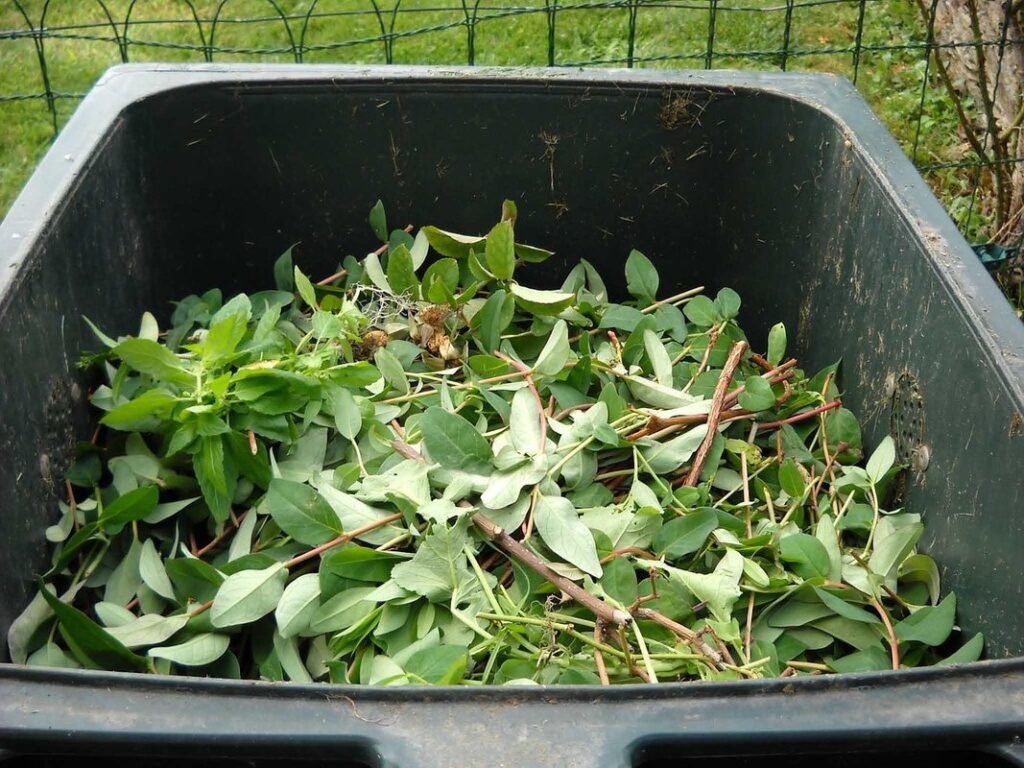
Benefits of Composting Food Waste
Composting food waste is a simple yet effective way to reduce your environmental impact, and one major advantage is that it creates nutrient-rich soil for your garden. This section highlights the numerous benefits of composting food waste.
Understanding the Importance of Food Waste Management
Food waste is a staggering global issue. According to the United Nations Food and Agriculture Organization (FAO), one-third of all food produced worldwide is lost or wasted. This translates to approximately 1.3 billion tonnes of food per year, which not only affects food security but also has significant environmental implications. The production, processing, transportation, and storage of this waste result in substantial greenhouse gas emissions, water pollution, and land degradation.
The environmental impact of food waste is multifaceted. Firstly, the production of food requires vast amounts of resources such as water, energy, and land. When this food is wasted, these resources are effectively squandered. Secondly, the decomposition process of organic waste in landfills produces methane, a potent greenhouse gas with 28 times the global warming potential of carbon dioxide over a 100-year time frame.
Composting food waste is a crucial step towards mitigating these negative effects. By converting organic waste into nutrient-rich compost, we can reduce the amount of waste sent to landfills, decrease our reliance on synthetic fertilizers, and promote sustainable agricultural practices.
The Role of Composting in Sustainable Living
Composting is a fundamental practice in sustainable living, enabling individuals and communities to significantly reduce their environmental footprint. By diverting food waste from landfills, composting reduces greenhouse gas emissions associated with decomposition. This process also conserves water and soil quality by minimizing the need for synthetic fertilizers and pesticides. Compost can be used as a natural fertilizer, improving soil structure and fertility while promoting healthy plant growth.
For individuals, adopting composting practices can lead to substantial cost savings on waste disposal fees and fertilizers. Furthermore, it encourages a more mindful approach to food consumption and planning, reducing excess waste generation. Community-level composting initiatives foster social connections and education around sustainable living principles. By integrating composting into daily routines, households can contribute to the global effort of minimizing waste and promoting eco-friendly practices. Effective composting involves balancing carbon-rich materials (e.g., leaves, straw) with nitrogen-rich materials (e.g., food scraps, manure), ensuring a balanced ratio for optimal decomposition.
Setting Up a Compost System
First, you’ll need to choose the right location for your compost pile and set up a system that’s easy to maintain. This will ensure your composting process runs smoothly from start to finish.
Choosing the Right Location for Your Compost Bin
When choosing a location for your compost bin, consider factors that will facilitate easy access and minimize pest issues. Place it at least 10 feet away from any structures to prevent moisture accumulation and reduce the risk of pests migrating into your home.
Avoid areas with direct sunlight, as high temperatures can accelerate decomposition rates, potentially leading to unpleasant odors or attracting pests. Instead, opt for partial shade or a location that receives gentle morning sunlight.
Make sure the area is level and well-drained to prevent water from accumulating around the bin. A slight incline can help excess moisture drain away from the compost pile.
Additionally, position your compost bin near a convenient water source to make regular monitoring and maintenance easier. Consider placing it within easy reach of your kitchen door or garden pathway to encourage frequent contributions of food waste. Avoid areas with standing water or where rainwater may collect, as this can compromise the aerobic conditions necessary for efficient decomposition.
Selecting the Ideal Compost Bin Type
When selecting a compost bin, consider the type of waste you’ll be processing and your available space. Vermicomposting bins, for example, are designed specifically for worm composting and can be as small as 1-2 square feet. These bins usually have drainage systems to prevent anaerobic conditions that can kill worms.
Bokashi bins, on the other hand, use microorganisms to ferment food waste in airtight containers. They’re often used for indoor composting and can process meat, dairy, and oily foods. Some bokashi bins come with liquid fertilizer as an added benefit.
Outdoor composting options include tumblers, which rotate to aerate the pile, and stationary bins that come in a range of sizes. Look for bins with easy access doors or lids for turning and maintenance. Consider also the material: plastic, metal, or wooden bins each have their own durability and aesthetic considerations.
Ultimately, choose a bin that suits your specific needs and scale. If you’re new to composting, consider starting small with a compact bin and gradually increasing capacity as you gain experience. Be sure to read reviews and manufacturer instructions for guidance on setting up and maintaining your chosen bin type.
What to Compost and What Not to Compost
Not everything can be composted, so it’s essential to know what food waste is suitable for your bin and what should be avoided. This section will guide you through the dos and don’ts of food waste composting.
Understanding the Carbon-to-Nitrogen Ratio
The carbon-to-nitrogen ratio is a fundamental principle of composting. It refers to the balance between carbon-rich “brown” materials and nitrogen-rich “green” materials in your compost pile. Think of it as a recipe: if you add too much green material, like kitchen scraps or grass clippings, it will create an anaerobic environment where microorganisms can’t thrive. On the other hand, too many brown materials, such as dried leaves or shredded newspaper, won’t provide enough nitrogen for decomposition.
Ideally, your carbon-to-nitrogen ratio should be around 25:1 to 30:1, meaning that for every 25-30 parts of “brown” material, you have one part of “green” material. To achieve this balance, consider adding the following brown materials: dried leaves, shredded newspaper, or small twigs. For green materials, incorporate kitchen scraps like fruit and vegetable peels, eggshells, or grass clippings in moderation.
A good rule of thumb is to add 2-3 parts brown material for every one part green material. For example, if you’re adding a bucket of kitchen scraps (green), follow it with two buckets of dried leaves or shredded newspaper (brown). By maintaining the right carbon-to-nitrogen ratio, your compost pile will heat up and break down efficiently, producing a nutrient-rich soil amendment for your garden.
List of Acceptable and Non-Acceptable Food Waste for Composting
When composting food waste, it’s essential to know what materials are acceptable and non-acceptable. Adding the wrong items can lead to unpleasant odors, pests, and a compromised carbon-to-nitrogen ratio.
Acceptable food waste for composting includes:
• Fresh vegetable and fruit scraps
• Bread and grains (like brown rice or oats)
• Eggshells (crushed to avoid scratching the bin)
• Coffee grounds and tea bags
Non-acceptable items include:
• Meat, fish, and poultry scraps (attract pests and create odors)
• Dairy products (similar issues with meat, fish, and poultry)
• Oils and fats (create anaerobic conditions and attract pests)
• Pet waste
• Weeds with seeds (can sprout in the compost and become invasive)
When adding food waste to your bin, it’s also essential to avoid overloading on high-nitrogen materials like vegetable scraps. This can throw off the carbon-to-nitrogen ratio and lead to unpleasant odors or pests. A general rule of thumb is to maintain a mix of 2/3 “brown” materials (like leaves or straw) and 1/3 “green” materials (like food waste).
Tips for Maintaining a Healthy Compost
Now that you’ve set up your composting system, let’s focus on maintaining it properly to ensure you get rich, nutrient-dense soil from your food waste. Regular maintenance is key to preventing pests and odors.
Monitoring Temperature and Moisture Levels
Checking temperature and moisture levels is crucial for maintaining a healthy compost pile. You can use a compost thermometer to monitor the temperature, which should range between 130°F and 140°F (54°C to 60°C) during the active decomposition phase. This heat indicates that microorganisms are breaking down the organic matter efficiently.
If your compost pile gets too hot, it can kill off beneficial microbes or even catch fire. To prevent this, you can add more brown materials, such as dried leaves or shredded newspaper, which help absorb excess moisture and reduce temperatures. Conversely, if the temperature drops below 90°F (32°C), it may indicate a lack of nitrogen-rich “green” materials.
Maintaining optimal moisture levels is equally important. The ideal compost pile should be like a damp sponge – not dripping with water but also not dry to the touch. Aim for a mix that’s about 40% brown materials, 30% green materials, and 30% “wet” materials like kitchen scraps or grass clippings. Regularly turn your compost pile to ensure even decomposition and prevent moisture from accumulating in one area. By monitoring temperature and moisture levels, you’ll create an environment where microorganisms can thrive, breaking down food waste efficiently and reducing the environmental impact of your household’s waste.
Managing Odors and Pests
To minimize odors and pest issues in your compost, it’s essential to maintain good airflow. Regularly turn your compost pile every week or two to aerate it and speed up decomposition. This also helps prevent anaerobic conditions that can lead to unpleasant smells.
Another approach is to balance the carbon-to-nitrogen ratio by incorporating materials high in carbon, such as straw or shredded newspaper, into your compost. This can help absorb excess moisture and reduce odors. However, be cautious not to overdo it, as too much dry material can create a fire hazard.
Common pest issues like fruit flies can be addressed by covering your compost pile with a tight-fitting lid or using fine mesh screening to keep insects out. Regularly inspecting your compost for signs of pests and taking prompt action will help prevent infestations from getting out of hand.
Advanced Composting Techniques
Now that you’ve mastered the basics of composting, it’s time to take your skills to the next level by learning advanced techniques to speed up decomposition and maximize nutrient output. We’ll explore efficient methods for aerating and turning piles.
Using Worms or Microorganisms for Enhanced Breakdown
Using worms or microorganisms for enhanced breakdown is a game-changer for those looking to optimize their composting process. Vermicomposting involves using red wiggler worms to break down food waste into a nutrient-rich fertilizer. These worms thrive in aerobic environments and can consume up to two-thirds of their body weight in organic matter daily. To set up a worm bin, you’ll need a container with adequate ventilation, a layer of bedding material like coconut coir or shredded newspaper, and a mix of “green” (food waste) and “brown” (dried leaves or straw) materials.
Microorganisms, on the other hand, are used in bokashi composting. These beneficial microbes feed on food waste, reducing odors and producing a liquid fertilizer. To use microorganisms for enhanced breakdown, you’ll need to add a bokashi mix or starter culture to your compost pile or bin. This mixture contains a balance of aerobic and anaerobic microbes that work together to break down organic matter quickly.
When choosing between vermicomposting and bokashi, consider the space and resources available to you. Vermicomposting requires more maintenance but can produce high-quality fertilizer in as little as two weeks. Bokashi, while producing a slower breakdown process, is often easier to set up and manage, especially for those with limited space or time.
Creating Compost Tea and Its Benefits
Creating compost tea involves steeping a mixture of “compost” – rich in microorganisms – in water to create a nutrient-rich liquid solution. This process replicates the natural water cycle, where plants absorb nutrients from soil and release them back into the environment through runoff.
To make compost tea, start by filling a bucket with 1-2 gallons of water, then add 1-2 cups of mature compost. The ideal ratio is one part compost to ten parts water. Next, cover the bucket with a lid or cloth to allow for aeration and let it steep for 24-48 hours in a cool, dark place.
The benefits of using compost tea are numerous. It enhances soil fertility by introducing beneficial microorganisms that break down nutrients, making them available to plants. Compost tea also improves water retention, reducing the need for frequent watering. Furthermore, it can help suppress plant diseases and pests by promoting a balanced ecosystem.
When applying compost tea to your garden, dilute it with 10-20 parts of water and use it as a foliar spray or soil drench. Regular use can lead to healthier plants, improved yields, and reduced fertilizer needs.
Challenges and Solutions
Composting food waste can be a complex process, but it’s not without its own set of challenges that need to be addressed. Let’s tackle some common obstacles and explore creative solutions to overcome them.
Common Mistakes to Avoid When Composting Food Waste
When composting food waste, it’s easy to make mistakes that can hinder the decomposition process and even create unpleasant odors. One common error is adding too much meat, dairy, or oily foods to the compost pile. These high-nitrogen materials can attract pests and create anaerobic conditions, leading to a strong stench.
To avoid this mistake, aim for a balanced mix of “green” (nitrogen-rich) and “brown” (carbon-rich) materials in your compost bin. Aim for 2/3 brown materials like leaves, straw, or shredded paper, and 1/3 green materials like vegetable scraps, fruit peels, or grass clippings.
Another mistake is overwatering the compost pile. While a certain level of moisture is necessary for decomposition, too much water can lead to anaerobic conditions and unpleasant odors. Monitor temperature and moisture levels regularly by checking the pile’s consistency, color, and scent. Aim for a mix that’s similar to damp soil.
In addition, be mindful of contaminants like plastic, metal, or fabric scraps, which should never be added to your compost bin. Keep your compost pile clean and well-maintained to ensure optimal decomposition and minimize odors.
Overcoming Obstacles: Tips for Successful Composting
When space constraints become a challenge, consider using vertical composting methods like stacking bins or using wall-mounted containers. This can be especially useful for small kitchens or apartments with limited floor space. Another option is to utilize indoor composting systems that are specifically designed to operate within compact areas.
If pest issues arise, implement measures to prevent them from the outset. This includes ensuring adequate carbon-to-nitrogen balance, maintaining proper moisture levels, and regularly turning your compost pile. Some pests, like rodents or raccoons, may be attracted to food waste; secure your compost bin with a lid that locks tightly.
A lack of knowledge is also a common obstacle. Educate yourself by reading reputable sources, attending workshops or online webinars, and joining local composting communities. This will help you better understand the process and troubleshoot any issues that arise. Consider starting small, with a simple worm composting system or a bokashi bin, to gain hands-on experience before scaling up.
When dealing with pests, it’s essential to identify their entry points and take steps to seal them off. Regularly inspect your compost pile for signs of infestation and address the issue promptly.
Frequently Asked Questions
What If I Live in an Apartment or Have Limited Outdoor Space?
You can still compost food waste by using indoor composting methods like vermicomposting (worm composting) or bokashi, which don’t require outdoor space. These methods are ideal for small spaces and can be done year-round.
How Do I Know When My Compost is Ready to Use in the Garden?
Your compost is ready when it’s dark brown, crumbly, and has an earthy smell. If you’re unsure, try mixing a handful of compost into your soil or use it as a mulch around plants. This will help you determine its quality.
Can I Compost Meat, Bones, and Dairy Products?
Yes, but in moderation. Adding large amounts of meat, bones, and dairy products can attract pests and create unpleasant odors. Limit these items to 10% of your total compost input and balance them with carbon-rich materials like leaves or shredded newspaper.
What If My Compost Pile Gets Too Wet or Dry? How Do I Fix It?
If your compost pile is too wet, turn it to aerate the contents and add more dry materials like straw or shredded newspaper. If it’s too dry, add water slowly while mixing well to prevent compacting the pile. Monitor temperature and moisture levels regularly to maintain optimal conditions.
Can I Use Compost Tea as a Fertilizer for Indoor Plants?
Yes, compost tea can be an excellent fertilizer for indoor plants. Simply steep your compost in water (1 part compost to 10 parts water) for 24 hours, then use the liquid as a foliar spray or soil drench. This will provide beneficial microorganisms and nutrients to your plants without over-fertilizing.

