
Washing clothes is an essential part of our daily lives, but have you ever stopped to think about the harsh chemicals in conventional laundry detergents that can linger on your clothing and in the air? These chemical residues not only pose a risk to human health, but they also contribute to environmental pollution. Many natural laundry detergents are now available as an alternative, made from plant-based ingredients that are gentler on clothes and kinder to the planet.
You may be surprised to learn how simple it is to make the switch to natural laundry methods and start reducing your exposure to harsh chemicals. By making a few easy changes to your laundry routine, you can minimize environmental harm, reduce your energy consumption, and even save money on water and electricity costs. In this article, by the end of which you’ll be able to confidently choose the best natural laundry detergent for your needs and develop a more eco-friendly washing routine that benefits both you and the planet.
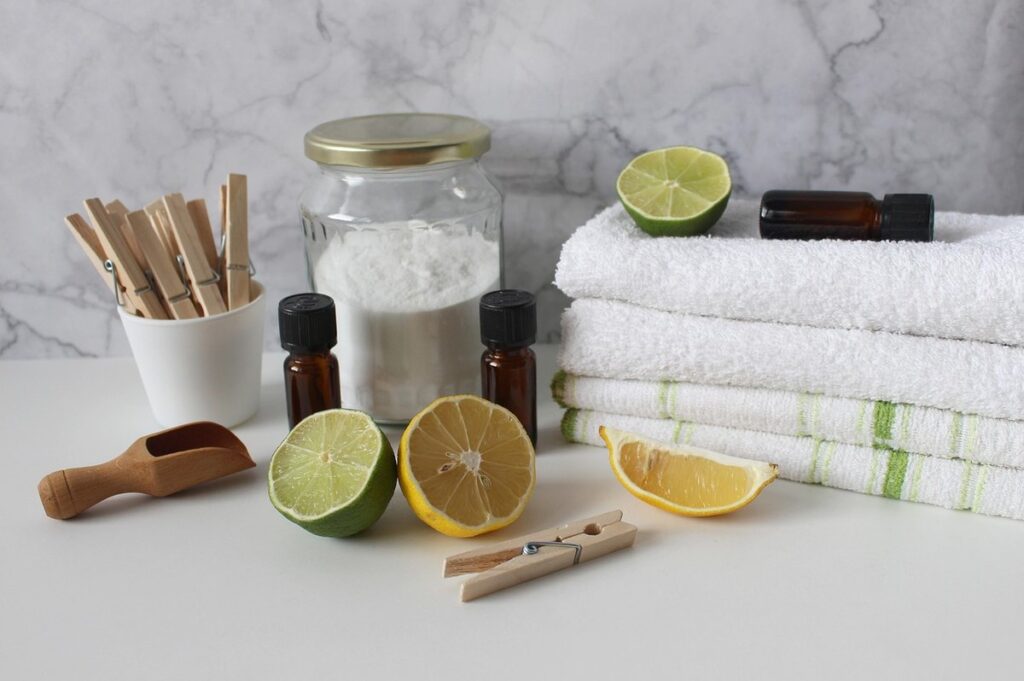
The Benefits of Natural Laundry Methods
Discovering the advantages of ditching harsh chemicals and opting for natural laundry methods can be a game-changer for your skin and the planet. We’ll explore these benefits in greater detail below.
Reducing Chemical Exposure in Your Home
Conventional laundry detergents contain a cocktail of chemicals that can compromise indoor air quality and human health. Volatile organic compounds (VOCs) like fragrance and dye agents evaporate quickly, contaminating the air we breathe. Exposure to these chemicals has been linked to respiratory problems, headaches, and skin irritation.
When using conventional detergents, you’re not only washing your clothes but also releasing a toxic cloud of fumes into your home. This is especially concerning for families with young children or pets who spend more time indoors. One study found that laundry products are among the top five sources of VOCs in homes.
Switching to natural laundry detergents can significantly reduce chemical exposure at home. Look for products labeled as “fragrance-free” or “hypoallergenic,” which tend to have fewer VOCs and irritants. Some eco-friendly brands use plant-based ingredients that are gentler on skin and the environment.
To further minimize chemical exposure, consider making your own laundry soap using natural ingredients like washing soda, borax, and essential oils. This approach allows you to control exactly what goes into your detergent, ensuring a healthier home for everyone.
Environmental Impact of Conventional Laundry
Conventional laundry practices have a significant environmental impact, from water pollution to energy consumption and waste generation. When you wash clothes using traditional detergents, these chemicals are washed down the drain and into our waterways. This can harm aquatic life and contaminate drinking water sources.
A typical washing machine cycle uses around 40 gallons of water, which is a significant amount considering that many households do laundry multiple times a week. Moreover, most conventional detergents contain phosphates and other pollutants that contribute to water pollution. The production and transportation of these detergents also require energy, contributing to greenhouse gas emissions.
To put this into perspective, it’s estimated that the textile industry is responsible for around 10% of global greenhouse gas emissions. By switching to natural laundry methods, you can significantly reduce your environmental footprint. This includes choosing eco-friendly detergents or making your own laundry soap using natural ingredients like washing soda and borax.
When shopping for natural detergents, look for products that are free from phosphates, chlorine, and other harsh chemicals. You can also consider buying in bulk to reduce packaging waste. By adopting sustainable laundry practices, you’ll not only be doing your part for the environment but also saving money on energy bills and extending the life of your washing machine.
Choosing Natural Laundry Detergents
When it comes to washing clothes naturally, selecting a suitable laundry detergent is one of the most crucial decisions you’ll make. We’ll break down the key factors to consider when choosing a natural laundry detergent that works for your needs.
Understanding Label Claims and Ingredients
When shopping for natural laundry detergents, it’s essential to decipher the label claims and ingredients. One common claim is “biodegradable.” While this sounds like a positive attribute, what does it really mean? Biodegradable means that the detergent can break down into harmless components in the environment over time. However, this doesn’t necessarily translate to safety for aquatic life or human health. You should also look out for claims of “non-toxic” or “eco-friendly.” These terms are often subjective and not regulated by any governing body.
Here’s a breakdown of some common natural laundry detergent ingredients:
- Baking soda (sodium bicarbonate) is a gentle cleanser.
- Washing soda (sodium carbonate) helps remove tough stains and odors.
- Essential oils, like lavender or eucalyptus, can be added for fragrance and potential health benefits.
When evaluating the ingredient list, consider the following: if you’re concerned about skin allergies or sensitivities, opt for detergents with minimal fragrances. If you live in an area with water treatment plants, choose biodegradable options to minimize environmental impact.
Evaluating the Effectiveness of Natural Detergents
When comparing natural laundry detergents to conventional ones, it’s essential to consider their cleaning power. Natural detergents can be just as effective as their chemical-based counterparts, but their performance depends on various factors.
The type of soil is a significant factor in determining a detergent’s effectiveness. For example, if you live in an area with hard water, you’ll need a detergent that’s specifically designed to combat mineral buildup and effectively remove tough stains. On the other hand, gentle natural detergents may not be as effective against heavy grease or oil-based stains.
Water temperature also plays a crucial role in determining a detergent’s effectiveness. Most natural detergents work best at warm water temperatures (around 90°F/32°C), while some can even require cold water for optimal performance. Be sure to check the product instructions and adjust your washing machine settings accordingly.
Finally, washing machine efficiency is another factor that influences a detergent’s effectiveness. If you have an older or low-efficiency washing machine, it may not be able to rinse away all residue from natural detergents, leading to buildup over time. Consider upgrading to a high-efficiency model or using a detergent specifically designed for low-water wash cycles.
When choosing a natural laundry detergent, look for products that explicitly state their effectiveness against specific types of soil and stains. Some popular options include those designed for sensitive skin, pet owners, or users with hard water.
DIY Natural Laundry Solutions
Ditch harsh chemicals and expensive detergents by making your own natural laundry solutions using common household ingredients, like baking soda and vinegar. Learn how to create effective and eco-friendly alternatives for a fresher, cleaner wash.
Homemade Laundry Soap Recipes
When making homemade laundry soap using natural ingredients, you’ll typically combine washing soda, baking soda, and a fat source like coconut oil or olive oil. The ratio of these ingredients can vary depending on your personal preferences and the hardness of your water. For example, if you live in an area with particularly hard water, you may want to increase the amount of washing soda to help soften it.
Here are some basic recipes to get you started:
- A simple recipe: 1 cup washing soda, 1 cup baking soda, and 1/2 cup coconut oil
- Another option for softer water: 1.5 cups washing soda, 1 cup baking soda, and 1/2 cup olive oil
When customizing these recipes, consider adding essential oils for a fresh scent or using different fats for varying levels of soapiness. Some people also like to add oxygen bleach or borax to enhance whitening power. Be mindful that too much washing soda can leave residue on your clothes, so it’s essential to balance the ingredients according to your needs.
Keep in mind that these recipes are just a starting point – feel free to experiment and adjust proportions based on your experience with natural laundry soap.
Other Natural Laundry Alternatives
Soap nuts, laundry balls, and wool dryer balls are three alternative natural laundry solutions you can consider. Soap nuts, also known as soapberries, are a popular choice for those looking to avoid harsh detergents. They work by releasing saponin, a natural cleaning agent that effectively cleans clothes without stripping them of their natural oils.
Laundry balls, on the other hand, use electrostatic charges to attract and trap dirt particles in clothing. While some users swear by their effectiveness, others report inconsistent results or excessive lint buildup. It’s essential to note that laundry balls may not be suitable for all fabric types or washing machines.
Wool dryer balls are a gentle, non-chemical alternative to traditional fabric softeners. They work by absorbing excess moisture and reducing static cling in clothes. However, some users find them less effective than other natural alternatives and report a slight decrease in towel absorbency over time. When using any of these alternatives, be sure to follow the manufacturer’s instructions carefully and monitor their performance on your specific laundry setup.
Washing Techniques for Maximum Efficiency
For maximum efficiency, it’s essential to use the right washing techniques that work in harmony with natural laundry methods. This section will guide you through the most effective ways to wash your clothes without compromising on results.
Pre-Treatment Methods for Tough Stains
To effectively remove tough stains from clothes, proper pre-treatment methods are essential. This involves applying a natural stain remover to the affected area before washing. Some effective ingredients for pre-treatment include white vinegar, hydrogen peroxide, and baking soda.
For protein-based stains like blood or sweat, mix equal parts water and hydrogen peroxide in a spray bottle. Spray the solution directly onto the stain, let it sit for 5-10 minutes, and then launder as usual. White vinegar is also effective against grease and oil-based stains. Dilute it with water according to the label instructions, apply it to the stain, and allow it to sit before washing.
Baking soda can be used to neutralize alkaline-based stains like those from grass or mud. Make a paste by mixing 1 tablespoon of baking soda with 2 tablespoons of cold water. Apply the paste directly to the stain and let it sit for 30 minutes to an hour before rinsing and laundering. When using any pre-treatment method, be sure to test a small area of the fabric first to ensure the ingredient doesn’t damage the material.
Load Size and Water Temperature Considerations
When washing clothes naturally, two critical factors to consider are load size and water temperature. These variables can significantly impact the efficiency and effectiveness of your wash cycle.
A good rule of thumb is to wash full loads whenever possible. This helps prevent over-dosing on detergent, which can leave residue on clothing and potentially damage fabrics in the long run. However, it’s also essential to balance this with the need to avoid overcrowding, which can lead to poor rinsing and inadequate cleaning.
For different types of clothing and fabric blends, optimal washing temperatures vary:
- Delicates like lingerie and silk should be washed in cold water (below 30°C or 86°F) to prevent shrinkage and damage.
- Wool and cashmere items typically require warm water (around 30-40°C or 86-104°F).
- Cotton and linen can usually handle hot water, but be cautious not to scald them.
Be mindful of the fabric care labels on your clothes, as some may have specific temperature requirements. For most loads, a cold wash is a safe bet – it’s gentler on fabrics and reduces energy consumption.
Maintaining Your Washing Machine Naturally
To maintain a healthy washing machine, it’s essential to regularly clean its interior and exterior, removing built-up detergent residue and odors naturally. This process requires minimal effort and eco-friendly products.
Descale and Clean Your Machine Regularly
Regular maintenance is crucial to prevent mineral buildup and bacterial growth inside your washing machine. Over time, hard water minerals like calcium and magnesium can accumulate, reducing your appliance’s efficiency and potentially causing costly repairs. A layer of debris and bacteria also forms on the gasket and seals, creating an ideal environment for mold and mildew.
To descale your washing machine, you’ll need a mixture of equal parts water and white vinegar. Run a hot water cycle with 1 cup of this solution every 1-2 months to dissolve mineral deposits. After each use, wipe down the gasket and seals with a damp cloth to prevent bacterial growth. If you live in an area with particularly hard water, consider running a descaling solution through your machine more frequently.
Regular cleaning also helps maintain your washing machine’s temperature accuracy and extends its lifespan. A dirty machine can lead to uneven wash cycles, causing clothes to become misshapen or develop unpleasant odors. Schedule a deep clean every 6-12 months by running a hot water cycle with 1 cup of baking soda and letting it sit for an hour before rinsing thoroughly.
Natural Fabric Softener Alternatives
When it comes to softening clothes without resorting to chemical-laden fabric softeners, there are several natural alternatives worth exploring. One popular option is wool dryer balls, which use the natural lanolin in wool to reduce static cling and soften fabrics. These balls can be reused multiple times, making them a cost-effective choice.
Another alternative is white vinegar, which can be added to the wash cycle to help balance the pH of the water and reduce fabric stiffness. A small amount – typically 1/2 cup per load – is all that’s needed to achieve noticeable results. Baking soda, too, has natural softening properties and can be used in a similar manner.
In terms of effects on laundry performance, these alternatives tend to work best for fabrics that don’t require intense cleaning or sanitizing. For example, delicate items like lingerie or wool sweaters often benefit from the gentle treatment provided by vinegar or baking soda. When using any of these natural fabric softeners, it’s essential to note that they might not provide the same level of fragrance as commercial products – but this can be mitigated with the use of essential oils in the wash cycle.
Conclusion and Next Steps
Now that you’ve learned how to wash clothes naturally, it’s time to put these tips into practice. Review our recommendations for incorporating eco-friendly habits into your daily routine.
Recap of Key Takeaways
To successfully transition to natural laundry methods, consider the key takeaways from our comprehensive guide. You’ve learned about the benefits of reducing chemical exposure and environmental impact associated with conventional laundry. This includes minimizing the release of microplastics into waterways and eliminating harsh chemicals that can irritate skin.
When choosing effective natural detergents, look for products labeled as “biodegradable” or “non-toxic.” Be wary of terms like “eco-friendly” or “natural,” which may not hold up to scrutiny. Some natural detergents are ineffective due to the presence of fillers and additives.
In addition to selecting the right detergent, maintaining your washing machine naturally is crucial for efficient operation. Regular descaling and cleaning can extend the life of your machine and prevent mineral buildup. Consider using a water softener or filter if you live in an area with hard water. To naturally soften clothes without relying on commercial fabric softeners, try adding 1/2 cup of white vinegar to each wash cycle. This simple trick can help reduce static cling and leave clothes feeling fresher.
Encouraging Readers to Make the Switch
Making the switch to natural laundry methods can be a simple yet impactful change for both you and the environment. Now that you’ve learned the ins and outs of washing clothes naturally, it’s time to put these principles into practice. Start by committing to one small change at first – perhaps switching to a natural detergent or trying out a homemade laundry soap recipe.
For those looking to make an even greater impact on their environmental footprint, consider exploring eco-friendly washing machine alternatives like energy-efficient models or front-loading machines. You can also look into implementing smart laundry habits, such as air-drying clothes or using a drying rack to reduce heat usage.
Some essential tools and resources to help you along the way include natural laundry detergent brands that offer transparent ingredient labeling and DIY guides for making your own soap. Online forums and communities dedicated to sustainable living can also provide valuable support and advice from fellow eco-conscious individuals. By taking these initial steps, you’ll be well on your way to creating a more environmentally friendly laundry routine.
Frequently Asked Questions
Can I use natural laundry methods for heavily soiled or smelly clothes?
You can use natural laundry methods for heavily soiled or smelly clothes. In fact, many natural detergents and additives are specifically designed to tackle tough stains and odors. However, you may need to adjust your washing technique or add extra natural cleaning agents like white vinegar or hydrogen peroxide to get the job done.
How do I know which natural laundry detergent is best for my water type?
To choose a natural laundry detergent suitable for your water type, consider factors like pH levels and mineral content. If you have hard water with high alkalinity, look for detergents labeled as “hard water-friendly” or containing additives that help neutralize minerals.
What if I forget to switch to natural fabric softener alternatives and accidentally use conventional fabric softener?
If you’ve used conventional fabric softener in your washing machine, it’s not the end of the world. However, be aware that it may leave a residue on your clothes and affect their performance. To remove any remaining fabric softener residue, try adding 1 cup of white vinegar to your rinse cycle.
Can I use natural laundry methods for wool or delicate fibers?
Yes, you can use natural laundry methods for wool or delicate fibers. In fact, many natural detergents are designed to be gentle on sensitive fabrics. However, it’s essential to follow specific washing instructions and avoid using hot water, as this can cause shrinkage or damage to the fibers.
How long does it take to notice a reduction in chemical exposure after switching to natural laundry methods?
The time it takes to notice a reduction in chemical exposure after switching to natural laundry methods varies depending on individual circumstances. However, many people report feeling more comfortable and confident in their laundry choices within a few weeks of making the switch.

