
As a home food preserver, you’re likely familiar with the terms “canning” and “pickling,” but do you know how to choose between them? The lines between these two techniques can be blurry, leading to confusion about which method is best for preserving your favorite fruits and vegetables. While both methods involve processing food in a way that makes it last longer, they differ significantly in terms of acidity levels, processing times, and safety considerations. For instance, pickling involves adding acidic ingredients like vinegar or lemon juice to create an environment inhospitable to bacteria growth, whereas canning relies on high heat and pressure to kill off microorganisms. In this article, we’ll explore the key differences between canning and pickling, helping you make informed decisions about which method is right for your food preservation needs. By the end of it, you’ll be able to confidently choose the best approach for your specific preservation goals.
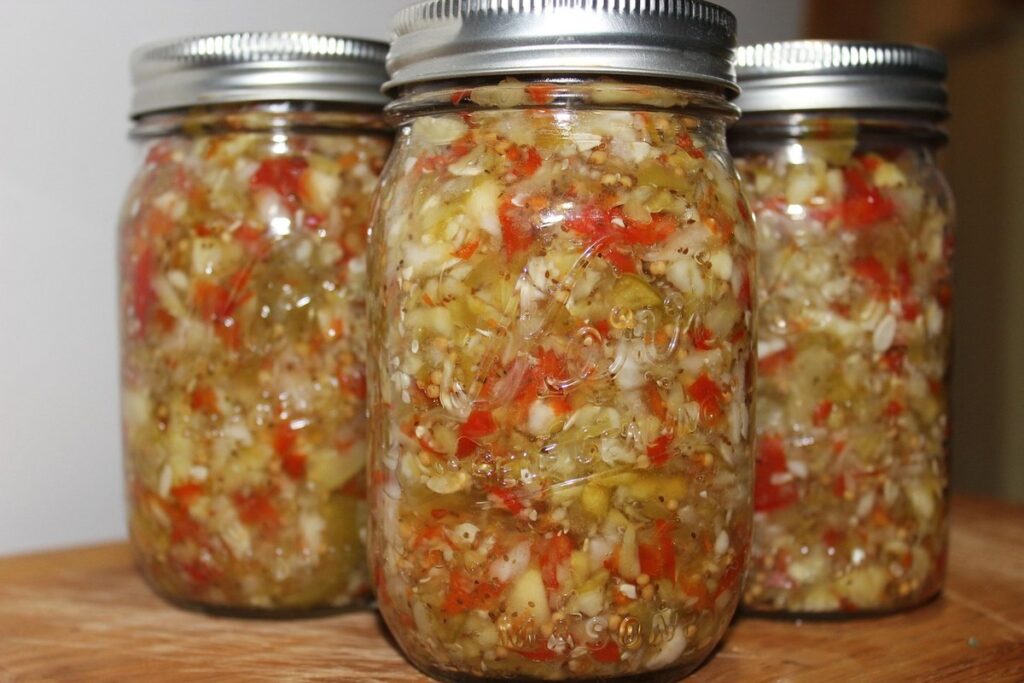
The Basics of Canning and Pickling
Before diving into the world of canning and pickling, it’s essential to understand the fundamental principles behind each method. This section will cover the basics of pressure canning, water bath canning, and quick pickling to get you started.
What is Canning?
Canning involves packing food into airtight containers, known as jars or cans, and heating them to create a vacuum seal that prevents spoilage. This method allows for long-term storage and preservation. The heating process is crucial, as it kills off any bacteria or other microorganisms that may be present in the food.
To create a vacuum seal, canning requires high temperatures, typically above 212°F (100°C), which is the boiling point of water at sea level. This ensures that any remaining oxygen inside the jar is removed, creating an environment inhospitable to bacterial growth.
The jars or cans are then sealed and allowed to cool, forming a tight bond between the food and the container. The resulting seal prevents new bacteria from entering the container, effectively preserving the food for long periods. Canning is often used for low-acid foods like meats, vegetables, and soups, which require heat to kill off any present bacteria.
It’s essential to follow safe canning practices to ensure that the vacuum seal is created correctly and that the food remains safe to eat. This includes using the right equipment, following tested recipes, and adhering to established guidelines for processing times and temperatures.
Understanding Pickling
Pickling is a preservation method that involves immersing food in an acidic solution. This liquid typically consists of water, salt, and sometimes sugar and vinegar. The acidity level created by these ingredients prevents the growth of bacteria and yeast, allowing pickled foods to remain safe for consumption.
The key component that distinguishes pickling from other preservation methods is its reliance on acidity. Unlike canning, which uses heat to kill off microorganisms, pickling relies on the acidity of the liquid to create an environment inhospitable to bacterial growth. This means that the pH level of the pickling solution is crucial in determining the effectiveness of the process.
In practice, a pickling liquid with a pH of 4.6 or lower will effectively inhibit microbial growth. Vinegar, which has a pH of around 2.4, is often used to create this acidic environment. By understanding how pickling works, you can experiment with different types of acidity and flavor profiles in your own pickling projects.
Key Differences Between Canning and Pickling
One of the biggest misconceptions between canning and pickling is the process itself, so let’s break down the key differences in preserving food using these two methods. From acidity levels to sterilization techniques, the distinction lies in the details.
Acidity Levels
When it comes to acidity levels, a crucial distinction exists between canning and pickling. Canned foods can be either high-acid or low-acid, depending on their pH level and the presence of acidic ingredients like tomatoes or citrus juice. High-acid canned goods require shorter processing times and lower temperatures due to their naturally occurring acidity, whereas low-acid foods need longer processing periods and higher temperatures to ensure safety.
Pickled foods, on the other hand, are always high in acidity thanks to the addition of vinegar or other acidic ingredients during the pickling process. This acidity level not only affects the flavor but also impacts the preservation method used for each food type. For instance, if you’re canning a low-acid food like green beans, you’ll need to add an acidifying agent like lemon juice or vinegar to bring its pH level up and ensure safe processing.
A common misconception is that all canned foods are high in acidity. However, this isn’t always the case, especially when it comes to low-acid fruits like peaches or pears. Understanding your food’s acidity level is essential for choosing the right preservation method, whether you’re canning or pickling.
Processing Time and Method
When it comes to preserving food, processing time is a critical factor to consider. Canning typically requires a longer processing time due to its more thorough sterilization process. This involves heating the sealed jars of food to a high temperature, usually around 212°F (100°C), for a set period to ensure all bacteria and other microorganisms are killed.
In contrast, pickling often involves a shorter processing time because acidic environments already inhibit bacterial growth. The acidity in pickling liquids helps preserve the food, making it possible to store pickled goods at room temperature or refrigerate them without extensive heat treatment.
The difference in processing time is largely due to the sterilization requirements of canning versus the preserving properties of pickling. Canned goods must be heated to a high enough temperature for an extended period to ensure complete sterility, whereas pickled foods rely on their acidic environment to prevent spoilage. This distinction highlights the unique characteristics of each preservation method and should inform your decision when choosing between canning and pickling.
Benefits of Each Preservation Method
Now that you know the basics of canning and pickling, let’s take a closer look at what each method has to offer in terms of preservation benefits.
Canning Benefits
Canned foods retain their nutritional value and texture for an extended period when stored properly. This is due to the airtight seal created by the canning process, which prevents spoilage and maintains the food’s integrity. In contrast to other preservation methods, canning allows you to preserve large quantities of food at once, making it ideal for batch cooking or storing excess produce.
When done correctly, canned foods can last for years without significant degradation. This is particularly useful for preserving seasonal ingredients that are only available in limited quantities. For example, canned tomatoes can be stored for up to two years and still retain their flavor and nutritional value.
The long shelf life of canned foods also means you can stock up on non-perishable items during sales or when produce is at its peak freshness. This can help reduce food waste and save money in the long run. Additionally, canned foods are easy to transport and store, making them a convenient option for backpacking or emergency preparedness kits.
Pickling Benefits
Pickling allows for the preservation of delicate or high-moisture foods that might not be suitable for canning. This is particularly useful for foods like watermelon rind, cucumbers, and okra, which would become mushy or unappetizing when subjected to heat in a canner.
The pickling liquid itself adds multiple benefits to the preserved food. Not only does it provide a burst of flavor, but it also introduces antioxidants that help preserve the nutrients found in the original food. For example, a simple brine made with vinegar and spices can help retain the vitamin C content in cucumbers, making them a healthy snack option.
In addition to preserving delicate foods, pickling allows for a higher degree of flexibility when it comes to flavor profiles. Unlike canned goods, which are often limited by their acidic levels, pickled foods can be customized with a wide range of seasonings and spices. This means that you can create unique flavor combinations tailored to your taste preferences.
Overall, the benefits of pickling make it an attractive option for home cooks and preservation enthusiasts looking to add variety to their pantry.
Choosing Between Canning and Pickling
Now that you’ve learned the basics of canning and pickling, it’s time to decide which method is best for your favorite recipes. We’ll break down the key differences to help you choose between these two preservation methods.
Factors to Consider
When deciding between canning and pickling, several key factors come into play. First and foremost, consider the type of food you’re preserving. Acidic foods like tomatoes, citrus, and sauerkraut are typically better suited for pickling, as they require a shorter processing time and lower heat to prevent overcooking. In contrast, low-acid foods such as meats, poultry, and vegetables can be safely canned using a boiling water bath or pressure canner.
Acidity level is also crucial in this decision-making process. If you’re working with an acidic food that’s too low in acidity – usually below 4.6 pH – pickling may not be the best option. On the other hand, if your food has a high acidity level, you might be able to get away with shorter processing times and lower temperatures.
In terms of storage time, canning is often preferred for long-term preservation (up to 12 months or more). Pickling, on the other hand, typically involves storing foods in a refrigerator for several weeks or months. Think about your personal preferences regarding texture, taste, and nutritional value when choosing between these two methods.
Food Types Suitable for Each Method
For canning, foods with high water content or low acidity levels are best suited due to their ability to withstand heat processing. Meats, especially those rich in protein like beef and pork, typically fall into this category. Vegetables like green beans, carrots, and peas also thrive under canning conditions. These foods require a pressure canner to ensure they reach the necessary temperatures for safe preservation.
Pickling, on the other hand, is ideal for foods that can benefit from an acidic environment. Cucumbers, being naturally low in acidity, are commonly pickled using a brine solution. Other vegetables like beets, cauliflower, and Brussels sprouts also respond well to acidic conditions. When choosing between canning and pickling, consider the food’s inherent characteristics and how it will interact with each preservation method.
Some foods, like citrus fruits and tomatoes, have a naturally high acidity level that makes them suitable for either canning or pickling. However, these foods often require special attention to ensure they meet specific guidelines for safe processing.
Safety Considerations When Canning and Pickling
When working with acidic foods, it’s crucial to follow proper safety protocols to avoid spoilage, contamination, and foodborne illnesses while canning and pickling.
Proper techniques for sterilizing equipment, monitoring acidity levels, and handling pressure canners will be covered in this section.
Common Mistakes to Avoid
When canning, one of the most critical mistakes to avoid is not following a tested recipe or canning procedure. Using an untested method can lead to spoilage and foodborne illnesses. For instance, if you’re new to canning, don’t attempt to can low-acid foods without proper equipment and knowledge.
Similarly, when pickling, it’s essential to pay attention to acidity levels. If the pickling liquid isn’t acidic enough, bacteria can multiply, causing contamination. Typically, a 5% vinegar solution is recommended for most pickling applications. However, some recipes might call for a lower acidity level, so always check the recipe and follow it carefully.
Processing time is another critical factor to consider when pickling. Overprocessing can lead to mushy or unappetizing food, while underprocessing may leave bacteria alive. To avoid these issues, stick to tested processing times and temperatures. A general rule of thumb is to process pickled foods in a boiling water bath for 10-20 minutes.
Inadequate sterilization of equipment and jars can also lead to contamination risks. Always follow the manufacturer’s guidelines for cleaning and sterilizing your equipment, and use new lids and bands each time you can or pickle.
Essential Equipment for Safe Preservation
Investing in proper equipment is crucial for safe canning and pickling. For canning, a pressure canner is essential to ensure that low-acid foods are heated to a high enough temperature to kill off bacteria and other microorganisms. This specialized equipment should be used specifically for canning, as it allows for precise control over heat and pressure.
When it comes to pickling, the focus shifts from large-scale equipment to attention to detail in your workspace and utensils. A clean, dedicated workspace is vital for preventing contamination of pickled foods. Wash all surfaces and equipment thoroughly before use, and ensure that any tools used for handling food are sanitized regularly.
In addition to a pressure canner, other essential canning equipment includes a jar lifter, lid lifter, and a set of clean, sterilized jars and lids. For pickling, you’ll need a sharp knife or mandoline for slicing vegetables, as well as a clean container with a tight-fitting lid for storing the pickled foods.
A good-quality canner should have a gauge that indicates when the correct pressure has been reached, and it’s essential to follow manufacturer instructions for maintenance and usage.
Advanced Techniques for Canning and Pickling
Now that you’ve mastered the basics of canning and pickling, it’s time to take your skills to the next level by learning advanced techniques for preserving fruits and vegetables. This section will walk you through expert methods for achieving perfect textures and flavors.
Specialized Methods for Low-Acid Foods
When working with low-acid foods like meats and poultry, it’s essential to use specialized canning techniques to ensure safe preservation. One common method is adding acidity regulators like lemon juice or vinegar to increase the acidity levels of the food. This helps to create an environment that inhibits the growth of Clostridium botulinum, a bacterium that can cause botulism.
For example, if you’re canning chicken or beef, you may need to add 1-2 tablespoons of lemon juice or vinegar per quart of liquid to achieve the required acidity level. The type and amount of acidity regulator used will depend on the specific recipe and food being preserved. It’s also crucial to follow tested recipes and guidelines from reputable sources, such as the USDA’s Complete Guide to Home Canning.
A common misconception is that adding more acidity regulators will always result in better preservation. However, excessive use can lead to an over-acidic environment, affecting the flavor and texture of the food. To strike a balance, it’s best to start with small increments and adjust as needed, monitoring the acidity levels and ensuring they remain within safe limits. This approach ensures that your low-acid foods are preserved safely without compromising their quality or flavor.
Creating Custom Pickling Liquids
To create custom pickling liquids, you need to experiment with unique combinations of spices and acidic ingredients. This involves trying out different flavor profiles, such as adding a pinch of cumin to give your pickles a smoky taste or incorporating citrus juice for a tangy twist. You can also adjust the sweetness level by adding honey or maple syrup.
When creating custom pickling liquids, it’s essential to consider the acidity level. Most traditional pickling recipes use vinegar or lemon juice as the primary acidic ingredient. However, you can experiment with other options like apple cider vinegar or citrus juice for a milder flavor. Be cautious not to overdo it, as excessive acidity can be overpowering.
Some popular spice combinations include Indian-style pickles with mustard seeds and cumin, Korean kimchi-inspired pickling liquids with gochugaru (Korean chili flakes) and garlic, and Mediterranean-style pickles with oregano and thyme. You can also try adding a pinch of red pepper flakes for an extra kick or some chopped fresh herbs like parsley or dill for added freshness.
When selecting spices and ingredients, keep in mind their flavor intensity and potential interactions with other ingredients. A little experimentation will help you develop your own signature pickling liquid recipes that elevate the taste and nutritional value of your preserved food.
Frequently Asked Questions
Can I use a combination of canning and pickling for the same food?
Yes, you can combine both methods to create unique preservation techniques. For example, you could pickle vegetables first and then can them in a water bath or pressure canner. This approach allows for the benefits of both methods, such as added flavor from pickling and long-term storage through canning.
What if I’m short on time – which method is faster?
Pickling is generally a quicker preservation method than canning, especially when it comes to processing times. However, proper acidity levels and handling during pickling are crucial to prevent contamination risks. If you’re in a hurry, consider using pre-made pickling liquids or investing in equipment that streamlines the pickling process.
Can I use any type of jar for canning, or do I need special ones?
While it’s true that some jars are more suitable for canning than others, not all special-purpose canning jars are created equal. When choosing a canning jar, look for ones specifically designed with safety features like wide mouth openings and self-sealing lids to ensure safe and proper sterilization.
What about low-acid foods – can I still use pickling as a preservation method?
Pickling is not the best choice for low-acid foods, such as meats or poultry. These types of food require specialized canning techniques to ensure safe preservation without compromising flavor. If you’re new to preserving low-acid foods, start by researching canning methods specifically designed for these items.
How do I know when my pickled food has reached the right level of acidity?
The ideal acidity level will depend on your specific recipe and the type of food being preserved. Generally speaking, a good rule of thumb is to aim for an acidic environment that’s at least 4.6 pH or lower (more acidic than lemon juice). Use pH test strips or consult with a trusted preserving resource for more precise guidance tailored to your unique situation.

