
Starting your first clay modeling project can be intimidating, especially when you’re not sure where to begin. You might find yourself staring at a lump of clay, wondering how to turn it into something beautiful and functional. Successful clay modeling projects require more than just creativity – they also demand the right tools, techniques, and troubleshooting methods. With so many different types of clay and potential pitfalls, it’s easy to get discouraged when things don’t go as planned. But with practice and patience, you can develop your skills and create stunning pieces that showcase your unique style. In this comprehensive beginners guide, we’ll cover the essential tools and techniques you need to know, from choosing the right clay to troubleshooting common problems, so you can achieve successful results on your first try and beyond.
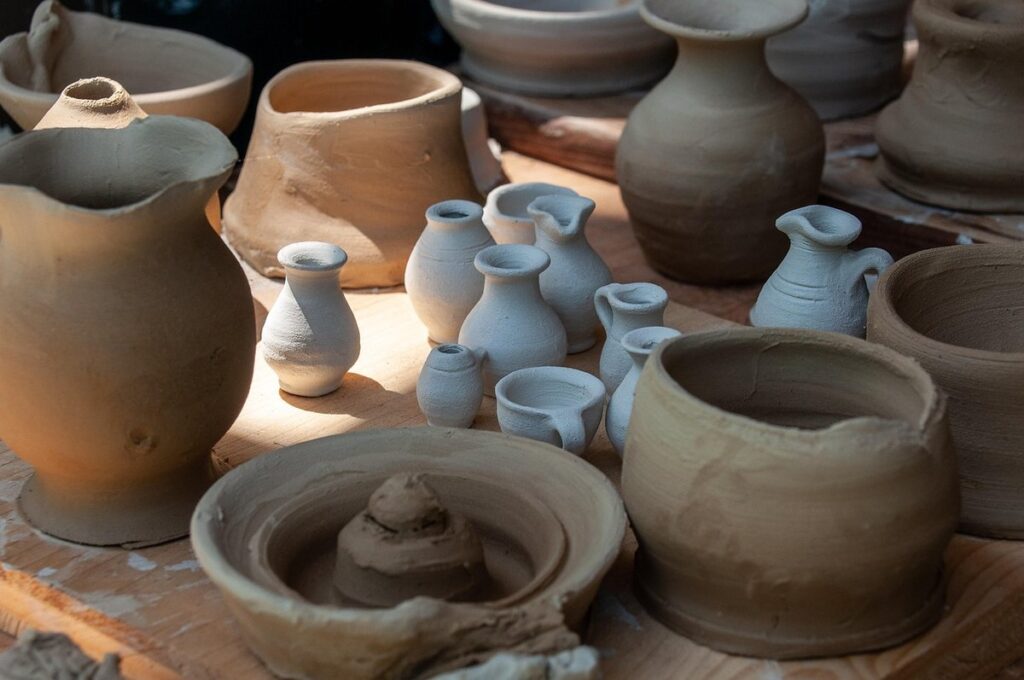
Getting Started with Clay Modeling
To begin working with clay, you’ll need to set up a comfortable workspace and gather essential tools and materials, including a variety of clay types. This is where your creative journey begins!
Choosing the Right Tools and Materials
When starting out with clay modeling, it’s essential to choose the right tools and materials to ensure a smooth and enjoyable experience. The type of clay you select will greatly impact your project’s success, so let’s begin with that. Air-dry clays, like paper clay or polymer clay, are ideal for beginners as they’re easy to work with and require minimal equipment. Polymer clay, in particular, is versatile and can be baked in a home oven.
For hand-building projects, you’ll need basic tools such as wire cutters, loop tools, and modeling sticks. These tools will help you shape and refine your clay forms without causing damage or creating uneven surfaces. A dedicated workspace with a smooth surface and good ventilation is also crucial for clay modeling. Consider investing in a ceramic tile or a wooden worktable to prevent the clay from sticking.
Some essential materials to have on hand include wire, string, and small objects like beads or buttons for texture creation. A damp cloth can help you blend colors or clean your tools between projects. Keep in mind that it’s not necessary to invest in an extensive toolset right away; start with the basics and gradually add more items as you become more comfortable with the medium.
Understanding Clay Types and Properties
There are several types of clay commonly used in modeling, each with its unique properties and characteristics. Earthenware clay is a popular choice for beginners due to its ease of use and forgiving nature. It’s often used for hand-building and throwing on the potter’s wheel, but can also be prone to warping if not dried slowly.
Stoneware clay is stronger and more durable than earthenware, making it ideal for functional pieces like cups and bowls. However, it’s more challenging to work with due to its higher firing temperature requirements. Porcelain clay is translucent and fine-grained, but requires precise control over moisture content and temperature to avoid cracking.
To select the right type of clay for your project, consider the piece’s intended use, size, and complexity. If you’re new to clay modeling, earthenware or stoneware may be a better starting point. Keep in mind that different clays have varying levels of plasticity, which affects their malleability and workability.
When choosing a clay body, look for the following characteristics: moisture content, particle size distribution, and firing range. A well-balanced clay will have good strength, durability, and aesthetic appeal.
Basic Clay Modeling Techniques
Now that you’ve learned how to prepare and condition clay, it’s time to master some fundamental techniques for shaping and manipulating the material into your desired form.
Hand-Building Basics
Hand-building techniques offer a unique and expressive way to shape clay into desired forms. At its core, hand-building involves manipulating clay with your hands rather than using tools. The three primary hand-building methods are pinching, coiling, and slapping.
Pinching involves using thumb and index finger pressure to create small, delicate shapes. This technique is ideal for creating intricate details or small, uniform pieces. When pinching, it’s essential to maintain even pressure and gradually build up the desired form. Experiment with different pressures and speeds to achieve the desired effect.
Coiling, on the other hand, involves rolling out clay ropes that are then wrapped around a central core. This technique is commonly used for creating symmetrical forms like bowls or vases. To begin coiling, start by rolling small balls of clay into uniform ropes. Gradually build up your form by adding layers of coils, maintaining even tension and spacing.
Slapping involves rapidly slapping the clay to create a more dynamic shape. This technique is often used for creating abstract forms or expressive sculptures. When slapping, focus on using the weight of your body rather than just your arms to generate force. Practice controlling the slap’s speed and impact to achieve the desired texture and pattern.
Shaping and Refining Forms
To shape and refine forms effectively, focus on using basic tools like wooden modeling tools, metal ribbing tools, and fingers. These tools allow for smooth transitions between shapes and prevent over-working the clay, which can lead to cracking or breaking.
Start by using a gentle touch with your fingers to shape large areas of the form. This helps establish the overall proportions and prevents excessive pressure that might cause unevenness. Then, switch to a wooden modeling tool to refine details, smoothing out curves and edges.
When working with metal ribbing tools, use them in conjunction with a firm, but not excessive, touch to create sharp lines and define shapes. Remember that these tools are meant for fine-tuning, so apply gentle pressure to avoid scratching the clay’s surface.
A small, rounded wooden modeling tool is ideal for creating smooth transitions between curved areas. Hold it at an angle to the form and use a pushing motion to blend curves into one another. This technique helps create seamless joins between different parts of the model.
Creating Texture and Pattern
Adding texture and pattern to your clay models can elevate them from simple shapes to visually striking pieces. You can achieve texture through various techniques, including stamping, impressed patterns, and surface treatments like scratching or carving.
For beginners, starting with basic tools is essential. A set of household items like forks, combs, and credit cards can serve as makeshift texturing tools until you invest in more specialized equipment. Experiment with different materials for added texture – think paper towels, mesh screens, or even found objects like leaves or fabric scraps.
When creating patterns, consider the clay’s natural properties. For example, terracotta clay tends to hold its shape well and can be used for intricate designs, while stoneware clay is more forgiving for beginners. Use a small brush or skewer to apply slip (liquid clay) for subtle shading or pattern work. You can also achieve visual interest by layering different colors or textures on top of one another.
Some basic techniques to keep in mind include:
- Stamping: Pressing texture stamps into the clay surface
- Impressed patterns: Using found objects to create unique impressions
- Surface treatments: Carving, scratching, or burning designs into the clay
Intermediate Techniques for Advanced Projects
As you become more confident in your clay modeling skills, it’s time to move on to more complex techniques that will take your projects to the next level. We’ll cover expert methods for creating intricate details and textures.
Slip Casting and Molding
Slip casting and molding are intermediate techniques used to create complex forms with a high level of detail and precision. These methods involve using liquid clay, known as slip, which is poured into a mold or cast to take on its shape.
To get started with slip casting and molding, you’ll need several pieces of specialized equipment, including a potter’s wheel, a vacuum pump, and a variety of molds in different shapes and sizes. You can purchase these tools separately or invest in a comprehensive kit designed specifically for slip casting and molding.
The process begins by preparing the mold, which is typically made from plaster, stone, or metal. The mold is then applied with a release agent to prevent the cast piece from sticking. Next, you’ll mix the slip to achieve the right consistency, usually by adding water to thin it out. With the potter’s wheel spinning at a moderate speed, slowly pour the slip into the mold, allowing it to fill and take on its shape.
A key aspect of successful slip casting and molding is achieving the right balance between liquid clay and mold size. If the slip is too thick, it won’t flow properly; if it’s too thin, it may not hold its shape.
Slip Trailing and Stenciling
When working on advanced clay projects, slip trailing and stenciling are essential techniques for creating intricate designs. Slip trailing involves pouring a mixture of water and liquid clay, known as slip, through a narrow tube or piping system to create fine lines and details. This technique requires some practice to master the flow and consistency of the slip.
To get started with slip trailing, you’ll need a piping bag or a squeeze bottle with a small nozzle attachment. Experiment with different tip sizes and shapes to achieve varying line widths. For example, a smaller tip is ideal for creating delicate patterns, while a larger one can produce thicker lines and more textured effects.
Stenciling involves applying a thin layer of slip through a stencil design, often using a brush or a sponge to spread the liquid clay evenly. This technique allows you to achieve crisp, sharp edges and intricate designs with ease. To ensure successful stenciling, choose a stencil with a smooth surface and use a soft-bristled brush to gently apply the slip, working from the center of the design outwards.
To combine these techniques effectively, try applying a thin layer of slip using a stencil first, then adding fine details with a piping bag or squeeze bottle.
Creating Complex Forms with Armatures
When working on large or heavy clay models, it’s essential to create complex forms with armatures for support. An armature is a wire skeleton that provides internal structure and helps maintain the shape of the model as it dries.
You can use metal or plastic armature wires in various gauges, depending on the size and weight of your project. For example, a medium-weight armature is suitable for models up to 6 inches tall, while heavy-duty wires are required for larger pieces.
To create complex forms with armatures, start by sketching out your design and planning where you’ll place the armature wires. You can then use wire cutters and pliers to shape the armature into the desired form. Secure the armature within the clay using a combination of slip (a liquid clay mixture) and gentle pressure.
Some key considerations when working with armatures include avoiding visible wire lines, ensuring the armature is securely embedded in the clay, and allowing sufficient drying time for the model to set properly. By incorporating an armature into your complex form, you can achieve greater stability and control over the final shape of your piece.
Troubleshooting Common Issues
Even seasoned clay modelers encounter problems, and we’ll address some of the most common issues you might face when working with clay. From cracking to warping, let’s troubleshoot these pesky problems together.
Dealing with Cracks and Breaks
When working with clay, it’s common for cracks and breaks to occur due to drying out, uneven shrinkage, or physical stress. To minimize damage and effectively repair these issues, consider the following strategies.
Firstly, prevention is key. When building a piece, keep an eye on your clay’s moisture levels and work in a controlled environment with minimal temperature fluctuations. This will help prevent cracks from forming in the first place.
If you do encounter a crack or break, don’t panic. Gently clean the area around the damage to remove any debris or residue that may be hindering the repair process. For small cracks, apply a thin layer of slip (liquid clay) to the affected area and smooth it out with your fingers or a tool. For more severe breaks, you can use a combination of slip and a reinforcing material like paper pulp or fiber mesh to rebuild the damaged section.
To minimize warping and shrinkage, make sure to dry your piece slowly and evenly. This can be achieved by covering it with a damp cloth or using a controlled drying environment. By taking these precautions, you’ll be better equipped to handle potential issues and create beautiful, durable clay models.
Resolving Warping and Shrinkage
Warping and shrinkage are common issues that can occur when working with clay. Understanding their causes is key to preventing them. Warping happens when the clay dries unevenly, causing it to twist or bend out of shape. This can be due to factors such as temperature changes, moisture levels, or using a clay type that’s prone to warping.
To prevent warping, you can work in a consistent environment with minimal temperature fluctuations. If you’re working on a large piece, consider dividing it into smaller sections and allowing each one to dry individually before moving on to the next. You can also use a drying rack or a fan to speed up the drying process while maintaining even airflow.
Shrinkage occurs when the clay loses moisture as it dries, causing it to shrink in size. This is more common with air-dry clays than with fired clays. To minimize shrinkage, use a clay type that’s designed for the specific project you’re working on. For example, if you’re making a small decorative item, an air-dry clay may be sufficient. However, if you’re creating a larger piece or one that will be subject to heavy wear and tear, consider using a fired clay.
To correct warping or shrinkage, gently re-shape the affected area while it’s still pliable. If the issue is severe, you may need to start over with new clay.
Managing Clay Color and Texture
When working with multiple clays or materials, managing color and texture can be challenging. One common issue is dealing with inconsistent coloration. This might occur when combining clays of different brands or types, as they may have varying levels of pigment. To minimize this problem, it’s essential to choose clays from the same manufacturer whenever possible.
Another consideration is texture. Different materials can produce distinct textures, even if they’re from the same brand. For example, a smooth clay might be paired with a more textured one, creating an uneven surface. In such cases, you can either blend the two clays together or apply a uniform texture to both elements using a technique like slip trailing.
To ensure a cohesive appearance when working with multiple materials, it’s crucial to consider their color and texture compatibility before combining them. You can also experiment with different blending ratios and techniques to achieve the desired effect. By being mindful of these factors, you can create visually appealing pieces that showcase your creativity while minimizing potential drawbacks. To get started, try pairing clays with similar undertones or textures to see how they interact.
Advanced Techniques and Applications
Now that you’ve mastered the basics, it’s time to elevate your skills and learn advanced techniques for creating intricate designs and unique textures. From layering to sculpting, we’ll explore new methods to take your clay modeling to the next level.
Creating Intricate Designs with Stamps and Molds
When working with stamps and molds to create intricate designs, it’s essential to understand their unique characteristics. Stamps typically have a raised surface, while molds are recessed, which affects how they interact with clay. For example, a stamp might leave a textured impression on the clay’s surface, while a mold can create more complex, three-dimensional patterns.
To achieve detailed results, choose stamps and molds made from durable materials like metal or high-quality plastic. This will help prevent them from deforming under pressure. When applying stamps and molds, use gentle but firm pressure to avoid pushing excess clay into unwanted areas.
Consider the clay type you’re working with – some may be more suitable for intricate designs than others. For instance, polymer clay can be easily molded and shaped, while earthenware clay might require additional support due to its coarser texture. Experiment with different combinations of stamps and molds to create unique patterns, or try layering multiple impressions for added depth.
Remember to clean your stamps and molds regularly to prevent residue buildup from affecting future designs. This simple maintenance step can make a significant difference in the overall quality of your work.
Working with Colored Clays and Glazes
When working with colored clays and glazes, you can add a wide range of hues to enhance visual interest. Colored clays come in various forms, including powders, blocks, and liquid mixtures, which can be blended together for custom colors.
To integrate colored clay into your project, consider the following steps:
- Choose a color that complements or contrasts with the underlying clay body
- Mix small amounts of colored clay into the main clay mass to create subtle variations in tone
- Apply colored clays as a surface decoration using various techniques like texture, stamping, or modeling
Glazes offer another way to achieve vibrant colors. These glass-like coatings can be applied after the piece is fired and can add a glossy finish. To work with glazes effectively:
- Select glaze types suitable for your specific clay body
- Follow the recommended application instructions and firing schedules
- Experiment with layering different glazes for unique color combinations
When using colored clays or glazes, keep in mind that they may affect the overall texture and durability of your piece. Consider these factors when selecting colors and techniques to ensure your final product meets your desired aesthetic and functional requirements.
Pushing Boundaries with Experimental Techniques
Experimenting with new materials and techniques can breathe fresh life into even the most familiar clay modeling projects. One way to push boundaries is by incorporating unexpected textures and patterns into your work. For instance, try mixing polymer clays or resins with traditional ceramics for a unique blend of properties. You might also explore using found objects like leaves, branches, or fabric scraps as stamps or molds.
Another area to experiment in is color. While traditional glazing techniques can produce stunning results, consider pushing the boundaries by applying colored slips, oxides, or even natural pigments like coffee or turmeric directly to your clay forms. Keep in mind that these unconventional methods may require some trial and error to achieve the desired effect.
To take experimentation to the next level, try collaborating with other artists or mediums – for example, combining ceramics with photography, painting, or printmaking. This can lead to innovative fusion pieces that showcase the versatility of clay modeling.
Frequently Asked Questions
Can I use household items to create clay modeling tools?
Yes, many artists successfully repurpose household items like old wooden spoons or even credit cards as makeshift modeling tools. However, be aware that these materials may not be as durable as dedicated modeling tools and might require more frequent replacement.
How do I prevent warping and shrinkage in my clay models when using a home oven for drying?
To minimize warping and shrinkage, make sure to dry your clay models slowly and evenly by placing them on a heat-resistant surface away from drafts. It’s also crucial to monitor the temperature and keep an eye out for signs of warpage or shrinkage.
What if I accidentally drop my clay model – can it be repaired?
Yes, most clay models can be repaired with some patience and basic tools. Start by cleaning up any debris, then reassemble the broken pieces using slip or a small amount of water as adhesive. Allow the repair to dry slowly before handling or firing.
Can I mix different types of clay together for unique textures and colors?
While it’s technically possible to combine different clays, doing so can lead to unpredictable results due to varying properties like shrinkage rates and color stability. For best results, stick with a single type of clay for a project unless you have extensive experience working with mixed media.
How do I know when my clay model is ready for glazing or firing?
Check your model’s dryness by gently poking the surface with a modeling tool – if it feels firm and doesn’t leave an indentation, it’s likely ready. Keep in mind that some clays may require specific drying times or techniques before they’re ready for glazing or firing.

