Making your own DIY cards can be a fun and creative way to personalize gifts for friends and family without breaking the bank. Not only is it budget-friendly, but it also allows you to add a unique touch that store-bought cards just can’t match. Whether you’re a seasoned crafter or a beginner, making DIY cards requires minimal investment in materials, but yields big rewards in terms of sentiment and expression. You’ll need some basic crafting supplies like paper, glue, scissors, and embellishments to get started. This guide will walk you through the essential techniques and design ideas for creating beautiful, handmade cards that reflect your personal style. By the end of this ultimate guide, you’ll be able to create a wide range of personalized cards on a budget and take your skills to the next level.
Getting Started with DIY Card Making
First, you’ll need to gather basic crafting supplies and familiarize yourself with some essential tools for making beautiful DIY cards from scratch. This section covers getting started with a beginner’s guide to card making basics.
Understanding the Basics of Card Making
To create a beautiful and functional card, you’ll need to understand the basics of card making. This starts with knowing what materials are essential for your project. Cardstock is the primary material used for making cards, as it provides a sturdy base that can hold various embellishments. You’ll also need patterned paper or other decorative papers to add visual interest and depth. Other basic materials include scissors, glue, and a craft mat or other protective surface.
When it comes to tools, you’ll want a good pair of sharp scissors specifically designed for cutting cardstock and other thin materials. A bone folder can be useful for creating crisp folds in your cards, while a paper trimmer will help you achieve straight edges. Finally, don’t forget a ruler or other measuring tool to ensure your card is the correct size.
Understanding card sizes and shapes is also crucial. Standard card sizes include 5 x 7 inches, A2 (4.375 x 5.75 inches), and A6 (4.375 x 6.375 inches). Familiarize yourself with these dimensions to create cards that fit standard envelopes.
Choosing the Right Materials for Your DIY Project
When it comes to creating unique and personalized DIY cards, the materials you choose play a significant role. Paper and cardstock are the most obvious choices, but they come in a wide range of textures, weights, colors, and finishes.
For added texture, consider using kraft paper or cardstock with a linen finish. These papers have a natural, earthy feel that can add depth to your designs. On the other hand, if you prefer smooth surfaces, opt for glossy or matte cardstock.
Weight is another crucial factor to consider. Thin papers like vellum and tissue paper are ideal for delicate designs, while thicker cards made from chipboard or cardstock can support more robust embellishments.
In terms of color, you can choose from a vast array of options, including metallic, glitter, and pastel hues. Finish options also abound, with choices ranging from soft-touch laminations to embossed textures.
When selecting materials, think about the overall aesthetic you want to achieve. Do you prefer rustic charm or sleek sophistication? Consider your design’s theme and occasion to choose materials that complement them.
Basic Card Making Techniques for Beginners
When working with paper, it’s essential to understand basic card making techniques for beginners. One fundamental skill is learning how to fold cards accurately. You can start by practicing simple folds like a square or rectangular fold. To create a square fold, place the card stock flat and fold one edge in towards the middle crease, then repeat on the other side. For a rectangular fold, simply fold one long edge over twice.
Another key technique is understanding how to layer paper elements effectively. This can be achieved by using a bone folder or similar tool to create crisp folds and sharp edges. Experiment with different folding techniques and layers to find what works best for you. Consider starting with simple designs that feature a single folded element, such as a rectangular insert or a small accordion-style fold.
Keep in mind that card making is an iterative process. Don’t be discouraged if your first attempts don’t turn out perfectly – the goal is to learn and improve over time. Practice regularly, and you’ll soon find yourself becoming more confident with basic techniques like folding and layering paper elements.
Designing Your DIY Cards: Inspiration and Ideas
For a truly unique card, you’ll want to infuse your design with personal touches and creative flair. Let’s explore some inspiring ideas to make your DIY cards stand out.
Card Making Themes and Occasions
When it comes to making DIY cards, having a clear idea of the occasion and theme can make all the difference. Birthdays, weddings, holidays, and get-well messages are just a few popular occasions that call for special cards.
For birthdays, you might consider using bright colors and playful designs, such as polka dots or stripes. Adding a personalized message or inside joke can make the card even more meaningful. For weddings, opt for elegant and sophisticated designs, perhaps incorporating flowers or lace patterns.
Holidays like Christmas, Halloween, and Easter offer endless opportunities to get creative with your DIY cards. Think about using seasonal colors, decorations, or themes to tie in with the occasion. Valentine’s Day is a great chance to showcase your love and appreciation through heartfelt messages and matching embellishments.
Consider using common card making themes as inspiration for your designs. For example, travel-themed cards can feature vintage maps, passport stamps, or iconic landmarks. Foodies might enjoy cards designed around their favorite dishes or cuisines. Whatever the occasion, remember that the most important thing is to have fun and be creative!
Creating Custom Card Designs with Digital Tools
With digital tools at your fingertips, creating custom card designs has never been easier. Design software like Adobe Illustrator and Canva offer a wide range of templates, fonts, and shapes to get you started. Online platforms such as Crello and PicMonkey provide a user-friendly interface for creating cards from scratch.
You can also use digital tools to customize pre-made templates or create entirely new designs from scratch. For instance, you can upload your own photos, add text overlays, and experiment with different colors and fonts. Digital tools also allow you to save and reuse designs, making it easy to create multiple versions of the same card.
When working with digital tools, it’s essential to consider the resolution and file format requirements for printing your cards. Most design software offers export options specifically designed for card printing. You can also use online platforms that offer direct integration with printing services, making it seamless to order high-quality prints.
To get started, choose a design tool that suits your skill level and style preferences. Experiment with different features and templates to create unique designs for your DIY cards.
Unique Card Making Techniques and Ideas
When creating unique card making techniques and ideas, one approach is to experiment with different textures by incorporating various materials into your design. For example, you can add a tactile element by using fabric scraps or lace, which can be adhered to the card base using a strong adhesive like glue or decoupage medium.
Another technique involves layering elements to create depth and visual interest. This can be achieved by stacking die-cut shapes, embossed designs, or even hand-painted images on top of each other. Consider using a foam tape or dimensional adhesive to add dimension without overpowering the rest of the design.
To take your card making to the next level, consider incorporating natural elements like leaves, twigs, or flowers into your design. These can be pressed between pages of a book or dried in a low-temperature oven to preserve them for later use. You can also use a heat embossing tool to add subtle texture and shine to your card.
When combining these unique techniques with traditional methods, the possibilities are endless. Don’t be afraid to experiment and push the boundaries of what’s possible with your DIY cards.
Tips and Tricks for Perfecting Your DIY Cards
To take your DIY card game to the next level, we’ll share our top tips on how to master techniques for precision cutting and elegant embellishments. From sharp folds to delicate details, it’s all here.
Troubleshooting Common Card Making Issues
When cutting out intricate designs or patterns, it’s common for scissors to slip and create uneven edges. To avoid this, use a craft knife with a sharp blade instead of scissors, especially when working with delicate or thin materials like paper or vellum.
If you’re experiencing difficulty getting your glue to dry evenly, try applying heat using a hair dryer on a low setting. This helps speed up the drying process and can prevent bubbles from forming.
Another issue that may arise is uneven folding or creasing. To achieve crisp folds, use a bone folder or similar tool to gently press down on the fold line, smoothing out any wrinkles or air pockets.
To prevent your card’s layers from shifting during assembly, consider using adhesive dots or mini glue pads instead of regular glue. These small amounts of adhesive provide a strong bond while minimizing bulk and allowing for more precise placement.
In some cases, your ink or pigment may not be adhering properly to the paper. Check that you’re using a suitable ink type for your specific paper stock, as some inks can be incompatible with certain materials.
Adding Embellishments and Finishing Touches
When adding embellishments and finishing touches to your DIY cards, it’s essential to balance creativity with restraint. Too many elements can overwhelm the design, while too few may make it look bare. Start by selecting a focal point – a large die-cut or a prominent image – and build around it.
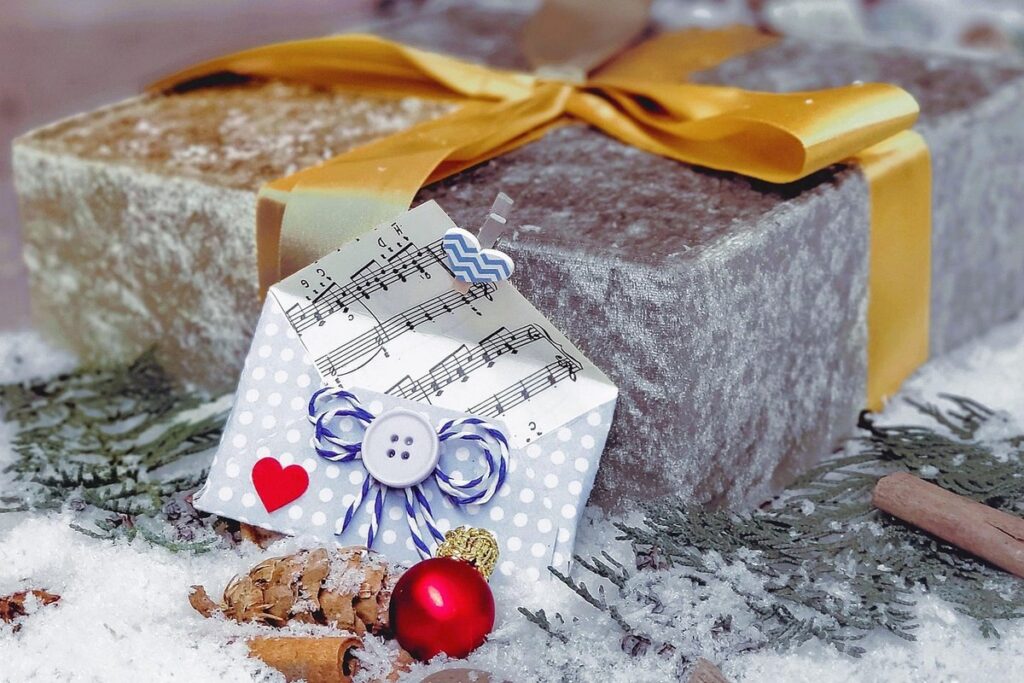
Consider adding a ribbon or twine bow in a complementary color to add texture and visual interest. You can also use buttons or small beads to create a playful, whimsical effect. When working with die-cuts, experiment with layering and dimensionality by cutting multiple shapes from different materials or using foam tape for added depth.
To tie your design together, choose one or two coordinating embellishments that complement the card’s overall aesthetic. For example, if you’re making a winter-themed card, a sprig of artificial holly or a snowflake die-cut can be paired with some blue-gray ribbon to create a cohesive look.
When it comes to finishing touches, don’t forget about the importance of negative space. Leaving some areas of the card blank can help the embellishments and design elements stand out, creating a more visually appealing overall effect.
Card Making on a Budget: Saving Money Without Sacrificing Quality
To make beautiful DIY cards without breaking the bank, it’s essential to be mindful of your material choices and expenses. One way to save money is by shopping during sales or using coupons for craft stores. Many online retailers also offer discounts on card making supplies, so keep an eye out for these promotions. You can also repurpose materials you already have at home, such as old cards, scrapbook paper, or fabric scraps.
When it comes to specific items, consider the following:
- Use a single sheet of patterned paper instead of buying individual sheets.
- Opt for cardstock over heavier weights like watercolor paper.
- Repurpose leftover embellishments from previous projects rather than buying new ones.
- Consider digital stamps and printables as an affordable alternative to physical stamps.
Another way to save money is by limiting the number of colors and patterns used in your design. This not only reduces material costs but also creates a more cohesive look. By being intentional with your choices and using what you already have, you can create stunning DIY cards without sacrificing quality or breaking the bank.
Advanced Techniques for Experienced DIY Card Makers
As a seasoned DIY card maker, you’re ready to take your skills to the next level and experiment with more complex techniques. This advanced guide shares expert tips on layering textures and creating intricate designs.
Introducing Advanced Materials and Techniques
To take your DIY card making skills to the next level, you’ll want to explore advanced materials and techniques. Watercolor effects can add a beautiful, delicate touch to your designs. To achieve this look, use watercolor paints or ink pads on specialty paper designed for water-based mediums. You can also experiment with layering transparent washes to create intricate patterns.
Die-cutting is another technique that can elevate your card making game. Invest in a die-cut machine and a set of high-quality dies to cut out custom shapes from paper, cardstock, or even fabric. This adds an extra layer of depth and visual interest to your designs.
Embossing is a third advanced technique worth exploring. You can use embossing folders or heat-activated foil to add intricate textures and metallic accents to your cards. Experiment with different folder designs and foils to find the perfect combination for your project. When working with these new techniques, remember to choose materials that are suitable for each method – for example, using embossing on cardstock can help create a more dramatic effect.
Mastering Complex Card Making Designs
Creating intricate designs is a hallmark of advanced card making. Let’s explore three complex techniques: 3D cards, pop-up cards, and interactive elements. Mastering these designs requires patience, practice, and attention to detail.
For 3D cards, focus on layering techniques. Use foam tape or dimensional adhesive to create depth without bulk. Experiment with different shapes and sizes to add visual interest. Consider using a die-cut machine for intricate cuts or manual cutting tools like scissors or craft knives.
Pop-up cards are another challenging yet rewarding design. You can use pre-made pop-up dies or create your own templates. Keep the design simple for first attempts, gradually increasing complexity as you gain experience. A well-designed pop-up card requires balance between elements and negative space.
Interactive elements elevate cards to a new level. Add flaps that reveal hidden messages, pull-out tabs with surprise contents, or even functional components like hinges or latches. Start by incorporating simple mechanics, then move on to more intricate mechanisms as you become more confident in your design skills.
Experimenting with Unconventional Materials
When you’re ready to take your DIY card making skills to the next level, it’s time to experiment with unconventional materials. This might mean repurposing items like vintage book pages, music sheets, or even old photographs as background textures for your cards. You can also try using non-traditional paper sources like newspaper clippings, fabric scraps, or even handmade paper.
To incorporate these unique materials into your designs, start by gathering a variety of sources and cutting them down to size. Consider layering different textures and patterns to create depth and interest on your card front. For example, you could pair a vintage book page with a piece of hand-stamped fabric for a one-of-a-kind look.
When working with unconventional materials, it’s essential to keep in mind their potential fragility and susceptibility to damage. This might require special handling or care when cutting, folding, or assembling your card. Don’t be afraid to experiment and try new combinations – the result may be a truly show-stopping DIY card that stands out from the crowd. Consider adding embellishments like ribbons, buttons, or washi tape to enhance the overall effect.
FAQ: Frequently Asked Questions About DIY Cards
We’ve received many questions from crafty card-makers, so let’s tackle some of the most common ones together to ensure your DIY card-making journey is smooth sailing.
What are the Benefits of Making Your Own DIY Cards?
Making your own DIY cards offers several benefits. One of the most significant advantages is cost savings. When you buy pre-made cards, they can be expensive, especially if you’re looking for unique or high-quality designs. By making your own cards, you can choose materials and embellishments that fit your budget, allowing you to create beautiful cards without breaking the bank.
Another benefit of DIY card making is personalization. With a store-bought card, you may find yourself stuck with generic messages or sentiments that don’t quite fit the occasion or recipient’s style. When you make your own cards, you can add personalized touches, such as photos, names, and inside jokes, to make them truly special.
DIY card making also allows for creative expression. You can experiment with different materials, colors, and techniques to create one-of-a-kind designs that reflect your personality or the recipient’s interests. This freedom to express yourself creatively makes DIY card making a fun and rewarding hobby.
What are Some Essential Tools for Card Making?
To get started with card making, you’ll need some essential tools and supplies. These can be found at most craft stores or online retailers. A good quality paper trimmer is a must-have for any card maker, allowing you to cut straight lines and precise edges.
A scoring tool or bone folder will also come in handy, helping you create crisp folds and creases in your cards. You’ll also need some basic adhesives, such as glue, tape runner, or dimensional adhesive dots. These allow you to secure layers and embellishments in place without damaging the card.
In addition to these basics, it’s a good idea to invest in some patterned paper or cardstock for added texture and visual interest. You can also choose from a range of colored pens or markers to add hand-drawn details to your cards. For more intricate designs, consider investing in a die-cutting machine or a craft knife.
When choosing materials, consider the type of project you’re working on. Do you need lightweight paper for a wedding card, or something sturdier for a birthday gift? Think about the colors and textures that will complement your design and make it visually appealing.
Can I Sell My DIY Cards Online or at Craft Fairs?
You can sell your DIY cards online through various marketplaces and platforms. Websites like Etsy, eBay, and Redbubble allow you to create a virtual storefront and showcase your handmade cards to potential customers. You can also use social media platforms like Instagram and Facebook to promote your products and connect with buyers.
When selling online, it’s essential to have high-quality product photos that showcase the details of your cards. Consider using good lighting, clear backgrounds, and close-up shots to make your products look attractive. Additionally, you’ll need to set competitive prices for your cards based on materials, time, and shipping costs.
Some popular platforms for selling handmade cards at craft fairs include local artisan markets, craft festivals, and community events. To prepare for these events, create a visually appealing display that showcases your best designs, and have business cards or flyers available with contact information and pricing details.
Before selling your DIY cards online or in-person, consider the following:
- Take clear photos of each card from multiple angles
- Set prices competitively based on materials and time
- Develop a brand identity and marketing strategy to promote your products
- Research local laws and regulations regarding handmade sales
Conclusion: Getting Started with Your DIY Card Making Journey
Now that you’ve mastered various techniques for making your own DIY cards, let’s get started on implementing what you’ve learned. Here are some practical tips to kick-start your creative journey.
Recap of Key Takeaways
To get started with your DIY card making journey, it’s essential to remember a few key takeaways. When choosing materials for your project, consider selecting high-quality paper and cardstock to ensure durability and longevity. Don’t be afraid to experiment with different colors and textures – a simple change can make all the difference in the overall design.
When designing custom card designs, use digital tools like graphic software or apps to create unique templates and layouts. For inspiration, consider common themes and occasions, such as birthdays, weddings, or holidays, but don’t be afraid to think outside the box and come up with your own creative ideas. Some essential techniques for beginners include folding, cutting, and layering – practice these skills to achieve professional-looking results.
When working on a budget, prioritize your spending by focusing on essential tools and materials. A few key items to invest in are scissors, a craft mat, and a paper trimmer. Consider repurposing household items or upcycling old cards to reduce waste and save money. By following these simple tips and being open to experimentation, you’ll be well on your way to creating beautiful DIY cards that showcase your creativity and personality.
Encouragement to Experiment and Get Creative
As you’ve learned the basics and explored various techniques, it’s time to let your creativity shine. Don’t be afraid to experiment with new ideas and try out unconventional materials – after all, that’s where the most unique and beautiful cards are born.
Start by setting aside dedicated time for creative exploration. This could be an hour a week or a full day every month, depending on your schedule. Having this time set aside will allow you to focus on trying new things without feeling rushed or constrained by deadlines.
To get started, consider the following: what themes or occasions do you enjoy making cards for? What colors or patterns are you drawn to? Experiment with different textures and materials – washi tape, fabric scraps, or even found objects like buttons or leaves can add a fascinating dimension to your designs.
Remember that mistakes are an essential part of the creative process. Don’t worry if your first attempts at using a new technique don’t turn out as expected – they often lead to unexpected and delightful results. Keep experimenting, taking notes on what works and what doesn’t, and soon you’ll find yourself developing a unique style that truly reflects your personality.
Frequently Asked Questions
Can I Use My DIY Cards for Commercial Purposes?
Yes, but make sure to check the copyright and usage rights of any digital designs or papers you use. Also, consider adding a clear disclaimer on your cards indicating they are handmade and not mass-produced.
How Do I Store and Organize My DIY Card Collection?
To store and organize your DIY card collection, use a sturdy storage box or album with acid-free pages to prevent damage over time. Label and categorize each card by occasion, theme, or color to make them easily accessible.
What If My DIY Cards Don’t Turn Out as Expected?
Don’t worry if your cards don’t turn out perfectly – it’s all part of the learning process! Analyze what went wrong and try again with a fresh approach. You can also experiment with different techniques to achieve unique effects.
Can I Use Regular Printer Ink on My DIY Cards?
Yes, regular printer ink is suitable for most DIY card making projects. However, keep in mind that it may not be as durable or water-resistant as specialty paper or cardstock designed specifically for crafting and art projects.
How Do I Know When to Stop Adding Embellishments and Finishing Touches?
Balance is key when adding embellishments and finishing touches to your DIY cards. Practice makes perfect – experiment with different combinations of elements to find the right balance between style, elegance, and personal expression.