
Plastic pollution has become one of the most pressing environmental issues of our time. You might be surprised to learn that every day, millions of tons of plastic waste are released into the environment, harming wildlife and contaminating ecosystems worldwide. From the Great Pacific Garbage Patch to the smallest coral reefs, plastic debris is everywhere, affecting not just animals but also human health and well-being. But what exactly makes plastic so bad for the environment? And more importantly, what can you do about it? This article will explore the hidden dangers of plastic pollution, its impact on wildlife, human health, and the environment, and provide practical tips to help reduce your own plastic footprint and adopt sustainable alternatives. By the end of this article, you’ll know exactly how to start making a positive change in your daily life.
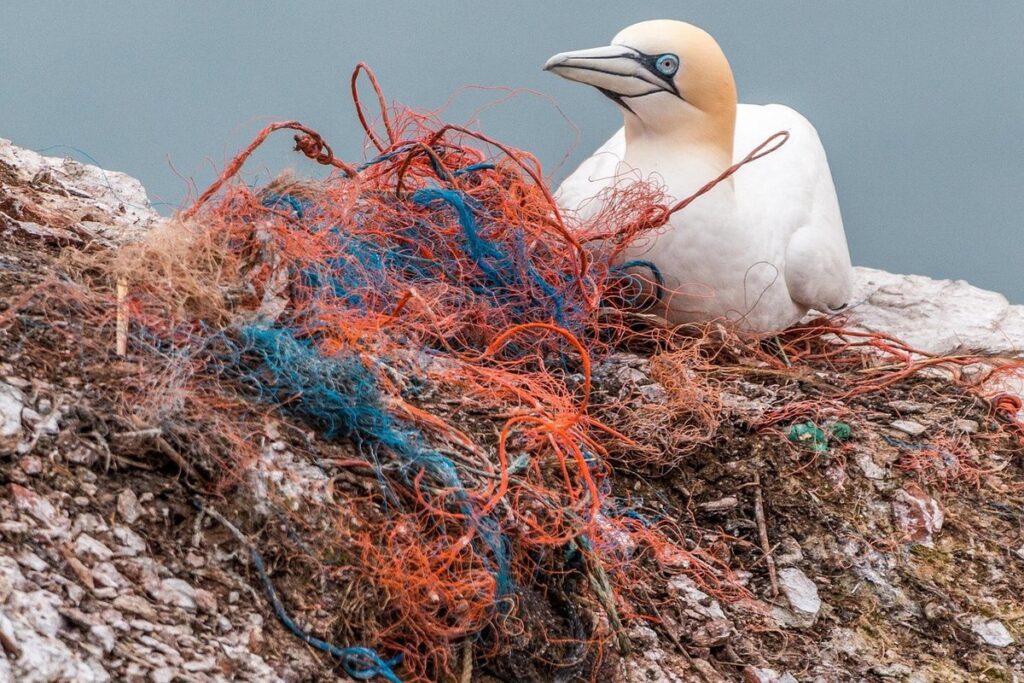
The Plastics Problem: An Overview
Plastic pollution affects not only our oceans but also land, contaminating food chains and ecosystems. This overview will break down the scope of plastic’s impact on the environment.
What is Plastic Pollution?
Plastic pollution occurs when plastic materials are released into the environment, contaminating ecosystems and posing a threat to wildlife. This can happen through various means, including littering, wastewater discharge, or the breakdown of larger plastic items like microbeads or microplastics. As plastic breaks down, it fragments into smaller pieces that can be ingested by animals or absorbed through their skin.
The impact of plastic pollution on the environment is significant. Plastic debris can clog waterways, smother marine life, and even enter the food chain. For instance, sea turtles may mistake microplastics for jellyfish and eat them, which can cause blockages in their digestive tracts. Similarly, small fish and other aquatic organisms may ingest plastic particles, leading to physical harm or even death.
To put this into perspective, it’s estimated that over 8 million tons of plastic waste enter the world’s oceans each year. This not only harms marine life but also has long-term effects on the ecosystem as a whole. Understanding the concept of plastic pollution is crucial for addressing the environmental consequences of human activities and developing effective solutions to mitigate its impact.
Sources of Plastic Pollution
Plastic pollution comes from a variety of sources, but some of the most significant contributors are single-use plastics. These items, including water bottles, straws, and cutlery, are used once and then discarded. They often end up in oceans and waterways, where they can be ingested by animals or break down into microplastics.
Microbeads, which are tiny plastic particles used in personal care products like face wash and toothpaste, also contribute to plastic pollution. When washed down the drain, these beads enter the water system and can harm aquatic life.
Plastic bags are another major source of pollution. They are often not recycled and can take hundreds of years to decompose. In fact, it’s estimated that a single plastic bag can take around 20-30 years to break down.
Human activities play a significant role in contributing to plastic pollution. For example, the production of single-use plastics requires large amounts of fossil fuels and energy, which contributes to greenhouse gas emissions and climate change.
The Impact on Wildlife
Plastic pollution has a devastating effect on wildlife, from entanglement and suffocation to ingestion and habitat destruction. We’ll examine how plastic waste impacts our planet’s precious creatures.
Entanglement and Suffocation
Entanglement with plastic debris is a common fate for many marine animals. Sea turtles, for instance, often mistake plastic bags for jellyfish and get entangled in them. This can cause serious injury, leading to suffocation or drowning. In some cases, the turtle may even try to free itself by eating the plastic bag, which can block its digestive tract.
Another example is the albatross, a large seabird that gets entangled in six-pack rings and fishing nets. When this happens, the bird’s wings become restricted, making it impossible for it to fly or feed properly. As a result, the bird may starve to death or succumb to exhaustion.
These examples illustrate the devastating consequences of plastic pollution on marine life. To mitigate this problem, individuals can make a difference by choosing biodegradable alternatives to single-use plastics and reducing their use of disposable products. By doing so, we can prevent unnecessary harm to animals and protect our planet’s delicate ecosystem.
Ingestion and Internal Damage
When animals ingest plastic debris, it can cause severe internal damage and toxic effects. Microplastics, which are small fragments of plastic less than 5 millimeters in size, are particularly hazardous because they can be easily ingested by small marine animals like plankton and fish larvae. As these microplastics move up the food chain, they can accumulate in larger animals, including humans who consume seafood.
The internal damage caused by ingesting plastic debris can include blockages of the digestive tract, inflammation, and even death. For example, a study on loggerhead sea turtles found that 80% of their carcasses contained plastic debris, which contributed to their deaths. In addition to physical harm, ingesting plastic can also expose animals to toxic chemicals like PCBs (polychlorinated biphenyls) and DDT (dichlorodiphenyltrichloroethane), which have been linked to various health problems.
To minimize the risks associated with plastic ingestion, it’s essential to reduce plastic waste in our oceans. This can be achieved by implementing effective waste management systems, recycling programs, and promoting the use of biodegradable materials. By taking these steps, we can help protect marine life and prevent the devastating effects of plastic pollution.
The Effects on Human Health
Exposure to plastic pollution has been linked to a range of health problems, including respiratory issues and cancer. Let’s take a closer look at the ways in which plastic affects human well-being.
Exposure to Toxic Chemicals
When microplastics are released into the environment, they can be ingested by humans through contaminated food and water. This is particularly concerning for people who consume large amounts of seafood, as plastics have been found in over 90% of all fish sampled worldwide. In addition to ingestion, people may also inhale microplastic particles, which can become airborne during storms or when plastic debris is disturbed.
Exposure to toxic chemicals from plastic pollution can lead to a range of health problems, including cancer and reproductive issues. The chemicals used in plastics production, such as BPA and phthalates, are known endocrine disruptors that can interfere with hormone regulation in the body. Some studies have linked exposure to these chemicals to an increased risk of breast cancer, prostate cancer, and birth defects.
To minimize exposure to toxic chemicals from plastic pollution, it’s essential to be mindful of food choices and water consumption. Filtering tap water or using a water filter pitcher can help reduce microplastic ingestion through drinking water. Avoiding seafood with high levels of contamination, such as farmed salmon and shrimp, is also crucial.
Impact on Children’s Health
Exposure to plastic pollution during pregnancy and early childhood development can have serious health consequences. Research has shown that exposure to certain chemicals found in plastics, such as BPA and phthalates, can affect fetal brain development and lead to behavioral problems later in life. These chemicals can pass through the placenta and into the bloodstream of the fetus, where they can interfere with normal development.
For example, studies have linked exposure to BPA during pregnancy to an increased risk of ADHD-like behaviors in children. Phthalates have also been linked to reproductive issues and birth defects. In addition to these effects, exposure to plastic pollution has also been shown to affect children’s immune systems, making them more susceptible to infections.
To reduce the risks associated with plastic pollution and childhood development, parents can take steps to minimize their family’s exposure. This includes avoiding plastics that contain BPA and phthalates, choosing glass or stainless steel containers for food and water, and opting for natural fibers over synthetic ones in clothing and textiles.
The Environmental Consequences
Plastic waste not only pollutes our oceans and landscapes, but it also has a devastating impact on local ecosystems and wildlife habitats. We’ll explore these environmental consequences in greater detail here.
Climate Change and Greenhouse Gases
Plastic production and disposal are significant contributors to greenhouse gas emissions. The extraction of fossil fuels used to produce plastic releases carbon dioxide (CO2) into the atmosphere, while the manufacturing process itself emits methane, a potent greenhouse gas. Additionally, the transportation and storage of raw materials and finished products further exacerbate emissions.
The majority of plastic waste is not biodegradable, but rather photodegrades, breaking down into microplastics that absorb CO2 as they decompose. This can lead to an increase in atmospheric carbon dioxide levels. According to some estimates, the production of new plastics alone accounts for around 3-4% of global greenhouse gas emissions.
To put this into perspective, if we continue to rely on traditional plastic production methods, it’s estimated that plastic could account for up to 10% of global emissions by 2050. This highlights the urgent need to transition towards more sustainable alternatives and reduce our reliance on fossil fuels. By incorporating recyclable materials and reducing plastic usage in manufacturing, companies can minimize their carbon footprint and contribute to a lower-carbon future.
Water Pollution and Ocean Dead Zones
Plastic pollution is a significant contributor to water pollution, contaminating rivers, lakes, and oceans with microplastics, chemicals, and other pollutants. These pollutants can enter the water supply through various channels, including agricultural runoff, sewage overflows, and industrial waste disposal. Once in the ocean, plastic debris harms marine life in several ways.
Ocean dead zones are areas where the oxygen levels are too low to support most forms of life. Plastic pollution exacerbates this issue by promoting algae growth, which consumes oxygen and reduces water quality. A notable example is the Gulf of Mexico’s “dead zone,” which has expanded significantly since the 1970s due in part to agricultural runoff containing high levels of nitrogen and phosphorus.
Plastic debris also harms marine life through entanglement, suffocation, and ingestion. Microplastics are consumed by small fish, which can lead to internal damage and even death. In addition, microplastics can be transferred up the food chain, contaminating human food sources. To mitigate this issue, individuals can adopt sustainable agricultural practices, reduce their use of plastic packaging, and support policies that prioritize water conservation and pollution prevention.
The Economic Costs of Plastic Pollution
The true extent of plastic pollution’s economic toll is staggering, from cleanup costs to lost revenue opportunities that could have been generated by a healthier environment. We’ll break down these numbers for you next.
Cleanup Efforts and Environmental Restoration
Cleaning up plastic pollution and restoring damaged ecosystems comes at a significant financial cost. The United States Environmental Protection Agency (EPA) estimates that removing microplastics from waterways can be as expensive as $1,000 to $3,000 per ton of plastic removed. In 2020, the National Oceanic and Atmospheric Administration (NOAA) reported that cleaning up just one pound of marine debris costs around $100.
The cost of restoration efforts is also substantial. For example, after the 2010 Deepwater Horizon oil spill in the Gulf of Mexico, restoration projects aimed at revitalizing damaged habitats and ecosystems totaled over $1 billion. Similarly, a study on the impacts of plastic pollution on coral reefs estimated that restoring just one square mile of reef could cost upwards of $500,000.
The financial burden of cleanup efforts can be mitigated by implementing effective waste management strategies and reducing plastic use in the first place. For instance, some companies are exploring the use of advanced technologies to break down plastics into reusable materials, which could potentially reduce cleanup costs.
Loss of Biodiversity and Ecosystem Services
Plastic pollution is a major driver of biodiversity loss and ecosystem disruption. When plastic debris enters an ecosystem, it can outcompete native species for resources and habitat, leading to population declines and even extinctions. For example, the entanglement of marine life in plastic debris has been linked to declining sea turtle populations.
Ecosystem services, such as pollination, pest control, and nutrient cycling, are also disrupted by plastic pollution. A study found that plastic debris can alter soil chemistry, reducing plant growth and affecting microbial communities. Similarly, plastic particles have been shown to accumulate in freshwater ecosystems, where they can be ingested by zooplankton and other small organisms.
The loss of biodiversity and ecosystem disruption has significant economic implications. According to the Intergovernmental Science-Policy Platform on Biodiversity and Ecosystem Services (IPBES), the global value of ecosystem services is approximately $125 trillion per year, which is roughly 1.5 times the size of the global economy. The loss of these services due to plastic pollution could have devastating economic consequences for ecosystems and human societies alike.
To mitigate this impact, individuals can support efforts to reduce plastic use and promote sustainable practices in their communities.
Alternatives to Single-Use Plastics
Now that we’ve explored the harm caused by single-use plastics, let’s explore some effective alternatives you can start using today. From reusable bags to bamboo toothbrushes, there are many eco-friendly options available.
Biodegradable Materials and Compostable Options
When it comes to reducing plastic waste, biodegradable materials and compostable options are often touted as a viable solution. However, not all bioplastics are created equal. Look for certifications like Compostable or Biodegradable Products Institute (BPI) that ensure the material will break down in a controlled composting environment.
One example of a successful implementation is edible cutlery made from plant-based materials. These alternatives have been adopted by several countries and companies, including India’s switch to bioplastic straws. However, even biodegradable plastics can take months or years to decompose, during which time they can still harm marine life.
For compostable options, consider products like PLA (polylactic acid) made from corn starch or sugarcane. These materials are often used in packaging and disposable cutlery. When shopping for biodegradable or compostable products, read labels carefully to ensure the material is certified by a reputable organization and will break down in the intended environment.
When choosing between biodegradable plastics and traditional plastic alternatives, consider the following factors: the type of waste management system available in your area, the product’s intended use, and the environmental impact of production.
Reusable Products and Sustainable Packaging
Reusable products and sustainable packaging can significantly reduce waste and lower costs. One notable benefit is the substantial reduction in plastic usage. For instance, using stainless steel water bottles instead of single-use plastic ones can eliminate up to 156 plastic bottles per year. This shift also leads to reduced transportation emissions as fewer goods are being transported.
Many companies are adopting sustainable packaging options, such as edible cutlery made from plant-based materials or molded pulp containers that are biodegradable and compostable. These alternatives not only reduce waste but also minimize the environmental impact associated with traditional plastic packaging.
Some key factors to consider when selecting reusable products and sustainable packaging include:
- Durability: Choose products designed to last, reducing the need for frequent replacements.
- Material quality: Opt for materials that are non-toxic and safe for use in different environments.
- Brand commitment: Support companies that prioritize sustainability and transparently disclose their environmental practices.
What You Can Do to Reduce Plastic Pollution
Now that you know the impact of plastic on our environment, let’s focus on making a positive change by exploring simple actions to reduce plastic pollution in your daily life.
Individual Actions and Household Changes
When it comes to reducing plastic pollution at home, making a few simple changes can have a significant impact. Start by taking stock of the plastics you use daily and identifying areas for improvement. For example, switch from single-use water bottles to a refillable container or opt for glass jars instead of plastic containers for storing food.
Make a conscious effort to reduce your reliance on disposable plastics like straws, bags, and utensils. Consider switching to reusable alternatives made from materials like stainless steel, bamboo, or cloth. You can also repurpose old items like turning an old t-shirt into a reusable bag or using an empty jar as a pen holder.
Some other practical tips include:
• Avoid microbeads in personal care products by choosing alternatives that use natural exfoliants
• Refuse single-use coffee cups and opt for a refillable mug instead
• Use a metal or bamboo comb instead of a plastic one
• Choose products with minimal or biodegradable packaging
Community Initiatives and Policy Changes
Community initiatives and policy changes play a vital role in addressing plastic pollution. Municipalities can implement recycling programs that focus on collecting specific types of plastics, such as bottles or bags, to increase their reuse and recycling rates. For instance, curbside recycling programs have been effective in cities like San Francisco and New York City, where residents can recycle a wide range of materials.
Governments can also introduce policies aimed at reducing plastic waste. A few examples include banning single-use plastics, imposing taxes on plastic bags, or establishing deposit-refund systems for bottles and cans. Some countries, such as Kenya and Rwanda, have successfully implemented plastic bag bans, significantly decreasing litter in their environments.
Moreover, community-led initiatives can take the form of beach cleanups, park cleanups, or other public events aimed at raising awareness about plastic pollution. These activities not only collect trash but also educate participants on the importance of proper waste disposal and recycling practices.
Frequently Asked Questions
Can I still use plastic products if I recycle them?
Yes, recycling plastic products can help reduce waste and conserve natural resources. However, the process of producing, transporting, and processing plastics often generates greenhouse gas emissions and pollution. To minimize your impact, focus on reducing your overall plastic usage and choosing reusable alternatives when possible.
How long does it take for plastic to decompose in landfills?
The decomposition time of plastic varies greatly depending on its type and composition. While some bioplastics can break down within a few months, many conventional plastics can take hundreds or even thousands of years to decompose. Landfills can also produce methane as plastics break down, contributing to climate change.
What if I’m allergic to certain cleaning products that come in plastic bottles?
If you’re concerned about your allergy, consider switching to reusable containers or opt for fragrance-free, hypoallergenic alternatives from brands that use eco-friendly packaging. You can also look into soap-making or homemade cleaning solutions as a more natural and allergen-friendly option.
Can I use biodegradable plastics as a solution for single-use items?
Bioplastics are not always the answer to single-use plastic problems. While they may break down faster than conventional plastics, they often require specific conditions to decompose, such as high temperatures or controlled environments. Moreover, their production process can still contribute to greenhouse gas emissions and resource depletion.
How do I know if my community initiatives or policy changes are effective in reducing plastic pollution?
To measure the effectiveness of your community’s efforts, track key performance indicators (KPIs) such as waste reduction rates, recycling participation, and public awareness. Regularly review and adjust strategies based on data collected from these metrics to ensure that your initiatives remain impactful and sustainable over time.

