
As summer fades into autumn, many of us find ourselves itching to trade in our shorts for sweaters and boots. The crisp air and vibrant foliage that come with fall make it the perfect time to get outside and enjoy nature’s final hurrah before winter sets in. But what are some of the best activities to do during this season? From exploring scenic hiking trails to visiting apple orchards and pumpkin patches, there’s no shortage of fun to be had outdoors. However, safety and preparation should always be top priorities when venturing out into the elements. In this article, we’ll cover some essential tips on how to stay safe while engaging in fall activities, as well as provide recommendations for gear and essentials that will make your experiences even more enjoyable. By the end of it, you’ll know exactly what to bring along and how to create lasting memories with family and friends during the beautiful fall season.
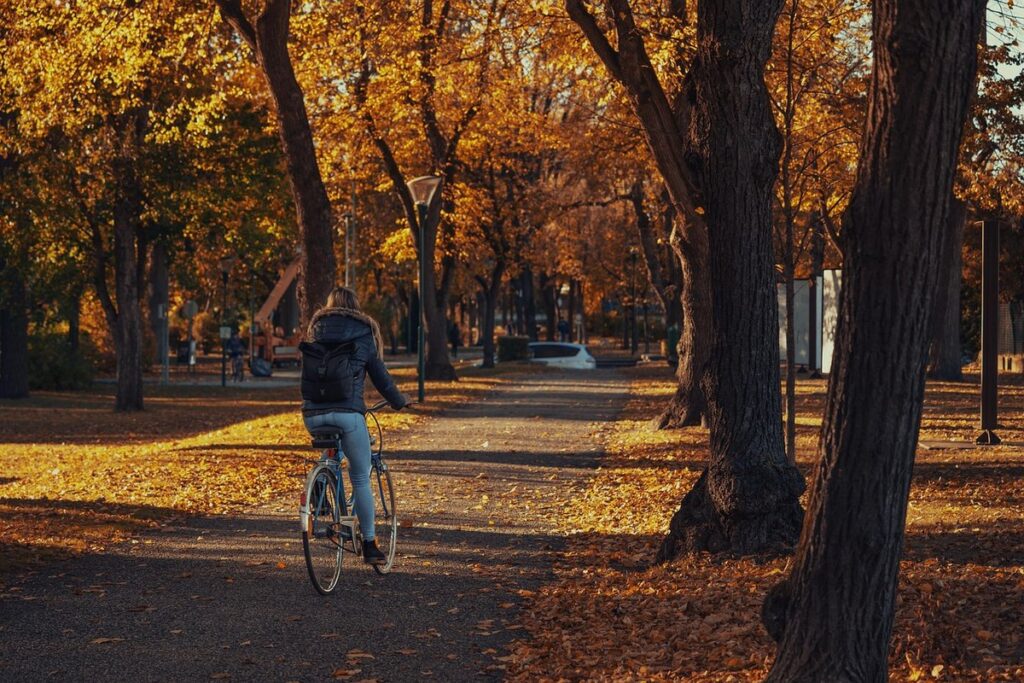
Planning Your Outdoor Adventures
Before you head out on your next outdoor adventure, take a moment to plan ahead and ensure a safe and enjoyable experience for everyone involved. This involves considering factors like weather, terrain, and necessary gear.
Choosing the Right Time of Year for Outdoor Activities in Fall
When planning outdoor activities for fall, timing is crucial. You want to make the most of the season’s mild temperatures and vibrant foliage. Start by considering the weather forecast for your area. Fall can be a period of transition, with warm days followed by chilly nights. Aim for mid-to-late October when temperatures are typically in the 50s to 60s Fahrenheit (10-20°C), ideal for outdoor activities like hiking, biking, and apple picking.
Another factor to consider is daylight hours. As fall progresses, the sun sets earlier, casting a golden glow over your surroundings but also limiting the amount of time you have to enjoy the outdoors. Plan your activities accordingly, opting for morning or late afternoon excursions when possible. Additionally, be mindful of potential weather events like rain showers and frosts, which can impact outdoor plans.
To determine the best time for outdoor activities in fall, take note of the local foliage peak. This varies depending on your location but typically occurs between mid-September and early November. Visit websites like Fall Foliage or use apps to track foliage updates and plan your visits accordingly. By considering these factors, you can make the most of your outdoor adventures during this picturesque season.
Preparing for Cooler Weather
As fall settles in, temperatures drop, and rain becomes more frequent. To stay comfortable and safe during outdoor activities, it’s essential to pack the right gear. Start with layers: bring a mix of lightweight tops, insulating fleeces or sweaters, and waterproof jackets. Don’t forget hats and gloves – even on mild days, these can make a big difference.
Waterproof gear is crucial for fall’s unpredictable weather. Bring a compact umbrella, and consider packing rain pants or leggings for longer hikes or outdoor events. If you plan to engage in water activities like kayaking or paddleboarding, invest in a waterproof phone case and dry bag to keep your essentials dry.
Other must-haves include sturdy shoes with good grip, warm socks, and a hat that covers your ears. Don’t underestimate the importance of sun protection: even on cloudy days, UV rays can still cause damage. Pack sunscreen with at least SPF 30, as well as lip balm and after-sun lotion to soothe dry skin.
Some specific items worth considering include:
• Water-repellent bags or backpacks for carrying gear
• A compact first-aid kit with essentials like pain relievers and bandages
• A small flashlight or headlamp in case of early evening activities
Hiking and Exploring Nature
As you lace up your hiking boots, fall offers a chance to connect with nature on scenic trails that are ablaze with vibrant foliage. Explore hidden gems and take in the breathtaking views of the season.
Best Trails for Fall Foliage Hikes
When planning a fall foliage hike, consider visiting trails with a mix of deciduous and coniferous trees. This combination creates a vibrant display of colors as leaves change throughout the season. Look for areas with maple, oak, and birch trees, which tend to produce brilliant hues of orange, red, and gold.
Some popular options in the eastern United States include:
- The Kancamagus Highway in New Hampshire, where you can hike through a corridor of sugar maples
- The Appalachian Trail in Vermont, featuring stunning views of maple and oak trees
- Letchworth State Park in New York, with its gorge trail surrounded by deciduous forests
To make the most of your fall foliage hike:
- Plan your trip during peak leaf season (usually mid-October to early November)
- Arrive early or go later in the day to avoid crowds
- Bring a camera and take breaks to capture photos of the changing colors
Wildlife Watching in the Fall Season
During the fall season, wildlife watching becomes a thrilling experience as many species begin their migratory journeys. Popular spots for viewing these majestic creatures include coastal areas, national parks, and nature reserves. For instance, the Atlantic Flyway brings millions of birds to the eastern United States each year, offering prime opportunities for spotting warblers, hummingbirds, and song sparrows.
In North America, many species migrate south from Canada and Alaska, making fall an ideal time for viewing animals such as monarch butterflies, white-tailed deer, and river otters. The best times for sightings vary depending on the location and species, but generally occur during early morning and late afternoon when animals are most active.
Key places to visit include Cape May in New Jersey, which is a major stopover point for migratory birds; Acadia National Park in Maine, where visitors can witness the majestic elks that inhabit the park’s rugged terrain; and Yellowstone National Park, where bison, elk, and wolves roam freely. Be sure to research local guides or join guided tours to increase your chances of spotting these incredible creatures in their natural habitats.
Apple Picking and Harvest Festivals
As fall arrives, many of us flock to nearby orchards and farms for a taste of the season’s freshest harvests. Apple picking and harvest festivals are a big part of this experience.
Visiting Local Orchards and Farms
When visiting local orchards and farms for a fun day of apple picking, it’s essential to select a reputable destination. Start by checking online reviews from websites like Yelp or Google to get an idea of the orchard’s reputation and customer satisfaction. You can also ask friends, family, or coworkers for recommendations. Look for orchards that are members of local agricultural associations or have certifications like “pick-your-own” or “U-pick.” These designations often ensure a high-quality experience and safe picking conditions.
Before visiting the orchard, check their website or social media to confirm hours of operation, admission fees, and any specific rules or regulations. Some farms may offer additional activities like hayrides, pumpkin patches, or farm tours, which can enhance your visit. Upon arrival, take note of the orchard’s layout and amenities, such as restrooms, parking, and food vendors. A well-organized and welcoming atmosphere can make a big difference in your overall experience. By doing some research beforehand and being aware of what to expect, you can have a fun and rewarding day picking fresh apples at a reputable local orchard or farm.
Tips for Enjoying Harvest Festivals
Harvest festivals are a great opportunity to connect with local culture and try seasonal specialties. When you’re browsing through vendors at these events, be sure to sample some of the local foods on offer. Apple cider donuts, pumpkin pie, and roasted corn are all popular choices that showcase the flavors of fall. Don’t be afraid to ask the vendors about their recipes or cooking methods – many farmers take pride in sharing their techniques with visitors.
You can also find unique local drinks at harvest festivals, such as apple cider, hot chocolate made with locally-sourced cocoa, and spiced wine. Some events may offer samples of these beverages, while others might sell them by the cup or glass. Be sure to check the festival map or ask vendors about their drink options.
In addition to food and drink, harvest festivals often feature local crafts and artisans selling handmade goods. Look for items like woven baskets, carved wooden decorations, and knitted scarves that showcase traditional fall colors and patterns. By supporting these local sellers, you’re not only getting a one-of-a-kind item – you’re also contributing to the local economy.
Fall Sports and Games
As fall weather sets in, many of us turn to outdoor activities that bring us joy, exercise, and a sense of community. From football to apple picking, here are some fun fall sports and games to enjoy with friends and family.
Organized Outdoor Activities for Adults
Joining a soccer league is an excellent way for adults to stay active during the fall season. Many cities offer recreational leagues for both men and women, catering to various skill levels. These leagues often provide a sense of community, allowing participants to meet new people while enjoying their favorite sport.
Before signing up, consider factors such as schedule commitments, physical fitness level, and team dynamics. Some leagues may require a tryout or assessment to ensure players are a good fit for the group. Others might offer different divisions based on skill or age.
When selecting an organized outdoor activity, think about your interests and preferences. If you enjoy team sports but prefer something less physically demanding, consider joining a volleyball or bocce ball league. Alternatively, if you’re looking for a more individualized experience, look into activities like archery or disc golf.
In addition to leagues, many communities also offer outdoor fitness classes or group runs during the fall season. These events can be a great way to stay active while enjoying the cooler weather and beautiful foliage.
Backyard Games for a Cozy Fall Evening
Gather ’round with family and friends for a night of laughter and friendly competition. As the crisp autumn air sets in, there’s no better way to spend a cozy fall evening than hosting a backyard game night. Set up a few lanterns or string lights to create a warm ambiance, and get ready for some old-school fun.
Consider setting up a few stations with different games, such as cornhole, giant Jenga, or even a ring toss. These classic outdoor games are perfect for groups of all sizes and ages. For a more low-key evening, try setting up a few board games or card tables under a covered area, like a patio or pergola.
If you’re looking to create a more immersive experience, consider hosting a bonfire and enjoying some s’mores while playing games like Would You Rather or Two Truths and a Lie. Whatever games you choose, be sure to keep them simple and accessible for all participants. With the right atmosphere and a little creativity, your backyard game night is sure to become a beloved fall tradition.
Camping and Glamping
Whether you’re a seasoned outdoorsperson or just looking for a cozy weekend getaway, fall is the perfect time to try camping or glamping in style. From secluded campsites to luxury resorts, we’ll explore your options for an unforgettable autumn escape.
Essential Gear for Fall Camping Trips
When venturing into the great outdoors for a fall camping trip, it’s essential to pack the right gear to ensure a comfortable and enjoyable experience. Start with insulation: bring warm sleeping bags rated for temperatures as low as 30°F (-1°C), as well as insulated jackets and pants for chilly mornings and evenings.
Waterproofing is also crucial in autumn’s unpredictable weather. Pack a waterproof tent, rain jacket, and pants to keep you dry in case of sudden downpours or drizzle. Consider bringing a tarp or emergency bivy sack as an added layer of protection.
Lighting is another key aspect to consider: bring headlamps or flashlights with extra batteries, as well as candles or a portable lantern for ambiance and visibility around the campsite. Don’t forget warm socks, gloves, and hats – even on warmer days, temperatures can drop significantly at night. Finally, be sure to check the weather forecast before your trip and pack accordingly; it’s better to err on the side of caution when it comes to fall camping gear.
Glamping Options for Those Who Prefer Luxury
Luxury glamping options are abundant for those who prefer a more refined outdoor experience. Many campsites offer luxury cabins and vacation homes with amenities such as full kitchens, fireplaces, and private decks overlooking fall foliage. For a more immersive experience, yurts provide a unique blend of nature and comfort. These circular structures often feature plush bedding, real furniture, and sometimes even en-suite bathrooms.
Safari-style tents are another option for those seeking luxury glamping. Some campsites offer elaborate canvas tents with hardwood floors, queen-sized beds, and luxurious linens. A few high-end campsites also provide gourmet meals, wine tastings, or guided hikes to enhance the experience.
Consider a yurt at a campsite like El Capitan Canyon in California, which offers yurts with fireplaces, fully-equipped kitchens, and private decks. Alternatively, opt for a luxury safari tent at a site like Under Canvas in Montana, where guests can enjoy gourmet meals, wine tastings, and guided hikes amidst stunning fall scenery. When booking your glamping accommodations, be sure to check amenities and services offered to ensure the best fit for your preferences.
Safety Precautions for Outdoor Activities
When venturing outdoors during fall, it’s crucial to be aware of potential hazards and take necessary precautions to ensure a safe and enjoyable experience. Be mindful of wildlife behavior, inclement weather, and slippery surfaces.
Staying Safe While Hiking in Fall
When hiking in fall, you’re more likely to encounter wildlife, especially deer, which are active during the cooler months. To avoid encounters with these animals, make noise while walking by talking or wearing bear bells to alert them to your presence. Avoid hiking at dawn and dusk when wildlife is most active.
Be prepared for inclement weather by packing layers, including a waterproof jacket, hat, and gloves. Check the forecast before heading out and consider postponing your hike if severe weather is predicted. Bring a map and compass or GPS device in case you get lost, and let someone know your planned route and expected return time.
Inclement weather can also bring fallen leaves and branches to the trails, which can be slippery when wet. Be cautious of loose rocks and roots on the trail, as they can be hidden by fallen debris. If you’re hiking in areas with dense forests or near waterways, watch for signs of recent flooding or landslides.
Remember that fall foliage can create a picturesque landscape, but it also means more people are out enjoying nature, potentially increasing the risk of accidents and conflicts on the trails. Be mindful of other hikers and take necessary precautions to avoid collisions or disputes over trail use.
Preventing Injuries from Falling Debris
When walking or hiking through areas with falling leaves or debris, it’s essential to take precautions to prevent injuries. Leaves and branches can weigh heavily on power lines, causing them to sag and potentially break underfoot. To avoid accidents, stick to designated trails and steer clear of any downed wires.
Look out for trees that are already showing signs of stress or decay, as they’re more likely to drop heavy branches during strong winds. In areas with a high amount of foliage, consider wearing protective gear such as a hard hat or safety glasses.
When walking under power lines, try to avoid standing directly underneath them if possible. If you must walk beneath them, use caution and keep an eye out for any signs of damage or wear on the wires. In some cases, it may be necessary to take a detour around fallen trees or branches to ensure your safety.
If you do get hit by falling debris, remain calm and assess the situation carefully before seeking help.
Conclusion: Making the Most of Your Outdoor Fall Experiences
Now that you’ve experienced all that fall has to offer, it’s time to think about how to make these outdoor adventures a lasting part of your seasonal traditions. Let’s talk about making the most of them.
Tips for Creating Lasting Memories
Capturing memories of your outdoor fall experiences can be just as enjoyable as the activities themselves. One effective way to do this is through photography. Take a moment to pause and snap photos of the vibrant foliage, especially during golden hour when the light is warm and soft. Don’t worry too much about composition or lighting – focus on capturing the fleeting moments and beauty around you.
Another great way to preserve memories is by journaling your experiences. Bring along a small notebook or use a note-taking app on your phone to record your observations, thoughts, and feelings during each activity. Try to write down specific details about what you see, hear, and smell – these sensory notes can be especially helpful in recalling the experience later.
If you’re feeling creative, consider combining photography and journaling by writing captions or descriptions for your photos after the fact. This can help you relive the memories even more vividly and appreciate the little moments that might have otherwise gone unnoticed.
Encouragement to Get Outdoors and Explore
As you wrap up another beautiful fall season, it’s essential to remember that there’s still so much to explore and discover outside. Don’t let the passing of summer weather be a signal to retreat indoors – instead, seize the opportunity to get out into nature one last time.
Try taking a solo hike on a crisp autumn morning, breathing in the scent of damp earth and decaying leaves. Or gather some friends for a day-long adventure, packing a picnic lunch to enjoy at a scenic overlook or by a tranquil lake. Even a short walk around your neighborhood can be invigorating, as you take in the vibrant colors of changing foliage.
If you’re feeling stuck for ideas, try incorporating one new outdoor activity into each week of fall. It might be trying a new trail, visiting a local orchard to pick apples, or simply taking a moment each day to sit outside and watch the sunset. The key is to make exploration and adventure a habit – one that will leave you feeling refreshed and revitalized as winter approaches.
Frequently Asked Questions
Can I do all these fall activities with young children?
Yes, many of the outdoor activities mentioned in this guide can be adapted for families with young children. For example, choose shorter hiking trails and consider bringing strollers or baby carriers to make navigation easier. Additionally, some harvest festivals and apple orchards have dedicated areas for kids, so it’s worth calling ahead to confirm family-friendly options.
How do I deal with inclement weather during outdoor activities?
Be prepared for changing weather conditions by packing layers, waterproof gear, and a backup plan. If the weather forecast shows rain or extreme temperatures, consider rescheduling your activity or choosing an alternative location that is more sheltered. Always prioritize your safety and comfort when engaging in outdoor activities.
Can I use my regular camping gear for fall camping trips?
While some of your existing camping gear may be suitable for fall camping, it’s essential to check the condition and functionality of your equipment before heading out. Inspect your tent, sleeping bag, and other essentials to ensure they are still waterproof and able to withstand cooler temperatures.
What if I’m on a tight budget? Can I still enjoy fall activities outdoors?
Yes, many outdoor fall activities can be enjoyed without breaking the bank. Look for free or low-cost events like harvest festivals, nature walks, or apple picking at local farms that offer pick-your-own options. You can also consider hosting your own backyard games and gatherings with friends and family.
How do I know which trails are safe for hiking during fall foliage season?
Before embarking on a hike, research the trail conditions and difficulty level to ensure it’s suitable for your group’s skill and experience level. Additionally, check for any trail closures or warnings due to falling leaves, wildlife activity, or inclement weather.

