
You’re staring down a mountain of juicy tomatoes, wondering how you’ll use them all up before they go bad. It’s a common problem for home gardeners and cooks alike, but don’t worry – we’ve got solutions galore. Whether you’re looking to preserve the bounty for future meals or find creative ways to use them fresh, we’ll explore various methods to make the most of your tomato harvest. From traditional techniques like canning and freezing to innovative ideas for cooking with tomatoes, we’ll cover it all. You’ll even discover some unexpected uses for tomatoes in beauty treatments, because who knew they could be a natural face mask? By the end of this article, you’ll know exactly how to use up your tomatoes and make the most of your fresh harvest.
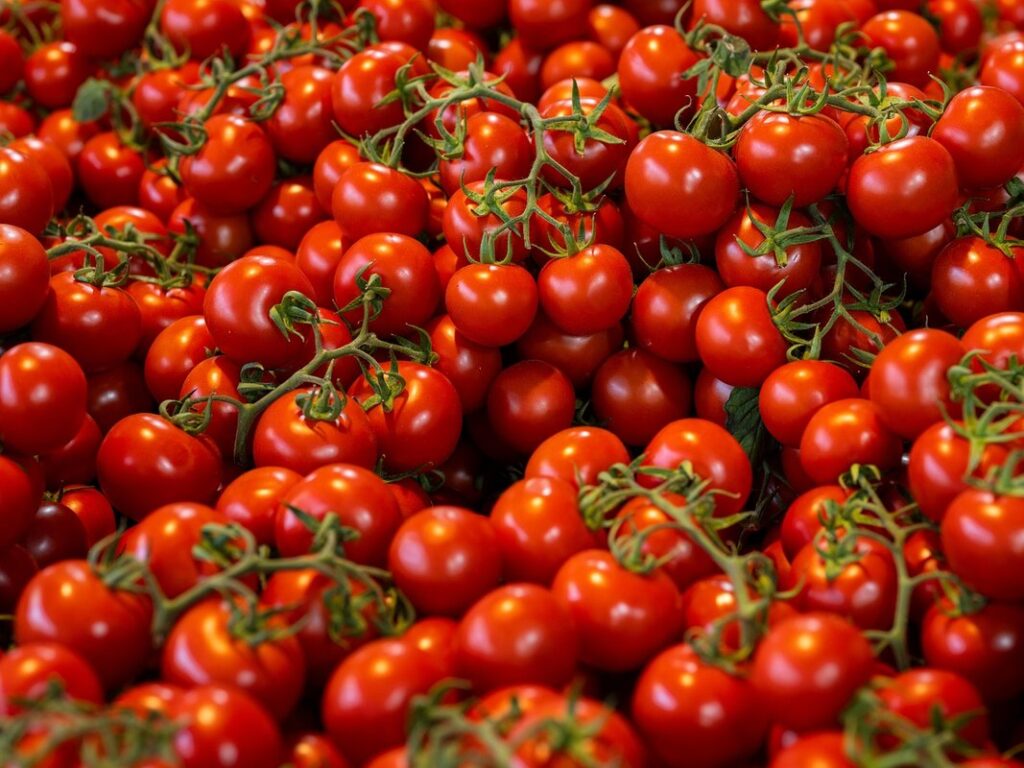
Preserving Tomatoes for Year-Round Enjoyment
One of the best ways to enjoy your tomatoes all year round is by learning how to preserve them, whether through canning, freezing, or dehydrating. You’ll be amazed at how easy it is to have fresh-tasting tomatoes on hand.
Canning Tomatoes for Sauces and Soups
To can tomatoes safely, you’ll need a water bath canner, a large pot with a rack, and a set of canning jars. The equipment is crucial for preventing spoilage and ensuring your canned goods are shelf-stable. Before beginning, check the acidity levels of your tomatoes – they should be at least 4.6 pH to prevent bacterial growth.
To start, blanch the tomatoes in boiling water for 10-30 seconds, then immediately submerge them in an ice bath to stop the cooking process. This step helps remove the skin and makes it easier to pack the jars tightly. Pack the blanched tomatoes into clean, hot jars, leaving about a half-inch of headspace. Add salt or lemon juice to enhance flavor and preserve the acidity.
Some popular recipes that use canned tomatoes include homemade pasta sauce, salsa, and French onion soup. For a basic canning recipe, try packing 2 cups of chopped tomatoes into each quart jar, adding 1 tablespoon of lemon juice or salt per pint. Process the jars in a boiling water bath for 15-20 minutes, adjusting for altitude as needed.
Dehydrating Tomatoes for Dried Snacks
Dehydrating tomatoes using a home dehydrator is a straightforward process. Load the trays with tomato slices, making sure they don’t overlap to ensure even drying. Set the temperature between 135°F and 155°F (57°C to 68°C), depending on your model’s specifications. Dehydration times vary from 6 to 12 hours, but most models will have a timer.
For those without a dehydrator, you can use your oven on its lowest temperature setting (usually around 150°F or 65°C). Place the tomatoes on baking sheets lined with parchment paper and leave the oven door slightly ajar. Check on them every few hours to rotate the trays and ensure even drying. Drying times will be longer, typically 12 to 24 hours.
Once dried, store your tomatoes in airtight containers or glass jars to maintain their flavor and aroma. When reconstituting dried tomatoes for use in recipes, you can soak them in water or olive oil. Use one part dried tomato to three parts liquid, and let it sit for at least an hour before using.
Freezing Tomatoes for Soups, Stews, and Smoothies
To freeze tomatoes, start by blanching them to inactivate enzymes that can cause spoilage. Submerge the tomatoes in boiling water for 10-30 seconds, then immediately transfer them to an ice bath to stop the cooking process. You can also roast tomatoes at 350°F (175°C) for 20-30 minutes, or until they’re soft and lightly caramelized. This method concentrates their flavor and makes them easier to blend into soups and sauces.
For smoothies, peel and chop the roasted tomatoes before freezing. Frozen tomatoes are perfect for adding depth and sweetness to soups, stews, and braises. To maintain quality, store frozen tomatoes in airtight containers or freezer bags, making sure to press out as much air as possible before sealing. Label the containers with the date and contents, and store them at 0°F (-18°C) or below.
When using frozen tomatoes, simply thaw the desired amount and add it to your recipe. Frozen tomatoes will retain about 90% of their original flavor and texture, making them a great option for soups and stews where texture isn’t crucial.
Using Up Fresh Tomatoes Before They Go Bad
Don’t let your abundant harvest go to waste, and learn how to preserve fresh tomatoes for a delicious treat later on in this practical guide.
Freezing, canning, and roasting are just a few ways to enjoy them year-round.
Salads and Gazpacho: Refreshing Tomato Recipes
When fresh tomatoes are at their peak, it’s hard to beat a simple salad featuring them as the main ingredient. Classic combinations like Caprese and Greek salad showcase the sweetness of ripe tomatoes paired with creamy mozzarella and tangy feta cheese respectively. To take these salads to the next level, consider adding some fragrant basil leaves or a drizzle of high-quality olive oil.
For something more unique, try combining diced tomatoes with crunchy cucumber and red onion, topped with a zesty dill dressing. Alternatively, blend cooked tomatoes with garlic, bread, and olive oil to create a rich and refreshing gazpacho soup. This Spanish cold soup is perfect for hot summer days when you need a light and revitalizing meal.
To make the most of your fresh tomato salad, be sure to choose a variety that’s sweet and juicy. Look for heirloom tomatoes or cherry tomatoes for their intense flavor and vibrant colors. And don’t be afraid to experiment with different combinations – the key to a great salad is balance, so don’t be afraid to try new ingredients and flavors until you find your perfect mix.
Grilled Cheeseburgers and Sandwiches with Fresh Tomatoes
When it comes to using up fresh tomatoes before they go bad, sandwiches are a great way to incorporate them into your meals. You can’t go wrong with a classic grilled cheeseburger featuring sliced fresh tomatoes. Start by grilling the burger patty and then top it with a slice of melted cheddar cheese, a few slices of fresh tomato, and a sprinkle of chopped fresh basil.
For added flavor, try using different types of cheese or condiments in your sandwich. A layer of creamy mayonnaise or avocado spread can complement the sweetness of the tomatoes nicely. If you prefer a tangier taste, consider adding some sliced red onion or a few sprigs of fresh parsley.
Some other options for sandwiches featuring fresh tomatoes include:
- Grilled paninis with fresh mozzarella and tomato slices
- BLT sandwiches made with crispy bacon, fresh lettuce, and juicy tomato slices
- Wraps filled with roasted chicken, mixed greens, and sliced fresh tomatoes
Roasting Vegetables with Tomatoes: A Delicious Side Dish
Roasting vegetables with tomatoes brings out their natural sweetness and pairs perfectly with a variety of vegetables. To make a simple roasted vegetable dish, start by tossing sliced carrots, Brussels sprouts, and red bell peppers with olive oil, salt, and pepper on a baking sheet. Add halved or quartered fresh tomatoes to the mix for an explosion of flavor.
For a more intense tomato flavor, use preserved tomatoes like sun-dried or canned crushed tomatoes instead. A small can of crushed tomatoes adds moisture and acidity to roasted vegetables without overpowering their natural flavors. To incorporate fresh herbs, sprinkle chopped rosemary or thyme over the vegetables before roasting.
Some key considerations when roasting with tomatoes include:
- Choose firm, ripe vegetables for best results.
- Don’t overcrowd the baking sheet, which can cause steaming instead of browning.
- Keep an eye on the vegetables’ cooking time to prevent burning.
Cooking with Canned Tomatoes
Canned tomatoes are a versatile ingredient that can add flavor and nutrition to a wide range of dishes, from soups to sauces. Whether you’re looking for a quick and easy meal or a way to preserve your harvest.
Classic Tomato Sauces for Pasta, Pizza, and Meatballs
When you have a surplus of tomatoes, making homemade tomato sauces is a great way to use them up. These versatile sauces can be used as a base for pasta dishes, pizza toppings, or as a sauce for meatballs and other Italian-inspired recipes. Three classic variations are arrabbiata, marinara, and Bolognese.
Arrabbiata sauce is made by simmering canned tomatoes with garlic, red pepper flakes, and olive oil to create a spicy, slightly smoky flavor. This sauce pairs well with pasta shapes like penne or bucatini.
Marinara sauce, on the other hand, is a simple yet flavorful option that’s made by cooking down canned tomatoes with olive oil, garlic, and sometimes onion. It’s a great base for pizza toppings or as a dipping sauce for bread.
Bolognese sauce is a meat-based tomato sauce that’s slow-cooked to develop a rich, deep flavor. To make it, you’ll need ground beef or pork, which you cook with onions, carrots, celery, and canned tomatoes before simmering the mixture for at least an hour. This sauce is perfect for lasagna or as a topping for spaghetti.
These sauces are all easy to make and can be customized to suit your taste preferences.
Stews and Soups: Using Canned Tomatoes as a Base
When building hearty stews and soups, canned tomatoes can be a convenient and flavorful foundation. For a rich beef stew, for example, use two 14.5-ounce cans of diced or crushed tomatoes as the base, adding in browned meat, onions, carrots, and potatoes. To add depth to your soup or stew, consider using tomato puree instead of crushed or diced tomatoes – it has a smoother texture and more intense flavor.
Some recipes that use canned tomatoes specifically call for pureed or crushed tomatoes to create a thick, saucy base. In a classic minestrone soup, for instance, you might use two cans of crushed tomatoes along with vegetable broth, beans, and pasta. Another option is to make a tomato-based chili using one can of diced tomatoes and one can of kidney beans in tomato sauce.
A few key points to keep in mind when building stews and soups with canned tomatoes: choose recipes that balance acidity (from the tomatoes) with richness (from meat or cream), and be mindful of salt content – some canned tomatoes are high in sodium. By using canned tomatoes as a base, you can create hearty, satisfying meals that showcase the flavor and versatility of fresh tomatoes.
Growing Your Own Tomato Crop
If you’re growing your own tomato crop, congratulations are in order – now it’s time to think creatively about how to enjoy them all season long and beyond. We’ll share our top tips for maximizing yield.
Choosing Heirloom and Hybrid Tomato Varieties
When choosing tomato varieties, consider three key factors: climate, space constraints, and personal preferences. For warm and dry climates, opt for heat-tolerant heirloom varieties like ‘Brandywine’ or ‘Cherokee Purple’. These will produce larger yields but may require more frequent watering.
In cooler or wetter climates, hybrid tomatoes are a better bet. They often have built-in disease resistance, which can be a game-changer in areas prone to fungal infections. Look for popular hybrids like ‘Early Girl’ or ‘Patio’, which grow compactly and produce fruit quickly.
Heirloom varieties offer unique flavors and textures that many gardeners find irresistible. However, they can be more finicky and require more maintenance. If you have limited space, consider growing cherry tomato varieties, such as ‘Sungold’ or ‘Red Cherry’. These are naturally compact and produce high yields of small fruit.
Ultimately, the choice between heirloom and hybrid tomatoes comes down to your personal priorities: taste, convenience, or disease resistance. Consider what matters most to you and choose a variety that fits your needs.
Tips for a Bountiful Harvest: Soil Preparation and Irrigation
A well-prepared soil is essential for a thriving tomato crop. The right balance of nutrients and moisture will encourage healthy growth and fruit production. To achieve this, mulch around the base of your plants to retain moisture, suppress weeds, and regulate soil temperature.
When it comes to irrigation, aim to provide about 1-2 inches of water per week, either from rainfall or supplemental watering. Avoid overwatering, which can lead to fungal diseases and root rot. Instead, use soaker hoses or drip irrigation systems to deliver water directly to the roots, reducing evaporation and runoff.
Indeterminate varieties require support as they grow, so set up a trellis or tomato cage early on. Prune your plants regularly to promote horizontal growth, increase yields, and prevent disease. Remove lower leaves that touch the ground to prevent soil-borne diseases from taking hold.
Mulching, pruning, and supporting your indeterminate varieties will help you achieve a bountiful harvest. By providing the right conditions for your tomato plants, you’ll be rewarded with a rich crop of juicy tomatoes perfect for canning, freezing, or enjoying fresh throughout the season.
Using Tomatoes in Beauty Treatments
Tomato lovers, rejoice! You can use ripe tomatoes as a natural ingredient to create face masks, scrubs, and other beauty treatments that will leave your skin glowing.
Tomato Face Masks and Skincare Recipes
Tomatoes are rich in antioxidants like lycopene and beta-carotene, which can help protect skin from sun damage and reduce signs of aging. These same properties also make tomatoes a valuable ingredient in natural skincare recipes. One simple face mask recipe combines fresh tomato puree with yogurt to create a soothing and moisturizing treatment. Mix 1/2 cup of ripe tomato puree with 1 tablespoon of plain yogurt, apply for 10-15 minutes, and rinse with warm water.
Another option uses canned tomatoes as a base for a nourishing face mask. Blend 1/4 cup of canned crushed tomatoes with 1 teaspoon of honey and 1 teaspoon of olive oil to create a hydrating paste. Apply and leave on for 5-7 minutes before rinsing off with cool water. For an extra dose of moisturizing power, add 1 tablespoon of coconut oil or shea butter to the mixture.
These face masks can be customized to suit individual skin types by adjusting the ingredient ratios or adding other natural ingredients like oatmeal or green tea extract.
Hair Masks and Treatments: Unlocking the Power of Tomatoes
Tomatoes have long been prized for their culinary benefits, but they also hold secrets to achieving healthy, luscious locks. The antioxidants and vitamins present in tomatoes can work wonders for hair care, making them an excellent addition to your beauty routine. For instance, the vitamin C content in tomatoes helps stimulate blood flow to the scalp, promoting hair growth and strengthening hair follicles.
To harness the power of tomatoes for hair growth, try incorporating a tomato hair mask into your regular routine. Blend one ripe tomato with a tablespoon of olive oil and apply it to your locks. Leave the mixture on for 15-20 minutes before rinsing thoroughly. For dandruff-prone scalps, mix equal parts tomato juice and coconut oil and massage into the scalp. This combination helps reduce flakiness and soothe irritation.
Tomatoes can also add shine and softness to your hair. Simply blend cooked tomatoes with a tablespoon of honey and apply as a pre-shampoo treatment. Leave on for 10-15 minutes before washing your hair as usual. By incorporating these simple, natural remedies into your hair care routine, you can say goodbye to dull, brittle locks and hello to vibrant, healthy-looking hair.
Conclusion: The Endless Possibilities of Tomatoes
As you’ve seen throughout this post, the possibilities for using up a bounty of tomatoes are endless. Now, let’s celebrate your harvest and explore some final ideas to keep your tomato love going year-round!
Final Thoughts on Preserving, Cooking, and Using Up a Bountiful Harvest
As you’ve learned throughout this article, tomatoes are an incredibly versatile ingredient with a multitude of uses beyond fresh salads and sandwiches. From preserving them for year-round enjoyment to incorporating canned tomatoes into hearty stews and soups, the possibilities are endless.
One key takeaway is that preservation methods offer a way to enjoy your bountiful harvest even when the growing season has ended. Techniques like canning, dehydrating, and freezing allow you to capture the flavor and nutrients of fresh tomatoes for future use in sauces, soups, and other recipes. Don’t be afraid to experiment with different methods – it’s amazing how well they work!
In addition to preservation, cooking with canned or fresh tomatoes is a great way to add depth and richness to your dishes. Classic tomato sauces are a staple in many cuisines, but you can also use them as a base for stews, soups, and braises. Try adding some diced tomatoes to your favorite chili recipe or using crushed tomatoes as a topping for pizza.
To make the most of your harvest, consider diversifying your preservation methods. For example, while canning is excellent for sauces and soups, freezing is better suited for recipes that require a lot of liquid, like smoothies or soups. Dehydrating, on the other hand, is perfect for making dried snacks or powders.
To take it to the next level, we encourage you to think creatively about how you can incorporate tomatoes into your cooking and beauty routines. Try using tomato puree as a face mask or add some chopped fresh tomatoes to your favorite salad recipe. By embracing the versatility of this incredible ingredient, you’ll be amazed at all the new possibilities that open up.
In conclusion, the key to making the most of your bountiful harvest is experimentation – don’t be afraid to try new recipes and preservation methods. With a little creativity and practice, you’ll become a tomato master in no time!
Frequently Asked Questions
Can I Use Canned Tomatoes for Roasting?
Yes, canned tomatoes can be used in roasting recipes as a substitute for fresh tomatoes. Simply drain excess liquid and use them as you would fresh tomatoes. Keep in mind that canned tomatoes may have added salt, so adjust seasoning accordingly.
How Do I Know If My Home-Dehydrated Tomatoes Are Spoiled?
Check the texture and appearance of your dried tomatoes regularly. If they become hard, brittle, or develop an off smell, it’s likely they’ve gone bad. Discard spoiled tomatoes to ensure food safety and quality.
What if I Don’t Have Space for a Large Tomato Crop? Can I Grow Tomatoes in Containers?
Yes, you can grow tomatoes in containers on balconies, patios, or even indoors using compact varieties. Choose dwarf or patio tomato plants that require minimal space and follow container-specific care guidelines to ensure healthy growth.
How Long Do Frozen Tomatoes Typically Last in the Freezer?
Frozen tomatoes generally last for 8-12 months when stored properly in airtight containers or freezer bags. For optimal flavor, use them within 6 months. Always check for signs of spoilage before consuming frozen tomatoes.
Can I Use Canned Tomato Sauce as a Substitute for Fresh Tomatoes in Salads?
While canned tomato sauce can be used as a base for salad dressings, it’s not recommended to use it directly in salads due to its high acidity and concentrated flavor. Instead, choose fresh or roasted tomatoes for added texture and natural sweetness.

