
Rhubarb season is in full swing, and with its tart flavor and beautiful presentation, it’s no wonder you’re eager to preserve this sweet and tangy ingredient. But making perfect rhubarb preserves at home can be a daunting task, especially for beginners. The process of cooking down the stalks to create a rich, jam-like consistency requires patience and attention to detail. That’s why we’ve put together a comprehensive guide on how to make perfect rhubarb preserves, complete with recipes and expert tips tailored specifically for both novice and advanced preservers. With this article, you’ll learn how to balance flavors, achieve the right texture, and ensure that your homemade rhubarb preserves are safe to eat and delicious to taste by the end of it.
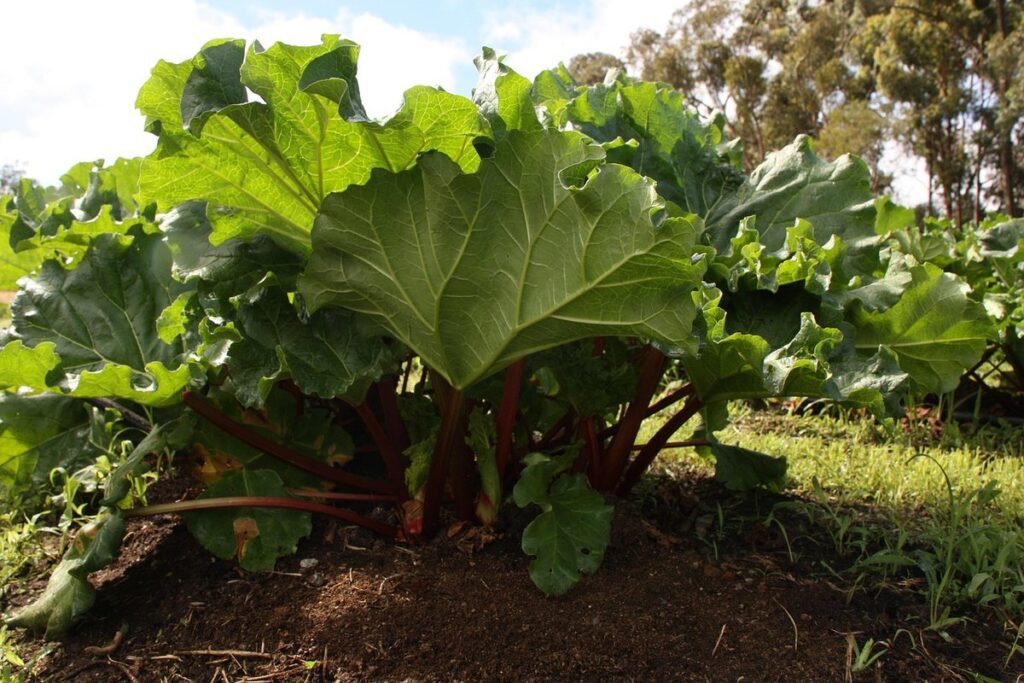
Understanding Rhubarb and its Uses in Preserving
Rhubarb is often misunderstood, but its tart flavor makes it a perfect addition to sweet preserves. Let’s explore how to harness its unique properties for delicious homemade jam recipes.
Benefits of Using Rhubarb in Preserves
Rhubarb is a nutritious and versatile ingredient that makes it an excellent choice for preserves. One of its key benefits is its high content of vitamin K and potassium, making it a great addition to homemade preserves. Additionally, rhubarb contains antioxidants like anthocyanins and betalains, which have been shown to have anti-inflammatory properties.
The medicinal properties of rhubarb also make it an attractive choice for preserving. Rhubarb has been used in traditional medicine for its digestive benefits, particularly in treating constipation and bloating. The tart flavor of rhubarb is due to its high concentration of malic acid, which not only adds depth to preserves but also provides a natural preservative effect.
In terms of flavor profile, rhubarb’s tartness pairs well with sweet ingredients like sugar and honey, creating a balanced taste experience in preserves. When choosing rhubarb for preserving, look for stalks that are firm and have a deep red or green color, as these will be sweeter and less tart than pale or wilted stalks. By incorporating rhubarb into your preserve recipes, you can enjoy not only delicious results but also reap the nutritional benefits of this versatile ingredient.
Choosing the Right Rhubarb Variety for Preserving
When it comes to preserving rhubarb, not all varieties are created equal. Some types of rhubarb are better suited for cooking down into a rich, intense jam, while others retain their shape and color beautifully when pickled or used in sauces.
The ‘Victoria’ variety, for example, is a popular choice among gardeners due to its high yield and disease resistance. However, it’s not the best option for preserving, as its stalks tend to be more fibrous and less sweet than other varieties. On the other hand, ‘Canada Red’ rhubarb produces stalks that are both tender and flavorful, making them ideal for cooking down into a delicious jam.
Other popular varieties include ‘Valentine’, which has a slightly sweeter flavor profile, and ‘Champagne’, which is prized for its delicate, almost translucent color. When choosing a variety for preserving, consider the desired texture and flavor of your final product. If you want a jam that’s packed with intense rhubarb flavor, opt for a variety like ‘Canada Red’. If you prefer a lighter, more refined preserve, try using ‘Valentine’ or ‘Champagne’ rhubarb instead.
Some general guidelines to keep in mind when selecting rhubarb for preserving include:
- Opting for varieties that are specifically bred for their flavor and texture
- Avoiding rhubarb with signs of disease or pest damage
- Choosing stalks that are firm, but not too woody or fibrous
Basic Rhubarb Preserve Recipe and Techniques
To start making delicious rhubarb preserves, you’ll need a basic recipe and some fundamental techniques that will guide you through the process with ease. Let’s begin with a straightforward recipe for rhubarb jam.
Essential Ingredients and Equipment for Rhubarb Preserves
To make delicious rhubarb preserves, you’ll need a few essential ingredients and some basic equipment. Start by gathering 2-3 cups of fresh rhubarb stalks, cut into 1-inch pieces. Next, combine 4 cups of granulated sugar, 1 cup of water, and 1 tablespoon of pectin (optional) in a large pot.
You’ll also need a few key pieces of equipment: a medium-sized saucepan with a heavy bottom (stainless steel or enameled cast iron work well), a candy thermometer, and a clean glass jar or container for storing the preserves. If you’re using a pectin-free method, you may want to invest in an immersion blender or a potato masher.
When measuring out your sugar, use a digital kitchen scale for accuracy – it’s better to have too little sugar than too much. For water, simply use tap water unless you prefer filtered or bottled. Pectin is optional but helps with gelation; if using, follow the package instructions carefully.
Keep in mind that some pectins are specifically designed for low-sugar recipes, so choose one that suits your needs. With these ingredients and equipment on hand, you’re ready to begin cooking up a batch of delicious rhubarb preserves.
Basic Cooking Method and Safety Precautions
To make rhubarb preserves, combine 2 cups of chopped fresh rhubarb with 1 cup of granulated sugar and 1/4 cup of water in a medium saucepan. Bring the mixture to a boil over high heat, stirring occasionally, until the rhubarb is tender and the liquid has thickened into a syrup.
Monitor the temperature closely, as it’s essential to reach 220°F (104°C) for proper jam formation. Use a candy thermometer to ensure accuracy, or test the set by placing a small amount of the mixture on a chilled plate – if it holds its shape, it’s ready.
When working with hot liquids and sharp objects, safety is paramount. Always use oven mitts or a heat-resistant glove when handling the saucepan, and keep children and pets at a safe distance. Be mindful of your surroundings to avoid accidents and spills.
Additionally, keep in mind that sugar can crystallize if not dissolved properly, leading to an unpleasant texture. To prevent this, stir the mixture frequently during cooking, especially when adding sugar towards the end of the process. By following these guidelines, you’ll be well on your way to creating delicious homemade rhubarb preserves.
Advanced Rhubarb Preserve Recipes and Techniques
Take your rhubarb preserve game to the next level with expert techniques for making unique flavor combinations and beautifully textured preserves. Explore innovative methods for achieving perfect set, color, and taste.
Infused Rhubarb Preserves with Spices, Herbs, and Citrus
When working with rhubarb preserves, infusing them with spices, herbs, and citrus can add incredible depth to their flavor profile. One approach is to try pairing rhubarb with warm spices like cinnamon, cardamom, or ginger. For example, a small amount of ground cinnamon (about 1/4 teaspoon per cup of rhubarb) can complement the tartness of the fruit without overpowering it.
Citrus zest and juice are another great addition to infused rhubarb preserves. Orange or lemon zest adds a bright, citrusy note that pairs particularly well with sweet spices like ginger. Start by grating the zest of 1-2 citrus fruits per cup of rhubarb and adjust to taste. You can also try adding a small amount of freshly squeezed citrus juice (about 1 tablespoon per cup) for added moisture and flavor.
Some popular herb options include rosemary, thyme, or bay leaves, which can add a savory element to your preserves. Use about 1-2 sprigs of fresh herbs per cup of rhubarb and adjust to taste. Remember that the key is balance – you want to enhance the natural flavors of the rhubarb without overpowering them. Experiment with different combinations to find the perfect blend for your tastes.
Using Pectin-Free Methods for Making Rhubarb Jam
When making pectin-free rhubarb jam, you can’t rely on traditional methods of adding commercial pectin. Instead, focus on using natural thickeners to achieve the right consistency. One option is to use apple puree as a thickening agent. The pectin in apples will help bind the mixture together and create a gel-like texture.
Another alternative is to add lemon juice to your rhubarb jam. The acidity of the lemon will help break down the cell walls of the rhubarb, releasing its natural pectins and creating a firmer consistency. A general rule of thumb is to use 1-2 tablespoons of freshly squeezed lemon juice per cup of rhubarb.
To make this method work, it’s essential to cook your rhubarb mixture over low heat for an extended period. This will allow the flavors to meld together and the natural thickeners to take effect. Be patient and monitor the mixture closely as it thickens, stirring occasionally to prevent scorching. With a little practice, you can achieve a smooth and delicious pectin-free rhubarb jam that’s perfect for topping toast or using in desserts.
Tips and Tricks for Perfecting Your Rhubarb Preserves
To get the perfect consistency and flavor, it’s essential to master a few key techniques that make all the difference in your homemade rhubarb preserves. These insider tips will take your creations to the next level.
Troubleshooting Common Issues with Rhubarb Preserves
When making rhubarb preserves, it’s not uncommon to encounter issues with texture and consistency. One common problem is a preserve that’s too runny, which can be caused by using too little pectin or cooking the mixture for too short a time. To fix this issue, try adding more pectin according to the manufacturer’s instructions or cooking the mixture for an additional 10-15 minutes.
On the other hand, some preserves may turn out too thick and jam-like due to overcooking or using too much sugar. If you find your preserve is too thick, you can thin it out by adding a small amount of water or lemon juice. However, be cautious not to add too much liquid, as this can affect the flavor and texture.
Other common issues with rhubarb preserves include an uneven coloration or the presence of too many seeds. To achieve a consistent color, make sure to cook the mixture for the recommended time and avoid stirring it too much during cooking. As for excess seeds, try straining the preserve through a fine-mesh sieve before filling your jars.
In general, troubleshooting common issues with rhubarb preserves requires patience and attention to detail. By understanding the causes of these problems and taking corrective action, you can create delicious and consistent preserves that will impress family and friends.
Storage and Shelf Life of Homemade Rhubarb Preserves
Proper storage is crucial to maintaining the quality and safety of your homemade rhubarb preserves. Store them in a cool, dark place, such as a pantry or cupboard, away from direct sunlight and heat sources like radiators or ovens. This will help prevent color degradation and spoilage.
Glass jars with tight-fitting lids are ideal for storing rhubarb preserves. Make sure to leave about 1/4 inch of headspace between the jam and the lid to allow for expansion during freezing. Label each jar with its contents, date, and any relevant storage instructions.
When stored properly in a cool environment, homemade rhubarb preserves can last for up to 6 months. However, it’s essential to check them regularly for signs of spoilage, such as mold, sliminess, or an off smell. If you notice any of these issues, discard the entire jar immediately.
For longer-term storage, consider freezing your rhubarb preserves. Transfer the jam into airtight containers or freezer bags, press out excess air, and store them at 0°F (-18°C) or below. Frozen rhubarb preserves can last for up to a year.
Variations and Creative Uses for Rhubarb Preserves
Now that you have mastered a basic rhubarb preserves recipe, it’s time to think outside the jar and explore some creative ways to use your homemade jam. From topping toast to adding zing to cocktails, the possibilities are endless!
Using Rhubarb Preserves in Baked Goods and Desserts
When substituting homemade rhubarb preserves into sweet baked goods, consider the intensity of flavor and balance accordingly. Rhubarb’s tartness pairs well with sweetness, but overdo it and the dish becomes unpalatable.
Start by adding a small amount – typically 1-2 tablespoons per recipe – to muffin or cake batters for subtle flavor infusions. For tarts and crisps, use more substantial amounts, up to 1/4 cup of preserves per serving.
To incorporate rhubarb preserves into cakes, try using them in place of some or all of the sugar called for in the recipe. The preserves’ natural sweetness will balance out the tartness, creating a delightful flavor combination. When making muffins, add chopped fresh herbs like mint or rosemary to complement the preserve’s earthy undertones.
In general, use rhubarb preserves as you would any other jam or spread – either on its own or in conjunction with other ingredients. Balance the amount of preserves according to the recipe and your personal taste preferences. The result will be a beautifully nuanced and complex flavor profile that highlights the unique characteristics of homemade rhubarb preserves.
Savory Applications of Rhubarb Preserves in Main Courses
In savory main courses, rhubarb preserves can add a sweet and tangy contrast to rich meats. Try using it as a glaze for roasted pork or beef, mixing it with soy sauce and brown sugar to create a sticky, caramelized crust. This sweet-savory combination is also a great match for grilled lamb or pan-seared duck.
When pairing rhubarb preserves with savory dishes, consider the acidity level of the preserve. A more tart preserve can cut through the richness of fatty meats like lamb or duck, while a sweeter preserve might be better suited to pork or beef. Experiment with different proportions and combinations to find the balance that works for you.
Rhubarb preserves can also add depth and complexity to soups and stews. Try adding it towards the end of cooking time to let its flavors meld with the other ingredients. This is particularly effective in hearty, slow-cooked dishes like beef stew or chili. By incorporating rhubarb preserves into your savory main courses, you can create unique flavor profiles that elevate familiar dishes.
Conclusion and Final Tips
Now that you’ve mastered the art of making rhubarb preserves, it’s time to put your new skills into practice and enjoy the fruits of your labor. Here are some final tips to help you perfect your craft.
Recap of Essential Steps for Making Perfect Rhubarb Preserves
To make perfect rhubarb preserves, remember to follow these essential steps. First, choose a suitable rhubarb variety for preserving, as some types are more tart and better suited for jams or jellies. Next, prepare the ingredients by washing and cutting the rhubarb into uniform pieces.
When cooking the rhubarb mixture, maintain a low temperature (typically between 212°F to 220°F) to prevent scorching and promote even cooking. Monitor the mixture’s consistency, as it thickens during the cooking process, usually taking about 20-30 minutes. You can check for doneness by performing the “wrinkle test”: place a small amount of the preserves on a chilled plate; if they hold their shape and wrinkle when pushed with your finger, they’re ready.
Additionally, consider using pectin-free methods or adjusting the sugar content to achieve the desired consistency and flavor. Some recipes also incorporate spices, herbs, or citrus for added depth and complexity. Experiment with these variations to create unique rhubarb preserves that suit your taste preferences.
Encouragement to Experiment and Share Your Own Recipes
Now that you’ve mastered the basic rhubarb preserve recipe and techniques, it’s time to take your skills to the next level by experimenting with new flavors and ingredients. Don’t be afraid to try unusual combinations or substitutions – this is where the true art of preserving comes alive.
Consider adding a pinch of smoked paprika to give your preserves a smoky depth or infusing them with fresh mint for a refreshing twist. You can also experiment with different types of sugar, like muscovado or turbinado, to affect the flavor and texture of your preserves.
The possibilities are endless, and we encourage you to get creative! Share your unique recipes and creations on social media using a branded hashtag – not only will this help spread inspiration and ideas among fellow rhubarb enthusiasts, but it also gives us the opportunity to feature some of our favorite innovative recipes. Some tips for sharing your own recipes include:
- Using clear labels and ingredient lists
- Including step-by-step photos or videos
- Sharing personal anecdotes and stories behind your creations
By experimenting with new flavors and techniques, you’ll not only become a more skilled preserver but also contribute to the rich tapestry of rhubarb preserve traditions.
Frequently Asked Questions
Can I Use Freshly Harvested Rhubarb for Preserving Without Cooking it First?
You can use freshly harvested rhubarb for preserving without cooking it first. However, keep in mind that the texture and flavor may vary depending on how you plan to use your preserves. If you’re using pectin-free methods, it’s best to cook the rhubarb before preserving to ensure proper thickening.
How Do I Store Homemade Rhubarb Preserves for an Extended Period?
To store homemade rhubarb preserves for an extended period, follow these general guidelines: store them in a clean, sterilized jar with a tight-fitting lid; keep them away from direct sunlight and heat sources; and ensure the jar is airtight to prevent spoilage.
Can I Make Rhubarb Preserves without Using Pectin? What are Some Alternatives?
Yes, you can make rhubarb preserves without using pectin. One alternative method is to use apple puree as a natural thickener. Another option is to increase the amount of sugar and cook the mixture for a longer period to achieve desired consistency.
How Do I Know if My Rhubarb Preserves Have Reached the Correct Consistency?
To check if your rhubarb preserves have reached the correct consistency, perform the “wrinkle test”: place a small amount of the preserve on a chilled plate; let it cool and set for about 5 minutes; gently tilt the plate. If the preserve wrinkles when pushed with your finger, it’s ready.
Can I Use Rhubarb Preserves in Both Sweet and Savory Recipes?
Yes, you can use rhubarb preserves in both sweet and savory recipes. For sweet applications, consider pairing them with sweet baked goods or desserts for a tangy twist. For savory uses, try using rhubarb preserves as a condiment or ingredient in main courses to add a sweet and sour flavor profile.

