
When you think about your kitchen, chances are plastic containers come to mind. They’re everywhere: in the fridge, on countertops, and filling landfills as they reach the end of their short lifespan. But switching to eco-friendly food storage containers is a simple step towards reducing plastic waste and living more sustainably. Not only will it help minimize your environmental footprint, but it’ll also save you money in the long run by cutting down on disposable container purchases. The good news is that there are plenty of options available – from glass and stainless steel to silicone and bamboo. In this article, we’ll explore how to choose the best eco-friendly food storage containers for your needs, as well as tips for maintaining them so they keep performing optimally. By the time you finish reading, you’ll be equipped with the knowledge to make a more sustainable choice for your kitchen.
Benefits of Eco-Friendly Food Storage
By using eco-friendly food storage containers, you can enjoy a range of benefits from reduced waste to healthier meals. Let’s explore some of the key advantages of making this switch.
Reducing Plastic Waste in the Kitchen
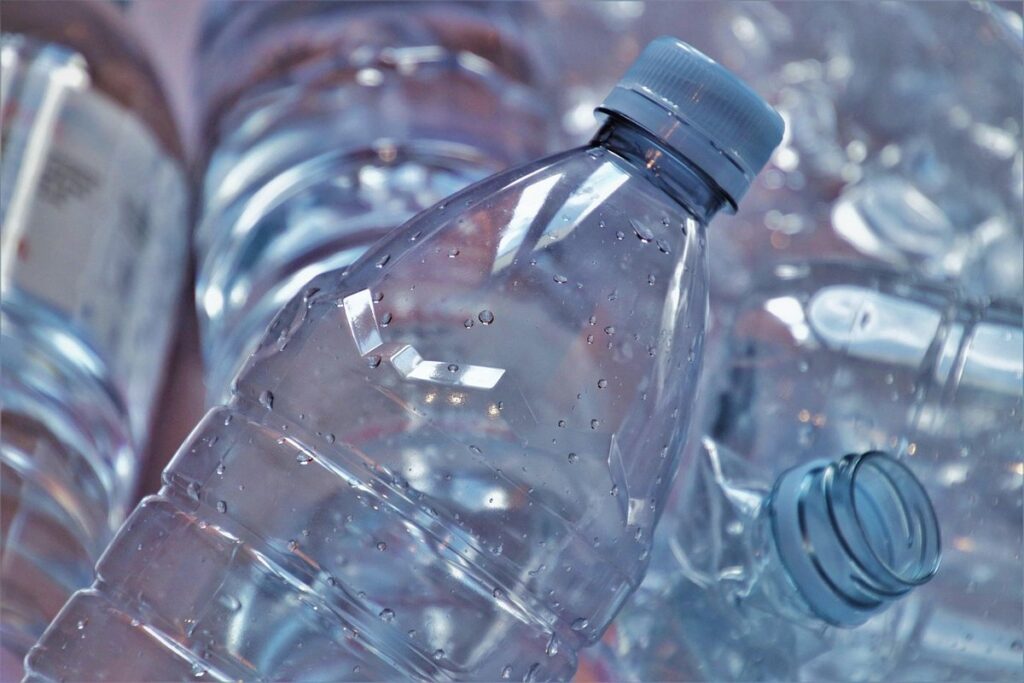
Single-use plastics are a significant contributor to kitchen waste, with many households using disposable containers for storing and transporting food. These plastics often end up in landfills or oceans, where they can take hundreds of years to decompose. By switching to eco-friendly food storage containers, you can significantly reduce your plastic usage.
One way to make an impact is to focus on the most frequently used items in your kitchen. For example, replace disposable plastic containers for storing leftovers with reusable glass or stainless steel containers. You can also opt for BPA-free plastic containers as a safer alternative. Additionally, consider using cloth or paper bags instead of single-use plastic bags for storing snacks or fruits.
To make this transition smoother, start by replacing one type of container at a time. This will help you get accustomed to using your new eco-friendly containers and reduce the amount of waste generated in the long run. For instance, replace all your plastic storage containers with reusable ones, then move on to replacing disposable bags with cloth or paper alternatives.
Long-Term Cost Savings with Reusable Containers
Investing in reusable containers may seem like a significant upfront cost, but it offers long-term cost savings that far outweigh disposable alternatives. According to the Environmental Protection Agency (EPA), households can save up to $100 per year by switching from single-use containers to reusable ones.
The key to realizing these savings lies in calculating the average lifespan of your reusable containers. A high-quality glass container, for instance, can last for 5-10 years or more with proper care. In contrast, disposable plastic containers are used once and then discarded, contributing to a staggering amount of waste. By doing some simple math – let’s say you use an average of 1-2 disposable containers per week – you can estimate that switching to reusable containers will save you around $50-$100 annually.
To put these savings into perspective, consider this: with the cost of a single reusable container ranging from $5 to $20, it would take approximately 3-12 months for the upfront investment to pay off. After that, you’ll be saving money year after year without having to worry about constant purchases and waste disposal.
Types of Eco-Friendly Food Storage Materials
From stainless steel containers to glass jars, and bamboo wraps to silicone bags, we’ll explore the various eco-friendly materials used for food storage.
These alternatives offer a range of benefits, from reducing plastic waste to providing non-toxic storage options.
Glass Containers for a Non-Toxic Kitchen
Glass containers are a popular choice for eco-friendly food storage due to their non-toxic and sustainable nature. One of the primary benefits of glass is its chemical inertness, meaning it won’t leach chemicals into food like some plastics may. This makes it an ideal material for storing acidic or oily foods, which can be particularly problematic for plastic containers.
When shopping for glass containers, look for ones made from borosilicate glass, which is more resistant to thermal shock and less likely to break. You’ll also want to ensure the lids are BPA-free and made from a non-toxic material like stainless steel or silicone. Some popular brands offer tempered glass containers with secure-fitting lids, perfect for storing leftovers.
A common misconception about glass containers is that they’re more prone to contamination due to their porous nature. However, most modern glass containers have smooth surfaces that are easy to clean and resistant to bacterial growth. To maintain the quality of your glass containers, avoid using abrasive cleaners or scouring pads, which can scratch the surface. Instead, wash them by hand with mild soap and dry thoroughly after each use.
BPA-Free Plastic Containers: A Safer Alternative
BPA-free plastic containers have become a safer alternative for food storage, as they minimize exposure to chemicals linked to health issues. Bisphenol A (BPA) is a chemical used in traditional plastics that can leach into food, particularly when heated or exposed to acidic substances like tomatoes. This has sparked concerns about its potential impact on human health, including reproductive problems and cancer.
When shopping for BPA-free plastic containers, look for products made from polypropylene or polyethylene, as these materials are less likely to contain BPA. Some popular brands offer BPA-free options, which can be a good starting point for those transitioning to eco-friendly food storage. However, it’s essential to note that even if a container is labeled “BPA-free,” it may still contain other chemicals of concern.
To ensure the safety of your BPA-free plastic containers, follow these guidelines: always check the manufacturer’s claims and certifications, such as NSF International or UL (Underwriters Laboratories), which verify the product meets certain standards for chemical safety. Additionally, store food in a well-ventilated area to minimize exposure to chemicals that may leach from the container.
Features to Consider When Choosing Eco-Friendly Food Storage Containers
When selecting eco-friendly food storage containers, consider factors like material durability, leak-proof seals, and ease of cleaning to ensure a sustainable kitchen solution. Look for materials that are non-toxic and BPA-free.
Leak-Proof Lids for Convenience
When choosing eco-friendly food storage containers, a leak-proof lid is an essential feature for convenience. It prevents spills and messes, making meal prep and serving easier. Look for containers with tightly sealing lids that create a vacuum seal to keep contents fresh.
Consider the type of container and its intended use when selecting a leak-proof lid. For example, if you plan to store liquids like broth or juice, you’ll want a lid with a secure closure mechanism. Some eco-friendly containers feature snap-on lids or twist-off caps, while others have silicone seals that provide an extra layer of protection.
A leak-proof lid also helps maintain the integrity of your stored food. Without it, moisture can seep in and cause spoilage, wasting your food and resources. To ensure your container’s lid is leak-proof, check for a secure fit between the lid and container. A good seal should be airtight, but not too difficult to open or close.
Some eco-friendly containers feature innovative designs that make it easy to clean and maintain their lids. For instance, some lids are dishwasher safe or have removable parts that can be washed separately.
Airtight Seals for Freshness Preservation
Airtight seals are a crucial feature to consider when choosing eco-friendly food storage containers. They play a vital role in maintaining freshness and preventing spoilage by keeping air, moisture, and contaminants out of the container. Without a good seal, even the most airtight containers can allow oxygen to seep in, causing food to deteriorate faster.
To demonstrate the importance of airtight seals, consider this: did you know that bread can go stale in as little as 24 hours if not stored properly? This is because air and moisture are allowed to penetrate the container, causing the bread’s texture and flavor to degrade. In contrast, a container with an effective seal can keep bread fresh for several days.
When shopping for eco-friendly food storage containers, look for ones with secure-fitting lids or silicone gaskets that create an impenetrable barrier between the container and its contents. Some popular materials used in making airtight seals include rubber, silicone, and TPU (thermoplastic polyurethane). When choosing a container, consider the type of food you’ll be storing most frequently and select one with a seal that’s specifically designed to meet your needs.
Brands and Products to Consider: Eco-Friendly Food Storage Containers
When shopping for eco-friendly food storage containers, several brands stand out for their commitment to sustainability and innovative designs. Let’s take a closer look at some of our top picks.
Popular Brands Offering Sustainable Options
Many popular brands have made a commitment to sustainability by offering eco-friendly food storage containers. Take Pyrex, for example, which has been a household name for over 100 years and is known for its high-quality glass containers that can be used for both cooking and storing food. Another well-known brand is OXO, which offers a range of sustainable products including stainless steel and glass containers.
Other popular brands offering eco-friendly options include Rubbermaid, which has introduced a line of BPA-free plastic containers made from 100% recyclable materials, and Sistema, which uses a combination of recycled plastic and plant-based materials in its containers. These brands are making a significant impact on reducing waste and promoting sustainability in the kitchen.
When shopping for eco-friendly food storage containers, look for brands that prioritize sustainable materials, such as stainless steel or glass, and those that offer recyclable or biodegradable packaging. Some popular online retailers like Amazon and Thrive Market also carry a range of eco-friendly options from various brands, making it easier to find the perfect container for your needs.
Innovative Products Pushing the Boundaries of Sustainability
Companies like Full Harvest and Goodbye Plastic are pioneering innovative products that redefine sustainability in food storage. Full Harvest’s line of reusable glass containers with a built-in infuser allows for perfectly ripened fruits and vegetables, reducing food waste and the need for single-use packaging. Their products also boast an impressive durability, standing up to rough handling and harsh cleaning conditions.
Goodbye Plastic, on the other hand, has introduced a range of BPA-free, plant-based containers that are fully compostable at home. These bioplastics are made from renewable resources like cornstarch or sugarcane, offering a sustainable alternative to traditional plastics. When they reach the end of their life cycle, these containers can be easily broken down and returned to nature.
Other brands are also pushing the boundaries of sustainability by incorporating technology into their products. For example, some smart containers now come equipped with temperature control features that help keep food at the perfect storage temperature, extending shelf life and reducing energy consumption. These innovative designs not only make sustainable food storage more accessible but also provide users with a seamless user experience.
DIY Eco-Friendly Food Storage Solutions
Transforming your kitchen into a sustainable haven starts with thoughtful storage solutions, and we’ll show you how to create eco-friendly food containers using everyday materials.
From old jars to reusable bags, get creative with these clever DIY ideas that reduce waste and keep your food fresh.
Upcycling Old Containers for a Zero-Waste Kitchen
Upcycling old containers is a great way to breathe new life into discarded kitchen items and reduce waste. Start by gathering a variety of containers, such as glass jars, plastic tubs, or metal cans. Clean them thoroughly with soap and water, and then get creative. For example, turn an old peanut butter jar into a spice container by attaching a label and adding a small scoop.
Consider upcycling containers made from stainless steel or ceramic, which can withstand high temperatures and are non-toxic. You can also repurpose old wooden crates as utensil holders or cutting boards. To add a personal touch, decorate your upcycled containers with paint, stickers, or decoupage. This not only makes them visually appealing but also helps to identify their contents.
When choosing which containers to upcycle, prioritize those made from materials that can be easily cleaned and sanitized. Avoid items with broken handles or lids, as they may not be safe for storing food. By repurposing old containers, you’ll reduce waste, save money, and create unique storage solutions that reflect your personal style.
Natural Materials for Making Your Own Containers
When it comes to making your own eco-friendly food storage containers at home, natural materials offer a cost-effective and sustainable solution. Consider using bamboo, wood, or rattan for crafting containers. These materials are biodegradable, non-toxic, and can be sourced locally.
For a more rustic look, consider upcycling old wooden crates or pallets to create unique containers. Simply sand the surface, apply a natural sealant like beeswax or coconut oil, and use them to store dry goods like grains, nuts, or spices.
Another option is to repurpose glass jars or bottles. Clean and sterilize them thoroughly before using them for storing food items like oils, vinegars, or condiments. You can also decorate the jars with natural labels made from paper or plant-based ink for a touch of personalization.
Keep in mind that when working with natural materials, it’s essential to maintain their quality by cleaning and drying them properly after each use. This will help extend the lifespan of your handmade containers and prevent damage from moisture or pests.
Tips for Transitioning to Eco-Friendly Food Storage
As you start replacing your old food storage containers, consider these practical tips for a seamless transition to sustainable kitchen essentials that work for you. Ease into eco-friendly habits without sacrificing convenience.
Gradual Replacement of Existing Containers
When replacing existing containers with eco-friendly alternatives, it’s essential to do so gradually. This approach helps you avoid a cluttered kitchen and ensures that new containers get used consistently before old ones are discarded. Start by identifying the most frequently used containers and replace them first.
Begin with small steps, such as swapping out one or two plastic containers for glass or stainless steel alternatives each week. This will help you adjust to using new materials without feeling overwhelmed. You can also involve family members in this process by assigning tasks like washing and labeling the new containers.
Consider a ‘container rotation’ system where old containers are retired after a set period, say 6-12 months, and replaced with eco-friendly ones. This approach not only reduces waste but also allows you to monitor the performance of your new containers. For instance, if you notice that certain glass containers are prone to chipping, you can replace them sooner rather than later.
A gradual replacement strategy also helps you assess which types of containers work best for specific tasks, such as storing leftovers or packing lunches. By doing so, you’ll be able to optimize your storage system and make the most out of your eco-friendly investments.
Maintaining the Quality and Cleanliness of Your New Containers
To maintain the quality and cleanliness of your new eco-friendly food storage containers, it’s essential to follow a few simple practices. First, wash your containers thoroughly before using them for the first time. This will remove any residue or debris that may have accumulated during transportation or manufacturing.
For daily use, wash your containers with mild soap and warm water after each use. Avoid using abrasive cleaners or scouring pads, as these can damage the container’s surface. Instead, opt for a soft sponge or cloth to wipe down the interior and exterior.
Regularly cleaning your containers will prevent the buildup of bacteria and other microorganisms that can affect food quality and safety. For example, if you’re storing fruits or vegetables, wash the container with a mixture of equal parts water and white vinegar to help remove any lingering odors or contaminants.
To dry your containers thoroughly, place them upside down on a clean towel after washing. This will prevent water spots from forming and ensure your containers remain in good condition for years to come.
Frequently Asked Questions
How to Clean and Sanitize Eco-Friendly Food Storage Containers for Optimal Performance
Yes, cleaning and sanitizing eco-friendly food storage containers is crucial to maintain their performance. To keep your containers in good condition, wash them with mild soap and warm water after each use. For tougher stains or odors, mix equal parts water and white vinegar in the container and let it soak for a few hours before rinsing.
What if I Have Limited Space in My Kitchen for Storing Eco-Friendly Containers?
Consider using stackable containers to maximize storage space. You can also look into wall-mounted organizers or hanging baskets that keep your eco-friendly food storage containers off the counter while keeping them within easy reach.
Can I Use Glass Containers for Hot Foods, and If So, Are There Any Special Precautions to Follow?
Yes, you can use glass containers for hot foods, but make sure they are specifically designed for high-temperature use. Avoid sudden temperature changes or placing hot containers near drafts that could cause the glass to shatter.
How Do I Know Which Type of Eco-Friendly Container Is Best Suited for a Specific Food, Such as Meat, Dairy, or Fruits?
Choose containers based on their material’s compatibility with the food type and its moisture content. For example, glass is ideal for storing dry goods like grains or pasta, while BPA-free plastic containers are better suited for storing liquids or high-moisture foods.
Are Eco-Friendly Food Storage Containers Worth the Investment If I Plan to Move Soon?
While eco-friendly food storage containers may seem like a luxury investment, they can be worth it in the long run. Consider their durability and the potential savings on disposable alternatives. Additionally, some brands offer products with reusable labels or tags that can be easily removed when moving to your new location.

