You’ve got a closet full of old clothes that are still in great condition, but you’re not sure what to do with them. Maybe you’ve seen friends and family members throwing away perfectly good garments because they’re no longer fashionable or fit for purpose. Upcycling clothes is an excellent way to breathe new life into discarded items, reducing waste and creating unique, eco-friendly fashion pieces that reflect your personal style.
Upcycling is more than just a hobby; it’s also a lucrative opportunity to earn money by transforming old clothes into sought-after items. With the growing concern for sustainability in the fashion industry, people are looking for creative ways to reuse and recycle their clothing. In this beginner’s guide, we’ll show you how to upcycle clothes like a pro, covering essential techniques and profitable ideas to get you started. By the end of this article, you’ll have the skills and confidence to transform discarded clothing into new, eco-friendly fashion items that can be sold or enjoyed for years to come.
What is Upcycling?
So, what exactly is upcycling? Simply put, it’s the creative process of turning old or discarded materials into something new and unique, like transforming last season’s clothes into a trendy garment.
Definition and Benefits
Upcycling clothes involves breathing new life into old garments by repurposing them into something more valuable. This process not only gives discarded clothing a second chance but also reduces waste and conserves resources. By reimagining old items, you’re essentially turning trash into treasure.
One of the most significant benefits of upcycling is the reduction of textile waste. The fashion industry generates massive amounts of waste each year, with millions of pounds of clothing ending up in landfills. Upcycling helps combat this issue by giving old clothes a new purpose. Consider transforming an old t-shirt into a reusable bag or turning a vintage scarf into a one-of-a-kind accessory.
Upcycling also allows you to think creatively and push the boundaries of fashion. By repurposing old clothing, you can create unique pieces that reflect your personal style. For example, you could turn an old dress into a patchwork quilt or transform a pair of jeans into a handmade tote bag. With a little imagination and resourcefulness, upcycling can help you reduce waste while creating something truly special.
History of Upcycling
The concept of upcycling has been around for several decades, with its roots in sustainable fashion. In the 1970s and 1980s, designers such as Iris Haussler and Victor Papanek popularized the idea of giving new life to discarded materials. They saw potential in items like old textiles, cardboard, and plastic bottles. However, upcycling was initially more about creating decorative items than wearable clothing.
Fast forward to the early 2000s, when the term “upcycling” started gaining traction among crafty individuals and eco-conscious consumers. Online platforms and blogs began sharing tutorials and projects that showed readers how to transform old clothes into unique accessories or new garments. This DIY approach not only reduced waste but also allowed people to express their creativity.
Today, upcycling is a widely accepted practice in the fashion industry. Many brands now incorporate sustainable practices into their production processes, including using recycled materials and encouraging customers to repurpose old items. The rise of social media has made it easier for individuals to share their upcycling projects, inspiring others to join the movement.
Getting Started with Upcycling
Now that you have a basic understanding of upcycling, let’s talk about how to get started on your own creative projects. Begin by taking stock of the clothes in your closet and thinking about what can be repurposed into something new.
Essential Tools and Supplies
To get started with upcycling clothes, you’ll need a few essential tools and supplies. Scissors are a must-have for cutting fabric, ribbons, and other materials. Choose sharp ones to make the process easier and less frustrating.
A hot glue gun is another crucial tool for attaching embellishments or repairing damaged areas. Be sure to use caution when handling it, as the glue can burn your skin if not handled properly. You’ll also need a pair of tweezers for delicate work, such as sewing on buttons or beads.
When it comes to creative resources, consider investing in fabric paint, markers, or stencils. These allow you to add unique designs and patterns to your upcycled garments without having to sew or glue. Other useful materials include ribbons, lace, and embroidery floss for adding embellishments or creating intricate details.
Don’t forget about the basics: a sewing machine (optional), iron and ironing board, measuring tape, and a seam ripper. These will come in handy when repairing or altering existing garments, or when working with heavier fabrics like denim or canvas.
Basic Techniques for Beginners
To start upcycling clothes, you’ll need to develop some fundamental techniques. Deconstructing involves taking apart existing garments to reuse individual components like zippers, buttons, or fabric pieces. Begin by carefully disassembling a thrift store find or an old favorite, paying attention to how the seams are constructed and what materials are used.
Refashioning means giving new life to an old garment by altering its shape or style. This can be as simple as turning a t-shirt into a reusable bag or shortening pant legs to create a trendy crop top. To refashion successfully, start by considering the garment’s original design and how you can modify it to suit your needs.
Embellishing involves adding decorative elements like embroidery, patches, or appliques to enhance an item’s visual appeal. You can use pre-made embellishments or get creative with materials like fabric scraps, buttons, or even natural fibers like wool or silk. For a beginner-friendly approach, try adding simple designs like stripes or polka dots using fabric paint or markers.
Common Upcycled Clothing Items
When starting out with upcycling, it’s essential to know which items are easiest to transform into something new and unique, and jeans, t-shirts, and sweaters are a great place to begin. Let’s take a look at these popular pieces and their potential for creative repurposing.
T-Shirts and Tops
You can turn an old t-shirt into a unique top by cutting off the sleeves and hemming the bottom. This creates a tank-style top perfect for warmer weather. Add some embroidery or appliques to give it a personalized touch.
For a more dramatic look, cut out the front panel of the shirt to create a halter-neck dress. You can also use the leftover fabric to make a matching headband or scarf. If you have multiple old t-shirts in similar colors and patterns, consider upcycling them into a coordinated set of accessories.
To give your old tee new life as a bag, cut it into strips and braid them together. This creates a sturdy yet stylish tote bag perfect for grocery shopping or carrying books. Alternatively, sew the front and back panels together to create a reversible tote with a soft, cotton interior. When choosing an old t-shirt to upcycle, look for ones made from high-quality materials like cotton or linen that will withstand repeated use.
Pants and Skirts
Transforming old pants and skirts is a great way to breathe new life into discarded garments. By cutting off the hem or crotch seam, you can create shorts from full-length pants. This approach works particularly well with linen or cotton pants that have lost their shape due to repeated washing.
For skirts, consider repurposing them as flowy tops or dresses by simply tying the waist at a different point or adding a makeshift belt. Some upcyclers take this concept further by creating unique pairs of shoes from old pant legs. This often involves attaching a sole and insole to the cut-off leg, then decorating it with fabric paint, embroidery, or other embellishments.
When repurposing pants or skirts into new items, be mindful of the original garment’s condition and fabric type. For example, denim can be tough to upcycle due to its heavy weight and stiff texture. In contrast, lightweight fabrics like silk or chiffon are often ideal for creative transformations because they’re easy to manipulate and shape.
By experimenting with different cuts and styles, you can unlock a wealth of possibilities when transforming old pants and skirts into new, one-of-a-kind pieces.
Advanced Upcycling Techniques
Now that you’ve mastered basic upcycling skills, it’s time to take your creativity to the next level by learning advanced techniques for transforming old clothes into truly unique pieces. We’ll explore innovative methods to elevate your repurposing game.
Embroidery and Appliqué
Embroidery and appliqué are advanced techniques for adding intricate designs and embellishments to upcycled clothing items. These methods involve using thread, yarn, or fabric to create decorative elements on garments.
To start with embroidery, you’ll need a needle, thread, and a hoop or frame. You can use traditional stitches like running stitch, backstitch, or satin stitch for simple designs, or move on to more complex techniques like cross-stitch or stem stitch. Consider using metallic or variegated threads to add depth and visual interest.
For appliqué, you’ll need fabric shapes or templates, a needle, and matching thread. Cut out your design elements from contrasting fabrics, then sew them onto the garment using a simple running stitch or a decorative stitch like the blanket stitch. To create more intricate designs, try layering multiple shapes or using a combination of embroidery and appliqué techniques.
When working with delicate fabrics, use a stabilizing material like interfacing to prevent distortion or puckering. Experiment with different stitches, threads, and fabric combinations to develop your unique style and add an extra touch of personality to upcycled clothing items.
Working with Different Fabrics
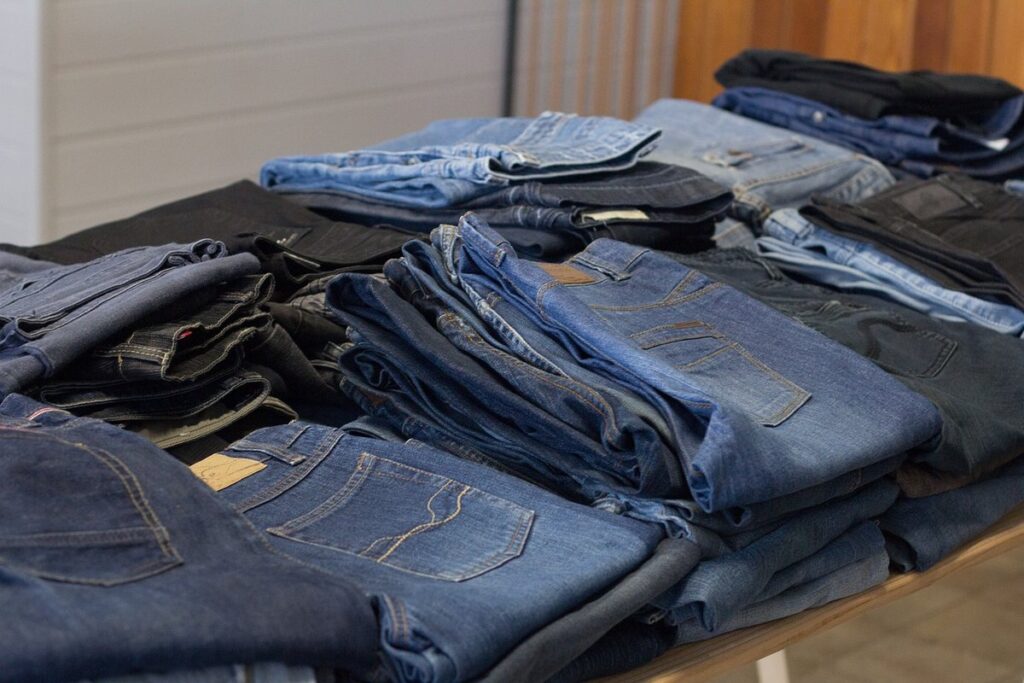
When working with different fabrics, it’s essential to understand their unique characteristics and properties. Denim, for instance, is a popular choice for upcycling due to its durability and versatility. To clean and prepare denim for upcycling, you can soak it in water or use a gentle detergent specifically designed for washing jeans.
Leather, on the other hand, requires more care when working with it. Avoid using harsh chemicals or abrasive scrubbers that can damage the material. Instead, opt for a soft-bristled brush and a mild soap solution to gently clean the leather. When upcycling leather items, consider using a stabilizing agent like interfacing to prevent distortion.
Silk fabrics are delicate and prone to snagging, so handle them with care. To minimize damage, use a silk-specific cleaning product and avoid exposure to direct sunlight or heat sources. When working with silk, it’s also essential to use sharp scissors and avoid stretching or pulling the fabric excessively. By understanding these fabric-specific considerations, you can confidently incorporate denim, leather, and silk into your upcycled projects and achieve professional-looking results.
Upcycling Clothes for Profit
To turn a profit from upcycled clothes, you’ll need to understand how to price your items competitively and market them effectively. Let’s explore strategies for selling repurposed clothing online.
Turning Your Passion into a Business
When you’re passionate about upcycling clothes, it’s only natural to want to share your creations with a wider audience. To turn your hobby into a business, start by identifying your target market and what types of items will appeal to them. For online sales, focus on platforms like Etsy or eBay, where buyers are actively seeking unique, handmade items.
When pricing your upcycled goods, consider the cost of materials, time spent creating each item, and any additional expenses such as shipping. A good rule of thumb is to research what similar items are selling for online and price your pieces competitively. At local markets, you can use a combination of signage and verbal pitches to showcase your products and attract customers.
To market your creations effectively, take high-quality photos that highlight the unique features and textures of each item. Utilize social media platforms to share behind-the-scenes glimpses into your creative process, sneak peeks of new designs, and customer testimonials. By focusing on quality, pricing competitively, and effectively showcasing your products, you can build a loyal customer base and turn your passion for upcycling clothes into a profitable business.
Collaborating with Other Creatives
Partnering with other creatives can breathe new life into your upcycled clothing collections and help you tap into their expertise. By collaborating with designers, artists, or makers who share your vision, you can create one-of-a-kind pieces that appeal to a wider audience. For instance, consider teaming up with a textile artist to design hand-painted prints for your garments, or collaborate with a fashion designer to infuse your collection with high-end style.
When seeking out potential partners, look for individuals who share your passion and aesthetic. Join online communities or local workshops where creatives gather to exchange ideas and resources. Attend trade shows or markets to connect with suppliers, manufacturers, and fellow upcyclers. Be clear about your goals and expectations when approaching collaborations – outline the project scope, timelines, and profit-sharing arrangements to avoid misunderstandings.
By expanding your professional network through partnerships, you can access new skills, knowledge, and resources that can elevate your upcycling business. Consider sharing credit or royalties with collaborators who contribute significantly to a collection’s success. This approach not only fosters creative growth but also encourages mutual support within the community of makers and designers working together to repurpose discarded textiles.
Conclusion: Embracing the Upcycling Mindset
Now that you’ve upcycled your first garment, it’s time to think creatively about how to integrate this new skill into your daily life and further minimize waste. Here are some final tips for sustaining your newfound upcycling enthusiasm.
Tips for a Sustainable Wardrobe
To truly integrate upcycling into your daily life, it’s essential to adopt a mindful approach to fashion. This begins with reducing fashion waste by buying second-hand first and choosing timeless pieces over trendy ones. Avoid impulse purchases, and instead, plan your wardrobe around what you already own or can easily source from thrift stores. When shopping for new clothes, look for items made from sustainable materials, such as organic cotton or recycled polyester.
Proper care of your existing clothes is also crucial in reducing waste. Learn how to repair simple tears and holes, and know when it’s time to let go of an item that can no longer be saved. Consider the 80/20 rule: 80% of the time, you likely wear 20% of your clothes. Identify these staples and focus on caring for them accordingly.
Another key aspect is adopting an eco-friendly mindset when it comes to fashion. This involves considering the full lifecycle of a garment – from production to disposal. Think about how you can repurpose or upcycle items instead of discarding them. For example, turn old t-shirts into reusable bags or transform thrift store finds into unique accessories.
In addition to individual actions, also consider the broader impact of your purchasing habits. Support brands that prioritize sustainability and transparency in their supply chains. When shopping online, research the return policies and recycling programs in place for items you no longer want. By making these conscious choices, you’ll not only reduce waste but also contribute to a more environmentally responsible fashion industry.
Frequently Asked Questions
Can I upcycle clothes that have sentimental value?
Yes, it’s possible to upcycle clothing items with sentimental value while still preserving their emotional significance. Consider incorporating meaningful patches or embroidery into the new design, or repurpose the item in a way that honors its original purpose.
How do I know if my upcycled creations are profitable?
To determine whether your upcycled items will sell well, research market demand for similar products online and at local markets. Also, consider pricing your creations competitively while taking into account the time and materials invested in each piece.
What if I don’t have a sewing machine or basic sewing skills?
You can still create unique upcycled clothing items without a sewing machine by using hot glue guns, fabric paint, or other non-sewing techniques. Online tutorials and YouTube videos often provide step-by-step instructions for these methods.
How do I handle fabric shrinkage when working with different materials?
When combining fabrics of varying shrink rates, use a fusible interfacing to stabilize the fibers and prevent distortion in your final product. This helps maintain the desired shape and prevents unwanted changes during washing or drying.
Can I upcycle clothes that have been heavily worn or damaged?
Yes, you can repurpose even heavily worn or damaged clothing items by cutting out usable sections or transforming them into accessories like bags or patches for other garments. This way, you’re giving old clothes a new life while minimizing waste and reducing the need for raw materials.