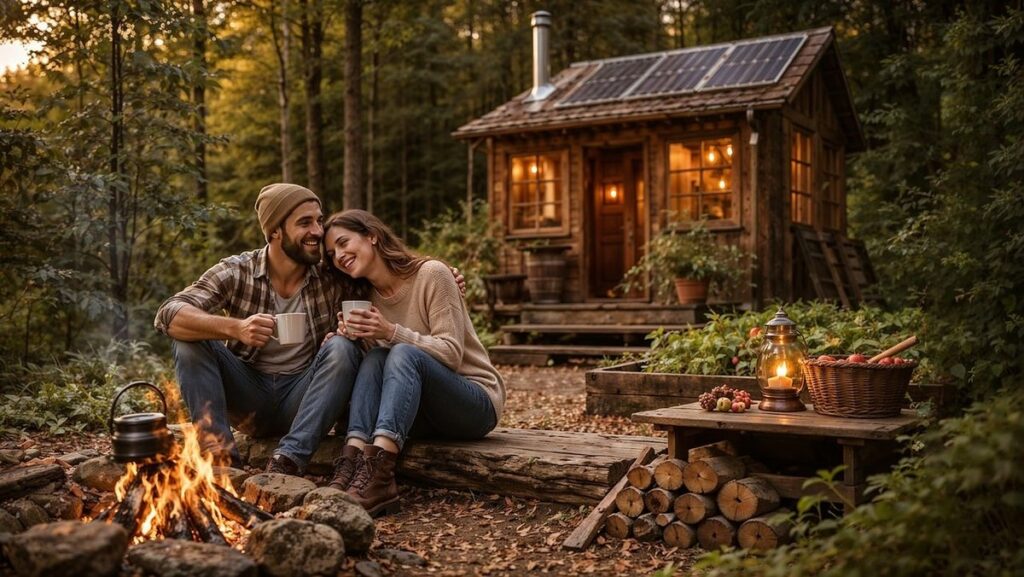
Finding time to enjoy your favorite activities can be a challenge in today’s fast-paced world. Many people struggle to prioritize their well-being, but making space for enjoyable hobbies is essential for happiness and fulfillment. A creative pursuit or social activity that brings you joy can have a profound impact on your mental health and overall quality of life. Whether it’s painting, hiking, or trying out a new recipe, the possibilities are endless. However, many of us get caught up in our daily routines and forget to make time for the things we love. In this article, you’ll discover a range of enjoyable hobbies that fit different lifestyles and learn how to prioritize them effectively for maximum happiness and fulfillment by the end.

Choosing a Hobby That Fits Your Lifestyle
Finding the perfect hobby can be daunting, especially when considering your schedule and interests. Let’s explore how to match your lifestyle with a fulfilling activity that brings joy.
Assessing Your Availability
When evaluating potential hobbies, it’s essential to consider your availability. Start by assessing your schedule: what time slots are consistently free, and when do you feel most energized? Be honest about your daily commitments – work hours, family responsibilities, and social engagements can significantly impact the time you have for leisure activities.
Take stock of your energy levels as well. If you’re chronically exhausted or experience mid-day slumps, it’s unrealistic to expect yourself to engage in an evening hobby that demands a lot of physical exertion. Conversely, if you’re naturally high-energy, consider ways to channel that into more productive pursuits.
Finally, weigh the significance of your personal responsibilities against the time commitment required by each hobby. For instance, if you have young children or elderly family members relying on you for care, it’s crucial to prioritize their needs over anything that might compromise your availability. By carefully evaluating these factors, you’ll be able to determine which hobbies are feasible and enjoyable for you in the long term.
Identifying Your Interests
When reflecting on past experiences, think back to activities that genuinely brought you joy. Was it a family trip to the beach, a weekend camping with friends, or a cooking class with a loved one? These moments often serve as clues to what truly brings happiness and fulfillment to your life. By examining these instances, you can begin to identify patterns and interests that may not have been immediately apparent.
Consider seeking advice from trusted friends or family members as well. They may be able to suggest new activities or hobbies that they’ve enjoyed themselves. Ask them about their favorite pastimes and why they find them so enjoyable – often, hearing someone else’s enthusiasm can spark our own interest. You might also ask if there are any activities or skills they think you’d excel at or enjoy learning. This can help expand your horizon and expose you to new possibilities.
Researching Low-Maintenance Hobbies
When exploring low-maintenance hobbies, consider activities that don’t require a significant upfront investment. Walking is an excellent example – it’s free and can be done almost anywhere. Reading also fits the bill, as you can borrow books from libraries or download free e-books.
Journaling is another hobby that involves minimal setup. All you need is a notebook and pen to get started. Some people prefer digital tools, like note-taking apps on their phones, while others enjoy the tactile experience of writing by hand. The key is to choose an approach that works for your lifestyle.
In terms of equipment, some hobbies are naturally more low-maintenance than others. For instance, you don’t need any special gear to try meditation or deep breathing exercises – just a quiet space to sit and focus. Similarly, learning a new language can be done with free online resources like Duolingo.
When researching low-maintenance hobbies, look for activities that align with your interests and skills. You may also want to consider hobbies that can be adapted to different environments or situations. By choosing hobbies that fit your lifestyle, you’ll be more likely to stick with them and enjoy the benefits they have to offer.
Creative Pursuits: Unlocking Your Artistic Potential
Whether you’re a seasoned artist or just starting out, exploring your creative side can be a fulfilling way to express yourself and bring joy into your life. Discover how making time for artistic pursuits can enrich your free time.
Exploring Visual Arts
Exploring visual arts can be a highly rewarding creative pursuit, offering an outlet for self-expression and imagination. For beginners, it’s essential to start with the basics: understanding color theory, composition, and technique. Painting and drawing are excellent mediums to begin with, as they allow for experimentation with different styles and media.
You can explore watercolor, acrylic, or oil painting, each with its unique characteristics and challenges. Drawing classes often focus on foundational skills like perspective, proportion, and line work. Online resources like Skillshare, Craftsy, and YouTube tutorials provide an extensive range of lessons and workshops to supplement classroom learning.
Photography is another exciting medium for visual artists, allowing you to capture the world around you in a new light. You can begin with smartphone apps or invest in basic camera equipment. Sculpting offers a more tactile experience, where you can work with various materials like clay, wood, or stone to create three-dimensional pieces. Local art schools, community centers, and online forums provide opportunities to learn from experienced artists, get feedback on your work, and stay motivated throughout the creative process.
Writing: A Therapeutic Hobby
Writing as a hobby can be incredibly therapeutic. By putting pen to paper, you can express yourself freely, release emotions, and gain clarity on your thoughts and feelings. Journaling, for instance, allows you to reflect on your experiences, identify patterns, and develop self-awareness. Creative writing, whether fiction or non-fiction, enables you to tap into your imagination, experiment with language, and explore different perspectives.
If you’re new to writing, start by setting aside a dedicated time each day or week to write without judgment. Begin with short sessions, even just 10-15 minutes a day, and focus on the process rather than the outcome. When writer’s block strikes, try freewriting – write whatever comes to mind without stopping or worrying about grammar, spelling, or coherence.
Blogging can also be an excellent outlet for self-expression and creativity. Choose a topic that genuinely interests you, and don’t worry too much about audience appeal at first. Write from the heart, and your authenticity will shine through. Remember, writing is not about perfection; it’s about the therapeutic benefits of creating something unique to yourself.
Music and Dance: Expressive Hobbies
Engaging with music and dance can be a great way to express yourself creatively and add variety to your hobby routine. Playing an instrument, singing, or taking dance classes can be a fun way to challenge yourself and develop new skills. Not only do these activities provide an outlet for self-expression, but they also offer numerous physical and mental health benefits.
When it comes to getting started with music or dance, there are many online resources available. Websites like YouTube and Skillshare offer a wide range of tutorials and classes that cater to different skill levels and interests. You can find video lessons on everything from beginner’s guitar chords to advanced ballet techniques. Online platforms also allow you to learn at your own pace, revisit difficult concepts, and practice as much or as little as you want.
Some popular online resources for learning music include Fender Play and Yousician, which offer interactive lessons and exercises to help you improve your playing skills. For dance enthusiasts, websites like DanceWithMe and MasterClass provide step-by-step tutorials and instruction from professional dancers. By tapping into these resources, you can easily incorporate music and dance into your hobby routine and enjoy the many benefits they have to offer.
Outdoor Activities: Connecting with Nature
Connecting with nature is a wonderful way to unwind and recharge, whether it’s hiking, camping, or simply spending time outdoors. Let’s take a closer look at some outdoor activities that can bring joy and fulfillment into your life.
Hiking and Camping
Spending time outdoors can be incredibly rewarding, and activities like hiking and camping offer a unique way to connect with nature. For beginners, finding popular hiking spots is often the first step. Websites like AllTrails or REI’s Trail Guide provide valuable resources for discovering new trails and filtering by difficulty level.
When it comes to planning a camping trip, consider factors like weather forecasts and trail conditions. Pack essential gear such as a tent, sleeping bag, and backpack with a water filter or purification tablets. Don’t forget to bring layers for changing temperatures and a first aid kit.
Some benefits of spending time outdoors include improved mental health and reduced stress levels. Being in nature has been shown to lower cortisol levels and boost mood. Even short hikes or camping trips can be beneficial, so try to incorporate these activities into your routine regularly. To get started, research local parks or national forests and plan a trip with friends or family. Remember to check regulations and obtain any necessary permits before heading out.
Gardening and Landscaping
When it comes to gardening, selecting the right plants for your climate and available sunlight is crucial. Research different species and their specific needs to ensure you’re choosing varieties that will thrive. A little planning upfront can save time and effort down the road.
Preparing the soil is another essential step in establishing a healthy garden. Test your soil type and pH level to determine what amendments are necessary. Adding organic matter like compost or manure can improve soil structure and fertility. Don’t be afraid to get hands-on – dig, mix, and aerate the soil until it’s workable.
Maintenance tasks like watering, pruning, and pest management should be scheduled regularly to keep your garden looking its best. Make time each week for a few minutes of tending, whether that means inspecting plants for signs of stress or simply giving them a good soaking. DIY landscaping projects can also add visual interest to your outdoor space. Consider repurposing materials like old brick, stone, or reclaimed wood to create unique planters, borders, or pathways.
Water Sports and Activities
Kayaking and canoeing are excellent ways to connect with nature while staying active. These paddle sports allow you to explore lakes, rivers, and coastal areas, immersing yourself in various ecosystems. Many communities offer kayaking or canoeing lessons for beginners, which can be a great way to learn new skills and make like-minded friends.
To get started, it’s essential to understand basic safety guidelines. Wear a properly fitting life jacket, and always paddle with a buddy. Be aware of weather conditions, water currents, and potential hazards such as underwater obstacles or wildlife habitats. Consider taking a certification course, such as the American Canoe Association (ACA) instructor program, to learn more about paddling techniques and safety protocols.
Swimming is another enjoyable water-based hobby that can be done almost anywhere. Joining a local swimming club or finding a swim buddy can help you stay motivated and accountable. If you’re new to swimming, start with short sessions and gradually increase your distance as you build endurance. Consider working with a swimming coach or instructor who can tailor their guidance to your needs and goals.
When trying out water sports for the first time, focus on building skills slowly and having fun in the process. With patience and practice, you’ll become more confident and proficient, allowing you to fully appreciate the joys of kayaking, canoeing, or swimming.
Social Hobbies: Building Connections
Building relationships and connections is just as essential as pursuing individual interests, so let’s explore social hobbies that bring people together.
Team Sports and Group Fitness
Participating in team sports is a great way to meet new people while engaging in physical activity. Joining a local recreational soccer league or basketball team can be an excellent option for those who enjoy competition and camaraderie with others. Not only do you have the opportunity to improve your athletic skills, but you’ll also develop teamwork and communication skills.
Group fitness classes offer another way to connect with like-minded individuals while getting in shape. Many gyms now offer a variety of group fitness classes, such as yoga or Pilates, which cater to different interests and skill levels. These classes not only provide a fun and social atmosphere but also allow you to learn new exercises and techniques from certified instructors.
When choosing a team sport or group fitness class, consider your schedule and preferences. Look for options that fit within your daily routine and suit your interests. Some gyms even offer free trial classes, allowing you to try before committing. By joining a team or group fitness class, you’ll not only improve your physical health but also develop new relationships and friendships along the way.
Volunteering and Community Service
Giving back to your community through volunteering can be a highly rewarding social hobby. Not only do you contribute to the well-being of others, but it also provides opportunities for personal growth and connection with like-minded individuals. Volunteering allows you to explore different causes and issues that resonate with you, fostering empathy and understanding.
To find local volunteer opportunities, start by researching organizations in your area through websites like VolunteerMatch or Idealist. You can also reach out to community centers, libraries, or places of worship for information on upcoming events or ongoing projects. Another approach is to network with friends, family members, or colleagues who may be involved in volunteering efforts.
Consider beginning with small commitments, such as serving at a soup kitchen or participating in a park clean-up event. As you become more engaged, you can explore longer-term opportunities, like mentoring youth or helping at an animal shelter. Even occasional volunteer work can have a significant impact when combined with the enthusiasm and dedication of others working towards a common goal.
Language Learning and Cultural Exchange
Learning a new language and immersing yourself in another culture can be incredibly enriching experiences. Not only do you gain a deeper understanding of the world around you, but you also open doors to new friendships and opportunities.
To get started with language learning, begin by setting realistic goals for yourself. Break down your objective into manageable chunks, such as dedicating 30 minutes each day to studying or practicing conversational skills. You can use free online resources like Duolingo or Rosetta Stone to access a wide range of languages and courses.
For cultural exchange programs, consider participating in homestay programs or language exchange events in your community. These platforms allow you to connect with native speakers, learn about their customs and traditions, and practice your language skills in a more immersive setting. Stay motivated by finding a language buddy or accountability partner who shares your interests and goals.
Intellectual Pursuits: Challenging Yourself
Engaging in mentally stimulating activities can help expand your knowledge and skills, whether it’s reading complex literature, learning a new language, or solving puzzles. These pursuits can challenge you in exciting ways.
Reading and Book Clubs
Reading a wide range of genres and formats can revitalize your love for reading. Consider branching out from fiction to nonfiction, memoirs, essays, and poetry. Audiobooks are an excellent option for busy schedules or those who struggle with visual processing. Experiment with different narrators, styles, and formats like graphic novels.
Reading challenges offer a structured approach to exploring various genres and authors. Examples include the “Read Women” challenge, where you read books written by women authors, or the “Dewey Decimal Challenge,” which encourages readers to explore nonfiction across multiple categories. Online platforms like Goodreads allow you to join reading groups and set personal goals.
Book clubs can also help expand your reading horizons. Local libraries often host in-person book clubs, while online communities like Book Riot’s Book Club offer a virtual space to discuss shared reads. To find the right club for you, consider joining a group focused on your preferred genre or theme. Some popular platforms for connecting with readers include Meetup and Litsy.
Learning a New Language
Learning a new language can be an incredibly rewarding hobby that opens doors to new cultures, travel opportunities, and even career advancement. Not only does it improve cognitive skills like memory and problem-solving, but it also boosts creativity and self-confidence. Imagine being able to hold conversations with locals during your next international trip or landing a job in a foreign country where language skills are highly valued.
For beginners, start by setting realistic goals and practicing consistently – even 15-20 minutes a day can be beneficial. Use apps like Duolingo, Babbel, or Rosetta Stone that cater to different learning styles and provide interactive exercises. Supplement with podcasts, YouTube channels, or online communities where you can engage with native speakers and get feedback on your pronunciation.
In addition to language learning platforms, consider enrolling in a local class or finding a language exchange partner – this will help you stay motivated and immersed in the language. Most importantly, have fun exploring the nuances of grammar, syntax, and vocabulary. The sense of accomplishment when you finally grasp a complex concept is unmatched, and it’s an enjoyable hobby that can bring long-term benefits to your personal and professional life.
puzzles and Strategy Games
Engaging in puzzles and strategy games can provide a unique combination of intellectual challenge and entertainment. Crosswords, Sudoku, and chess are popular options for those who enjoy exercising their problem-solving skills and logic. These activities require focus and concentration, which can help improve cognitive function and mental clarity.
Strategy games like board games or card games also offer an engaging experience that combines social interaction with mental stimulation. Games such as Scrabble, Risk, or Catan require players to think critically and make tactical decisions, while also interacting with others in a collaborative or competitive setting. These experiences can be especially enjoyable when played with friends or family.
When selecting puzzles or strategy games, consider your interests and skill level to choose activities that suit you. For example, if you’re new to chess, start with online tutorials or beginner-friendly variants like Blitz Chess. Similarly, if you’re interested in board games but don’t have a large group of players, look for cooperative games designed for two or three people. By incorporating puzzles and strategy games into your hobby repertoire, you can challenge yourself while also having fun exploring new interests and skills.
Staying Motivated and Making Time for Hobbies
Maintaining motivation is key when it comes to making time for hobbies, and finding ways to stay energized will help you stick with your favorite activities long-term.
Overcoming Obstacles
When life gets in the way, it’s easy to let hobbies fall by the wayside. A lack of time is a common obstacle, but it’s not always an insurmountable one. Consider prioritizing your hobby just as you would any other important commitment. Schedule it into your daily planner or calendar, and treat it with the same importance as work or family obligations.
Another challenge is maintaining motivation. If you’re struggling to stay on track, try breaking your hobby into smaller, manageable tasks. For instance, if you want to start painting but feel overwhelmed by the thought of setting up an entire studio, begin with just a small sketchbook and some basic supplies. As you make progress, you’ll build momentum and become more excited about making time for this new activity.
Some people may also face financial constraints or limited access to resources. Look for free or low-cost alternatives, such as public parks or libraries that offer art classes or equipment rentals. Consider borrowing from friends or family members who share your interests. By getting creative with available resources and finding ways to repurpose what you already have, you can overcome these obstacles and make room in your life for enjoyable hobbies.
Finding Accountability and Support
Having a support system is essential for staying motivated and making time for hobbies. It’s easy to get discouraged when faced with obstacles, but knowing you’re not alone can make all the difference. Online communities and forums are great resources for hobbyists, providing a platform to connect with others who share similar interests.
Platforms like Reddit (e.g., r/painting or r/photography) and online forums dedicated to specific hobbies offer a space to ask questions, share progress, and receive feedback from peers. Many online communities also host events, contests, or webinars that can help you stay engaged and motivated. In-person groups, such as local clubs, meetups, or workshops, provide opportunities for hands-on learning and socializing.
To find these resources, start by searching for your hobby online and see what comes up. Look for dedicated subreddits, Facebook groups, or Discord servers focused on your interest area. Attend local events, visit art supply stores, or ask friends who share similar hobbies about their favorite communities.
Measuring Progress and Celebrating Successes
Setting specific goals for your hobby helps you stay focused and motivated. Start by identifying what you want to achieve, whether it’s mastering a new skill, completing a project, or simply dedicating time to your hobby each week. Break down larger objectives into smaller, manageable tasks to avoid feeling overwhelmed.
Use a habit tracker or spreadsheet to monitor your progress. Writing down what you’ve accomplished helps you see how far you’ve come and identify areas that need improvement. Set reminders for regular check-ins with yourself – weekly or monthly, depending on your goals – to review your progress and adjust your plan as needed.
Celebrate each milestone along the way, no matter how small it may seem. Share your successes with friends or family members who encourage you, or join a community of like-minded individuals to share experiences and advice. For example, if you’re learning to paint, display your finished pieces in a dedicated space or create an online gallery to showcase your growth. By acknowledging and celebrating your achievements, you reinforce the joy and satisfaction that come with pursuing enjoyable hobbies.
Frequently Asked Questions
Can I have multiple hobbies at once?
Yes, it’s perfectly fine to have multiple hobbies simultaneously. In fact, having diverse interests can enrich your life and prevent boredom. However, be mindful of your time commitment and prioritize activities that bring you the most joy.
What if I’m struggling to find a hobby that fits my schedule?
Start by identifying short periods in your daily routine where you can dedicate 10-15 minutes to a hobby. Try combining small hobbies, like listening to music while doing chores or exercising while watching educational videos. Experiment with different activities and schedules until you find a balance that works for you.
Are there any low-cost or free hobbies I can try?
Yes! Many enjoyable hobbies are accessible without breaking the bank. Consider walking, reading, journaling, drawing, or photography – all of which require minimal setup and equipment. Online resources like YouTube tutorials, blogs, and social media groups can provide valuable guidance and inspiration.
Can I use my hobby as a way to meet new people?
Absolutely! Joining clubs, groups, or classes related to your hobby is an excellent way to connect with like-minded individuals. Volunteering for events or participating in online forums also offer opportunities to build relationships and friendships. Be open to meeting new people, and don’t be afraid to reach out to others who share similar interests.
What if I’m feeling stuck or plateaued in my hobby?
Don’t worry – it’s normal to experience a lull! Reflect on why you started the hobby in the first place, and revisit your initial goals. Consider trying a new approach, taking a break, or seeking guidance from more experienced enthusiasts. You can also try experimenting with different mediums, techniques, or styles within your chosen hobby to reignite your passion.