
Luxembourg Gardens is one of Paris’ most beloved green spaces, attracting millions of visitors each year. What draws people in? For starters, its stunning design – an elegant blend of formal gardens and informal parkland – offers a serene escape from the city’s chaos. Rich history also plays a significant role: Luxembourg Gardens has been a royal residence, a military fortress, and even a public garden since 1615. With over 23 hectares to explore, you’ll discover a diverse array of plant life, including trees, flowers, and ornamental shrubs that create a vibrant tapestry across the gardens’ many paths. This article will delve into Luxembourg Gardens’ rich history, highlight its breathtaking design elements, and introduce you to the incredible variety of flora on display. By the end of this read, you’ll be equipped with the knowledge to plan your visit and make the most of your time in these enchanting Parisian gardens.
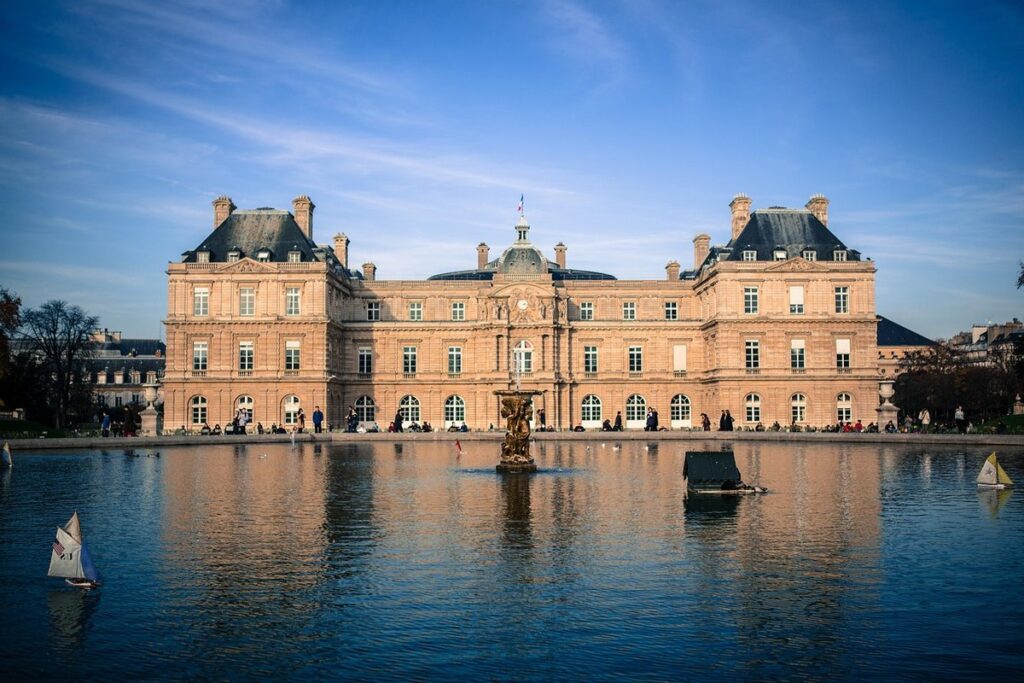
History and Significance of Luxembourg Gardens
As we walk through the beautiful Luxembourg Gardens, it’s fascinating to learn about their rich history and cultural significance, dating back to the 17th century. Let’s uncover the stories behind this iconic green space.
The Origins of the Gardens
Luxembourg Gardens have their roots in the 17th century as a royal estate for Queen Marie de Medici. Initially, it was intended to be an extension of the Tuileries Palace gardens, but the queen had grander plans. She envisioned a beautiful garden that would rival those found in her native Italy and serve as a tranquil oasis amidst the bustling streets of Paris.
The project began with a large tract of land being acquired by the king, Louis XIII’s brother Gaston, who then gifted it to his sister-in-law, Queen Marie de Medici. However, she was eventually banished from France in 1642, and her son, King Louis XIV, seized control of the estate. The young king saw potential for a magnificent garden that would serve as both an entertainment space and a symbol of French grandeur.
Over time, Luxembourg Gardens became a favorite haunt of Parisians and nobles alike. Its design incorporated Italianate elements, reflecting Queen Marie’s love for her homeland. Today, visitors can explore the beautiful promenades, fountains, and sculptures that showcase the garden’s rich history and architectural blend.
Evolution Over Time
Luxembourg Gardens have undergone significant transformations since their creation in 1612. Initially designed as a royal hunting ground for King Louis XIII, the gardens were later reimagined by Queen Marie de Medici, who transformed them into a beautiful park featuring fountains, statues, and walking paths. The gardens’ most notable renovation occurred during the 17th century, when architect André Le Nôtre was commissioned to redesign the space. Le Nôtre’s design incorporated sweeping curves, symmetrical gardens, and strategic placement of water features.
Throughout the centuries, Luxembourg Gardens have continued to adapt to changing tastes and needs. In the 19th century, the gardens were transformed into a public park, with walking paths and benches added for visitors. The current layout, which balances formal and informal spaces, was largely established by then. Today, Luxembourg Gardens serve multiple purposes: they are a popular spot for recreation, a hub for cultural events, and an important part of Paris’ urban ecosystem.
Design and Layout of Luxembourg Gardens
The design and layout of Luxembourg Gardens have been carefully crafted to create a harmonious balance between beauty and functionality, making it a joy to explore. From meandering paths to tranquil lakeside spots, every detail has been thoughtfully considered.
French Formal Garden Style
The French formal garden style has had a profound influence on the design of the Luxembourg Gardens. One of its defining features is symmetry, which is evident in the gardens’ perfectly aligned paths and vistas. The emphasis on order and balance creates a sense of harmony and tranquility, making it easy to lose yourself amidst the beauty.
Ornate fountains are another hallmark of French formal garden style, and Luxembourg Gardens has several impressive examples. These grand water features not only provide visual interest but also create a soothing atmosphere. Take note that the intricate details of these fountains are as much an art form as they are functional, showcasing the attention to detail characteristic of this design style.
As you stroll through the gardens, pay attention to how the symmetry and ornate fountains work together to create a sense of grandeur. Notice how the carefully manicured hedges and topiaries complement these features, adding depth and texture to the landscape. By incorporating similar elements in your own garden design, you can evoke a sense of French elegance and sophistication.
Notable Landmarks and Features
Luxembourg Gardens boast an impressive array of notable landmarks and features. One of the most striking is the Statue of Georges Washington, located near the garden’s entrance. This imposing bronze figure stands over 17 feet tall and offers a stunning backdrop for photographs.
The gardens also house several monuments dedicated to notable figures from French history. The Monument à la République, situated in the heart of the gardens, commemorates the establishment of the Third Republic in France. Meanwhile, the statue of Victor Hugo serves as a poignant tribute to the famous author and advocate for social justice.
Nature enthusiasts will delight in Luxembourg Gardens’ diverse plant species, including rare varieties of roses, azaleas, and rhododendrons. The garden’s greenhouse is home to an impressive collection of tropical plants from around the world. Visitors can stroll through the gardens and take in the sights, sounds, and scents of these remarkable green spaces.
Be sure to explore the various thematic areas within the gardens, each showcasing a unique aspect of French culture and horticulture.
Plant Life and Horticulture in Luxembourg Gardens
One of the joys of exploring Luxembourg Gardens is discovering the incredible variety of plant life that thrives in these beautiful green spaces, with gardens carefully tended by expert horticulturists.
Seasonal Flora and Fauna
The Luxembourg Gardens are renowned for their vibrant displays of seasonal flora and fauna. As the seasons change, so does the garden’s palette, with each time of year bringing its unique charm and character. In spring, the gardens burst forth with a kaleidoscope of colors as tulips, daffodils, and hyacinths bloom, filling the air with their sweet fragrance.
Summer brings a luscious array of warm-season flowers, including sun-kissed roses, lavender, and cosmos. The garden’s staff carefully manages the growth of these plants by pruning them regularly to encourage healthy growth and prevent overcrowding. This not only maintains the gardens’ aesthetic appeal but also ensures the long-term health of the plants.
In autumn, the gardens transition into a warm, golden hue as asters, chrysanthemums, and sedum take center stage. The garden’s maintenance team prepares for winter by mulching plant beds to protect the soil from freezing temperatures and applying a layer of compost to nourish the soil over the colder months.
The diverse flora in the Luxembourg Gardens creates a haven for local wildlife, including birds, bees, and butterflies, which feed on the nectar-rich flowers. By incorporating native plants into their landscape design, the garden’s staff supports biodiversity while creating a stunning visual display that changes with each passing season.
Unique Plant Collections
Luxembourg gardens boast an array of unique plant collections that showcase the expertise of their horticulturists. The rose garden, for instance, is a highlight, with over 1,000 varieties on display. Visitors can stroll through the carefully manicured paths and admire the vibrant colors and intoxicating scents of these beloved flowers. What’s particularly noteworthy about this collection is its emphasis on historical and heirloom roses, which are often harder to cultivate than modern hybrids.
The herb garden is another standout feature, featuring a diverse selection of fragrant herbs used in traditional Luxembourg cuisine. Visitors can learn about the specific care requirements for each plant and even take home some tips for incorporating these herbs into their own cooking. The herb garden’s layout also highlights the importance of companion planting, with certain herbs paired together to promote healthy growth and repel pests.
These specialized collections not only provide a visually stunning experience but also offer insight into the horticultural expertise that goes into creating such unique spaces.
Cultural Events and Activities in Luxembourg Gardens
Luxembourg Gardens are also a hub for cultural events, from outdoor concerts to art exhibitions, making them an integral part of Parisian life.
Public Performances and Displays
Luxembourg Gardens are a popular destination for cultural events and activities throughout the year. During the summer months, visitors can enjoy free outdoor concerts on Sundays, featuring local musicians performing classical music, jazz, and other genres. These concerts take place on the grand alleys of the gardens, providing an intimate setting for both performers and audience members.
In addition to concerts, Luxembourg Gardens host various festivals and events that celebrate local culture. The Fête des Lumières, a festive celebration of light and sound, illuminates the gardens with stunning displays of projection mapping and installations. Similarly, the Journées du Patrimoine (Heritage Days) offers visitors a chance to discover the historical significance of the gardens through guided tours and exhibitions.
Visitors can also catch performances by local dance troupes, theater companies, and circus acts, adding to the gardens’ vibrant cultural landscape. To make the most of these events, it’s best to plan ahead and check the Luxembourg Gardens’ website or social media for schedules and ticket information in advance.
Recreational Activities for Visitors
Picnicking is a popular pastime in Luxembourg Gardens, with visitors encouraged to spread out on the grass and enjoy a meal or snack. There are also picnic tables available for those who prefer a more traditional dining experience. Be sure to follow local regulations regarding food and drink, as well as any restrictions on noise levels.
Visitors can also rent a boat and row across the Grand Basin, offering a unique perspective on the gardens’ scenery. Alternatively, take a leisurely stroll along one of the many scenic pathways, which wind their way through beautifully landscaped gardens and offer plenty of opportunities to stop and admire the views.
For a more relaxing experience, consider visiting the Luxembourg Gardens in the early morning or late afternoon when the crowds are smaller. This is also a great time for photography, as the soft light creates beautiful shadows and highlights.
Practical Information for Visiting Luxembourg Gardens
When planning a visit to Luxembourg Gardens, it’s essential to know what to expect and how to make the most of your time. This section offers practical tips on navigating the gardens’ layout and facilities.
Getting There and Around
To reach Luxembourg Gardens by public transportation, you can take bus number 68 from the nearby Saint-Germain-des-Prés station. The journey takes approximately 10 minutes and costs €1.80. Alternatively, you can walk for about 15-20 minutes from the Luxembourg Metro Station on line 4.
Driving to the gardens is also an option, but be aware that parking can be challenging due to the area’s popularity with tourists. If you do decide to drive, there are a few public car parks nearby, including the Parking des Écoles, which costs around €3 per hour. Keep in mind that traffic in this area can get congested during peak tourist season.
Once you arrive at the gardens, it’s worth exploring the surrounding streets and alleys, which offer a mix of upscale boutiques, art galleries, and charming cafes. For a unique shopping experience, head to the Rue de Vaugirard, where you’ll find a collection of independent shops selling everything from handmade jewelry to artisanal chocolates. Be sure to also check out the nearby Luxembourg Square, a historic area with beautiful fountains and picturesque gardens.
Keep in mind that the surrounding streets can get quite crowded during peak tourist season, so it’s best to plan your visit accordingly.
Tips for a Successful Visit
Visiting Luxembourg Gardens on a weekday during the morning hours is generally less crowded than weekends and afternoons. This allows for a more peaceful stroll through the gardens. However, if you’re interested in attending one of the many outdoor concerts or events held here, visiting on a weekend evening may be more suitable.
It’s essential to dress comfortably for your visit, as you’ll likely spend several hours exploring the gardens. Wearing layers is also recommended, as the temperature can fluctuate between shaded and sunny areas. Comfortable shoes are a must, as you’ll be walking along winding paths and potentially standing in crowded areas during events.
Be sure to bring essential items such as sunscreen, a hat, and refillable water bottles. During peak season, benches can fill up quickly, so consider bringing a portable chair or blanket to secure a spot. Additionally, consider packing a small snack or purchasing food from one of the on-site vendors, as you may not want to leave your designated area during events.
Frequently Asked Questions
How Do I Plan a Special Event in Luxembourg Gardens?
Planning a special event like a wedding or corporate gathering in the Luxembourg Gardens can be a complex process. Yes, it’s possible to book private areas and spaces for events, but you’ll need to contact the Luxembourg Gardens administration at least six months in advance to secure availability and discuss logistics with them.
What If I Get Lost in the Gardens? Are There Maps or Guides Available?
The gardens offer detailed maps and guides that can be picked up at the entrance. Additionally, there are also volunteers and staff who can assist visitors in case they get lost. You can also download a mobile app that provides interactive maps and information about the gardens’ layout.
Can I Bring My Pet to Luxembourg Gardens?
Unfortunately, pets are not allowed in the Luxembourg Gardens with some exceptions for service animals. However, you can explore nearby parks or green spaces where pets are permitted if you need a break during your visit. Keep in mind that these areas may have different rules and regulations.
How Do I Access the Gardens’ Specialized Plant Collections?
The gardens offer guided tours of their specialized plant collections, such as the rose garden and herb garden. These tours are usually led by knowledgeable horticultural staff who can provide insights into the unique cultivation methods and care practices used in these areas. You can check the gardens’ website or contact them directly to schedule a tour.
Can I Take Food or Drinks from Outside the Gardens?
Food and drink vendors are scattered throughout the gardens, but you’re also welcome to bring your own picnic from outside the gardens. Be aware that there may be restrictions on glass containers or large coolers due to safety concerns and other visitors’ experiences.

