Batik is an ancient textile art form that has been practiced for centuries in various parts of the world, particularly in Indonesia, where it originated. The traditional batik-making process involves applying wax and dye to fabric to create intricate designs and patterns, resulting in a unique and beautiful piece of artwork. However, modern adaptations have made batiking more accessible and versatile than ever before, allowing artists and crafters to experiment with new techniques and materials while still preserving the traditional methods.
You may be surprised by the versatility and range of possibilities offered by this ancient craft. From fashion designers who use batik as a statement piece in their collections to home decor enthusiasts who create stunning wall hangings and table runners, the applications of batiking are endless. In this comprehensive guide, we’ll delve into the traditional techniques, materials, and modern adaptations that make batiking an exciting and rewarding art form. By the end of this article, you will be able to understand the basics of batik-making and create your own unique designs and patterns using this ancient craft.
History and Origins of Batik
Batik has a rich history that spans centuries, originating from ancient civilizations in Southeast Asia where skilled artisans perfected this labor-intensive technique. Let’s explore its fascinating roots and evolution.
Traditional Batik Techniques in Indonesia
Batik techniques have been an integral part of Indonesian culture for centuries. The origins of batik date back to the 6th century when traders from India and China introduced the art of resist dyeing. Over time, the technique evolved, and various regions developed their unique styles and patterns.
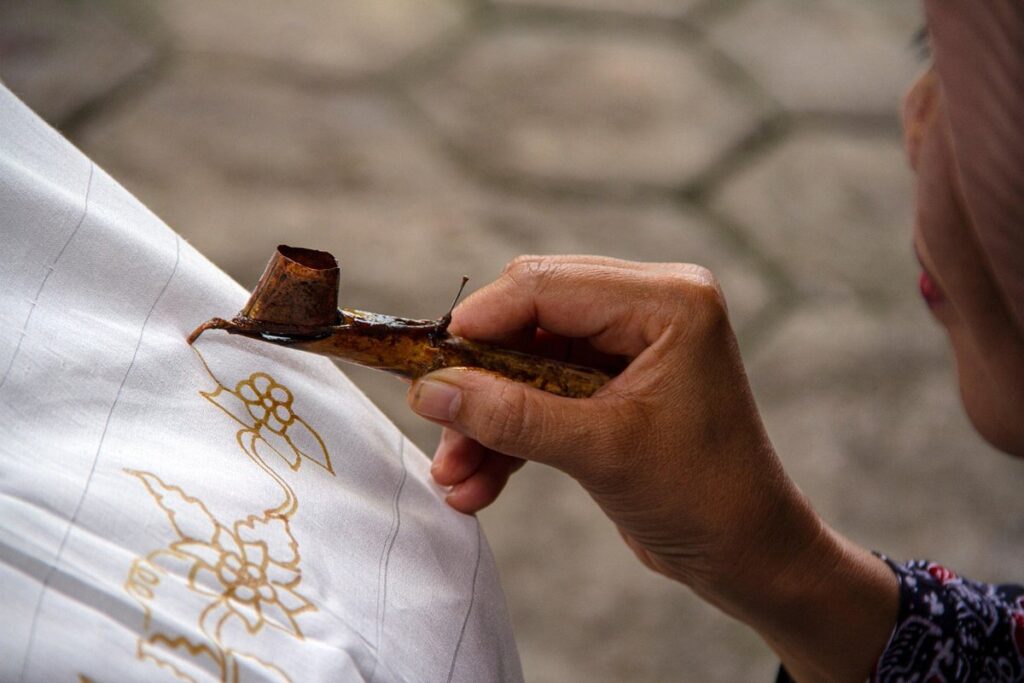
In Yogyakarta, a region on the island of Java, traditional batik techniques are still practiced today using a canting tool with a metal stamp to apply wax in intricate designs. In contrast, the Solo region uses a tjanting instrument that resembles a small knife with a spout at one end to pour wax onto the fabric. These hand-applied techniques allow for great flexibility and precision.
The dyeing process is equally important as the wax application itself. Traditionally, natural dyes such as indigo, pomegranate, and turmeric are used, giving batik its distinctive colors and subtle variations in tone. To achieve the iconic Indonesian patterns, artisans often layer multiple colors, allowing each dye to set before applying the next.
Indonesian batik is a true testament to the country’s rich cultural heritage, reflecting its history, mythology, and symbolism through intricate designs and motifs.
Spread of Batik to Other Parts of the World
Batik’s global spread was facilitated by trade routes, colonialism, and cultural exchange. In Africa, for instance, batik-making techniques were introduced to countries like Ghana and Nigeria through Islamic traders. The locals adapted the method, incorporating their own patterns and designs. In Europe, batik became a popular art form in the 19th century, with artists like Henri Matisse experimenting with the technique.
The adaptation of batik in other parts of Asia also demonstrates its versatility. In Japan, for example, batik was merged with traditional techniques to create unique textiles. Similarly, in Indonesia’s neighboring countries, such as Malaysia and Thailand, batik designs were incorporated into local art forms. The modification of batik-making techniques allowed artisans to apply their own cultural nuances to the craft.
The global spread of batik has resulted in a rich tapestry of regional styles and interpretations. As an artist or designer interested in batiking fabric, understanding these adaptations can inspire new creative directions. For instance, combining traditional Indonesian motifs with African patterns or incorporating European art movements into your designs can create visually striking pieces.
Materials and Tools Used for Batik
To get started with batiking, you’ll first need to know what materials and tools are required to create beautiful designs on fabric. This section covers the essentials of batik-making equipment and materials.
Natural Dyes and Resist Agents
In traditional batik, natural dyes are used to achieve a wide range of colors on fabric. These dyes can be derived from plants, such as indigo, pomegranate rinds, and turmeric. Indigo, for example, yields a deep blue hue when mixed with an alkaline substance like lime or soda ash. Plant-based natural dyes require patience and experimentation to achieve consistent results.
Wax is another essential component of traditional batik, used as a resist agent to create patterns on the fabric. Natural wax, such as beeswax or candelilla wax, is melted and applied to specific areas of the fabric using a canting tool. The wax acts as a barrier, preventing the dye from penetrating and creating a unique design.
Natural inks are also used in traditional batik, often derived from plant-based sources like logwood and madder root. These inks can be applied directly to the fabric or mixed with natural dyes to create intricate designs. Working with natural dyes and resist agents requires attention to detail and a willingness to experiment – but the rewards of achieving unique, handcrafted colors are well worth the effort.
Modern Equipment and Techniques
Modern batik techniques often incorporate modern tools and equipment to streamline the process while maintaining traditional artistry. Stencils are a popular choice for creating intricate designs, as they allow for precision and repetition. These stencils can be made from various materials, including metal, plastic, or even laser-cut paper. With stencils, artists can achieve crisp lines and detailed patterns that would be difficult to achieve by hand.
Another modern tool is the batik stamp. Unlike traditional wooden stamps, which often lack definition, modern stamps are precision-made with intricate designs carved into them. These stamps can be used to create repeating patterns or applied individually for more complex designs. Some artists also use digital printing techniques to add vibrant colors and detailed images directly onto the fabric.
When working with stencils and stamps, it’s essential to consider the material and quality of the tools. Cheaper options may not hold up to repeated use or produce consistent results. Investing in high-quality stencils and stamps can save time and frustration in the long run.
Batiking Process: Step-by-Step Guide
To successfully batik a fabric, you need to understand each stage of the process. The following steps will walk you through preparing your design, applying wax, and revealing the colors beneath.
Preparation of Fabric and Dyeing Process
To prepare fabric for batik, you first need to fold it into a design. This can be as simple as folding a rectangle of fabric into a triangle or as intricate as folding multiple layers of fabric into a complex pattern. The folded design is then secured with a stitch, typically using a traditional batik needle. This stitch, known as the “wax-resist stitch,” helps to keep the fold in place while also allowing for even dyeing.
Before dyeing, the prepared fabric is covered with a layer of wax to prevent the dye from penetrating certain areas. Traditionally, this is done by hand using a tool called an appliqué, but modern batik techniques often involve using a spray bottle or sponge to apply the wax. It’s essential to ensure that all folds and crevices are thoroughly coated with wax to achieve the desired pattern.
When applying the wax, you can use either a clear or tinted wax. Clear wax is ideal for creating fine details, while tinted wax can be used to add color and create subtle gradations in tone. Be sure to apply multiple thin layers of wax, allowing each layer to dry before adding the next, to achieve even coverage and prevent drips from forming.
Wax Resist Application and Design
Applying wax resist to fabric is a crucial step in the batik process. You can achieve intricate designs and patterns by manipulating the wax’s flow and adhesion properties. To begin, pour melted wax onto a section of the design or directly onto the fabric using a small pouring pot or spout.
For more complex designs, use a tool like a canting or tjanting to apply precise lines and details. The canting is a tool with a metal tip that allows for controlled wax flow, ideal for creating fine lines and patterns. When applying wax resist with a canting, tilt the tool at an angle to achieve smooth, consistent strokes.
As you work, allow the wax to cool and solidify between applications, ensuring it adheres evenly to the fabric. Too little wax can lead to weak resistance areas, while excessive application may cause the wax to pool or become uneven. Experiment with different techniques, like dragging a credit card across the cooled wax or using multiple pouring pots for layered designs, to achieve unique textures and effects.
Tips and Tricks for Batik Beginners
As you begin your batik journey, keep in mind that mastering this ancient art form requires patience and practice, so here are some essential tips to get you started.
Choosing the Right Fabric and Dye
When selecting fabric for batik, consider the type and weave. Cotton is a popular choice due to its durability and ease of manipulation, but linen and silk can also produce striking results. Avoid stretchy fabrics like knits or those with loose weaves, as they may not hold the wax evenly.
For dyes, natural options like plant-based extracts (e.g., indigo, pomegranate) offer a unique aesthetic, while synthetic alternatives provide more color control. If using natural dyes, be prepared for variable results and potential fading over time. Test your dye on a small sample before applying it to the entire piece.
To achieve desired colors, consider layering multiple dyes or applying wax in specific patterns. This technique allows for complex, nuanced tones that might not be possible with single-color dye application. When working with natural dyes, remember that results can be unpredictable and may require multiple applications to achieve the desired shade.
Keep in mind that some fabrics will require pre-treatment before batik, such as scouring or bleaching. This step helps remove impurities and ensures even dye penetration.
Troubleshooting Common Mistakes
When working on a batik project, it’s common to encounter mistakes that can be frustrating to correct. One of the most frequent errors is uneven wax distribution, which can lead to inconsistent patterns and textures. To avoid this issue, make sure to use a wax pen or tool with a consistent flow control mechanism. Additionally, apply gentle pressure while applying the wax to prevent drips and uneven spreading.
Another common mistake is over-dyeing, which can cause the fabric to become discolored or brittle. Be cautious when mixing dyes, as even small variations in concentration can lead to significantly different results. It’s also essential to test dye samples on a separate piece of fabric before applying them to your actual project.
Incorrect folding and binding techniques can also result in damaged or distorted designs. To prevent this, ensure that the fold lines are crisp and well-defined, and avoid using excessive tension when binding the edges. Regularly inspecting your work as you go will help catch any mistakes early on and minimize their impact.
Advanced Techniques: Experimenting with Batik
Now that you have a solid grasp of basic batiking techniques, let’s take it to the next level by exploring more advanced methods for creating intricate patterns and designs. You’ll learn how to push the boundaries of traditional batik techniques.
Shibori and Other Resist Techniques
Shibori is a Japanese technique that involves folding, twisting, or binding fabric to create resist patterns. This method allows for greater control over the design and can produce intricate, organic patterns. Folding techniques involve gathering fabric into pleats or accordion-style folds, while twisting methods wrap fabric around a central axis. Binding methods use thread or yarn to create knots or twists in the fabric.
When folding fabric, you can experiment with different types of folds, such as the “mori” fold, where fabric is gathered into small sections and folded back on itself. The “happi” fold involves pleating fabric in a series of accordion-style folds. Twisting methods, like the “sashiko” stitch, use thread to create intricate patterns by wrapping it around the twisted fabric.
To achieve consistent results with shibori, it’s essential to carefully plan your design and execute each fold or twist with precision. Practice makes perfect, so don’t be discouraged if initial attempts yield unpredictable outcomes. Experimenting with different folding techniques can produce unique and striking designs that add depth and visual interest to your batik creations.
Incorporating Embroidery and Stenciling
To add an extra layer of visual interest to your batik designs, consider incorporating embroidery or stenciling techniques. Embroidery can be used to add intricate patterns, textures, and details that complement the wax resist design. For example, you could use a simple running stitch to create a border around your batik piece or add more complex stitches like herringbone or feather stitch to create unique textures.
Stenciling is another versatile technique that allows for precise control over color application. You can use stencils in various shapes and sizes to create intricate designs, patterns, or even words. Apply the wax resist mixture through the stencil to achieve crisp, clean lines. When combining batik with stenciling, consider using contrasting colors to make the design pop.
Other decorative elements like beads, sequins, or appliqué can also be used in conjunction with batik. These add-ons allow for a level of personalization and creativity not achievable through wax resist alone. To incorporate these elements effectively, plan your design carefully and ensure that you leave space for embellishments. This will help maintain the overall balance and harmony of your piece.
Business Opportunities in Batik Industry
From designing unique patterns to selling finished products, entrepreneurs can tap into a lucrative market by exploring various business opportunities in the batik industry. Let’s look at some of these promising ventures.
Creating a Batik Studio or Workshop
Establishing a batik studio or workshop can be a lucrative business venture for entrepreneurs. To succeed, it’s essential to identify a target market and create a unique selling proposition (USP). This could be specializing in traditional Indonesian batik techniques or creating modern fusion designs that appeal to a younger audience.
Marketing strategies should focus on social media platforms, where visually-driven content excels. Share high-quality images of finished batik pieces, behind-the-scenes glimpses of the design process, and testimonials from satisfied customers. Collaborate with influencers or local artists to showcase work and reach new audiences. Attend craft fairs and textile festivals to connect with potential buyers and demonstrate expertise.
Consider offering workshops or classes for beginners, teaching traditional techniques alongside modern innovations. This not only generates revenue but also builds a loyal community of enthusiasts who can become repeat customers and advocates for the studio. By combining traditional craftsmanship with innovative marketing strategies, entrepreneurs can establish a thriving batik studio or workshop that stands out in the market.
Online Sales and E-commerce Platform
Online platforms and social media have revolutionized the way batik products are promoted and sold. A significant number of batik artisans now leverage online marketplaces to showcase their work and connect directly with customers worldwide. These platforms offer a range of benefits, including access to a vast customer base, reduced marketing costs, and real-time sales tracking.
To succeed on these platforms, artisans need to have high-quality product images and detailed descriptions that highlight the unique characteristics of each piece. Many online marketplaces also require artisans to adhere to specific shipping guidelines, so it’s essential to understand these requirements before listing products for sale. For instance, Etsy sellers must use approved labels and packaging materials to ensure compliance with international regulations.
Effective online sales strategies also involve engaging with customers through social media. By sharing behind-the-scenes content, showcasing new designs, and responding promptly to customer inquiries, artisans can build a loyal following and drive repeat business. Regular updates on new products or promotions can be shared on platforms like Instagram or Facebook, making it easier for potential customers to find and purchase batik items.
Conclusion: Preserving Traditional Craftsmanship
As we’ve explored the intricate process of batiking fabric, it’s essential to consider how traditional craftsmanship can be preserved and passed down for future generations. Let’s discuss some key takeaways for ensuring the long-term viability of this ancient technique.
Value of Handmade Batik in Modern World
In an era dominated by mass-produced, identical textiles, handmade batik stands out as a beacon of authenticity and uniqueness. The value of preserving traditional craftsmanship lies not only in its aesthetic appeal but also in the story it tells about human skill and imagination. Each batiked fabric is a testament to the artisan’s hand, bearing the imperfections and quirks that make it truly special.
The digital world has made it easier than ever to replicate designs and mass-produce textiles, but this comes at the cost of soul and character. Handmade batik, on the other hand, requires patience, dedication, and a deep understanding of the craft. This human touch is what gives handmade textiles their emotional resonance and durability.
To support artisans who continue to preserve traditional craftsmanship, consider shopping for handmade batiked fabrics or supporting local workshops that teach the art form. By choosing handmade over machine-made, you’re not only acquiring a unique piece but also contributing to the preservation of a valuable cultural heritage.
Inspiring Future Generations to Learn Batik
As we reflect on the beauty and significance of batik, it’s essential to consider its preservation for future generations. One way to inspire young minds is through workshops and educational programs that introduce them to the art and technique of batiking fabric.
Such initiatives can be implemented in schools, community centers, or cultural institutions, where participants can learn from experienced artisans and practice traditional methods under their guidance. Hands-on experience is crucial in understanding the intricate process of creating batik designs, allowing students to develop a deeper appreciation for the craft.
Incorporating batiking into educational curricula can also promote cross-cultural exchange and collaboration. For instance, a joint project between Indonesian and American schools could foster mutual understanding and respect for each other’s artistic traditions. By sharing knowledge and techniques, we can create a ripple effect that encourages continued innovation and preservation of this ancient art form. Ultimately, by passing down the skills and stories behind batik to younger generations, we ensure its survival as a vibrant part of human cultural heritage.
Frequently Asked Questions
Can I batik any type of fabric, or are there specific materials that work better?
You can batik most types of natural fibers such as cotton, silk, and linen. However, synthetic fabrics like polyester may not hold the dye well and may require additional preparation. It’s best to start with a high-quality, tightly woven fabric that can withstand the wax resist application process.
How long does it take to master the batik technique, and what kind of practice is required?
Mastering the batik technique requires patience and consistent practice. Beginners should expect to spend several months to a year honing their skills before achieving professional-level results. Regular practice will help you develop muscle memory and improve your design execution.
What if I want to incorporate digital printing into my batik process – can it be combined with traditional techniques?
Yes, digital printing can be used in conjunction with traditional batik techniques to create unique designs. This is often referred to as “hybrid batik.” By combining the precision of digital printing with the nuances of hand-drawn wax resist, you can achieve intricate and detailed patterns.
Is it possible to replicate the exact same design on multiple pieces of fabric using the batik process?
While the batik process allows for some level of replication, each piece will still have its own unique characteristics due to the nature of hand-applied wax resist. This means that even if you follow a specific design closely, slight variations will occur between pieces.
Can I sell my handmade batik products online and reach a wider market, or should I focus on local sales?
You can definitely sell your handmade batik products online through various e-commerce platforms and social media channels. In fact, this is an excellent way to showcase your unique designs and connect with customers who may not have access to your local studio or workshop.