
Handmade Christmas baubles are a wonderful way to add a personal touch to your holiday decorations. Unlike mass-produced ornaments, unique, handmade baubles reflect your individual style and creativity, making them truly special. You might be thinking of creating one-of-a-kind baubles for yourself or as a thoughtful gift for friends and family.
The possibilities when it comes to materials and designs are endless, from glass, wood, and ceramics to natural elements like twigs, pinecones, and flowers. This guide will walk you through various decorating techniques, including painting, glazing, and embellishing with glitter, ribbons, or other adornments. We’ll explore different shapes, colors, and themes to inspire your handmade baubles, so by the end of this comprehensive guide, you’ll be able to create beautiful, one-of-a-kind ornaments that capture the spirit of the season.
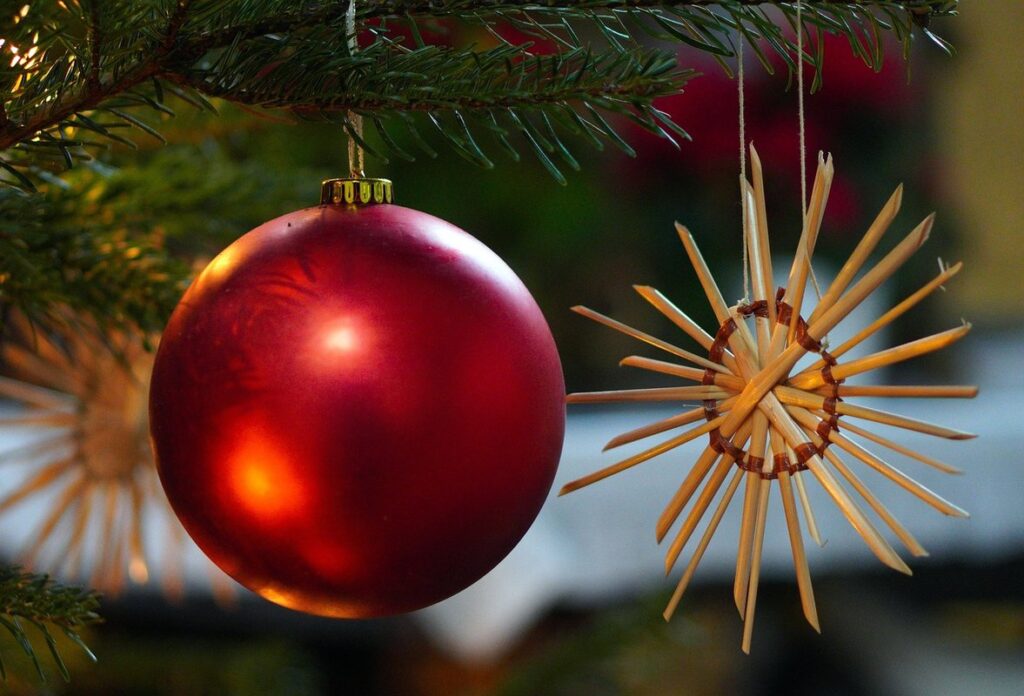
The Art of Handmade Baubles
Now that you’ve learned how to choose your materials and decorate your baubles, it’s time to add a personal touch by learning various techniques for shaping and assembling handmade ornaments. From twisting threads to knotting yarns, these skills will elevate your creations.
History and Inspiration
Handmade baubles have their roots in traditional crafts and cultural influences. In many European countries, for example, glassblowing has been a revered skill passed down through generations. In Germany, intricate woodcarvings adorn Christmas trees, while in Italy, handmade ceramics add a touch of Mediterranean flair to holiday decor.
The tradition of crafting ornaments by hand is not limited to Europe, however. In Japan, beautiful paper mache baubles are a staple of winter decorations. Similarly, Native American communities have long created delicate beadwork ornaments that reflect their rich cultural heritage.
As mass-produced decorations continue to flood the market, handmade ornaments have become increasingly popular among those seeking unique and personalized holiday decor. This shift towards artisanal crafts is driven by a desire for authenticity and a connection to traditional techniques. By embracing handmade baubles, you can add a touch of history and character to your Christmas tree without sacrificing style or elegance.
Many crafters are now drawing inspiration from their own cultural backgrounds when creating handmade ornaments, resulting in truly one-of-a-kind pieces that reflect the maker’s personal story.
Materials and Supplies
When creating handmade Christmas baubles, it’s essential to choose materials that are not only visually appealing but also durable and suitable for hanging ornaments. Glass is a popular choice for baubles due to its versatility and ability to be molded into intricate designs. For example, you can use glass beads or small glass vases as the base of your bauble.
Ceramics and metal are other common materials used in handmade baubles. Ceramic clay can be shaped into various forms, while metal wire or sheeting can add a touch of elegance to your design. Wood is also a great option for creating rustic-looking baubles. Consider using wooden beads or small wooden shapes as the base.
Fabric is another material you can use to create unique and textured baubles. Choose materials that are durable enough to withstand hanging, such as felt or sturdy cotton fabric. When selecting materials, remember that they will be exposed to air pressure and potential drops, so it’s crucial to opt for high-quality materials that won’t break easily.
When shopping for materials, consider visiting craft stores or online suppliers that offer a variety of materials specifically designed for crafting ornaments.
Choosing Your Bauble Design
Choosing a design for your handmade Christmas baubles can be overwhelming, but we’re here to help you narrow down your options and find inspiration. Let’s explore different shapes, patterns, and styles to create unique ornaments.
Simple Shapes and Designs
For beginners, it’s best to start with simple shapes and designs. Spheres are a great place to begin, as they require minimal shaping and can be easily decorated with paint, glitter, or ribbons. Cones and stars are also straightforward to create and add a touch of festive flair to your baubles.
Stars, in particular, offer a lot of creative possibilities. You can use a star-shaped cookie cutter as a template to cut out your paper or cardstock, then decorate the points with glue, glitter, or sequins. A simple string or twine loop will finish off this charming design.
Trees are another great option for beginners. Use a circular shape as the base and add branches using strips of green cardstock or paint. You can also create a 3D effect by gluing on individual leaves or adding some fluffy material to mimic snow.
These basic shapes provide a solid foundation for more complex designs, and you can always experiment with different textures, colors, and embellishments to make your baubles truly unique.
Advanced Techniques: Textures and Patterns
To add an extra layer of depth and visual interest to your handmade baubles, consider more complex techniques like etching and engraving. These methods involve using acid or specialized tools to create intricate designs on the glass surface. For etching, you’ll need a resist pen, etching cream, and protective gloves. Engraving requires a rotary tool, various bits, and a steady hand.
Appliqué is another technique that allows for detailed patterns and textures. This involves applying small pieces of material, such as paper or fabric, to the bauble surface using a strong adhesive like decoupage medium. You can create custom designs by cutting out intricate shapes with scissors or a craft knife.
To achieve precise results with etching and engraving, it’s essential to work in a well-ventilated area, follow safety guidelines for acid use, and practice on a test bauble before applying these techniques to your finished ornaments. With appliqué, focus on selecting materials that complement the bauble’s color scheme and experimenting with different adhesive brands to achieve the best results.
Step-by-Step Bauble Making Guide
Now that you have your materials, let’s move on to creating your unique baubles by following these easy-to-follow steps, one at a time. We’ll cover each process in detail for perfect results every time.
Preparation: Tools and Workspace
To create beautiful and unique handmade baubles, you’ll need some essential tools. Wire cutters are a must-have for snipping wire into precise lengths and shaping it to form balls or other shapes. Use pliers to grip and shape the wire, especially when working with thicker gauges. A set of craft scissors is also useful for cutting ribbon, felt, or other materials used in bauble decoration.
A paintbrush or two will come in handy for applying paint, varnish, or ink to your baubles. Natural fiber brushes are best for water-based paints and mediums, while synthetic brushes work well with oil-based products. Don’t forget a small palette or plate for mixing colors and a cloth for wiping away excess paint.
When it comes to setting up your workspace, choose a flat surface that’s comfortable to work on. Cover the area with paper or a tablecloth to protect against spills and messes. Position good lighting so you can see what you’re doing without straining your eyes. Keep frequently used tools within easy reach, like in a nearby toolbox or drawer. This will save you time and effort during the crafting process.
Glass Bauble Making
Selecting glass shapes is a crucial step in creating unique handmade glass baubles. You can choose from various shapes and sizes, such as spheres, ovals, or cubes, depending on your desired design. Consider the theme of your Christmas tree or the style of your decorations when making this selection.
To cut and shape your glass, use a glass cutter or a diamond blade saw. Score the glass carefully to avoid cracks, then snap it along the scored line. Once you’ve achieved your desired shape, sand the edges to smooth them out. This will not only prevent sharpness but also create a more visually appealing finish.
For added texture and visual interest, incorporate decorative elements such as beads or sequins into your design. You can glue these onto the glass using a strong adhesive like E6000, arranging them in patterns or shapes that complement your chosen theme. Alternatively, you could embed small objects like shells, pebbles, or even tiny Christmas ornaments within the glass for added depth and visual appeal. Be mindful of the weight and size of these elements to avoid compromising the bauble’s structural integrity.
Decorating Your Handmade Baubles
Now that you’ve crafted your beautiful handmade baubles, let’s talk about how to give them a personalized touch with creative decorations. Add some extra flair with ribbons, twine, and other embellishments.
Traditional Techniques: Painting and Dyeing
When it comes to decorating handmade baubles, traditional techniques like painting and dyeing offer a wealth of creative possibilities. For painted designs, choose acrylic or watercolor paints specifically designed for glass or ceramics, as these will adhere best to the surface. Consider using stencils or freehand techniques for crisp, detailed patterns.
Dyeing, on the other hand, requires more care due to the fragile nature of glass ornaments. Choose professional-grade dyes safe for glass and follow the manufacturer’s instructions carefully. Achieving uniform color is crucial; most manufacturers recommend soaking small baubles in dye, while larger ones may require a dye bath. Fading or uneven coloration can be minimized by applying a clear glaze afterwards.
Choosing the right materials makes all the difference when aiming for specific effects – whether it’s bold, vibrant hues or more delicate pastel tones. Don’t overlook the importance of surface preparation: ensure baubles are thoroughly clean and dry before painting or dyeing to prevent uneven adhesion or color absorption.
Modern Methods: Stenciling, Stamping, and More
Stenciling allows for crisp, defined designs with minimal mess. Use high-quality stencils and a fine-tip brush to achieve clean lines. This method is ideal for intricate patterns, but may not be suitable for curved or irregularly-shaped baubles.
Stamping offers more versatility, as you can create custom designs using household items like sponges, leaves, or even found objects. Press the stamp onto your work surface with moderate pressure to achieve a clear impression. Stamping is perfect for textural elements and creating unique patterns.
Decoupage adds a layer of depth and visual interest through intricate cutouts or printed images. Apply a coat of varnish to protect the paper from moisture and wear. This technique works well for adding figurative designs, like snowflakes or holly leaves.
Each method has its benefits and drawbacks. Stenciling is precise but limited by design complexity; stamping offers creativity but may require repeated trials; decoupage adds a tactile element but risks paper degradation over time. Consider these factors when choosing the best approach for your handmade baubles.
Tips and Tricks for Hanging Your Baubles
To ensure your beautifully crafted baubles are displayed safely and securely, we’ll share some expert tips on how to hang them without a hitch. Let’s get started with some tried-and-true methods for showcasing your creations!
Choosing the Right String or Ribbon
When it comes to attaching a string or ribbon to your handmade bauble, choosing the right material is crucial. Not only does it affect the durability of your ornament, but it also impacts its overall visual appeal. A delicate glass ball might be ruined by a thick, chunky cord, while a more rustic, natural look may suit a woven jute twine.
Consider using cotton or silk ribbons in festive colors to add an extra touch of holiday cheer. These materials are soft to the touch and can add a subtle sheen to your baubles. Alternatively, you might prefer the earthy feel of burlap or hemp rope, which work beautifully with natural elements like pinecones or twigs.
When selecting string or ribbon, think about the weight and texture of your bauble. A sturdy cord is best for heavy ornaments, while a lighter material will be more suitable for smaller ones. You can also experiment with different widths and patterns to create unique visual effects. For example, a thin, metallic thread might add a touch of sophistication to a sleek glass sphere, while a wide, striped ribbon could add a playful, whimsical feel to a more rustic design.
Displaying Your Handmade Baubles
When it comes to displaying your handmade baubles on the Christmas tree, a little thought and planning can make all the difference. Start by considering the overall color palette of your ornaments – do you have a mix of brights, pastels, or neutral tones? Balance bold colors with more subdued ones to create visual interest without overwhelming the eye.
To achieve a harmonious arrangement, aim for a balance between clustering similar baubles together and scattering them throughout the tree. For example, group three or four matching ornaments on one branch, then space out a few solitary ones among them. This mix of close-proximity and distance creates a dynamic visual experience.
Pay attention to scale as well – if you have larger baubles, save them for prominent spots near the top of the tree, while smaller ones can be sprinkled throughout the lower branches. Lastly, don’t be afraid to create focal points by clustering a few statement pieces together or placing a particularly eye-catching ornament front and center on the tree. With a little experimentation, you’ll find a display that showcases your handmade baubles in all their unique glory.
Troubleshooting Common Issues
We’ve all been there – a handmade bauble doesn’t turn out as expected, and you’re not sure what to do. This section addresses common problems and offers practical solutions to get your ornaments back on track.
Bauble Breakage: Prevention and Repair
When handling delicate materials like glass, ceramic, or paper, it’s inevitable that some baubles may break during the crafting process. To minimize the risk of breakage, use a stable and secure work surface, and avoid placing fragile ornaments near edges or corners where they can easily be knocked off.
Techniques like layering fragile components over a sturdy base, or using a support wire to add internal structure, can also help prevent breakages. For instance, if you’re working with paper baubles, try laminating the layers for added durability.
If an ornament does get broken, don’t panic – many types of damage can be repaired rather than replaced. For small cracks in glass or ceramic, apply a clear nail polish or epoxy resin to seal the area and prevent further damage. For more extensive breakages, consider gluing the pieces back together using a strong adhesive like hot glue or E6000.
It’s also essential to have some basic repair supplies on hand, such as replacement components (like a new coat of paint or a spare paper layer) to quickly revive damaged ornaments.
Tips for Selling Your Handmade Baubles
When it comes to selling your handmade baubles, you have a range of options. Online platforms like Etsy and eBay are popular choices for makers, allowing you to reach a global audience with just a few clicks. Make sure to take high-quality photos of your products from different angles, and write detailed descriptions that include materials used and dimensions.
Craft fairs and local markets can be great places to showcase and sell your handmade baubles in person. These events allow potential buyers to see and touch your creations before purchasing, which can help build trust and loyalty with customers. When selecting a market or fair, consider the target audience and whether it aligns with your product’s niche.
At local markets, it’s essential to have a clear pricing strategy and be prepared to negotiate prices occasionally. You’ll also need to have a plan in place for storing and transporting your products safely. Some makers find success by offering custom orders or personalized baubles that cater to customers’ specific needs.
By diversifying your sales channels and being proactive with marketing, you can increase visibility and drive more sales for your handmade baubles.
Conclusion: The Joy of Handmade Christmas Baubles
As we wrap up our guide to creating unique handmade Christmas baubles, it’s time to reflect on why making your own ornaments is such a special part of the holiday season.
Emphasizing Personal Touches
When you create handmade Christmas baubles, you infuse your holiday decorations with a personal touch. Each ornament reflects not just your creativity but also your unique style and personality. This is what sets handmade ornaments apart from store-bought ones – the imperfections and quirks that make them truly special.
To emphasize the personal aspect of handmade baubles, experiment with different materials and techniques. Try combining glass beads with natural fibers like wool or silk to create a tactile, earthy look. Alternatively, mix metallic paint with glitter for a more opulent feel. The key is to let your imagination run wild and not be afraid to try new things.
Consider using recycled materials in your baubles, such as old jewelry, buttons, or even vintage postcards. Not only will this reduce waste but also add an extra layer of meaning to each ornament. For instance, a bauble made from grandmother’s antique brooch can become a treasured keepsake for years to come.
The possibilities are endless when it comes to creating unique handmade baubles. You might draw inspiration from nature – the colors and textures of leaves, flowers, or seashells – or incorporate personal symbols and motifs that hold special significance for you. Whatever your approach, remember that the beauty of handmade ornaments lies in their imperfections and individuality.
To take it to the next level, try making a few baubles with different themes or styles, then combine them in creative ways to create a visually appealing display. For example, pair delicate glass ornaments with chunkier wool ones for a striking contrast. By experimenting with various materials and techniques, you’ll not only end up with beautiful handmade baubles but also develop your unique ornament-making style over time.
Frequently Asked Questions
Can I use recycled materials to make my handmade Christmas baubles?
Yes, using recycled materials can be a creative and eco-friendly way to create unique ornaments. Consider repurposing old glass jars, cardboard tubes, or fabric scraps to add a sustainable touch to your holiday decorations.
How do I store my handmade baubles without breaking them?
To prevent breakage when storing handmade baubles, wrap each ornament individually in tissue paper or bubble wrap and place them in a sturdy container. You can also use foam inserts or dividers to keep the ornaments separate and secure.
What if I want to make a large quantity of identical baubles for a gift or party favor?
If you need to produce multiple identical handmade baubles, consider using a mold or form to ensure consistency in shape and size. You can also use a spray adhesive to attach small decorations like glitter or beads for a uniform look.
Can I make handmade Christmas baubles with children or as a beginner without any prior crafting experience?
Yes, making handmade Christmas baubles is an excellent activity for beginners or to do with children. Start with simple shapes and designs, use easy-to-work-with materials like paper or fabric, and follow the basic decorating techniques outlined in the article. Don’t be afraid to experiment and learn together.
What if I accidentally break a glass bauble while working on it? Can I repair it?
While it’s best to avoid breaking glass ornaments altogether, you can try repairing small cracks with clear nail polish or a glass repair kit. For more extensive damage, consider repurposing the broken pieces into smaller decorations like gift tags or ornaments for next year’s tree.

