
Fermentation is a magic trick that transforms humble vegetables like cucumbers into tangy, crunchy treats with a depth of flavor that’s hard to resist. But beyond its delicious applications, fermentation in pickles also holds a special place in many cultures around the world, where it’s been used for centuries not just as a preservation method but also as a way to infuse food with spiritual significance. For those looking to take their pickle game to the next level, understanding the basics of fermentation is key – from monitoring temperatures and pH levels to coaxing out unique flavor profiles through advanced techniques like lacto-fermentation. In this article, you’ll learn how to master the art of fermented pickles and unlock a world of possibilities for your own creations – by the end of it, you’ll be able to craft distinctive, artisanal pickles that showcase your personal taste and style.
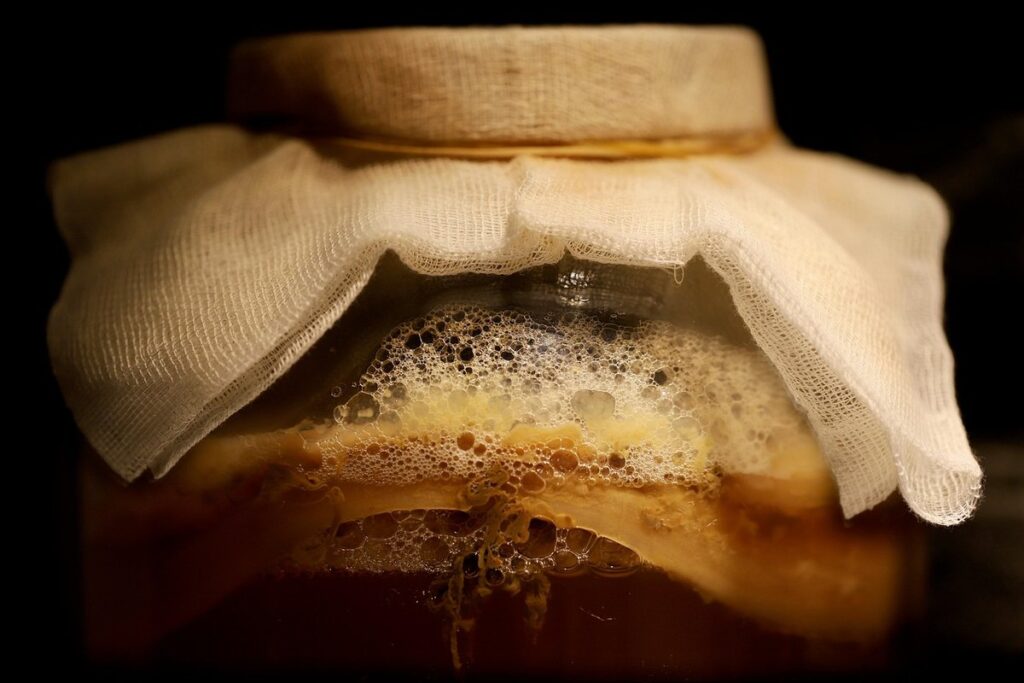
Understanding Fermentation Basics
Let’s start by breaking down the basics of fermentation, which is essential for creating that perfect tangy flavor in pickles. We’ll cover the fundamental principles behind this process.
What is Fermentation?
Fermentation is a natural process where microorganisms like bacteria and yeast feed on sugars present in food, producing compounds with distinct flavors, aromas, and textures. This biochemical reaction breaks down complex molecules into simpler ones, preserving the food by creating an acidic environment that inhibits the growth of pathogens.
The fermentation process typically begins when lactic acid-producing bacteria such as Leuconostoc or Lactobacillus convert sugars into lactic acid. As the acidity increases, it acts as a natural preservative, preventing spoilage and allowing for longer storage. Fermentation can be facilitated by salt, which inhibits the growth of unwanted microorganisms while encouraging beneficial ones.
The benefits of fermentation are numerous: food preservation is just one aspect. Fermented foods like pickles also become more digestible due to the breakdown of phytates and other anti-nutrients. Moreover, the increased bioavailability of nutrients in fermented foods can enhance their overall nutritional value.
Factors Affecting Fermentation
Temperature plays a crucial role in fermentation, with most pickling brines requiring temperatures between 64°F and 73°F (18°C to 23°C) for optimal activity. If it’s too hot or cold, the desired lactic acid production can slow down or even stop altogether. A temperature range that’s consistent throughout the fermentation process is essential to ensure a balanced flavor and texture.
The pH level of the pickling brine also significantly impacts fermentation. A slightly acidic environment, typically between 4.2 and 4.6 on the pH scale, favors the growth of beneficial lactic acid bacteria while inhibiting unwanted pathogens. If the pH becomes too alkaline, it can disrupt the balance of microorganisms in the brine.
Oxygen levels are another critical factor to consider. Excess oxygen can lead to over-oxidation and spoilage, causing the pickles to become soft or develop off-flavors. On the other hand, a lack of oxygen can result in stunted fermentation, as lactic acid bacteria require some level of oxygen to thrive.
The presence of microorganisms is also vital, as it determines which types of beneficial bacteria will dominate the fermentation process. Adding specific starter cultures, such as Lactobacillus plantarum or Leuconostoc mesenteroides, can help create a predictable and desired outcome in terms of flavor and texture.
History and Cultural Significance of Pickling with Fermentation
Pickling has a rich history that spans thousands of years, with evidence suggesting ancient civilizations used fermentation to preserve food long before refrigeration. Let’s explore how this process has been influenced by various cultures around the world.
Origins of Pickled Fermented Foods
Pickled fermented foods have a rich history that spans thousands of years and multiple continents. Ancient civilizations such as Egypt, China, and Greece used fermentation to preserve vegetables, fruits, and other food items. In these early cultures, pickling was often a necessary practice for preserving seasonal produce, allowing communities to enjoy flavors year-round.
In ancient Rome, fermented pickled foods were considered a delicacy and served at banquets. The Roman cookbook “De Re Coquinaria” contains recipes that involve fermenting vegetables in brine. Similarly, in Japan, pickling was an essential part of traditional cuisine. Fermented pickles known as takuan and umeboshi were staples in Japanese cooking.
Throughout history, fermentation techniques have been shaped by regional ingredients and culinary traditions. For example, the Korean dish kimchi is a fermented pickle made with cabbage, chili peppers, garlic, and ginger. The use of lactic acid bacteria in these fermented pickles creates a unique flavor profile that’s both tangy and savory. Understanding the origins of pickled fermented foods provides valuable context for exploring their modern applications in cooking and preservation.
Regional Variations and Traditional Methods
Pickling techniques vary significantly across cultures and regions. In India, for instance, pickles are often made with mustard oil, turmeric, and red chili peppers. The traditional method involves soaking vegetables like cucumbers or cauliflower in a spice-infused brine for several days.
Eastern Europe’s ferments tend to be more sour, using ingredients like garlic, dill, and caraway seeds. Polish pickles, known as “smażone ogórki,” involve simmering vinegar, sugar, and spices before adding sliced cucumbers to create a tangy, slightly sweet flavor profile.
In Asia, pickling is often used as a preservation method for a wide range of vegetables. Korean kimchi, for example, combines shredded cabbage with chili peppers, garlic, ginger, and fish sauce for a bold, spicy taste. African pickles frequently incorporate ingredients like cumin, coriander, and citrus juice to create complex flavor profiles.
Understanding these regional styles can help you develop your own unique fermentation techniques at home. Start by experimenting with different spices and seasonings to replicate traditional flavors or create something entirely new. Be prepared for trial and error, as the process of fermentation itself will be influenced by local conditions like temperature and humidity.
The Role of Microorganisms in Fermentation
At the heart of fermentation lies a tiny but mighty crew: microorganisms that break down sugars, create lactic acid, and give pickles their characteristic crunch. Let’s take a closer look at these microscopic workers.
Lactic Acid Bacteria (LAB) in Pickling
Lactic Acid Bacteria (LAB) are the primary drivers of fermentation in pickling, responsible for transforming sugars into lactic acid and contributing to the development of flavor, texture, and safety. The most common types of LAB used in pickling are Leuconostoc, Lactobacillus, and Pediococcus.
Leuconostoc mesenteroides is often associated with the initial stages of fermentation, producing a range of compounds that give pickles their characteristic flavor and aroma. Lactobacillus plantarum, on the other hand, dominates later stages, producing high levels of lactic acid and contributing to the preservation of pickles.
The benefits of LAB in pickling are multifaceted. Not only do they enhance flavor and texture by creating a tangy, sour taste and a crunchy, snappy texture, but they also play a crucial role in ensuring the safety of pickled products. By lowering pH levels and inhibiting the growth of pathogenic bacteria, LAB help prevent contamination and spoilage. This is particularly important when handling acidic environments like those found in pickling liquids, where bacterial growth can be unpredictable.
Yeast and Other Fungi Involved in Fermentation
Yeast and other fungi play a crucial role in fermentation, particularly in pickling. While bacteria are often the primary agents of lactic acid production, yeast can be present in significant quantities, contributing to flavor development and texture changes. Some yeasts, like Saccharomyces cerevisiae, can produce compounds that enhance umami flavors, while others may impart a slightly sweet or fruity taste.
Fungi, such as Aspergillus and Penicillium, can also be involved in fermentation, often producing enzymes that break down proteins and contribute to the softening of pickled vegetables. In some traditional pickle recipes, fungi are intentionally introduced to facilitate this process. For example, a small amount of koji (Aspergillus sojae) is added to Japanese miso and sake production to break down starches into sugars.
When working with yeast and fungi in fermentation, it’s essential to control their populations to avoid off-flavors or spoilage. This can be achieved through temperature management, salt levels, and the use of starter cultures specifically designed for pickling applications. By understanding the roles of these microorganisms, picklers can refine their techniques and create more complex, balanced flavors in their fermented creations.
Methods for Fermenting Pickles at Home
Fermentation is a simple and rewarding process that can be done right in your own kitchen, and we’ll show you how to get started with various methods for making pickles at home. From traditional brining to creative twists, we’ve got you covered.
Brine-Specific Requirements
A brine solution with a suitable balance of salt and water is essential for fermenting pickles. You’ll want to aim for a salt concentration between 5-10% of the total solution, which translates to 1/4 cup to 1/2 cup of kosher or sea salt per quart of water. Using table salt can lead to an overabundance of sodium chloride, potentially inhibiting beneficial microorganisms.
The ideal water temperature for creating a brine is between 70°F and 80°F (21°C to 27°C), which is close to room temperature. Cold brines will slow down the fermentation process, while hot brines can be too harsh on the vegetables. When preparing your brine solution, it’s crucial to store it in an airtight container to prevent contamination.
Aim for a storage temperature between 65°F and 75°F (18°C to 24°C) during the initial fermentation phase, typically lasting several days or weeks depending on factors like salt concentration and vegetable density. Monitor your brine’s acidity level by tasting it regularly – a tangy but not overpowering flavor is an indication of optimal conditions.
Fermentation Vessel Options and Sanitation
Choosing the right fermentation vessel is crucial to ensure a healthy fermentation process. Ceramic crocks are a popular choice due to their ability to withstand acidic environments and promote even temperature control. However, they can be heavy and may require additional equipment for airlocks or weight management.
Glass jars, on the other hand, are lighter and more versatile, allowing for easy monitoring of the fermentation process through observation of bubbles and liquid levels. Some enthusiasts swear by the use of stainless steel vessels, but these require special care to prevent contamination from scratches and crevices.
Sanitation is another critical aspect of preventing contamination risks. Always rinse your chosen vessel with hot water before use, and follow a specific order for handling tools and ingredients to minimize exposure to potential contaminants. For example, if using multiple jars, clean and sanitize each one individually before transferring the pickling liquid and vegetables to prevent cross-contamination. Use a sanitizing solution or vinegar-soaked cloth to wipe down all surfaces and equipment after use.
Advanced Techniques for Customizing Fermented Pickle Flavor Profiles
To take your fermented pickle game to the next level, we’ll explore advanced techniques for customizing flavor profiles and experimenting with unique ingredients. This includes considerations for brine adjustments and spice blends.
Acidity Levels and Balance
Maintaining a delicate balance between acidity levels is crucial to achieving the desired flavor profile and texture in fermented pickles. pH levels play a significant role in the overall character of the final product, with optimal ranges typically falling between 3.5 and 4.5. A pH that’s too high can lead to an unacceptably sour taste, while too low can result in unpleasantly sharp notes.
The relationship between acidity levels and balance is closely tied to lactic acid production during fermentation. As bacteria feed on sugars, they convert them into lactic acid, which contributes significantly to the pickle’s overall acidity. By adjusting the initial salt concentration and water content, you can influence the rate of lactic acid production and subsequently control the final pH level.
A general rule of thumb is to aim for a slightly higher acidity level during the early stages of fermentation, around 3.5-4.0 pH. As the fermentation process progresses, the pH will gradually decrease due to continued lactic acid production. By monitoring pH levels regularly, you can make adjustments as needed to achieve the desired balance between flavor and texture. Regularly testing your pickles with pH strips or a pH meter is essential for fine-tuning this delicate balance.
Spices, Herbs, and Other Additives
When it comes to customizing fermented pickle flavor profiles, spices, herbs, and other additives play a crucial role. The type and amount of these ingredients can significantly impact the final product’s taste, aroma, and overall character.
Some popular spices that pair well with fermented pickles include coriander seeds, cumin seeds, and mustard seeds. These can be added directly to the jar or mixed into the brine for a more intense flavor. Herbs like dill, parsley, and cilantro also complement fermented pickles nicely, either on their own or combined with spices.
Other ingredients that can add unique dimensions to fermented pickle flavor profiles include chili peppers, garlic, and ginger. For example, adding a few slices of fresh ginger to the jar during the fermentation process will infuse the pickles with a warm, spicy flavor. Similarly, a handful of chili peppers can add a bold, pungent taste.
When experimenting with new spices, herbs, or additives, it’s essential to remember that less is often more. Start with small amounts and adjust to taste, as over-pairing can quickly overwhelm the other flavors in the pickles.
Troubleshooting Common Issues in Fermentation
Fermentation mishaps can be frustrating, but identifying common issues is key to finding solutions. We’ll walk you through troubleshooting some of the most frequent pickle-fermentation problems.
Signs of Over-Fermentation or Contamination
Over-fermentation can be identified by a strong sour smell, slimy texture, and an unpleasant appearance. Mold growth often appears as white, green, or black patches on the surface of the pickles. Contamination risks arise from exposure to air, moisture, or unclean equipment.
To monitor fermentation progress effectively, check the pickles’ appearance, smell, and taste regularly. This ensures issues are caught early, before they spread. If you notice any signs of over-fermentation or mold growth, remove the affected pickles immediately to prevent further spoilage.
Some common mistakes that can lead to contamination include using contaminated water, not sterilizing equipment properly, or allowing the pickles to sit in direct sunlight for too long. To minimize these risks, ensure your equipment is clean and sanitized before use, store the pickles in a cool, dark place, and monitor their progress closely.
A small minority of pickle recipes require a longer fermentation period than others, so it’s essential to research the specific needs of your chosen recipe. By paying attention to these details and taking preventative measures, you can minimize the risk of over-fermentation or contamination and enjoy a successful fermentation process.
Maintaining a Healthy Fermenting Environment
A consistent temperature between 64°F and 75°F (18°C to 24°C) is ideal for most pickle fermentations. Avoid placing your fermentation vessel near direct sunlight, heating vents, or drafty windows, as these can cause the temperature to fluctuate. You can use a thermometer to monitor the temperature and move the vessel if necessary.
Humidity levels also play a crucial role in maintaining a healthy environment. A humid environment helps prevent scum from forming on the surface of the brine, but excessive moisture can lead to mold growth. To strike a balance, cover your fermentation vessel with a cloth or paper towel instead of a tight lid. This allows for some air exchange while keeping dust and contaminants out.
Proper storage is also essential. Avoid placing your fermentation vessel near strong-smelling foods, as the aromas can transfer to the pickles. Store the vessel in a cool, dark place, such as a pantry or cupboard, and keep it away from direct heat sources like ovens or radiators.
Conclusion: Unlocking the Potential of Fermented Pickles
Fermentation is an ancient technique that not only adds flavor and texture to pickles but also boosts their nutritional value. The lactic acid produced during fermentation breaks down phytates, making minerals like iron and zinc more accessible to our bodies. A well-crafted fermented pickle can be a powerhouse of probiotics, which support gut health and immune function. As we’ve explored the science behind fermentation, it’s clear that this process is far from just adding flavor – it’s a transformative alchemy.
To unlock the potential of fermented pickles, start by experimenting with different vegetable combinations and spices to create unique flavor profiles. Don’t be afraid to get creative and try new things. Also, consider investing in a fermentation vessel or crock, as this will allow you to control the temperature and environment for optimal fermentation. With patience and practice, you’ll be rewarded with tangy, crunchy pickles that are not only delicious but also packed with beneficial microbes.
Frequently Asked Questions
How long can I safely store fermented pickles in the fridge?
You can typically store fermented pickles in the fridge for several months. However, it’s essential to monitor their condition regularly and check for signs of spoilage or over-fermentation.
Can I use any type of salt for fermenting pickles, or are there specific requirements?
Yes, you should use a high-quality salt that is specifically designed for fermentation, such as sea salt or kosher salt. These types of salt have the correct crystal structure and moisture content to promote healthy microbial growth during fermentation.
How do I prevent mold from growing on my fermented pickles when storing them in a cool, dark place?
To prevent mold, ensure that your pickling vessel is clean and sanitized before adding the brine solution and pickles. Also, regularly inspect the pickles for any signs of mold or spoilage, and take corrective action promptly if you notice any issues.
Can I ferment pickles at home using a crock with a built-in weight, or are there other options available?
While a crock with a built-in weight can work well for fermenting pickles, it’s not the only option. You can also use glass jars or ceramic containers with weights to press down on the pickles and maintain a healthy fermentation environment.
What if I accidentally contaminate my fermented pickles – are they safe to eat?
No, if you suspect that your fermented pickles have been contaminated, it’s best to err on the side of caution and discard them. Consuming contaminated food can lead to foodborne illness, so it’s better to be safe than sorry when it comes to fermentation safety.

