
If you’ve ever stood on Vancouver’s coastline, gazing out at the vast Pacific Ocean, you might have caught a glimpse of these majestic creatures breaching the surface: whales. Their migration patterns bring them through the waters off Vancouver each year, making it an ideal spot for whale watching. However, with their habitats and populations threatened by climate change and human activities, understanding their behavior is crucial for conservation efforts. This article will explore the best times to see these magnificent creatures in Vancouver’s coastal waters, including the peak seasons and optimal viewing spots. We’ll also discuss responsible wildlife watching practices to ensure that your whale-watching experience doesn’t harm the whales or their habitats. By the end of this post, you’ll know when and where to spot these incredible animals, as well as how to respect them in the wild.
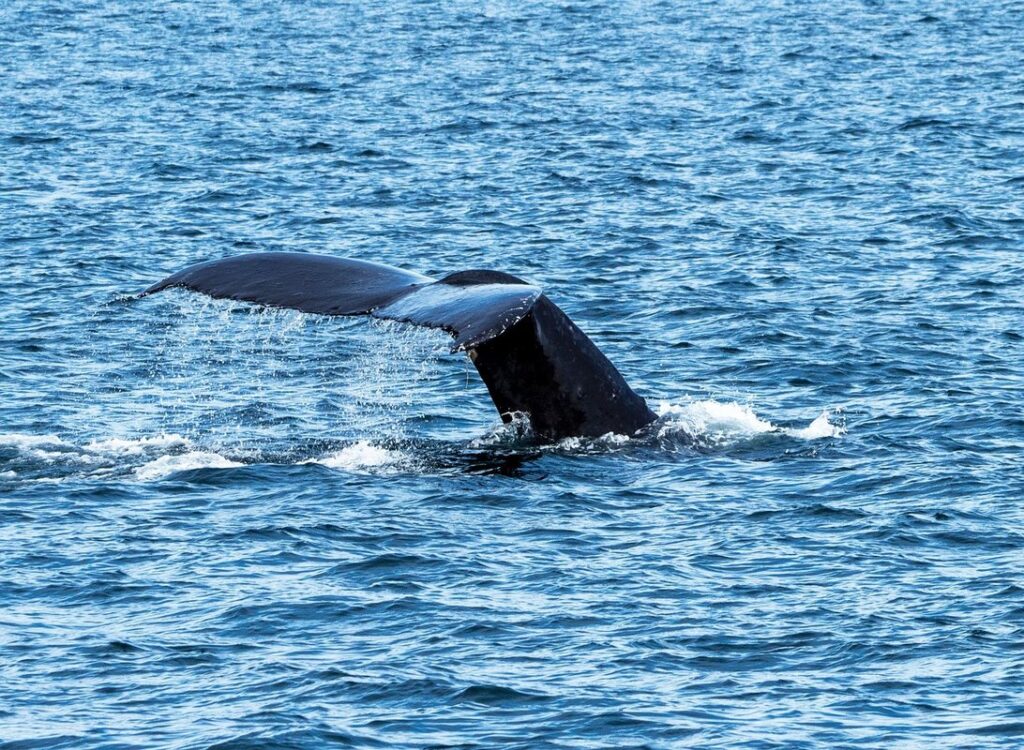
Understanding Whale Migration Patterns
Let’s start by looking at how whales migrate through Vancouver’s waters, and what patterns they follow during their annual journeys. From June to October, different species converge on the city’s shores, creating an unforgettable experience for whale watchers.
What Triggers Whale Migration
In the Salish Sea and surrounding waters, whale migration patterns are influenced by a combination of food availability, breeding habits, and environmental changes. For example, Chinook salmon, a key food source for Southern Resident orcas, typically migrate into the Fraser River between May and October. The presence or scarcity of these fish plays a significant role in determining the arrival and departure times of these whales.
Environmental factors also impact whale migration. Changes in ocean temperature, sea ice coverage, and wind patterns can influence the availability of prey species and force whales to adjust their routes. For instance, warmer ocean temperatures may lead to a decrease in krill populations, causing migrating humpback whales to alter their feeding grounds.
Breeding habits are another crucial factor, as many whale species migrate to specific locations for mating and calving. The timing of these events is often tied to food availability, ensuring that calves have access to an adequate supply of nutrients during the early stages of life. By understanding these factors, you can better predict whale migration patterns in Vancouver waters and appreciate the complex interplay between environmental and ecological forces shaping these magnificent creatures’ journeys.
Types of Whales Migrating Off Vancouver’s Coast
Three distinct whale species can be observed migrating off Vancouver’s coast. Humpback whales are commonly spotted during their southward migration from April to October, often breaching and slapping their tails near shore. Gray whales, on the other hand, typically migrate through the region between May and September, usually alone or in small groups.
Orcas (also known as killer whales), which can be found year-round off Vancouver’s coast, exhibit a more complex migratory pattern than other species. Their movements are influenced by food availability and social dynamics within their pods. Resident orcas tend to stay within the coastal waters of British Columbia, while transient orcas venture further out into the Pacific Ocean.
When observing these whales from Vancouver’s shoreline or on a guided tour, it’s essential to be aware of their distinct vocalizations and behaviors. For instance, humpback whales are known for their hauntingly beautiful songs, while gray whales make loud, explosive sounds when close to shore. By recognizing these characteristics, visitors can gain a deeper appreciation for the diverse whale species found off Vancouver’s coast.
Best Time to See Whale Migration in Vancouver
If you’re planning a whale-watching trip to Vancouver, timing is everything: learn when and where to spot these majestic creatures during their annual migration. The key lies in understanding the optimal months for viewing different species.
Peak Migration Season
The peak migration season for whales off Vancouver’s coast typically occurs between May and October. During these months, humpback whales are commonly spotted feeding on krill and small fish in the waters around the city. Orcas (also known as killer whales) can be seen year-round but are most abundant during this period.
One notable event that coincides with peak migration season is the annual Vancouver Whale Watch Festival, held in late August. This festival offers guided tours and educational events to promote awareness about these magnificent creatures and their habitats.
Additionally, May marks the beginning of the gray whale’s northward migration along the Pacific coast. These gentle giants can be seen migrating through the waters off Vancouver, often traveling in large groups of up to 20 individuals. As you plan your whale-watching excursion, consider visiting during the latter half of June when peak humpback sightings occur, or late September for optimal gray whale viewing opportunities.
Early and Late Season Sightings
Early and Late Season Sightings can be distinct experiences. In the early season, typically from March to May, Humpback Whales are more abundant than other species. However, their feeding behavior often takes them farther out to sea, making them harder to spot. On the other hand, in the late season, June to October, Orca and Minke Whales dominate the sightings, with the former often approaching closer to shore.
Early season challenges include reduced daylight hours, which can limit viewing time. Additionally, the whales may be more dispersed due to feeding patterns, requiring longer observation periods or more extensive travel to find them. Late-season visitors should note that these larger whale species tend to congregate in specific areas, such as near fish processing plants or around islands with rich marine life.
When planning your trip during early or late season, consider the specific needs of each time period. For example, take advantage of longer daylight hours and more favorable weather conditions during the early season by bringing binoculars for extended viewing periods. In contrast, focus on finding areas known to attract larger whales in the late season.
Whale Watching Tours in Vancouver
If you’re planning a whale watching tour in Vancouver, there are several options to choose from, each offering unique experiences on the water. We’ll break down what to expect from these tours.
Choosing a Responsible Tour Operator
When selecting a tour operator for a whale watching experience in Vancouver, it’s essential to choose one that prioritizes responsible and eco-friendly practices. This means looking for operators that adhere to best practices for minimizing their impact on the environment and respecting the whales’ natural habitat.
The Responsible Whale Watching Association of Canada (RWWAC) has established guidelines for tour operators, including keeping a safe distance from whales, not feeding or approaching them in any way, and educating passengers about whale behavior and conservation efforts. When researching potential tour operators, look for their membership with organizations like RWWAC or similar industry standards.
Additionally, opt for operators that use environmentally friendly vessels, such as those powered by electric or hybrid engines, which produce significantly less noise pollution than traditional gas-powered boats. Some tour operators also offer educational programs and workshops to teach passengers about whale conservation and the importance of responsible wildlife viewing practices. By choosing a responsible tour operator, you can help ensure that your whale watching experience is both enjoyable and sustainable.
Types of Whale Watching Experiences
Vancouver offers a range of whale watching experiences to suit different preferences and abilities. Guided boat tours are the most popular option, providing a narrated tour with experienced captains who can identify species and share insights into their behavior. These tours typically last several hours and offer a bird’s-eye view of the whales from the comfort of a covered vessel.
Kayaking excursions are another way to experience whale watching in Vancouver. These tours allow paddlers to get up close and personal with the whales, often resulting in unforgettable moments. However, kayakers must be prepared for physical exertion and potentially rough waters. Some tour operators also offer Zodiac boat tours, which provide a more agile and maneuverable option for navigating through tight spaces.
It’s essential to choose a reputable tour operator that adheres to responsible whale watching practices, such as keeping a safe distance from the animals and not disturbing their natural behavior. By selecting an experienced guide and following their instructions, visitors can ensure a safe and enjoyable experience while also contributing to the conservation of these magnificent creatures.
Conservation Efforts and Ecological Impact
As we explore the incredible whale migration patterns in Vancouver, it’s essential to understand the conservation efforts in place to protect these magnificent creatures. Effective management of marine ecosystems is crucial for preserving their habitats and ensuring long-term sustainability.
The Effects of Climate Change on Whales
Rising sea levels and changes in ocean temperature are significantly impacting whale migration patterns. As Arctic ice melts at an alarming rate, whales are forced to adapt their routes to avoid shallow waters and find suitable habitats for feeding and breeding. This shift is particularly evident in the Southern Resident killer whales, which have altered their migration timing to coincide with the warmer months.
Warmer ocean temperatures are also altering the distribution of prey species, such as salmon and herring, that whales rely on for sustenance. This can lead to malnutrition and starvation among whale populations if they cannot adapt quickly enough to these changes. For example, in recent years, orcas have been spotted in areas where they were previously scarce, such as near the mouth of the Fraser River.
Conservation efforts should take into account these changing migration patterns and prioritize protecting critical habitats, including marine protected areas and coastal ecosystems that are essential for whales’ survival. This may involve collaborating with local communities to develop sustainable fishing practices that minimize bycatch and protect endangered species.
Local Conservation Initiatives
The City of Vancouver and its surrounding regions have made significant strides in protecting whales and their habitats. The Vancouver Aquarium’s Cetacean Research Program collaborates with government agencies to monitor whale populations, identify migration patterns, and develop conservation strategies. The program has also implemented a whale disentanglement response system, which ensures rapid assistance for entangled whales.
The Canadian Department of Fisheries and Oceans (DFO) has established the Southern Resident Killer Whale Recovery Plan, aimed at stabilizing the population by improving prey availability and reducing noise pollution from human activities. Additionally, local organizations like the OrcaLab research center provide a platform for scientists to study whale behavior and develop effective conservation methods.
The City of Vancouver’s marine management plan prioritizes habitat protection through measures such as establishing marine protected areas and implementing best practices for fishing gear and vessel traffic. Residents can contribute by reporting any whale sightings or entanglements to the local authorities, which helps inform conservation efforts and ensures timely response.
Frequently Asked Questions
What if I’m planning to visit Vancouver outside of peak migration season? Are there any whale watching opportunities available?
Yes, you can still see whales during early and late seasons, although the types of species and viewing conditions may be different. Early season sightings might involve fewer species, while late season sightings could offer better chances for spotting orcas and humpback whales. Be prepared for potentially rough seas and variable weather.
Can I participate in whale watching tours with kids? Are there any family-friendly options available?
Yes, many responsible tour operators cater to families with young children, offering kid-friendly tours that are both educational and entertaining. These tours often include activities and amenities specifically designed for families, such as on-board educational programs or play areas.
How can I contribute to local conservation efforts and support whale protection initiatives in Vancouver?
You can participate in various ways, including volunteering for beach cleanups, supporting local organizations like the Pacific Whale Foundation, or spreading awareness about responsible wildlife watching practices. Additionally, consider donating to reputable organizations that work towards protecting whales and their habitats.
What should I do if I encounter a whale during my own boat trip or while kayaking? Should I try to approach it?
No, it’s essential to maintain a safe distance from whales to avoid disturbing them or disrupting their natural behavior. If you encounter a whale, keep at least 100 meters (330 feet) away and avoid making sudden noises that could startle the animal. Enjoy observing from a respectful distance while keeping your safety in mind.
Can I combine my whale watching tour with other activities, such as visiting Stanley Park or Granville Island? Are there any multi-day tours available?
Yes, many tour operators offer packages that include combinations of whale watching and other local attractions or experiences. You can also explore options for multi-day trips or guided excursions that allow you to immerse yourself in Vancouver’s natural beauty while learning about its rich wildlife heritage.

