
The kitchen can be one of the most overwhelming spaces in our homes. With all the cooking gear, appliances, and utensils cluttering up countertops and cupboards, it’s easy to feel stressed out just thinking about meal prep or cooking for family and friends. You want your kitchen to be a space where you feel inspired to cook healthy meals and enjoy quality time with loved ones, not a chaotic mess that drains your energy.
A simplified kitchen isn’t just about aesthetics – it can actually save you time, reduce stress, and promote healthier eating habits. By decluttering, optimizing your layout, and implementing efficient storage solutions, you can transform your kitchen into a haven where cooking is enjoyable again. In this article, we’ll explore expert tips on creating a stress-free kitchen that meets your needs and enhances your well-being.
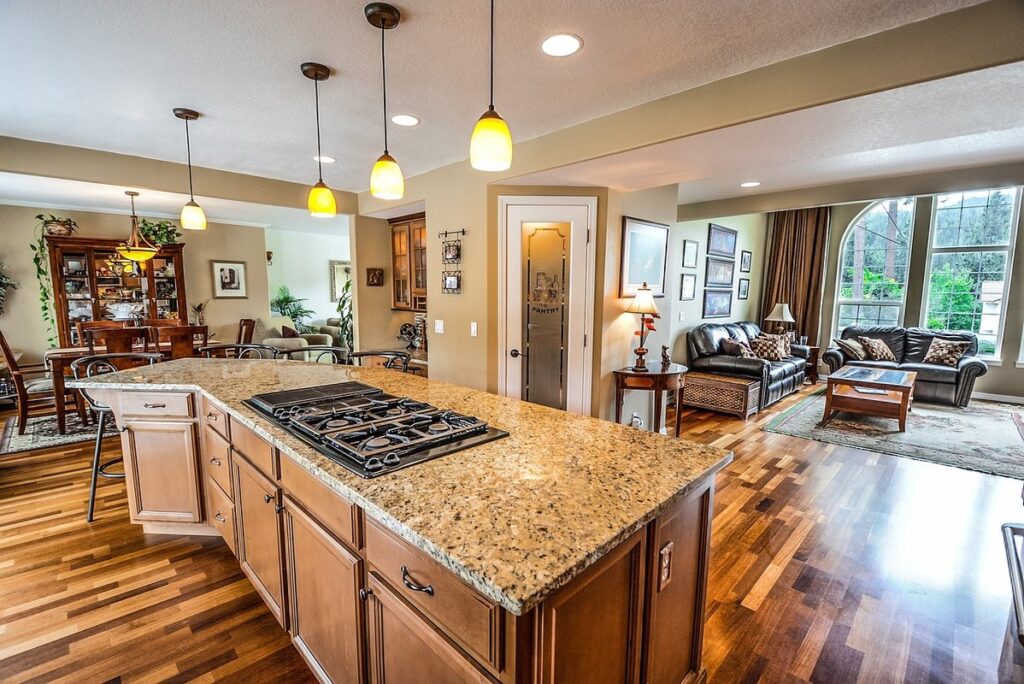
The Benefits of a Simplified Kitchen
A simplified kitchen is not just about aesthetics, but also about saving time and reducing stress in your daily cooking routine. This section explores how simplifying your kitchen can have a positive impact on your life.
Decluttering the Space
When you declutter your kitchen, you’re not just clearing out physical space – you’re also reducing mental clutter. A simplified kitchen environment can significantly lower stress levels and boost productivity. Cluttered kitchens can feel overwhelming, making it difficult to focus on cooking or even find the tools you need.
Focus on high-traffic areas like countertops, sink basins, and cabinet fronts during the decluttering process. Remove any unnecessary gadgets, appliances, or cookbooks that no longer serve a purpose. Consider designating a specific area for frequently used items, keeping essentials within easy reach to save time and energy.
It’s also essential to tackle your kitchen’s “dead zones” – areas where clutter accumulates without being actively used, such as the space behind appliances or under the sink. Use this opportunity to sort through expired spices, stale food, and other items that have outlived their usefulness. By streamlining these often-overlooked spaces, you’ll create a more efficient workflow and enjoy a greater sense of calm in your kitchen.
Creating a Functional Layout
A well-planned layout is essential for a simplified kitchen. By optimizing storage, workflow, and minimizing clutter, you can significantly reduce cooking time, energy expenditure, and mental fatigue. One effective way to achieve this is by implementing the “zone” concept. Divide your kitchen into distinct zones for food preparation, cooking, and cleaning. This will help streamline your workflow and prevent unnecessary back-and-forth movement.
For example, place your sink and dishwasher near each other to create a “cleaning zone.” Position your stovetop or oven in close proximity to the “cooking zone,” where you can store essential spices and utensils within easy reach. In the “food preparation zone,” group frequently used ingredients like oils, condiments, and baking supplies together.
Consider investing in adjustable shelves or storage units that allow for flexible configuration. This will enable you to adapt your layout as your cooking habits change over time. Clear clutter by storing items out of sight using baskets, containers, or hooks. By thoughtfully planning your kitchen’s layout, you can create a more efficient and stress-free cooking environment.
Streamlining Your Kitchen Essentials
Next up, let’s talk about how to tame that kitchen clutter by streamlining your essentials into one, easy-to-access area. This means paring down to only what you truly use and love.
Essential Tools for a Simplified Kitchen
A multi-functional kitchen scale can be a game-changer for home cooks. Look for one with a built-in timer and recipe storage to simplify meal prep. This tool allows you to accurately measure ingredients, reducing food waste and streamlining cooking tasks.
In addition to this versatile gadget, consider investing in an Instant Pot or other pressure cooker appliance. These machines can replace several kitchen tools, such as a slow cooker, rice cooker, and even a blender, due to their multi-functional nature. They’re ideal for batch cooking, which is a key aspect of simplifying your kitchen.
Another clever accessory is a spiralizer, which converts vegetables into noodle-like strands. This gadget is perfect for low-carb diets or as a fun way to add some variety to meals. Simply place a vegetable like zucchini on the machine and watch it transform into a delicious, healthy “noodle.”
Efficient Storage Solutions
Cabinet organizers are a game-changer for kitchens with limited counter space. Look for adjustable dividers that can be customized to fit specific items, such as spices or cookbooks. This ensures every inch of storage is utilized efficiently.
Drawer dividers are another essential component in maintaining a clutter-free kitchen. They help separate utensils, gadgets, and other items, keeping them easily accessible while preventing them from getting jumbled together. Consider using soft-close drawer glides for smooth operation.
Wall-mounted shelves provide additional storage without consuming precious floor or countertop space. Use baskets or bins to store items like snacks, cookbooks, or even cleaning supplies. This keeps the countertops clear and creates a sense of openness in the kitchen.
When selecting storage solutions, consider your personal cooking habits and preferences. For instance, if you’re an avid baker, a wall-mounted shelf near the mixing area can be perfect for storing baking essentials. By choosing the right storage options and tailoring them to your needs, you’ll be able to maintain a clutter-free environment that makes cooking more enjoyable and efficient.
Kitchen Organization Systems
A well-planned kitchen organization system can make a huge difference in your daily cooking routine, helping you stay on top of tasks and ingredients. Let’s take a closer look at some practical solutions to get you started.
Zone-Based Organization
In a zone-based organization system, you divide your kitchen into distinct areas for different activities. This typically includes zones for cooking, prep, cleaning, and storage. By assigning specific tasks to each zone, you create an efficient workflow that streamlines daily operations.
A common layout divides the cooktop or range into the cooking zone, with adjacent space allocated for utensils and tools within arm’s reach. The sink area is designated as the cleaning zone, while a nearby section is reserved for wiping down countertops and loading dirty dishes. Storage zones often feature shelves or cabinets above counters or along walls.
To implement this system effectively, consider the “work triangle” concept: place essential items in each zone according to your most frequent tasks. For example, store spices near the cooking zone and baking supplies nearby. Assign a “launching pad” for essentials like trash bags, cleaning products, and takeout menus within easy reach of the sink or entryway. This thoughtful layout minimizes steps between tasks and reduces clutter buildup in high-traffic areas.
Labeling and Signage
Labeling and signage are crucial components of maintaining a simplified kitchen. Clear labels on storage containers and signs on cabinets can help family members quickly identify where items belong. This reduces clutter and makes it easier to maintain organization.
For custom labels, consider using a label maker or chalkboard stickers on containers. These can be easily written on with a dry-erase marker, allowing you to update the contents as needed. Alternatively, use adhesive-backed vinyl letters for a more permanent solution. To keep countertops clear, use signs to direct traffic and provide storage information.
For example, place a sign above the utensil drawer indicating that it’s only for long-handled items. This helps prevent overcrowding and makes cleanup easier. Use labels on baskets or containers holding dry goods, such as flour or sugar, to help identify what’s inside without having to open each one. When creating signs, keep them simple and concise, focusing on the most important information. Avoid cluttering countertops with unnecessary details or graphics.
Mindful Meal Planning
Mindful meal planning is all about being intentional with your grocery list and cooking schedule, allowing for more free time in your busy life. It’s a simple yet effective way to reduce kitchen stress and chaos.
The Benefits of Meal Planning
Meal planning is a crucial aspect of achieving a simplified kitchen. By taking control of what you cook and when, you can save time during the week by having a clear plan for each meal. This eliminates last-minute takeout or dining out decisions, which not only saves money but also reduces stress. In addition to saving time, meal planning helps reduce food waste by ensuring that ingredients are used before they expire.
Common challenges include creating a schedule that fits your lifestyle and dietary preferences. To overcome this, consider assigning a specific day of the week for meal planning, whether it’s Sunday afternoon or Wednesday evening. This dedicated time allows you to assess your upcoming schedule and plan meals accordingly. It also helps you shop more efficiently by only buying what you need, thus avoiding impulse purchases.
For example, if you have a family member with food allergies, you can create a separate list of safe ingredients for meal planning purposes. Similarly, consider any cultural or personal preferences when selecting recipes to ensure everyone’s needs are met.
Creating a Meal Plan Template
When creating a meal plan template, consider the individual’s dietary needs and restrictions. Start by identifying common allergens, such as gluten, dairy, nuts, or shellfish, and plan accordingly. For instance, if you have family members with celiac disease, ensure that your template includes gluten-free options.
Another crucial factor is ingredient availability. Think about seasonal produce, staple pantry items, and frozen foods to minimize waste and optimize grocery shopping. Consider a “use-it-up” approach by planning meals around ingredients that are near expiration or surplus.
Cooking skills should also be taken into account when designing your template. Break down complex recipes into simpler steps, using cookbooks or online resources for guidance. Consider assigning a cooking skill level to each recipe, such as “beginner-friendly” or “advanced,” to help you gauge the difficulty of each dish.
Remember that meal planning is not about restriction but rather balance and flexibility. Your template should reflect this by including a variety of cuisines and cooking methods. By addressing dietary needs, ingredient availability, and cooking skills, your meal plan template will be tailored to your specific kitchen requirements, making mealtime planning more efficient and enjoyable.
Advanced Kitchen Simplification Techniques
Take your kitchen organization to the next level with expert techniques that maximize storage, streamline workflow, and make meal prep a breeze every time.
Implementing the “Single-Purpose” Rule
To simplify your kitchen further, implement the “single-purpose” rule by assigning each item or gadget to a specific task. For instance, a stand-alone toaster is solely for toasting bread, whereas a multi-functional appliance like a slow cooker is designed for various tasks such as cooking, reheating, and even roasting.
In practice, this means that every kitchen tool should have its designated spot, making it easy to locate what you need when preparing meals. A simple example of applying the single-purpose rule is designating a drawer for baking supplies or another for utensils used only during dinner preparation.
When reorganizing your kitchen according to this principle, evaluate each item’s primary function and group similar items together. If an appliance serves multiple purposes but still takes up valuable counter space, consider its most frequently used functions and prioritize those when assigning it a dedicated spot.
Upgrading Your Kitchen Systems
When upgrading your kitchen systems, consider incorporating automation tools to streamline cooking tasks. Smart appliances, such as refrigerators with built-in scales and intuitive touch screens, can simplify meal planning and grocery shopping. These high-tech gadgets often integrate with popular health and fitness apps, making it easier to track nutritional information and meal prep.
Some notable examples of automation tools include Amazon’s Alexa-enabled smart ovens, which allow for hands-free temperature adjustments and cooking timers. Similarly, devices like June’s smart oven can automatically detect the type of food being cooked and adjust cooking settings accordingly. When selecting a new appliance or system, look for features that align with your specific needs, such as voice control, mobile app connectivity, and automatic recipe scaling.
To maximize the benefits of these advanced systems, it’s essential to understand their full capabilities and limitations. Read user reviews, consult product documentation, and explore online tutorials to ensure you’re using all the features at your disposal. By integrating automation tools into your kitchen workflow, you can save time, reduce stress, and enjoy a more seamless cooking experience.
Maintaining a Simplified Kitchen
Maintaining a simplified kitchen means more than just decluttering – it’s about creating habits and systems that support your new, streamlined space. Let’s focus on strategies for keeping your kitchen organized over time.
Scheduling Regular Maintenance
In a simplified kitchen, regular maintenance is crucial to maintaining its efficiency and functionality. This involves scheduling cleaning routines, checking expiration dates, and performing routine appliance checks.
Start by setting aside time each week for deep cleaning tasks like scrubbing the oven, sanitizing countertops, and wiping down cabinet handles. Allocate 15-30 minutes daily for tidying up after meals, such as washing dishes immediately, wiping spills on the stovetop, and putting away utensils and ingredients. You can also assign specific days of the week for more extensive tasks like mopping the floors or cleaning out the fridge.
Regularly check expiration dates on perishable items in your pantry and fridge to avoid food waste and maintain a clutter-free kitchen. Store items behind easily accessible front shelves, allowing you to see what’s inside without having to rummage through containers. For appliances, perform routine checks every 3-6 months by inspecting cords for fraying, cleaning out filters, and checking the temperature settings to ensure proper function.
By incorporating these habits into your kitchen routine, you’ll maintain a clean, organized space that streamlines cooking and meal preparation.
Monitoring Progress and Adjustments
When implementing a simplified kitchen setup, it’s essential to track progress and make adjustments as needed. Start by setting clear goals for what you want to achieve with your simplified kitchen. Are you looking to reduce clutter, streamline cooking processes, or save time on meal prep? Having specific objectives will help you stay focused and motivated throughout the process.
To monitor your progress, create a routine of regular assessments. Set aside 10-15 minutes each week to review your kitchen’s current state. Go through your cookbooks, recipe notes, and storage containers. Remove any items that no longer serve their purpose or haven’t been used in months. This exercise will help you identify areas where adjustments can be made.
Some common areas for improvement include optimizing pantry organization, streamlining kitchen tools, and adjusting cooking routines to accommodate your simplified setup. For instance, consider implementing a “one-touch rule” when cleaning up after meals – wash dishes immediately or put them straight into the dishwasher to avoid piling up dirty work later on. Regular assessments will enable you to make data-driven decisions about what works and what doesn’t in your kitchen.
Frequently Asked Questions
Can I implement a simplified kitchen on a tight budget?
Yes, simplifying your kitchen doesn’t have to break the bank. Start by decluttering and repurposing items you already own, then gradually introduce new, multi-functional tools and efficient storage solutions as your budget allows.
How do I handle stubborn family members or roommates who don’t want to follow a simplified kitchen setup?
When dealing with resistant individuals, try framing the benefits of simplification in terms of their personal goals, such as saving time or reducing stress. Involve them in the decision-making process and let them choose which tools and systems they’d like to implement.
Can I use zone-based organization for very small kitchens, or does it work best with larger spaces?
Zone-based organization can be adapted to fit any kitchen size by focusing on functional areas rather than fixed zones. For example, create a “cooking station” even in a tiny kitchen by grouping essential tools and ingredients together.
What if I have a disability or mobility issue that makes certain simplified kitchen solutions difficult to use? Are there alternatives?
Yes, many alternative options are available for individuals with disabilities or mobility issues. Consider consulting with an accessibility expert or searching for adapted kitchen designs specifically tailored to your needs.

