
Do you find yourself surrounded by clutter, unsure of how to tackle the mountain of old items taking over your home? Decluttering can be overwhelming, especially when faced with sentimental or practical concerns about what to do with these possessions. As we accumulate more stuff, our living spaces become increasingly cramped and our minds feel heavier with worry about where everything will go. But decluttering isn’t just about clearing out old furniture and trinkets – it’s also about creating space for new experiences, habits, and relationships that bring joy to our lives. This guide will walk you through simple strategies and tips for decluttering your home and life, helping reduce stress and increase productivity by showing you how to let go of what no longer serves you and make room for what truly matters. By the end of this article, you’ll know exactly where to start when it comes to managing clutter and creating a more streamlined lifestyle.
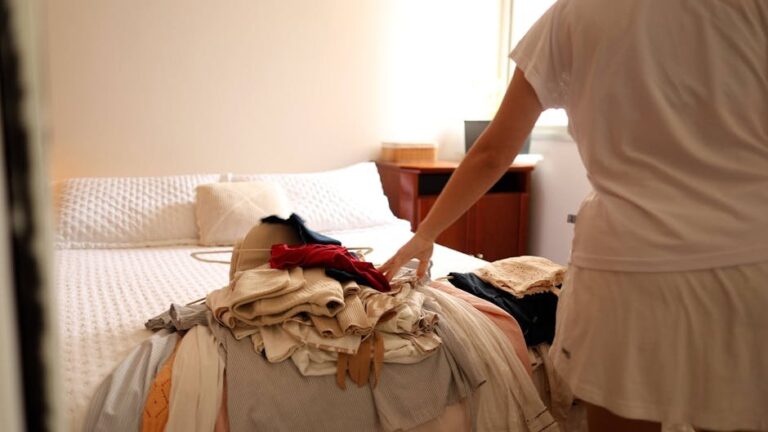
Understanding the Need for Decluttering
You might be wondering why you need to declutter at all, but the truth is that a cluttered space can weigh heavily on your mind and make daily tasks more difficult. Let’s examine the reasons behind this phenomenon together.
The Benefits of a Clutter-Free Life
A clutter-free life has numerous benefits that can improve various aspects of your daily existence. One significant advantage is reduced stress levels. When surrounded by clutter, it’s easy to feel overwhelmed and anxious, making everyday tasks more challenging. By decluttering, you create a peaceful environment that promotes relaxation and calmness.
Increased productivity is another benefit of living clutter-free. With less time spent searching for misplaced items or worrying about messes, you can focus on more important tasks. For instance, imagine having an extra hour each day to work on your hobbies or spend quality time with family. This sense of freedom can boost motivation and energy levels.
Improved focus is also a notable benefit of decluttering. Clutter can distract us from our goals and priorities, making it difficult to concentrate on what truly matters. By eliminating distractions, you can maintain a clear mind and stay focused on your objectives. For example, having a tidy workspace or study area can significantly enhance your ability to learn and work efficiently.
Recognizing Signs of Excessive Clutter
Excessive clutter can manifest in various ways, often making it challenging to pinpoint the exact moment when a space becomes cluttered. However, there are telltale signs: overwhelmed spaces, lost items, and decreased motivation.
Overwhelmed spaces are a clear indication that clutter has taken over. When every available surface is covered with items, and pathways through the room are narrow or non-existent, it’s likely that excessive clutter has set in. This can lead to feelings of anxiety and stress when attempting to use or clean these areas.
Lost items are another sign of clutter buildup. If you find yourself consistently misplacing essential items like keys, phone chargers, or important documents, it may be a result of the disorganization created by clutter. To combat this, implement a “home” for each item and designate a central location for frequently misplaced objects.
Decreased motivation to maintain a space is also a red flag for excessive clutter. When messes feel insurmountable, it’s easy to put off cleaning or organizing tasks altogether, exacerbating the problem further.
Assessing Your Belongings
Now that you’ve gathered all your old belongings, it’s time to take a closer look at each item and decide what to keep, donate, sell, or discard. This process is crucial in determining the fate of each item.
Sorting Items into Categories
When sorting items into categories, it’s essential to create distinct piles for what you want to keep, donate/sell, and discard. This step may seem tedious, but it sets the foundation for a successful decluttering process. Start by designating a clear area for each pile, such as separate boxes or bags labeled “keep,” “donate/sell,” and “discard.” This visual separation will help you maintain focus and avoid mixing items between categories.
Begin with your keep pile, identifying essential items that bring value to your life, like sentimental objects, necessary tools, or cherished books. Be ruthless about what goes in this category; if an item doesn’t spark joy, consider letting it go. Next, designate a section for items you can donate or sell, such as gently used clothing, furniture, or household goods. You can donate these items to local charities or sell them through online marketplaces like eBay or Craigslist. Finally, the discard pile should contain items that are broken beyond repair, hazardous, or no longer serve any purpose.
Evaluating Sentimental Value
When evaluating sentimental value, consider not just emotional attachment but also rarity and monetary worth. A family heirloom might be priceless to you, but its monetary value could be negligible. Conversely, a rare collectible may hold significant financial value but evoke little personal sentiment.
To assess the sentimental value of an item, ask yourself what memories or emotions it evokes. Does it remind you of a specific event or person? Or does it serve as a tangible connection to your heritage? Consider the story behind each item and how it contributes to your personal narrative.
Rarity can also play a role in determining sentimental value. A unique piece of art or an antique with historical significance may hold greater emotional weight than a mass-produced item, regardless of its monetary worth. On the other hand, items that are easily replicable or have little cultural significance may be easier to let go of.
Take photographs and keep only your favorites, rather than trying to preserve every single item from a particular event or time period. Similarly, consider digitizing music collections or family videos to free up physical space while maintaining sentimental value.
Decluttering Strategies
When it comes to getting rid of old items, a well-planned approach is key. In this crucial step, we’ll explore effective decluttering strategies for tackling unwanted possessions.
The One-Touch Rule
The one-touch rule is a simple yet effective decluttering strategy that can save you time and energy in the long run. It involves handling each item only once before making a decision about its fate. When sorting through clutter, it’s easy to get caught up in the process of picking up an item, considering it for a moment, and then putting it down again to deal with later. But this can lead to wasted time and mental energy as you’re forced to revisit decisions multiple times.
To implement the one-touch rule, designate a specific spot for each category of items – for example, a box or bin for donations, another for recyclables, and a third for trash. As you sort through your clutter, place each item in its designated spot immediately after consideration. This helps to prevent decision fatigue and ensures that you’re not letting clutter build up again as you revisit the same areas multiple times. For instance, if you come across a broken vase, don’t set it aside to think about whether to repair or replace it – simply put it straight into the trash bin with the other items destined for disposal.
Letting Go of Unwanted Gifts
Unwanted gifts can be a significant clutter contributor, often carrying emotional weight and guilt. When dealing with these items, consider donating them to those who will appreciate their value. Many organizations accept gently used clothing, household goods, and furniture, providing recipients with essential resources.
Alternatively, repurpose the gift by adapting it for new uses or passing it down to someone who can make better use of it. For instance, a vintage scarf can become a unique handkerchief or cleaning cloth. Retain sentimental items that hold significant emotional value, but be honest about their actual usefulness.
To maintain a gracious attitude when declining future gifts, focus on the giver’s intentions rather than the item itself. Acknowledge and appreciate their thoughtfulness, then tactfully express your gratitude while setting boundaries. A simple “thank you, but I think I’ll stick to what I have” can be an effective response. By doing so, you cultivate a sense of mutual respect and avoid perpetuating clutter in your home.
Decluttering Your Home
When it comes to decluttering, sorting through old household items can be overwhelming. Let’s focus on the process of getting rid of unwanted belongings and what options are available for each type.
Decluttering Bedrooms
When it comes to decluttering bedrooms, a common challenge is managing closets and reducing clothing clutter. Start by sorting through your closet contents: separate items into three piles – keep, donate/sell, and discard. Be ruthless about letting go of worn-out or ill-fitting clothes. Consider the 80/20 rule, where 80% of the time you likely wear 20% of your clothes.
To further reduce clutter, implement a one-in-one-out policy: for every new item that enters your closet, remove an old one to maintain a balanced quantity. Utilize storage containers or bins to corral accessories like scarves, hats, and bags, keeping them organized but out of sight.
Creating a peaceful sleep environment is also essential. Make your bed each morning to set the tone for a calm evening. Consider using a mattress protector and breathable bedding to promote better sleep quality. Lastly, keep electronic devices out of the bedroom to avoid distractions and create a restful atmosphere. By decluttering your closet and creating a relaxing sleep space, you’ll be well on your way to a more organized and rejuvenating bedroom sanctuary.
Decluttering Living Areas
Decluttering living areas is essential for creating a comfortable and inviting atmosphere in your home. Start by addressing paper clutter, which can quickly accumulate on coffee tables, entryways, and side tables. Designate a specific spot for mail and papers, such as a tray or inbox near the front door. Consider implementing a “one-touch rule” where you deal with each piece of paper immediately – either toss it, file it away, or put it in its designated spot.
Next, tackle living room storage by removing unnecessary items from shelves and cabinets. Remove any items that are broken, outdated, or no longer useful. Store items that bring joy or serve a purpose, such as decorative objects, books, or games. Consider using baskets, bins, or crates to store items like toys, remotes, or throw blankets.
Finally, improve the flow in entryways by removing clutter and creating a clear path for traffic. Remove any unnecessary items from entryway tables or shelves, and consider installing hooks for coats, hats, and bags. This will help maintain a sense of calm and make it easier to move through your home.
Handling Special Cases
Decluttering can get tricky when dealing with unusual items, and what to do with old stuff that’s truly one-of-a-kind often requires a thoughtful approach. Let’s explore some creative solutions for these unique challenges.
Decluttering Sentimental Items
Decluttering sentimental items can be one of the most challenging tasks when tackling old stuff. Cherished possessions often evoke strong emotions, making it difficult to let go. However, keeping duplicates or multiples of sentimental items only adds to clutter and chaos.
Consider taking photos of cherished items instead of keeping every single one. This way, you’ll capture the memory without having to store the item itself. You can also take note of the item’s history and significance, which will serve as a reminder of the fond memories associated with it. For example, if you have multiple identical vases given by different family members, take photos of each one and create a digital album.
Letting go of duplicates allows you to preserve the memory without the physical burden. You can also consider creating a shadow box or a customized frame to display a few select sentimental items. This way, you’ll still be able to appreciate the item while freeing up space elsewhere in your home. By taking these steps, you’ll be able to preserve memories and create a more organized living space.
Managing Digital Clutter
Digital clutter can be just as overwhelming as physical clutter. Computers and mobile devices are increasingly used for storing and accessing personal data, making it essential to develop strategies for managing digital files. Start by organizing computer files into clear categories, such as documents, photos, and videos, and regularly back up important information.
Another area of focus is email subscriptions. Unsubscribe from newsletters and promotional emails that no longer serve a purpose or interest you. Most people have at least 10-20 unnecessary email subscriptions they can cancel immediately. This simple step significantly reduces digital clutter and saves time spent on scrolling through unwanted messages.
Implementing regular digital decluttering habits also helps maintain organization over time. Schedule weekly checks to delete unused apps, remove redundant files, and review your computer’s storage space. Set reminders for cleaning out your email inbox every few months and for updating your software regularly. By incorporating these small tasks into your daily routine, you’ll stay on top of digital clutter before it accumulates and becomes a burden.
Maintaining a Decluttered Space
Now that you’ve decluttered your space, it’s essential to maintain it by creating habits and routines that prevent clutter from building up again. Here are some practical tips to keep your space organized.
Creating Maintenance Habits
Establishing maintenance habits is crucial for preventing future clutter buildup. Set aside time each week for a quick tidying session, ideally 10-15 minutes a day, to maintain your newly decluttered space. This daily habit can be as simple as putting away dishes after dinner or making sure toys are stored in designated bins.
Schedule regular deep cleaning sessions every few months to tackle more involved tasks like cleaning out the fridge or reorganizing closets. Consider setting reminders on your calendar to stay on track. For example, you might schedule a bi-monthly session for spring and fall cleaning.
Make time for maintenance by incorporating it into your daily planner or app. Be realistic about your schedule and set achievable goals. Remember that prevention is key – taking care of small tasks regularly can prevent the need for extensive deep cleaning sessions down the line. By prioritizing regular tidying and occasional deep cleaning, you’ll maintain a clutter-free space with minimal effort required.
Encouraging Family Participation
Involving family members in maintaining a decluttered space is crucial for its long-term success. Assigning tasks to each household member helps distribute responsibilities and creates a sense of ownership. Start by making a list of tasks, such as tidying up living areas, taking out the trash, or folding laundry. Then, discuss these tasks with your family and assign them based on age and ability.
Create a shared cleaning schedule that outlines which tasks need to be completed each day or week. This can be a simple chart posted in a common area or a digital calendar shared among household members. Make sure to include tasks for children, such as putting away toys or helping with pet care.
Teaching children the value of organization is essential for developing good habits that will last a lifetime. Start by modeling these behaviors yourself and explaining why they’re important. You can also involve them in decluttering sessions, sorting items into categories, and deciding what to keep or donate. By doing so, you’ll not only maintain a clutter-free home but also raise responsible and organized individuals.
Frequently Asked Questions
What if I have too many sentimental items and can’t bear to part with any of them?
It’s okay to prioritize memories over physical possessions. Consider taking high-quality photos of sentimental items, which can serve as keepsakes without the clutter. You can also preserve memories by writing down stories or creating a memory book, rather than keeping every item.
How do I handle digital clutter that’s causing me stress and wasting time?
Begin by organizing your computer files into clear categories, such as “Work,” “Personal Projects,” and “Receipts.” Regularly review and purge unnecessary documents, and set up automatic backups to avoid losing important information. You can also implement tools like password managers or task automation software to streamline digital tasks.
Is it worth selling items I no longer need but that still hold some value?
Consider the time and effort required for selling versus donating. If you have rare or high-value items, it might be worth the investment. However, if the item is common or has low demand, consider donating it to a local charity instead – it can still benefit someone in need.
Can I involve my children in decluttering efforts, even if they’re young?
Yes. Teach your kids about organization and the value of letting go by making it a family activity. Assign them simple tasks, such as sorting toys or helping with laundry, to build their skills and responsibility. This can also be an opportunity for quality time together.
What if I have a pet that’s accumulated a large amount of clutter – like old food containers or toys?
Tackle pet-related clutter in stages, starting with the most critical areas (e.g., food storage) before moving on to less essential items. Consider categorizing pet supplies by expiration dates and replacing them regularly to prevent waste. You can also repurpose old items, such as converting an old toy into a unique scratching post.
What’s the best way to maintain my newly decluttered space over time?
Create a regular maintenance routine that works for your lifestyle, such as setting aside 10 minutes each day for tidying or scheduling weekly deep cleaning sessions. Teach family members to put things back in their designated place and involve them in decision-making about what to keep or discard. By staying on top of clutter prevention, you can enjoy your newly organized space for years to come.

