Learning to sew your own clothes can be intimidating, especially if you’re just starting out. But with practice and patience, creating stylish garments becomes easier and more enjoyable. Many people shy away from sewing because they think it requires a lot of time and expertise, but the truth is that you don’t need to be a skilled seamstress to create simple yet beautiful clothes. With some basic knowledge of fabric, notions, and techniques, you can sew easy clothes with confidence. This guide will cover everything you need to get started, from choosing the right patterns and fabrics to understanding the basics of garment construction. By the end of this article, you’ll be able to sew a few essential items for your wardrobe, such as a simple t-shirt or a pair of leggings, giving you the skills and confidence to tackle more complex projects in the future.
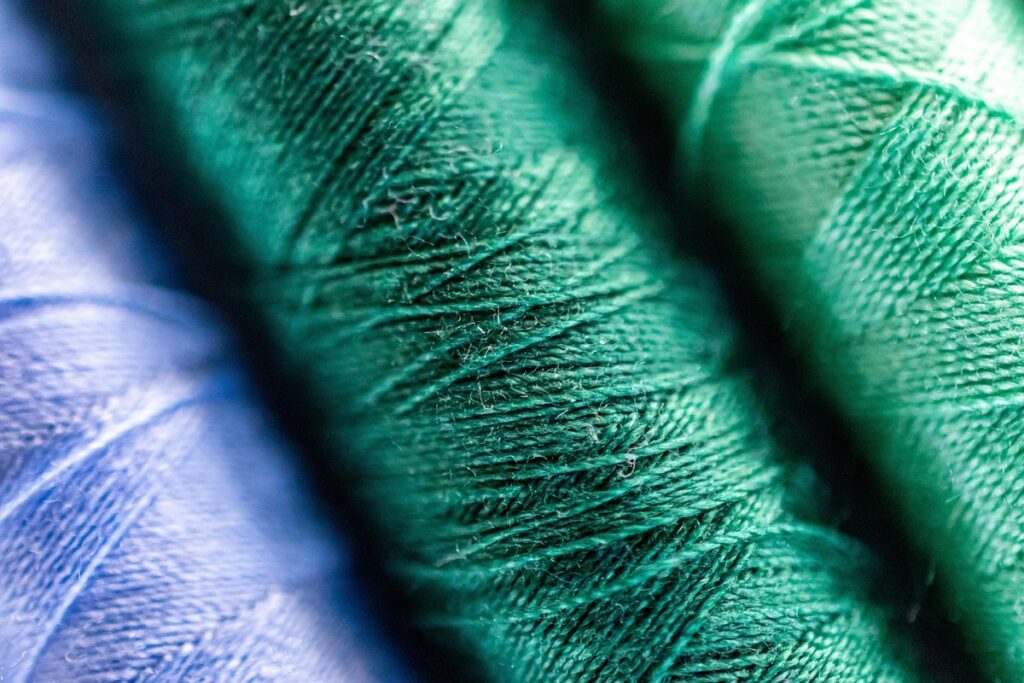
Choosing the Right Fabric and Notions
Choosing the right fabric is crucial for a beginner sewer, as it affects not only the look but also the durability of your final project. We’ll cover the basics of selecting fabrics and notions that work well together.
Understanding Fabric Types and Weights
When working with fabrics, it’s essential to understand the basics of fabric types and weights. This knowledge will help you choose the right fabric for your project and avoid common pitfalls. Let’s start by looking at the main categories: natural fibers like cotton, synthetic fibers like polyester, and blends.
Cotton is a popular choice for beginners because it’s easy to work with and forgiving. It’s breathable, absorbent, and comes in a wide range of weights, from lightweight lawn to heavy canvas. For example, quilting cotton is ideal for projects that require structure and stability, while voile or lawn cotton works well for flowy garments.
Polyester, on the other hand, is often used in activewear and outdoor clothing because it’s durable and wrinkle-resistant. However, it can be challenging to work with, especially for beginners. Blends combine the benefits of both natural and synthetic fibers, offering a balance between durability and ease of use.
Fabric weight also plays a crucial role in sewing. Lightweight fabrics like voile or silk are perfect for flowy garments or scarves, while medium-weight fabrics like cotton twill or denim work well for pants and skirts. Heavyweight fabrics like canvas or denim are ideal for bags and home decor projects.
Selecting the Perfect Thread and Needles
When selecting a thread color, consider the fabric’s natural hue and the garment’s intended purpose. For example, if sewing a white shirt, opt for a neutral-colored thread like beige or gray to avoid visible stitches. Darker fabrics can be paired with matching or darker-toned threads for a more subtle look.
The type of thread you choose depends on the project’s requirements. Cotton-wrapped polyester threads are suitable for most garments and home decor items, while silk or wool projects demand higher-quality threads designed specifically for those fibers. Never use thin or low-quality threads, as they can weaken or break easily during sewing.
When it comes to needles, select ones that match your thread type and fabric weight. Sharp, thin needles work well with lightweight fabrics like cotton or silk, while thicker, blunt needles are better suited for heavier materials like denim or canvas. Some common needle types include ball-point, sharp, and beading needles, each serving a specific purpose.
When working on delicate or stretchy fabrics, use specialized needles designed to prevent damage. For example, when sewing knits, opt for ball-point or stretch needles that minimize fabric distortion.
Simple Sewing Projects for Beginners
Let’s start with some simple sewing projects that require minimal equipment and expertise, perfect for beginners who want to sew a few basics. These easy-to-make garments are ideal for building confidence and skills.
T-Shirt Tutorial: From Scratch to Finish
To create a simple t-shirt from scratch, start by selecting a basic pattern designed specifically for beginners. Look for patterns labeled “easy” or “beginner-friendly” and choose one with a straightforward design. Some popular options include Simplicity’s Easy T-Shirt Pattern or McCalls’ M6638.
Once you have your pattern, read through the instructions carefully and familiarize yourself with the different components, such as the front and back pieces, sleeves, and neckline. Next, cut out your fabric according to the pattern’s cutting guide, making sure to match grain lines and follow any notches or markings on the pattern pieces.
Begin sewing by attaching the front and back pieces together at the sides, using a 1/4 inch seam allowance. Then, sew the sleeves in place, working from the top down. Finish the neckline with a simple hem or a narrow binding. Finally, add any additional details, such as armholes or a collar, following the pattern’s instructions.
Some essential tools for this project include a rotary cutter and mat, scissors, and a sewing machine with a straight stitch and zigzag stitch options. By following these steps and using the right materials, you’ll be able to create a simple t-shirt from scratch in no time.
A-Line Skirt Pattern: Easy and Flattering
To create an A-line skirt using a basic pattern, start by selecting a suitable fabric. Choose a medium-weight fabric with some drape, such as cotton lawn or denim. Avoid thin fabrics like silk or voile, as they may not hold their shape well.
When cutting out the fabric, ensure you’re working with the grain line. This means aligning the fold of your fabric with the selvage edge to create a smooth, even texture. If you cut against the grain, your skirt will be prone to wrinkling and distortion.
For the hem, use a 1/4 inch seam allowance and press the fold in place as you go. You can either finish the raw edges with a serger or zigzag stitch, or leave them raw for a more casual look.
To create a flattering A-line silhouette, focus on the skirt’s width at the hem. Make sure to grade the pattern pieces accordingly, so the skirt tapers slightly from waist to hem. Use a ruler or measuring tape to double-check your measurements and ensure accuracy. By following these steps, you can create a beautiful, easy-to-sew A-line skirt that flatters any figure.
Clothing Patterns for Beginners
Let’s start with the basics: understanding simple clothing patterns is key to creating great-looking clothes. We’ll cover the essential pattern types and elements you need to know as a beginner sewer.
Understanding Pattern Labels and Symbols
Sewing patterns are filled with labels and symbols that may seem mysterious at first, but understanding their meanings will make working with patterns a breeze. A size chart is typically found on the back of the pattern envelope or within the instruction booklet. This chart lists measurements for each size range to ensure you’re using the correct pattern pieces.
A grain line is indicated by an arrow pointing in one direction and may be labeled as “grain” or “selvage.” Always cut your fabric along this line, as it ensures that your seams will lie flat. Seam allowances are also marked on the pattern pieces, typically with a dashed line indicating 1/4 inch or 5mm. This allowance is essential for ensuring accurate seam placement and preventing bulky seams.
Other common labels you’ll encounter include “fold,” which indicates where to fold the fabric before cutting; “cut 2,” signifying that two identical pieces are required; and “notch,” a small cut in the grain line to help identify pattern pieces. Familiarize yourself with these symbols, and you’ll be well on your way to creating professional-looking garments from your sewing patterns.
Interpreting Pattern Pieces: A Beginner’s Guide
When working with a clothing pattern, you’ll notice several pieces of fabric marked with specific labels and symbols. These are called pattern pieces, and they’re essential for creating the garment accurately. To start, let’s focus on matching these pieces correctly.
To match pattern pieces, look for notches or marks that correspond to each other. These notches usually have a specific name or symbol associated with them, such as “shoulder” or “. Most patterns will also include a key or legend explaining the meaning behind these symbols. For example, a small triangle might indicate where a seam should be placed.
When handling darts, which are folds in the fabric that create shape and fit, you’ll need to carefully follow the pattern’s instructions. Darts can be a bit tricky, but they’re essential for creating a well-fitting garment. The key is to press the dart as you go along, making sure it lies flat against the surrounding fabric.
To create seams, look for the edges of two or more pieces that need to be joined together. Press the seam allowance in one direction before sewing, and then sew carefully along the edge, following the pattern’s line. This will help ensure a smooth, even finish.
Troubleshooting Common Sewing Mistakes
Don’t worry, mistakes happen even to experienced sewists, and we’re here to help you identify common errors so you can fix them easily. Let’s tackle some of the most frequent mistakes beginners make when sewing clothes.
Fixing Fabric Miscounts and Measurement Errors
When working on a sewing project, it’s easy to overlook small measurement errors. However, these mistakes can quickly add up and throw off the entire fit of your garment. To fix fabric miscounts and ensure accurate seam allowances, start by double-checking your pattern pieces against the yardage you’ve purchased. Make sure you have enough fabric for the project, taking into account any additional requirements like seams, hems, or facing.
To address measurement errors specifically, follow these steps:
- Measure twice: Double-check your measurements to ensure accuracy.
- Use a seam gauge: A seam gauge can help you maintain consistent seam allowances throughout your project.
- Cut carefully: When cutting fabric, use a rotary cutter and mat for accurate cuts. Also, cut on the grain whenever possible.
Accurate measurements are also crucial in addressing fit issues. If you notice that your garment is too tight or too loose, it may be due to an error in measurement or pattern selection. To troubleshoot this issue, try the following:
- Check your pattern size: Ensure you’ve selected a pattern that matches your body measurements.
- Take your measurements again: Verify that your body measurements have changed since you last took them.
- Make adjustments: If necessary, adjust your pattern to fit your body or make alterations to the garment itself.
Repairing Ripped or Damaged Seams
Identifying the root cause of a ripped or damaged seam is crucial before applying any repair. Often, it’s due to user error, such as mismatched thread tension or over-tightening seams during construction. In other cases, it might be caused by faulty materials or poor cutting techniques.
To inspect and address the issue, begin by examining the damage closely. Look for frayed edges, loose threads, or exposed stitching that may have contributed to the problem. If the tear is minor, you can try re-threading or reinforcing the area with additional stitches using a matching thread color. For more extensive damage, it’s best to remove the affected section and replace it with new fabric.
A common mistake beginners make when repairing seams is applying too much pressure while pressing, which can cause further damage. Instead, use a gentle touch and low heat to smooth out wrinkles without pushing on the area. When re-sewing, maintain consistent tension by using a walking foot or even-feed mechanism on your sewing machine if possible.
To prevent similar issues in the future, it’s essential to handle fabrics carefully during cutting and construction, ensuring clean cuts and accurate seam allowances. Regularly inspecting your work as you sew can also help catch problems before they become major issues.
Advanced Techniques for Taking Your Skills to the Next Level
As you become more confident and skilled, it’s time to push your sewing abilities further with advanced techniques that will take your projects from simple to stunning. From gathering and shirring to zippers and buttons, we’ll cover the essentials.
Working with Knits: A Beginner’s Guide
When working with knits, it’s essential to choose the right type of fabric. Look for fabrics labeled as “stretch” or “knit,” which will have a smooth surface and some give when stretched. Avoid cotton or linen blends, as they can be too stiff for knit projects.
Cutting knits requires special care. Use sharp scissors or rotary cutters to prevent fraying, and always cut with the grain (parallel to the fibers) to avoid distortion. When cutting curved seams, use a pattern specifically designed for knits or draw a curve on your fabric using a ruler or template.
Sewing techniques also differ when working with knits. Use a ballpoint needle or a stretch needle to prevent skipped stitches and puckering. Set your machine’s tension slightly looser than usual to allow the knit fabric to breathe. When sewing knit seams, use a 1/4 inch seam allowance to ensure a smooth finish. You can also press knit seams with steam to help them lie flat.
When working with knits, it’s often helpful to use a stretch stitch or zigzag stitch on your machine. This will give you more flexibility when sewing and prevent seams from coming undone over time.
Adding Embellishments and Decorative Elements
When you’re ready to take your sewing skills to the next level, consider adding embellishments and decorative elements to your garments. This can be as simple as applying a patch or appliqué to add visual interest, or getting creative with techniques like embroidery or quilting.
Start by choosing the right fabric for your project. If you’re working with a delicate or intricate design, opt for a lightweight cotton or silk blend that won’t overwhelm the embellishments. For more substantial designs, choose a sturdier material that can hold its own against the additional details.
For a beginner-friendly approach, try using pre-made appliqué shapes or patches in place of more intricate embroidery. You can also use fabric paint or markers to create simple designs and patterns on your garments. When working with multiple elements, start by adding one embellishment at a time and step back to assess the overall look before moving forward.
Some popular techniques for adding embellishments include:
• Hand-embroidery using running stitch or satin stitch
• Appliqué using glue, pins, or fusible web
• Patches made from fabric scraps or pre-made shapes
• Fabric paint or markers for simple designs and patterns
Essential Tools and Equipment for Sewing
To get started on sewing your own clothes, you’ll need some basic tools and equipment to help you navigate the process with ease. Here are the must-haves for a beginner’s sewing kit.
Must-Have Tools for Every Sewist
A sewing machine is a must-have tool for every sewist. When choosing a machine, consider one with automatic tension and multiple stitch options to accommodate various fabrics. Look for a user-friendly interface, as this will make it easier to navigate the different functions. For example, some machines have built-in guides that help you achieve perfect seams.
In addition to your sewing machine, invest in a good pair of sharp scissors specifically designed for cutting fabric. These scissors should be dedicated solely to cutting fabric and not used for other tasks like paper or heavy-duty materials. Rotary cutters are also essential for precision cutting, especially when working with straight edges. A self-healing mat is another useful tool that protects your work surface from damage and helps you cut accurately.
Other must-have tools include a seam ripper for removing mistakes, a tape measure for accurate measurements, and a set of basic sewing notions like pins, threads, and needles. Invest in high-quality tools, as they will make the sewing process easier and more enjoyable.
Ergonomic Considerations: Tips for Comfortable Sewing
When sewing, it’s easy to get caught up in the task at hand and neglect our own comfort. However, maintaining good posture and avoiding repetitive strain injuries is crucial for preventing long-term damage and staying productive.
First, consider your chair height: aim for a position where your feet can flat-footed on the floor or on a footrest, with your knees at or below hip level. This will help you maintain a straight back and avoid slouching over your work.
Next, think about your monitor placement. Position it directly in front of you, at a distance that allows you to gaze slightly downward without straining your neck. Avoid placing your monitor above eye level, as this can lead to awkward posture and discomfort.
To reduce strain on your hands and wrists, take regular breaks to stretch and move around. Try the “hand-over-hand” stretching exercise: place one hand over the other with palms facing down, then gently push each hand away from the body to stretch out fingers and wrists.
Frequently Asked Questions
How long does it take to create a simple t-shirt from scratch as a beginner?
It can take around 5-10 hours for a complete beginner to sew a simple t-shirt, depending on the complexity of the design and the individual’s sewing speed. This includes time spent on pattern selection, cutting, sewing, and finishing techniques.
Can I use any fabric type for an A-line skirt, or are there specific requirements?
Yes, you can use various fabric types for an A-line skirt, but it’s best to choose fabrics with a bit of stretch, such as cotton blends or knits. Avoid using very thin or slippery fabrics like silk or voile, as they may not hold the skirt shape well.
How do I know if a sewing pattern is suitable for beginners, and where can I find beginner-friendly patterns?
Look for patterns labeled “beginner” or “easy” and check the description for features like clear instructions and simple techniques. You can also search online marketplaces or sewing communities for recommendations on beginner-friendly patterns.
What if my sewing machine isn’t threaded correctly, and it keeps breaking threads? How do I troubleshoot?
Check your sewing machine’s user manual for threading instructions, and ensure you’re using the correct thread type and weight for your fabric. If issues persist, consult the manufacturer’s customer support or seek advice from a sewing expert.
Can I use knit fabrics to make an A-line skirt, or are they better suited for other projects?
Yes, you can use knit fabrics to make an A-line skirt, but keep in mind that knits have different grain lines and may require adjustments to the pattern. For best results, choose a knit fabric with some stretch and follow specific guidelines for working with knits.