
Fermenting your own fruits at home is a simple yet powerful way to boost nutrition, slash costs, and unlock a world of unique flavors. You’ve probably heard about the benefits of fermented foods, but most recipes focus on vegetables like sauerkraut or kimchi. What if you could ferment fresh fruits instead? Not only do these recipes preserve seasonal produce, but they also create probiotic-rich treats that support gut health and immunity. With a little patience and effort, you can learn how to ferment fruits at home using our easy recipes and expert tips. In this article, we’ll guide you through the basics of fruit fermentation, share some delicious recipe ideas, and show you how to improve nutrition while saving costs – by the time you’re done reading, you’ll be able to create your own fermented fruit creations with confidence.
Introduction to Fermented Fruits
Fermentation is a game-changer for fruit, transforming ordinary flavors into complex and tangy delights. Let’s start by exploring the basics of fermenting fruits at home, a simple yet rewarding process.
What are Fermented Fruits?
Fermented fruits are a type of food that has undergone a process called lactic acid fermentation. This natural process involves the action of microorganisms like bacteria and yeast on the sugars present in the fruit, which converts them into lactic acid and creates the characteristic tangy flavor and crunchy texture.
During fermentation, the beneficial microbes feed on the sugars, producing compounds that are not only delicious but also rich in nutrients and antioxidants. Fermented fruits contain a higher concentration of vitamins, minerals, and other essential micronutrients compared to their raw counterparts.
Some examples of fermented fruits include sauerkraut’s tangy cousins like fermented pineapple and apple, as well as Korean-style kimchi made with fermented citrus fruits. You can easily try fermenting your own fruits at home using a basic setup involving a jar or container, some fruit, water, and salt.
To reap the benefits of fermented fruits, look for recipes that use minimal added sugars and instead rely on the natural sweetness of the fruit itself. Experiment with different combinations of fruits, spices, and seasonings to find your favorite flavors.
Benefits of Fermenting Fruits at Home
Fermenting fruits at home is a great idea for several reasons. One of the most significant benefits is cost savings. When you ferment fruits, you can make a large batch and store it for months to come, reducing food waste and saving money on grocery bills. For example, making fermented apples in bulk allows you to have a steady supply of tangy, crunchy snacks throughout the year.
Another advantage of fermenting fruits at home is improved nutrition. Fermentation increases the bioavailability of vitamins and minerals in fruits, making them easier for your body to absorb. This process also creates new nutrients, like probiotics, that support gut health. For instance, fermented pineapples are rich in vitamin C and contain a variety of beneficial bacteria.
Fermenting fruits at home also opens up creative possibilities. With basic equipment and knowledge, you can experiment with different fruit combinations, spices, and flavorings to create unique recipes. This flexibility makes it easy to tailor your fermented fruits to suit your taste preferences and dietary needs. Whether you’re a seasoned fermenter or just starting out, the benefits of making fermented fruits at home are undeniable.
Setting Up Your Fermentation Station
To get started with fermenting your favorite fruits, you’ll first need a dedicated space for the process, which we’ll cover next in setting up your fermentation station. This includes selecting equipment and preparing the area for optimal results.
Choosing the Right Containers for Fermentation
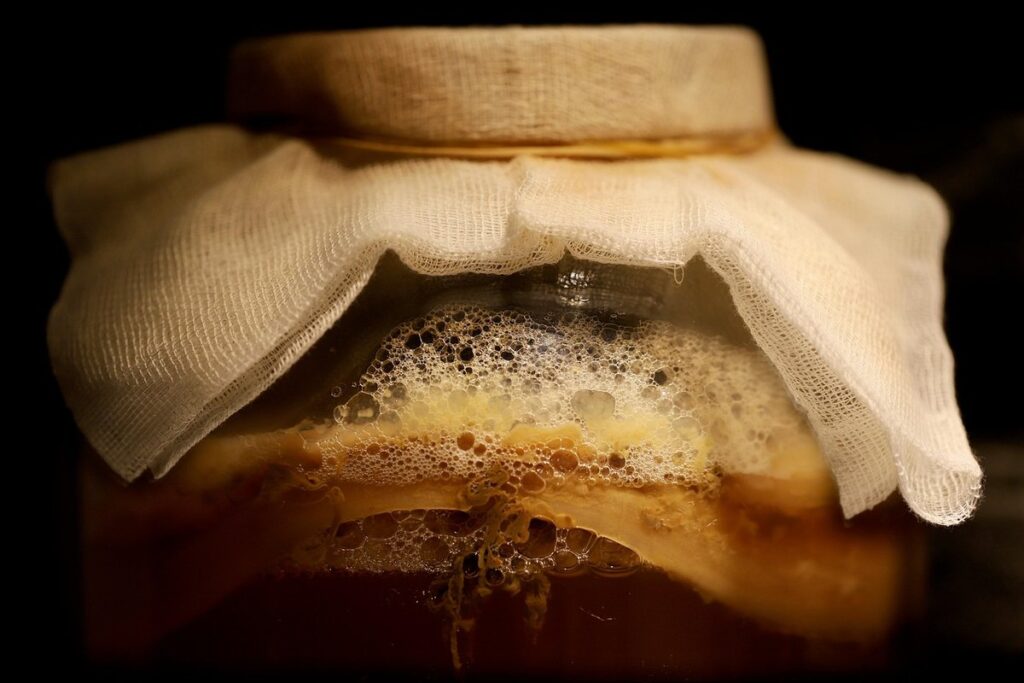
When choosing containers for fermentation, it’s essential to select equipment that promotes healthy fermentation and minimizes contamination risks. Glass jars or crocks with wide mouths are ideal options. These types of containers allow for easy observation of the fermentation process and make it simpler to monitor the development of the “mother,” a natural occurrence where beneficial bacteria and yeast form a cloudy, frothy layer on top.
Avoid using metal or plastic containers, as they can impart off-flavors or contaminate the ferments. Similarly, ceramic containers may not be suitable due to their porous nature, which can lead to unwanted microorganisms infiltrating the ferment.
When selecting glass jars, consider the size and shape. A 1-quart (1-liter) capacity is a good starting point for most fruit fermentation recipes. Additionally, look for containers with a weight or rubber band to secure the lid, ensuring it remains tightly closed during fermentation. This will help prevent unwanted oxygen from entering the container and promote the growth of beneficial microorganisms.
Sanitizing Equipment and Workspace
Maintaining cleanliness throughout the fermentation process is crucial to avoid contamination. This step often gets overlooked, but it’s essential for ensuring a healthy and delicious final product. You should start by sanitizing your workspace and equipment before beginning.
Begin by washing your hands thoroughly with soap and warm water. Then, sanitize any surfaces or utensils you’ll be using with a solution of 1 tablespoon of unscented chlorine bleach per gallon of water. This will help eliminate bacteria and other microorganisms that can contaminate your fermented fruits.
Next, prepare your containers for fermentation by washing them in hot soapy water and rinsing thoroughly. For airlocks, you can also soak them in a sanitizing solution before assembling them onto the containers. Always check your equipment for any signs of damage or wear before using it for fermentation. A small crack or crevice can become an entry point for unwanted bacteria.
To sanitize large items like crocks or barrels, use a sanitizing brush to scrub away any stubborn dirt or debris. For smaller items like utensils and tools, you can soak them in the sanitizing solution for about 10-15 minutes before rinsing thoroughly.
Preparing Fruits for Fermentation
When working with fruit, it’s essential to properly prepare and clean them before fermentation to avoid contamination and ensure a healthy ferment. This involves washing, peeling, and sometimes chopping your chosen fruits.
Washing, Peeling, and Chopping Fruits
When preparing fruits for fermentation, cleanliness is crucial to prevent contamination and ensure a healthy ferment. Start by washing the fruit thoroughly under cold running water to remove dirt, wax, and other impurities. For delicate fruits like strawberries or raspberries, you can use a soft-bristled brush to gently scrub away any stubborn bits.
Next, peel the fruit as needed – for example, apples and pears require peeling, while berries typically don’t. When peeling citrus fruits like oranges or lemons, be sure to remove only the outer layer, as the white pith can add bitterness to your ferment.
Once peeled (if necessary), chop the fruit into uniform pieces. Aim for sizes that will allow for even fermentation – typically 1/2 inch (1 cm) cubes or smaller. For fruits with seeds, like apples or grapes, remove them first to prevent any potential bitterness or astringency from affecting the flavor of your ferment.
To avoid over-chopping and create too much surface area, consider using a mandoline or sharp knife for precise cuts. Store prepared fruit in an airtight container until you’re ready to start fermentation – ideally within 30 minutes to maintain freshness and prevent spoilage.
Adding Sugar, Spices, or Other Flavorings
When adding sugar, spices, or other flavorings to your fermented fruits, the possibilities are endless. You can create unique taste experiences by experimenting with different combinations of ingredients. For instance, a pinch of cinnamon and nutmeg can add warmth to apple slices, while a drizzle of honey can bring out the natural sweetness of pineapple chunks.
Some popular options for sweeteners include maple syrup, coconut sugar, and date syrup. Keep in mind that using too much sugar can slow down fermentation, so it’s essential to balance the amount with your desired level of sweetness. Spices like ginger, cloves, and allspice are also great additions, as they not only flavor but also have antimicrobial properties.
If you’re looking for more complex flavors, try incorporating herbs or other ingredients like citrus zest, vanilla bean, or even chili flakes. When combining multiple flavorings, start with small amounts and taste frequently to avoid overpowering the fruit’s natural flavor. A general rule of thumb is to use about 1/4 teaspoon of spice per cup of fruit, adjusting as needed based on your personal taste preferences.
Some popular flavor combinations to try include:
- Apple slices with cinnamon and nutmeg
- Pineapple chunks with coconut sugar and a hint of ginger
- Berries with lemon zest and a drizzle of honey
Basic Fruit Fermentation Recipes
Let’s start making our own deliciously fermented fruit creations at home, and we’ll begin with some simple recipes that are perfect for beginners. We’ve got three mouth-watering basics to get you started.
Traditional Fermented Apple Recipe
To make traditional fermented apples, you’ll need the following ingredients: 3-4 pounds of tart apples, such as Granny Smith or Braeburn; 1/2 cup of granulated sugar; 1/4 cup of water; and a pinch of salt. You’ll also require a clean glass jar with a wide mouth, a utensil for mixing, and a cloth to cover the jar.
Begin by washing and peeling your apples, then chop them into small pieces. In a bowl, mix together sugar, water, and salt until the sugar dissolves. Add this mixture to the chopped apples and stir to coat evenly. Pack the apple mixture tightly into the glass jar, leaving about an inch of space at the top.
Cover the jar with a cloth or paper towel, securing it with a rubber band. Place the jar in a cool, dark location, such as a pantry or cupboard. Allow the mixture to ferment for 5-7 days, or until bubbles appear on the surface and the apples start to soften. After fermentation is complete, store the apples in the refrigerator to slow down the fermentation process.
Simple Fermented Pineapple Recipe
Fermenting pineapple is a great way to preserve its sweetness and tanginess, while also unlocking a depth of flavor. For a simple fermented pineapple recipe, you’ll need just three ingredients: fresh pineapple chunks, water, and a bit of salt. You can use any variety of pineapple, but choose one that’s sweet and ripe for the best results.
To start, combine 1 cup of pineapple chunks with 1/2 cup of water in a clean glass jar or container. Add a pinch of salt – about 1/4 teaspoon per cup of fruit – to help draw out juices and support fermentation. Cover the jar with a lid, but not too tightly, as you want to allow for airflow.
Leave the pineapple mixture at room temperature (around 68-72°F) for 2-3 days, or until it starts to bubble and emit a tangy aroma. After that, transfer the jar to the refrigerator to slow down fermentation and store for up to 6 months. Before serving, give the fermented pineapple a good stir and taste – you can adjust the seasoning with more salt or add it to salads, smoothies, or desserts.
Advanced Fermentation Techniques and Tips
Now that you’ve got a good grasp of basic fermentation, let’s take it to the next level by exploring more complex techniques for fermenting fruit at home. We’ll cover advanced methods for creating unique flavors and textures.
Using Mother of Vinegar or Probiotics in Fruit Fermentation
When using beneficial microorganisms to enhance flavor and nutritional value in fruit fermentation, two popular options are Mother of Vinegar (M.O.V.) and probiotics. M.O.V., also known as “the mother,” is a natural starter culture that consists of a gelatinous, cobweb-like substance formed by acetic acid bacteria during the fermentation process. Adding M.O.V. to your ferment can introduce desirable flavor compounds and increase the nutritional value of the fruit.
Probiotics, on the other hand, are live microorganisms that, when administered in adequate amounts, confer health benefits. In the context of fruit fermentation, probiotics can be added as a powder or supplement to promote beneficial microbial growth. However, it’s essential to note that not all probiotics are created equal, and choosing a product specifically designed for use in fermented foods is crucial.
When selecting a probiotic for your ferment, look for products containing strains like Lactobacillus plantarum or Bifidobacterium bifidum, which have been shown to be effective in promoting healthy microbial balance. A general ratio of 1-2 teaspoons of probiotic powder per gallon of water is a good starting point.
Creating Fruit-Based Lacto-Fermented Sauces and Chutneys
When you’ve successfully fermented fruits, you can take them to the next level by transforming them into lacto-fermented sauces and chutneys. These tangy condiments add a depth of flavor to various dishes, from grilled meats and vegetables to yogurt parfaits and salads.
To create fruit-based lacto-fermented sauces and chutneys, you’ll need some basic ingredients: fermented fruits, salt, spices, and sometimes sugar or honey. Start by blending your fermented fruits with a pinch of salt to help bring out their natural flavors. You can add aromatics like ginger, garlic, or cinnamon to give the sauce an extra boost.
Consider the following steps when making lacto-fermented sauces and chutneys:
• Use a blender or food processor to puree the fermented fruits.
• Add spices and flavorings according to your taste preferences.
• Transfer the mixture to a clean glass jar, leaving about 1 inch of space at the top.
• Allow the sauce or chutney to ferment for another 2-5 days in the refrigerator before using.
Remember that the fermentation time may vary depending on the type of fruits and spices you use. Be patient and taste the condiment regularly to achieve the desired level of tanginess and flavor.
Common Issues and Troubleshooting in Fruit Fermentation
As you begin experimenting with fermented fruit recipes, it’s not uncommon to encounter some bumps along the way, such as inconsistent flavor or texture. Let’s address these common issues and find solutions together.
Identifying and Avoiding Contamination Risks
Contamination is a major concern when fermenting fruits at home. One of the most recognizable signs of contamination is a foul odor or slimy texture on the surface of the fruit. This can be caused by unwanted bacteria, yeast, or mold that have taken hold during the fermentation process. Another symptom is an uneven coloration or visible mold growth on the fruit.
Contamination can occur due to poor sanitation practices, inadequate equipment cleaning, or using contaminated ingredients. For example, if you’re fermenting fruits in a container that previously held strong-smelling foods like fish or blue cheese, the lingering aromas can attract unwanted bacteria and lead to contamination.
To prevent contamination risks, always sanitize your equipment and workspace before starting fermentation. This includes washing containers, utensils, and any other items that come into contact with the fruit in hot water, then rinsing them thoroughly. You should also ensure that all ingredients are clean and dry before adding them to the container. By following these simple steps, you can minimize the risk of contamination and keep your fermented fruits safe to eat.
Addressing Over-Fermentation or Under-Fermentation Problems
When fermentation doesn’t go as planned, it can be frustrating. Over-fermentation and under-fermentation are two common problems you might encounter. Over-fermentation occurs when the fruit ferments too quickly, resulting in a sour or vinegary taste. This often happens when the environment is too warm or the container isn’t providing enough air.
Signs of over-fermentation include bubbles rising rapidly to the surface and an unpleasant odor. To prevent this issue, ensure your fermentation vessel has adequate ventilation, keep it away from direct sunlight, and maintain a consistent temperature between 64°F and 72°F (18°C and 22°C).
Under-fermentation is when the fruit doesn’t ferment at all or takes too long to produce the desired results. This might be due to an inconsistent environment, inadequate sugar content, or insufficient bacterial activity.
Some common indicators of under-fermentation include a lack of bubbles or foam on the surface and a taste that’s not tangy enough. To address this issue, try increasing the temperature, adding more sugar or other fermentable ingredients, or introducing probiotic powder to boost bacterial growth. Keep in mind that patience is key – some fruits may take longer than others to ferment properly.
Frequently Asked Questions
Can I Use Any Type of Fruit for Fermentation?
Yes. Most fruits can be fermented, but some may require additional preparation or handling due to their texture or natural acidity levels. Fruits like bananas and pineapples tend to ferment quickly, while denser fruits like apples take longer.
How Do I Know When My Fermented Fruits Are Safe to Eat?
When checking for fermentation readiness, look for bubbles in the liquid and a slightly sour smell. Taste the fruit; it should have a tangy flavor but still be sweet. If unsure, wait another day or two before tasting again.
What Happens if I Add Too Much Sugar or Spice During Fermentation?
Adding excessive sugar can lead to over-sweetening and unwanted fermentation byproducts. Similarly, too much spice may overpower the natural flavors of the fruit. Start with small amounts and taste regularly to avoid these issues.
Can I Use a Food Dehydrator for Fruit Preparation Before Fermentation?
Yes, you can use a food dehydrator to dry fruits before fermenting them, but be cautious not to over-dry. Dried fruits may have a higher sugar concentration, potentially affecting fermentation times and outcomes. Monitor your fruit closely during the dehydration process.
Is It Possible to Make Fruit Lacto-Fermented Sauces Without Mother of Vinegar?
Yes. While mother of vinegar can enhance flavor and reduce acidity, you can create lacto-fermented sauces without it by relying on the natural bacteria present in the fruits and their surroundings. This method may take longer but yields similar results with a bit more patience.

