
Planning an at-home summer camp can be a daunting task, but with a little creativity and planning, you can create a fun and engaging experience for kids of all ages. Many families struggle to find affordable and safe alternatives to traditional summer camps, which is why hosting one at home has become increasingly popular. By setting up activities, games, and outdoor adventures in your own backyard, you can provide your children with the excitement and adventure they crave without breaking the bank or worrying about transportation. This article will offer tips on budgeting, scheduling, and managing volunteers to help create a successful and sustainable at-home summer camp. You’ll learn how to plan engaging activities, manage expectations, and make the most of your resources, so you can enjoy a stress-free and enjoyable summer with your kids.
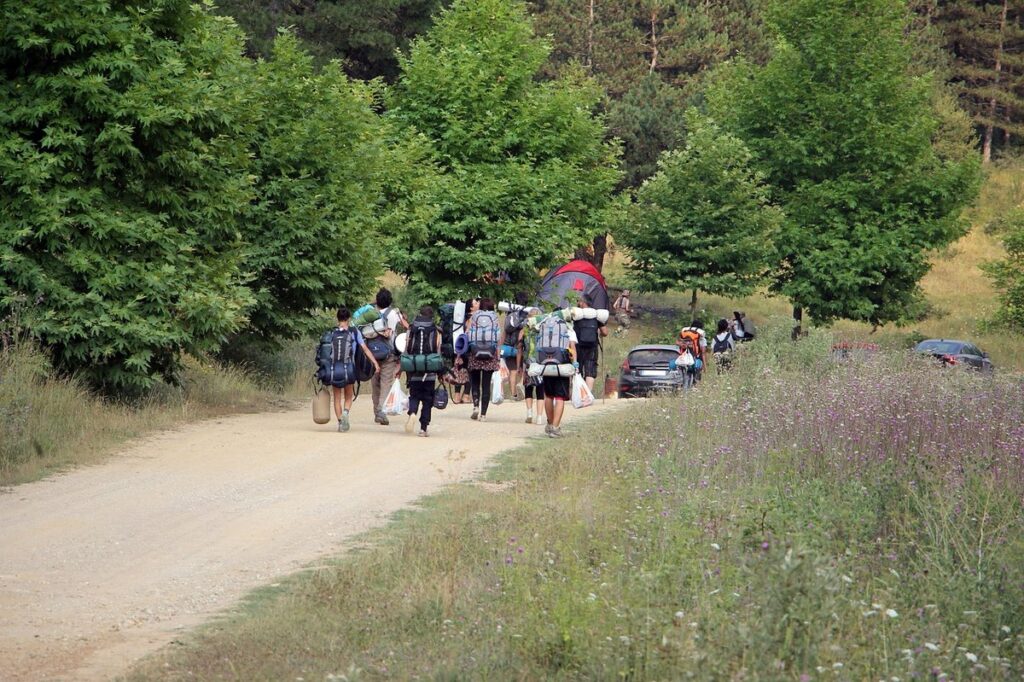
Setting Up Your At Home Summer Camp
Setting up a fun and organized at-home summer camp starts with creating a designated space for activities, so let’s get started on planning your backyard oasis. This means allocating areas for various campsites, like arts and crafts, science experiments, and outdoor games.
Defining Your Goals and Budget
To create an engaging at-home summer camp experience, it’s essential to define clear goals from the outset. Consider what activities you want to offer and how many children will be participating. Will you focus on arts and crafts, outdoor games, or educational workshops? Knowing this will help you tailor your plans and make necessary adjustments.
Start by making a list of the top 3-5 activities you want to prioritize. Be realistic about the number of children you can accommodate and plan accordingly. For example, if you’re hosting a small group of 10 children, you may not need elaborate equipment or supplies. However, if you’re planning for a larger group, factor in additional costs.
When it comes to budgeting, consider the following expenses:
- Supplies and materials for activities (arts and crafts, outdoor games, etc.)
- Equipment rentals or purchases (microphones, speakers, projectors)
- Potential guest speaker fees or activity costs
- Snacks and refreshments for campers
Aim to allocate a specific amount per camper for supplies and activities. This will help you stay on track and avoid last-minute expenses. For instance, if you’re planning to host 15 children for 5 days, budget $10-$20 per child for supplies and activities.
Choosing a Theme and Scheduling
Choosing a theme for your at-home summer camp is crucial as it sets the tone for the entire experience. A well-chosen theme can spark imagination and creativity among children, making the activities more engaging and fun. For younger age groups (4-6 years), consider themes like “Pirate’s Adventure” or “Outer Space Expedition,” which lend themselves to simple crafts and games. For older kids (7-12 years), you might opt for more complex themes like “Around the World in 10 Days” or “Mystery Solvers Club,” which can accommodate more sophisticated activities.
When creating a schedule, balance structured activities with free time for relaxation and socialization. Allocate specific timeslots for crafts, games, meals, and outdoor play. Aim to have at least one unstructured hour each day where kids can choose their own activities or simply relax together. This downtime is essential for children to recharge and build relationships with their peers. Consider scheduling a “Free Time” block in the morning, allowing kids to pursue individual interests before transitioning into more structured activities later in the day.
Preparing Your Home for Summer Camp
Before sending off your little ones to summer camp, make sure you’ve prepared their home environment to maximize their at-home experience. This involves setting up a dedicated space that’s both fun and functional.
Transforming Your Yard into an Outdoor Classroom
Designate a specific area of your yard as an outdoor classroom by setting up tents or canopies to provide shade and protection from the elements. This will create a defined space for learning and activities, helping children stay focused and engaged. Consider creating a designated play area with natural materials like logs, rocks, and plants to foster exploration and discovery.
When designing your nature-based curriculum, incorporate hands-on learning experiences that encourage children to explore and interact with their surroundings. For example, set up a bird-watching station with binoculars and field guides, or create a sensory garden with various textures and scents. These activities not only promote outdoor learning but also help develop important skills like observation, critical thinking, and problem-solving.
Some benefits of outdoor learning include increased physical activity, improved mental health, and enhanced creativity. By incorporating these elements into your at-home summer camp, you’ll be providing a well-rounded and engaging experience for children. Consider the age range and abilities of the children participating in your program when designing your outdoor classroom and curriculum to ensure it’s both fun and educational.
When planning activities, think about how they can be adapted to accommodate different learning styles and needs. For example, provide seating options for younger children or incorporate movement-based activities for older kids.
Creating Indoor Activities and Games
To create engaging indoor activities and games for your at-home summer camp, consider the diverse interests and age groups you’ll be catering to. For younger children, arts and crafts projects like finger painting, playdough creations, or simple woodworking can be a hit. For older kids, more complex science experiments, such as making slime or creating volcanoes, can provide hours of entertainment.
For team-building exercises, consider indoor games like capture the flag, balloon tennis, or even a scavenger hunt around the house. You can also set up an indoor obstacle course using household items, like couch cushions and chairs.
To accommodate different interests, create separate stations or areas for various activities. For example, you could have a reading nook with books and pillows, a science lab with materials for experiments, or a craft corner with supplies for arts and crafts projects. Be sure to rotate activities regularly to keep things fresh and exciting for your campers.
Some popular indoor games that are easy to set up include “Would You Rather” discussions, charades, or even a simple game of indoor bowling using empty water bottles.
Activity Planning and Execution
Now that we’ve covered planning, it’s time to dive into how to bring your at-home summer camp activities to life and keep kids engaged throughout the day. With these practical tips, you’ll be well on your way to a successful and enjoyable experience.
Outdoor Activities and Sports
Plan a variety of outdoor activities that cater to different age groups and interests. For younger children, consider setting up a mini obstacle course using household items like hula hoops, cones, and pool noodles. Older kids can enjoy team sports like capture the flag or soccer, while adults can participate in more relaxed activities like cornhole or giant Jenga.
To ensure safety during outdoor activities, designate a specific area for each game or sport to prevent collisions and confusion. Make sure the playing surface is clear of any tripping hazards and that children are wearing proper footwear. For water-based games, have a first aid kit nearby and be prepared to provide assistance if needed.
A scavenger hunt is another great outdoor activity that encourages exploration and teamwork. Create a list of items for each child to find, such as specific leaves, rocks, or birds, and set a time limit for completion. To add an extra layer of challenge, hide clues around the yard or in nearby parks that require children to work together to solve.
When planning outdoor activities, also consider the weather and have backup plans in place for inclement conditions.
Arts and Crafts, Music, and Movement
Incorporating arts and crafts, music, and movement into your at-home summer camp is essential for a well-rounded and engaging experience. These activities cater to different age groups and provide an excellent opportunity for kids to express themselves creatively.
For younger children, consider projects that promote fine motor skills, such as finger painting, playdough, or making collages with construction paper and glue. Older kids can enjoy more complex crafts like woodworking, knitting, or pottery. To encourage music-making, set up a DIY instrument station with household items like pots, pans, wooden spoons, and shakers.
Music performances can be a highlight of the summer camp experience. Encourage kids to put on a show by teaching them simple songs or having them create their own lyrics. You can also have a dance party with popular kid-friendly music and fun dance moves.
To get everyone moving, organize games like Simon Says, Red Light Green Light, or Freeze Dance. For a more structured movement activity, consider setting up an obstacle course or leading the kids in simple yoga poses.
Managing Your At-Home Summer Camp
Creating a schedule and setting clear boundaries are crucial steps in managing your at-home summer camp to ensure a fun and stress-free experience for everyone involved. Let’s talk about how to make it happen smoothly.
Recruiting and Training Volunteers
Recruiting volunteers to help with the logistics of an at-home summer camp is crucial to its success. You’ll want to create a pool of reliable and enthusiastic helpers who can assist with tasks like arts and crafts, outdoor activities, and meal prep. To do this, start by reaching out to family friends, neighbors, and coworkers who may be interested in volunteering.
Create a volunteer sign-up sheet or online form to make it easy for people to express interest and provide their availability. You can also post about your at-home summer camp on social media and local community groups to spread the word. Be sure to clearly communicate the role of each volunteer, including specific responsibilities and tasks.
Once you have a list of volunteers, create a schedule that outlines who will be working on which days and what time slots they’ll need to commit to. This can help prevent overcommitting and ensure that everyone has a manageable workload. Consider sending out a group email or creating a shared calendar to keep everyone informed about upcoming events and changes in the schedule.
In terms of training, consider holding an initial meeting or orientation for all volunteers to go over expectations, discuss camp policies, and provide any necessary safety information. This can help ensure that everyone is on the same page and feels confident in their roles.
Handling Conflicts and Challenging Behavior
When conflicts arise during your at-home summer camp, it’s essential to address them promptly and effectively. A key strategy is to establish clear rules and expectations from the outset, making sure children understand what behavior is expected of them. This can be achieved through open discussions with parents before the program begins and setting a concise code of conduct.
To foster a positive environment, consider implementing a “buddy system” where each child is paired with a designated peer or counselor to monitor their well-being and provide support. For instance, if a child becomes upset or frustrated during an activity, their buddy can offer reassurance or help calm them down.
In the event of more severe conflicts or challenging behavior, have a plan in place for de-escalation techniques. This might include strategies like active listening, empathy exercises, or brief time-outs to allow children to reflect on their actions. It’s also crucial to maintain open communication with parents about any issues that arise during the program.
For example, you could designate specific areas within your home where conflicts can be safely addressed, ensuring a quiet and private space for discussions to take place.
Tips for Success and Sustainability
To ensure your at-home summer camp sticks the course, we’ll share some essential tips on how to maintain momentum and keep things fresh throughout the season.
Evaluating the Effectiveness of Your At-Home Summer Camp
As your at-home summer camp comes to an end, it’s essential to evaluate its effectiveness. This involves tracking progress, gathering feedback from children and volunteers, and making adjustments for future improvements.
Start by setting specific goals and outcomes you want to achieve with your summer camp. These might include improving social skills, developing creativity, or promoting physical activity. Use a simple spreadsheet or a dedicated app to track attendance, participation rates, and the completion of activities. This will help you gauge engagement levels and identify areas where children struggled.
Gather feedback from both children and volunteers through surveys, focus groups, or one-on-one interviews. Ask open-ended questions that encourage honest responses, such as “What was your favorite activity?” or “How did you feel about the camp’s schedule?” Use this feedback to refine activities, adjust schedules, and identify areas for improvement.
Make adjustments as needed based on your evaluation findings. This might mean adding more breaks for younger children, incorporating more diverse activities, or providing additional support for struggling participants. By continuously assessing and refining your at-home summer camp, you’ll create a more enjoyable and effective experience for everyone involved.
Replicating Success in Future Years
To replicate success in future years, create a budget that accounts for ongoing expenses like supplies, equipment, and potential volunteer stipends. This will ensure you can sustain your at-home summer camp without putting an undue burden on participants or their families. Consider setting up a separate fund or account specifically for summer camp expenses to keep track of finances.
Recruiting volunteers is another crucial aspect of sustaining your at-home summer camp. Identify reliable, enthusiastic individuals who can help with daily operations and activities. Develop a system for recruiting and retaining volunteers, such as regular communication, clear roles and responsibilities, and opportunities for growth and development. Be sure to express gratitude and recognition for their efforts.
Plan ahead for potential challenges by anticipating common issues like inclement weather or conflicts between participants. Identify backup plans for outdoor activities and have a contingency plan in place for handling challenging behavior. Regularly review and assess your program’s effectiveness to make data-driven decisions about improvements and adjustments for future years.
Frequently Asked Questions
Can I customize my at-home summer camp schedule for different age groups?
Yes, it’s essential to tailor your schedule to the unique needs and attention spans of various age groups. For example, younger children may require more frequent breaks and structured activities, while older kids can handle longer periods of free time and more complex projects.
What if some volunteers are unavailable on certain days or have conflicts with scheduled activities?
It’s not uncommon for volunteers to have scheduling conflicts. To mitigate this issue, create a volunteer schedule with multiple options and allow volunteers to choose the dates they’re available. This way, you can still ensure adequate coverage even when individual volunteers are unavailable.
How do I handle inclement weather during outdoor activities?
When planning outdoor events, it’s essential to have a backup plan in place for inclement weather. Consider setting up tents or canopies to provide shelter, and have indoor alternatives ready to go in case of rain or extreme heat. Make sure to communicate the backup plan clearly with all participants.
Can I reuse or adapt activities from previous years’ at-home summer camps?
Yes, repurposing successful activities is a great way to save time and resources. Adapt games, crafts, and other projects to fit your current theme and age group. You can also involve kids in planning and suggesting new ideas, making the experience more engaging and interactive.
What if some children have special needs or require accommodations during activities?
To ensure inclusivity and safety, it’s crucial to identify potential accessibility issues before hosting an at-home summer camp. Consult with parents and caregivers about any special needs their child may have and make necessary adjustments to create a welcoming environment for all participants.

