
Summer camps are all about creating unforgettable memories for kids, but they can be challenging to organize, especially when it comes to activities that don’t require any equipment. Many summer camps struggle to find games and exercises that can be played without investing in expensive gear or materials. This is why we’ve put together a list of fun summer camp games that require no equipment at all. These games are perfect for outdoor adventures and team-building activities that kids will love, and they’re easy to learn and play. From classic team-based games to creative scavenger hunts, our collection has something for every age group and personality. By the end of this article, you’ll be able to plan a fun and engaging summer camp experience without breaking the bank or worrying about equipment.
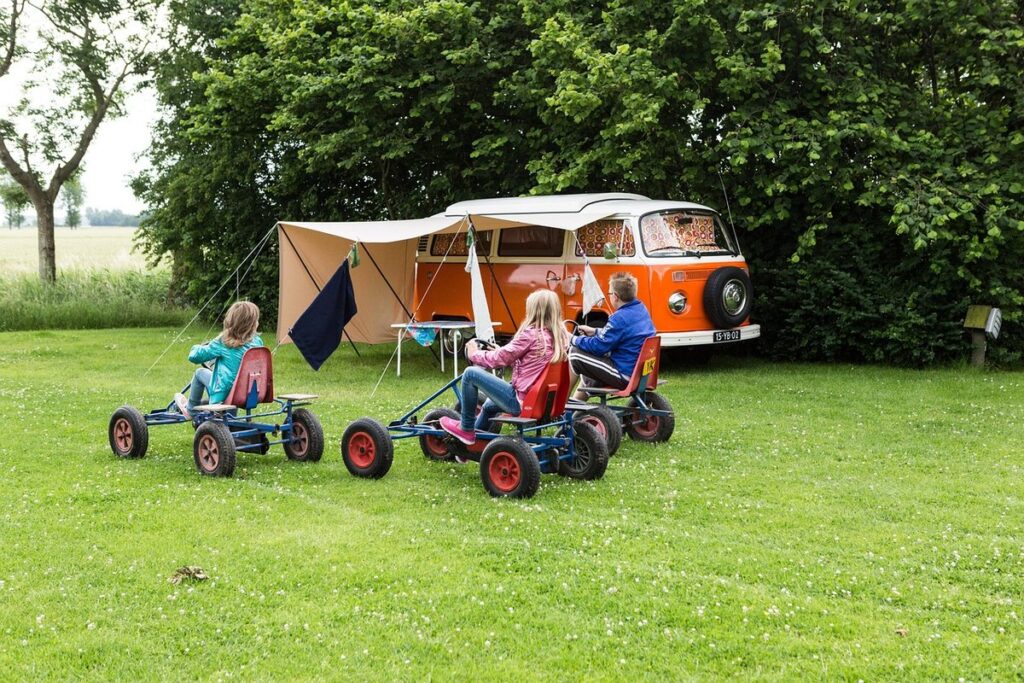
Classic Outdoor Games
Classic outdoor games have been a staple of summer camps for generations, and many can be played without any equipment at all. Let’s explore some timeless favorites that are sure to bring laughter and excitement to your campers.
Tag and Chase
Tag and Chase is a classic outdoor game that can be played with minimal rules. The objective is simple: one person is “it” and has to chase the other players, who try to avoid being tagged. To start, choose one player to be “it” or have them volunteer for the role. When someone is tagged, they become part of the chasing group.
You can also play variations like Freeze Tag or Shadow Tag. In Freeze Tag, when someone is tagged, they freeze in place until another player tags them to unfreeze them. Shadow Tag involves two players who must stay connected by holding hands at all times. If one of these “shadow” pairs gets tagged, both players become part of the chasing group.
To make the game more challenging or interesting, designate certain areas as off-limits or create specific rules for tagging, such as only being able to tag someone from behind. The key is to keep it simple and have fun!
Hide and Seek Variations
To spice up classic hide and seek, try using a timer to add an extra layer of challenge. Set a time limit, say 5-10 minutes, and have players find each other before the clock runs out. This variation encourages quick thinking and strategic hiding. Alternatively, create teams by dividing the players into “hunters” and “hiders.” The hunters must work together to find all the hiders within the set time frame.
Another twist is to designate specific areas or zones where players can hide. This could be a designated forest section, a cluster of trees, or even just behind a large rock. By limiting the hiding spots, players must think creatively about how to conceal themselves. You can also create “power zones” that award bonus points for finding someone in those areas.
For smaller groups or younger children, consider playing “sardines” instead of traditional hide and seek. One person hides while the others search, but when someone finds the hidden player, they all squeeze in together until the last one finds them. This variation promotes teamwork and bonding among players.
Sardines Game
To play Sardines, one person hides while the others count to a predetermined number. When the counting stops, all players search for the hidden individual. As soon as someone finds the hider, they must stay with them until everyone has discovered their location. This variant of hide and seek encourages teamwork, strategy, and social interaction among campers.
The benefits of Sardines are numerous. By hiding only one person, it becomes more challenging to find them, which enhances problem-solving skills and strategic thinking. As players search together, they learn to communicate effectively and work as a team. The hider must also develop stealth and patience, waiting for the perfect moment to reveal their location.
The social benefits of Sardines are significant. It promotes camaraderie among campers as they work together to find the hidden individual. Players often develop a sense of excitement and anticipation, eagerly awaiting each other’s discoveries. When everyone finally gathers around the hider, it creates a collective “aha” moment, reinforcing the value of teamwork and cooperation.
When playing Sardines, consider designating a specific area for the game or establishing boundaries to prevent players from venturing too far from the group. This will help maintain control and ensure everyone’s safety during gameplay.
Nature-Based Games
Get ready for some fun outdoor activities that bring kids closer to nature, without needing any fancy equipment. We’ll explore games like Scavenger Hunts and Capture the Flag.
Scavenger Hunt
A scavenger hunt is a great way to encourage exploration and teamwork without requiring any equipment. To set up a successful natural scavenger hunt, start by dividing the campers into teams of 3-5 people. Each team should receive a list of items or challenges that they need to complete within a designated time frame.
Some examples of scavenger hunt items include: finding specific types of leaves, spotting certain birds or insects, collecting a pinecone from an evergreen tree, or identifying different types of rocks. Make sure the items are challenging but not impossible to find, and consider adding clues or riddles to make it more engaging.
When creating the list, try to incorporate elements that cater to different skill levels and interests. For instance, if some campers have limited knowledge of plant identification, include a challenge that focuses on textures or colors instead. This will ensure everyone has an equal chance to participate and contribute to their team’s success.
Nature Art
Creating art using natural materials is a great way to encourage creativity and exploration at summer camp. Leaves can be used to make rubbings by placing them under paper and applying gentle pressure. The resulting patterns can be displayed or used as a collaborative mural. Twigs can be arranged into intricate designs or patterns, while rocks can be painted with natural dyes like berry juice or turmeric.
Sand is another versatile material for nature art. It can be molded into shapes, sculptures, or even written messages that can be erased by the tide. For an added challenge, try using different textures and colors to create a mosaic effect. You can also incorporate other materials like pinecones, acorns, or shells to add depth and interest.
Consider setting up a designated art station where campers can experiment with these natural materials. Encourage them to think about the shapes, patterns, and textures they see in nature and how they can translate those into their artwork. With a little creativity, even the most mundane materials can become unique pieces of art that reflect the beauty of the surrounding environment.
Nature Walk Challenge
To make the most of a nature walk challenge, establish clear rules and guidelines. For instance, decide whether participants should work individually or in teams to spot different species. You can also designate specific areas for exploration, such as a certain section of the forest or a particular type of terrain.
Encourage participants to observe their surroundings by asking them to collect leaves, rocks, or other natural materials that demonstrate unique characteristics. This can help develop their observation skills and foster appreciation for the diversity of nature. To add an element of challenge, consider creating a list of items for participants to find during the walk, such as specific types of birds, insects, or flowers.
To make identification easier, bring along field guides or apps that provide information on local flora and fauna. This can also help you create a sense of friendly competition among participants, who can see whose team finds the most species or collects the rarest items. As a final touch, consider setting up a reward system for those who successfully complete the challenge, such as stickers or small prizes.
Team-Building Activities
We’ve got some fantastic team-building activities up our sleeve that are perfect for summer camps, requiring nothing but a bit of creativity and enthusiasm from your campers. Let’s get started with these easy-to-execute ideas!
Trust Falls
Trust falls are a classic team-building activity that encourages campers to trust each other and work together towards a common goal. By taking turns falling backwards into the arms of their peers, participants learn to rely on one another’s support and build confidence in their ability to trust others. This exercise is particularly effective for summer camps because it requires minimal equipment and can be adapted to suit different age groups.
To set up a trust fall safely, start by finding an open area with enough space for campers to move around without bumping into each other or any obstacles. Next, establish clear guidelines for the activity, such as requiring participants to communicate clearly before falling backwards and making sure everyone is aware of their boundaries. Assign two people to be “partners” for each trust fall, with one person falling and the other providing support.
Some potential variations on this classic exercise include having participants close their eyes while being caught or incorporating a time limit for how long partners can hold each other before releasing.
Group Obstacle Course
Create an obstacle course using natural features like hills, logs, and rocks. This will save you from needing any equipment at all. To set it up, identify a safe area with varying terrain, such as a wooded section or a field with different levels of elevation.
Divide the group into pairs or small teams to encourage collaboration and communication. Provide each team with a starting point and an end goal, but leave the route up to them. You can also specify certain challenges they must complete along the way, like crawling through a narrow space between two rocks or climbing over a fallen log.
For added excitement, incorporate natural obstacles that require problem-solving skills, such as navigating around a mud pit or using nearby branches to create a makeshift bridge. Encourage teams to work together and support each other in completing these challenges. The team that completes the course the fastest wins, but you can also award points for teamwork and safety.
To make it more engaging, consider setting up checkpoints with designated roles, like “navigator” or “communicator.” These roles will require team members to rely on one another and work together effectively.
Human Knot Game
To play the Human Knot Game, divide a group of campers into teams of five to seven players. Have each team stand in a circle and put their hands in the center. Each player should grab the hand of someone across from them, not next to them. The goal is for the team to work together to untangle themselves without speaking.
To add an extra level of challenge, set a timer for a specific amount of time – say, three to five minutes. This will encourage teams to think quickly and move efficiently. As players work to free themselves from the knot, they’ll need to rely on non-verbal cues like hand gestures or body language.
The Human Knot Game requires collaboration, communication, and problem-solving skills, making it an excellent activity for summer camps. When played without speaking, it adds a layer of complexity that forces teams to think creatively and work together more effectively. This game is particularly valuable in a camp setting because it allows participants to build trust and develop teamwork skills while having fun.
Water-Based Games (for outdoor camps with access to water)
For summer camps near a lake or ocean, water-based games offer endless fun and excitement for campers. Let’s get wet and wild with these refreshing outdoor activities!
Water Balloon Toss
To organize a safe and fun water balloon toss game, divide participants into pairs. Stand 10-15 feet apart from each other, with one person holding a water balloon. The first player tosses the balloon to their partner, who attempts to catch it without dropping it. If the balloon is successfully caught, the pair takes a step back. If it’s dropped or bursts on the way, they return to the previous distance.
To add an element of challenge and strategy, you can introduce a twist: have players toss the balloons with one hand, using only their non-dominant hand, or while moving at the same time. The pair that successfully completes 5-7 throws without dropping the balloon wins. Ensure players stay hydrated by providing regular breaks in shaded areas.
When organizing the game, designate a safe throwing area to avoid water damage and minimize potential conflicts with other activities. Encourage participants to communicate clearly with their partner about when they’re ready for the next throw or if they need help catching the balloon. This will not only make the experience more enjoyable but also promote teamwork and trust among players.
Water Scavenger Hunt
For a water scavenger hunt, divide participants into small groups and provide each group with a list of items to find in or around the water. These can include things like specific types of rocks, shells, driftwood, or certain colors of leaves. Emphasize that they must use their senses – sight, sound, touch, smell – to locate these items without touching or disturbing the environment.
To add an element of challenge, specify that some items are only visible at low tide, while others require a closer look underwater. This encourages participants to observe and appreciate their surroundings in detail. When listing the items, consider adding subtle hints or descriptions to help guide them without giving away the answers.
During the scavenger hunt, encourage groups to work together and share their findings with each other. Remind them that the goal is not to collect as many items as possible but to observe and appreciate the unique features of the water environment.
Splash Tag
Splash Tag is a refreshing twist on traditional tag, played entirely in water. It’s an excellent way to get kids moving and active during summer camp without requiring any specialized equipment. To play, designate one player as “it” and have them chase the other players into the water. When someone is tagged, they become part of the chasing team.
The game encourages physical activity as players swim and run through the water to evade being tagged. For added excitement, consider dividing the playing area into different zones or territories that players must navigate around. This variation promotes teamwork and strategy as players work together to catch their opponents.
To set up the game, simply choose a designated playing area with access to water, such as a lake, pool, or even a large inflatable pool. You won’t need any equipment beyond what’s already available at the campsite. Make sure to establish clear rules and boundaries for players to ensure everyone’s safety. In general, it’s best to have one adult supervisor present during the game to monitor play and provide assistance if needed.
Nighttime Games
As the sun sets on a fun-filled summer camp day, nighttime games bring out the creativity and teamwork of your campers. We’ve got some exciting ideas for group activities that can be played in the dark!
Flashlight Tag
In low-light conditions, Flashlight Tag adds a thrilling element to the classic game. Players must rely on their flashlights to spot each other, making it more challenging and exciting than traditional Tag. To play, one player is “it” while the others scatter across the designated area.
When playing Flashlight Tag, it’s essential to establish some basic rules. Set boundaries for the playing area, ensuring that players don’t wander into dark or hazardous zones. Decide on a “safe zone” where players can temporarily hide without being tagged out. This could be a lit area like a porch or a designated spot near a light source.
To make Flashlight Tag even more engaging, consider implementing specific rules for flashlights. For example, you might require players to keep their lights off until they’re tagged, then allowing them to chase the other players with their flashlights on. Alternatively, you could set a time limit for how long players can use their flashlights before needing to switch them off or find a safe spot to hide. By adding these simple rules and modifications, you’ll create a more dynamic and enjoyable game experience that’s perfect for nighttime activities at summer camp.
Glow-in-the-Dark Frisbee
A glow-in-the-dark Frisbee game is an excellent way to get kids moving and having fun at night. You can purchase inexpensive glow-in-the-dark discs specifically designed for frisbees or make your own using a mixture of water, glue, and glow-in-the-dark paint.
To play, divide the group into two teams and have each player stand behind their team’s designated throwing line. One player from Team A throws the glow-in-the-dark Frisbee to a teammate on the same team. If the catch is successful, that player becomes the new thrower. If not, the opposing team gets a chance to score.
To make it more challenging and exciting, set up targets or “goals” using flashlights or other light sources. This can be as simple as placing two cones with a flashlight shining between them or creating a small obstacle course. The team that successfully throws the Frisbee into their designated goal scores points. You can play for a set amount of time or until a certain number of points is reached.
Remember to keep the game safe and fun by playing during twilight hours when visibility is still good, and avoiding obstacles that could cause tripping or collisions.
Nighttime Nature Walks
Taking a nighttime nature walk is an excellent way to engage campers without disrupting the natural environment. These walks allow participants to observe nocturnal wildlife while respecting their space and not disturbing them.
When planning a nighttime nature walk, it’s essential to choose a location with minimal artificial lighting to minimize disruption to nocturnal creatures. Opt for areas with moonlit paths or designated trails that are designed for evening use. Avoid areas with known animal habitats or sensitive ecosystems, as the presence of humans can stress out wildlife.
During the walk, encourage campers to observe their surroundings quietly and respectfully. Suggest using binoculars or flashlights with red lights to preserve night vision without disturbing animals. You may also want to consider creating a “nocturnal creature list” for participants to spot and identify species they encounter.
To make this activity even more engaging, you can offer guided walks led by experienced naturalists or counselors who can share information about the local wildlife and ecosystem. This not only educates campers but also promotes appreciation for nocturnal creatures and their habitats. By organizing nighttime nature walks, you’re providing a unique experience that fosters a deeper connection with nature while minimizing environmental impact.
Frequently Asked Questions
Can I adapt these games for younger or older children?
Yes, the games listed can be adapted to suit different age groups by adjusting the level of complexity and physical demands. For example, simpler versions of hide-and-seek can be played with younger children, while more challenging obstacle courses may be suitable for older kids.
How do I ensure player safety during nighttime games like flashlight tag?
To ensure safe play during nighttime games, establish clear rules and guidelines for players to follow, such as staying within designated areas and using flashlights responsibly. It’s also essential to have a first aid kit on hand and designate a responsible adult to supervise the game.
What if it rains or is extremely hot outside? Can I still play these games?
While some games may not be feasible in extreme weather conditions, others can be adapted to suit indoor or shaded areas. For example, team-building activities like trust falls and human knot can be played indoors with minimal equipment. Nature-based games like scavenger hunts can also be modified for indoor settings.
Can I combine multiple games into a single activity?
Yes, combining multiple games can create a more engaging and dynamic experience for campers. Consider pairing outdoor games with nature-based activities or team-building exercises to promote physical activity, social interaction, and creativity.
How do I involve campers in game design and planning?
Involving campers in the game design and planning process can foster a sense of ownership and encourage participation. Encourage them to suggest new games or variations, provide input on existing games, or even help plan and lead activities. This approach can also promote teamwork, problem-solving, and communication skills.

