
Rainy days can be a real challenge for parents and caregivers, especially when they’re in charge of planning fun activities for kids at summer camp. It’s not just about keeping them entertained, but also ensuring they stay active and engaged. You want to create opportunities for your little ones to express their creativity while making memories that will last a lifetime. The good news is that you don’t need to rely on expensive equipment or elaborate games to do so. With a few simple and creative ideas, you can turn even the gloomiest of days into a fun-filled experience. This article will explore some expert tips and ideas for rainy day camp activities that include indoor games, arts and crafts, cooking activities, and more. By the end of this post, you’ll be equipped with all the inspiration you need to keep your kids active, engaged, and happy on those rainy days.
Planning a Fun-Filled Day Indoors
To add some excitement to your indoor camp activities, consider planning a fun-filled day with engaging games and creative pursuits that cater to kids’ diverse interests. From arts and crafts to indoor obstacle courses, we’ve got you covered!
Choosing Indoor Games Suitable for All Ages
When selecting indoor games for a rainy day camp, it’s essential to choose activities that cater to various age groups. This ensures everyone has an enjoyable experience and can participate together. A good starting point is to set up an indoor obstacle course using household items like couch cushions, chairs, and blankets. Kids can crawl through tunnels, climb over obstacles, and test their agility in a fun and safe environment.
In addition to obstacle courses, consider board games and card games that are suitable for all ages. Classics like Monopoly, Scrabble, and Uno are great options, as they promote social interaction and friendly competition. You can also incorporate educational games like chess, checkers, or memory match to keep minds engaged.
When selecting games, it’s crucial to consider the age range of your campers. For younger children, opt for simple games that encourage physical activity, such as Simon Says or Red Light, Green Light. Older kids can participate in more complex games like charades or Pictionary. By choosing games that cater to different age groups, you’ll create a welcoming and inclusive atmosphere where everyone can have fun together.
Setting Up a Cozy Reading Nook or Library Area
Transform a quiet corner into a cozy reading nook by gathering pillows, blankets, and good lighting. Soft overhead lighting can be augmented with table lamps or floor lamps to create pools of warm light. For added comfort, consider using a plush rug underfoot. Make sure there’s ample seating for kids to curl up with their favorite books.
Organize bookshelves in a way that makes sense for your campers’ age groups and reading levels. This might mean separating picture books from chapter books or grouping fiction and nonfiction together. You can also create themed sections, such as a “mystery corner” or a “science section.” Don’t forget to leave some space on shelves for kids to browse through and discover new titles.
For digital content, make sure e-readers or tablets are easily accessible and have a kid-friendly selection of books loaded up. Consider creating a shared library or book club within your camp program, where kids can access and share e-books with each other. This can help foster a love of reading among your campers and provide a welcome break from rainy day activities.
Rainy Day Arts and Crafts Projects
Get creative on a rainy day with these arts and crafts projects that are easy to set up and will keep your little ones engaged for hours. From painting to puppet-making, we’ve got you covered!
DIY Craft Ideas Using Recyclable Materials
Transform old cardboard tubes into binoculars by decorating them with paint, markers, or stickers. Help kids observe their surroundings through these DIY “spotting” tools. Use egg cartons to create a bird feeder by filling the cups with birdseed and attaching a string for hanging.
Make paper flowers using newspaper pages, scissors, and glue. This simple yet beautiful craft encourages creativity and fine motor skills. You can also use old cardboard boxes to make maracas by filling them with beads or rice and decorating them with paint or markers.
Create handmade puppets using socks, felt, or paper bags. Use these puppets for storytelling sessions or put on a show. To take it up a notch, cut out shapes from old cardboard sheets to create scenery for the puppet show. For example, you can make a simple stage using cardboard boxes and decorating them with paint or markers.
Consider setting aside dedicated time for kids to freely explore recyclable materials and come up with their own creative projects. This approach encourages resourcefulness, problem-solving skills, and self-expression.
Painting and Drawing Activities for Kids
Get creative with a variety of painting and drawing activities for kids. Finger painting is a great way to introduce young artists to color and texture. Use washable paint and let them explore different techniques, such as swirling colors or creating patterns.
Watercolor painting can be another fun option. Mix water with food coloring to create vibrant hues, and have the kids experiment with wet-on-wet and wet-on-dry techniques. You can also use sponges or household items like straws to create unique textures.
Mixed media art combines different materials and techniques for a one-of-a-kind piece of art. Try using paper towel rolls, construction paper, glue, scissors, and paint to create collages and 3D sculptures. Encourage kids to think outside the box and incorporate everyday objects into their artwork.
For younger children, consider using large sheets of paper or canvas, and have them paint with their feet or hands. This can be a fun way to get messy and experiment with color. For older kids, provide more structure by giving them specific prompts or themes to work with, such as drawing a favorite animal or creating a self-portrait.
Getting Moving Indoors: Exercise and Games
When the rain pours outside, it’s easy for kids to get restless. We’ve got some super fun indoor games and exercises that will keep them moving, laughing, and engaged all day long.
Indoor Obstacle Course Ideas for Kids
Transform your living room into a mini adventure course using everyday items. Start by clearing a path through the furniture and gathering couch cushions, chairs, and blankets. Use these to create crawling tunnels, balance beams, or even a mini “mud” pit filled with soft pillows.
For added challenge, incorporate physical obstacles like hula hoops for balance training or a small hurdle made from books. You can also set up a mini climbing wall using a large blanket or mat against a wall and some sturdy chairs. Make sure to secure the furniture to prevent it from toppling over during playtime.
Consider adding a “command center” where kids can practice their problem-solving skills by navigating through a series of challenges, such as crawling through tunnels, stepping on soft blocks, or balancing on one foot while holding onto a chair. To make it more engaging, set up different difficulty levels and time each child’s attempt to beat their personal best.
Dancing and Music-Based Activities
Music has a unique way of energizing kids and encouraging them to get moving. On a rainy day at camp, incorporating music-based activities can be a fantastic way to keep kids engaged and active. One popular idea is to host a dance party with upbeat tunes that cater to different age groups. You can also try freeze dance, where kids have to freeze in place when the music stops.
For a more interactive experience, consider games like Simon Says or Musical Chairs. These activities not only get kids moving but also promote listening skills and following instructions. If you’re looking for something more structured, you could create a mini concert with homemade instruments, such as shakers made from beans in empty water bottles.
To take it up a notch, incorporate storytelling into your music-based activities. For example, you can create a narrative around a favorite song or have the kids act out their favorite story while music plays in the background. This will not only get them moving but also encourage creativity and imagination.
Cooking and Baking Rainy Day Treats
On a rainy day, there’s nothing like whipping up some tasty treats to lift everyone’s spirits. Here are some fun recipes for kids to help with in the kitchen.
Kid-Friendly Recipes That Are Easy to Prepare
When it comes to cooking with kids on a rainy day, simplicity is key. Start by introducing basic baking tasks like measuring ingredients and mixing batter. For a fun and easy recipe, try making “Rainy Day Chocolate Chip Cookies.” This classic favorite requires only a few ingredients: butter, sugar, eggs, flour, chocolate chips, and vanilla extract.
Measure out the dry ingredients (flour, sugar, etc.) together with your child, teaching them about equivalent ratios and quantities. Then, have them crack an egg into the mixing bowl and whisk it together with the wet ingredients. Finally, let them stir in those delicious chocolate chips. Assemble sandwiches or wraps for a quick snack by allowing kids to place sliced meats, cheese, lettuce, and tomato between two slices of bread.
To promote independence, try assigning specific tasks to each child based on their age and ability. For example, younger children can measure ingredients under adult supervision, while older kids can be responsible for mixing the batter or assembling the sandwiches. This not only builds confidence but also fosters a sense of teamwork and collaboration in the kitchen.
Making Yummy Snacks Using Household Ingredients
When it’s time for a snack break on a rainy day at camp, you don’t need to send anyone outside to gather ingredients. Get creative with what you have on hand in the pantry and fridge instead. Start with the classics: peanut butter and jelly sandwiches made with creamy or crunchy peanut butter and your favorite jelly or jam are always a hit.
For something a bit more visually appealing, try making fruit kebabs by threading grapes, strawberries, and pineapple chunks onto skewers or bamboo sticks. Another easy option is trail mix – simply combine nuts like peanuts or almonds with dried fruits such as cranberries or raisins, and add a few chocolate chips for good measure.
To give these snacks an extra boost of fun, let the kids help with preparation. They can assemble their own sandwiches or kebabs, measuring out ingredients and arranging them on plates in a colorful pattern. For trail mix, they can choose which nuts and dried fruits to include – and even add a few secret ingredients like M&M’s or candy pieces for an extra surprise. This way, everyone gets involved and has a hand in creating something tasty.
Storytelling and Dramatic Play Ideas
To spark creativity and imagination on a rainy day, try incorporating storytelling and dramatic play into your camp activities with these engaging ideas. Use puppets, costumes, and props to bring tales to life.
Creating a Puppet Show with Homemade Puppets
Gather various materials like felt, paper bags, socks, and fabric scraps for a diverse range of puppet characters. You can also repurpose items like cardboard tubes, egg cartons, or old CDs to create unique props. For example, turn a sock into a puppet by adding buttons for eyes, a mouth made from a piece of cotton, and arms crafted from pipe cleaners.
To make a simple hand puppet, cut out a character shape from felt or paper and attach it to the back of your hand with velcro or a rubber band. Use a cardboard box as a stage and have kids take turns performing short skits or retelling favorite stories using their homemade puppets.
If you’re feeling crafty, consider creating more complex puppets by layering fabric or felt over a wire armature. This will give your characters added depth and dimension. Just remember to keep the design simple enough for younger children to assemble and manipulate on their own.
Indoor Camping Adventure Games
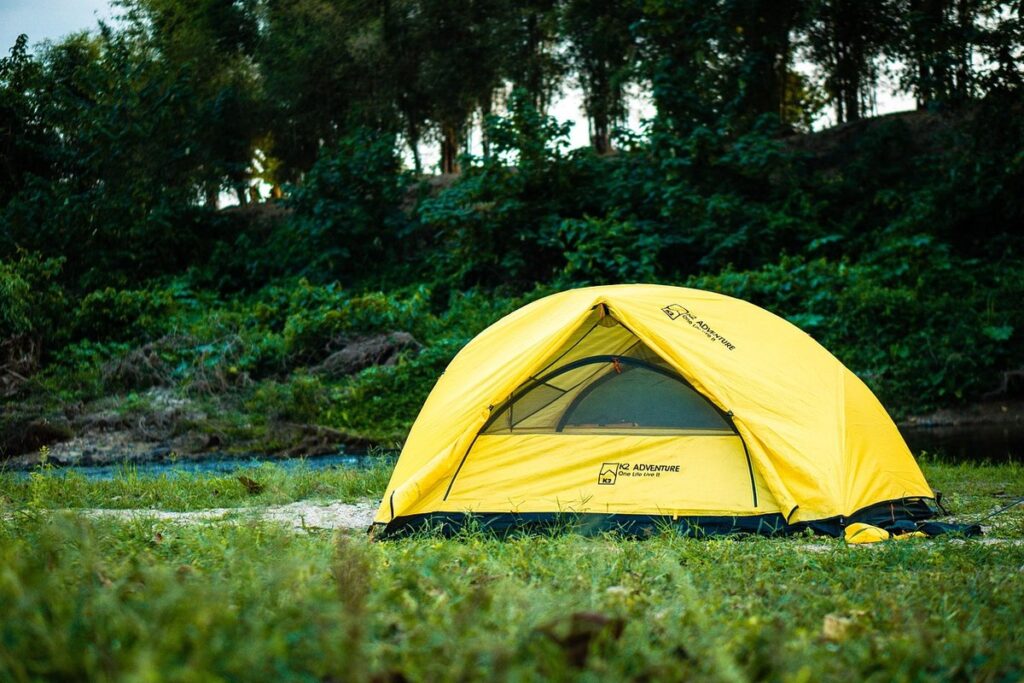
To set up an indoor camping experience, start by designating a cozy area of the room as the campsite. Use a small tent or a “fort” made from blankets and chairs to create a sense of adventure. Encourage kids to bring out their sleeping bags and pillows to make it feel like they’re really camping.
Next, gather around the “campfire” (a flashlight or a string of fairy lights can work well) for campfire stories and s’mores (made with indoor-safe alternatives). You can also play games that encourage teamwork and problem-solving, such as “I Spy” or “20 Questions”. To make it more exciting, create a treasure hunt around the room with clues leading to a hidden prize.
Some other ideas include setting up an obstacle course using household items, like couch cushions and chairs, for kids to navigate through. You can also have a “flashlight scavenger hunt” where kids have to find objects in the dark using only their flashlights. To make it even more immersive, create a script for a camping adventure story and let the kids take turns acting out different roles.
Safety First: Preparing for Rainy Day Emergencies
When unexpected rainstorms pop up, it’s crucial to have a plan in place to ensure everyone stays safe and dry. Let’s review some essential preparations to help you navigate these situations.
What to Do in Case of a Power Outage
When a power outage strikes on a rainy day at camp, it’s essential to have a plan in place to keep kids safe and engaged. Start by ensuring you have a reliable source of light, such as flashlights or battery-powered lanterns, with extra batteries on hand. This will help prevent accidents caused by tripping over dark objects or navigating through the darkness.
In case of a power outage, designate a meeting spot for kids to gather safely. Make sure they know how to get there quickly and easily. It’s also crucial to have a first aid kit readily available, stocked with essentials like bandages, antiseptic wipes, and pain relievers. Encourage camp staff to receive basic first aid training so they can respond to minor injuries.
Some common accidents that may occur during a power outage include cuts from broken glass or sharp objects, scrapes from falls, and minor burns from exposed electrical outlets. Be prepared for these situations by having a plan in place and knowing how to provide basic care. Keep your emergency contact list handy, including the camp director’s phone number and any nearby hospitals.
Emergency Contact Information and Procedures
It’s essential to have emergency contact numbers readily available at all times. This includes the camp director’s phone number, a list of emergency contacts for each child, and important medical information such as allergies or special needs. Make sure to keep these numbers easily accessible, perhaps on a board near the entrance or in a designated binder.
Establish clear communication channels with parents or caregivers by designating specific staff members to be the primary point of contact in case of an unexpected event. This could include a group text or email chain where updates are shared, or a designated meeting spot for families to gather if needed.
In addition to having emergency contact numbers and procedures in place, consider developing a plan for power outages. Identify safe areas within the camp that can be used as shelters during a power outage, such as a basement or storm cellar. Ensure that staff members know how to safely navigate these areas and what steps to take to keep children calm and secure.
Keep important phone numbers and emergency contact information on file and review them regularly with your team to ensure everyone is aware of the procedures in place.
Frequently Asked Questions
Can I Repurpose These Rainy Day Activities for Other Types of Weather?
Yes, many of the activities mentioned can be adapted to suit other weather conditions, such as hot summer days or snowy winter afternoons. For instance, indoor obstacle courses can be modified with cooling elements like fans or misting bottles during heatwaves.
How Do I Handle a Group of Children with Different Interests and Energy Levels?
Consider setting up multiple activity stations that cater to various interests and energy levels. This way, children can choose what suits them best, ensuring everyone has a enjoyable experience. You can also designate specific times for more energetic activities and quieter pursuits.
What If Some Kids Have Allergies or Sensitivities to Certain Materials Used in Arts and Crafts?
Be mindful of potential allergens like glitter, paint, or certain dyes when planning arts and crafts activities. Provide alternatives for children with sensitivities or allergies, such as using water-based paints or opting for hypoallergenic materials.
Can I Use These Rainy Day Activities as a Regular Part of Our Family’s Routine?
Absolutely! Incorporating these ideas into your regular routine can help create lasting memories and foster creativity in your children. Schedule specific times for indoor activities during the week, making it a fun and anticipated part of your family’s daily or weekly routine.
How Do I Ensure My Child Is Engaged and Participating in Activities If They’re Shy or Prefer to Observe?
Encourage shy children by pairing them with a trusted adult or older sibling who can facilitate their participation. Alternatively, provide plenty of opportunities for observation and learning from a safe distance, gradually introducing more interactive elements as they become comfortable.
What’s the Best Way to Clean Up After These Activities Without Feeling Overwhelmed?
Plan ahead by designating specific cleaning times after each activity. Assign tasks to different family members or caregivers to share the responsibility, making it more manageable and ensuring everyone contributes to maintaining a tidy environment.

