
Planning a family camping trip can be a daunting task, but with some expert advice, you can create lifelong memories for all ages. Choosing the right campsite is just as important as packing the right gear, which can range from tents and sleeping bags to cooking equipment and portable showers. But it’s not just about setting up camp – the activities and games you plan will make or break the experience. From nature walks and birdwatching to nighttime stargazing and campfire storytelling, there are countless ways to keep everyone engaged. However, safety considerations cannot be overlooked, from teaching children how to use a map to preventing wildlife encounters. By the end of this article, you’ll have a clear plan for a memorable family camping trip that suits your needs and budget.
Planning the Perfect Campsite
When it comes to making the most of your family camping trip, choosing a suitable campsite is crucial. We’ll walk you through how to plan the perfect spot for a fun and memorable adventure.
Choosing a Suitable Location
When selecting a campsite for your family’s camping adventure, several factors come into play. Consider the accessibility of the site – is it within a reasonable driving distance from home, and are there nearby amenities such as grocery stores or restaurants? A campsite that’s too far from civilization can be inconvenient, especially with young children in tow.
The terrain is also crucial to think about. Will the site require a long hike to access, or will you need to navigate uneven trails? Some families prefer campsites near water sources, while others prefer drier areas for better sleeping conditions. Be mindful of steep slopes and drop-offs that could pose a risk to children’s safety.
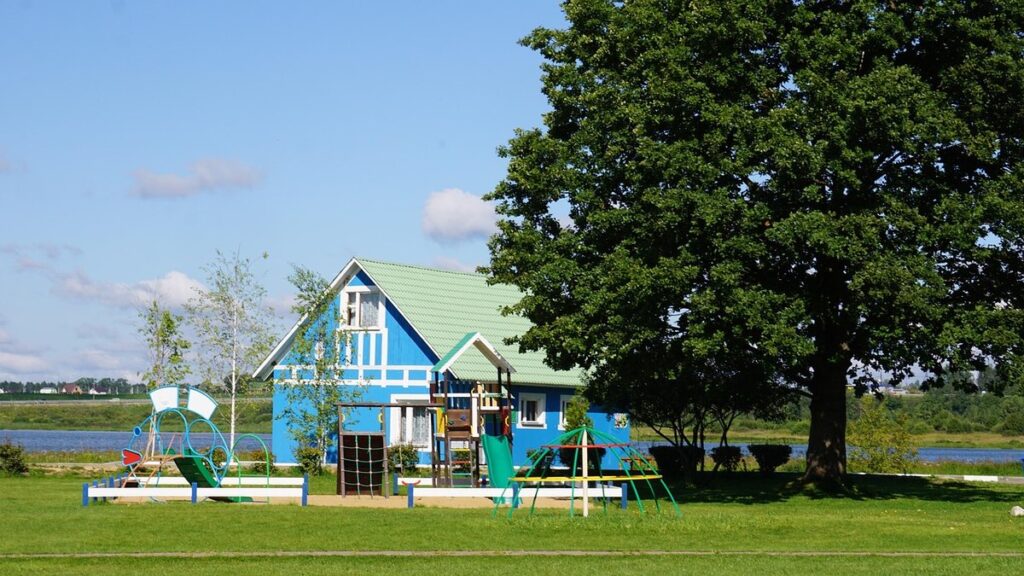
Amenities such as restrooms, potable water, and trash facilities are also essential to consider. Look for sites with these basic necessities to make your camping experience more comfortable. Some campsites may offer additional amenities like playgrounds or swimming areas – factor in the age and interests of your family members when choosing a site with extra perks.
Understanding Campsite Regulations
When selecting a campsite, it’s essential to familiarize yourself with the specific regulations in place. These rules vary from site to site but often cover quiet hours, waste disposal, and generator usage.
Quiet hours typically run from 10 pm to 8 am and are designed to minimize disruptions during rest periods. Generators can be a nuisance if used excessively, so most campsites ask that they’re turned off between these times. When choosing a campsite, consider the proximity to nearby amenities and potential noise sources like highways or neighboring campsites.
Waste disposal is another critical aspect of campsite regulations. Many campsites have designated areas for trash and recycling, while others may require you to pack out all waste with you when leaving. Be sure to check what facilities are available at your chosen site. In some cases, this might mean using portable toilets or bringing a portable washing station.
A few key things to keep in mind: generators usually need to be turned off during quiet hours and often have specific usage guidelines; many campsites offer designated areas for waste disposal, so be sure to use these instead of littering the surrounding area.
Tips for Booking a Campsite
When researching campsites online, look for websites like Recreation.gov, ReserveAmerica, or Campgrounds by Allstays, which offer a vast selection of campsite options. You can filter results by location, amenities, and availability to find the perfect spot for your family’s needs. Many campsites also have mobile apps that allow you to book and reserve sites on the go.
To ensure availability, it’s essential to plan ahead and book your campsite well in advance, especially during peak season. Typically, campsites open reservations 6-12 months prior to the desired arrival date. Be sure to read reviews and check the campsite’s policies regarding cancellations, refunds, and site assignments.
Before making a reservation, consider factors such as campsite size, accessibility, and proximity to amenities like restrooms, showers, and potable water. Some campsites may also offer additional services like laundry facilities or activities for kids. Take note of any specific regulations or rules the campsite may have, such as quiet hours or generator use restrictions.
Some popular online resources for booking campsites include:
- Recreation.gov: A comprehensive database of federal recreational lands and campgrounds
- ReserveAmerica: A reservation system for over 8,000 campgrounds nationwide
- Campgrounds by Allstays: An app that allows you to search and book campsites across the US
Essential Gear and Equipment
When it comes to planning a family camping trip, having the right gear and equipment is crucial for a successful adventure. We’ll cover must-have items to ensure a comfortable and enjoyable experience for all.
Tents, Sleeping Bags, and Other Shelter Essentials
When it comes to setting up a comfortable campsite, having the right shelter equipment is essential. You’ll find a wide range of tents on the market, from lightweight backpacking options to large family tents with multiple rooms and doors.
Consider the size of your tent based on the number of people you’re camping with. A good rule of thumb is to choose a tent that provides about 20 square feet of space per person. This will give everyone enough room to move around comfortably.
Sleeping bags are another crucial item for family camping trips. Look for bags with a temperature rating that matches the expected low temperature at your campsite. Some sleeping bags also come with additional features like built-in pillows or insulated hoods.
Other shelter essentials include ground tarps, which can provide extra protection from rain and wind, and camping hammocks, which are a great option for families who want to set up camp in a scenic spot without the hassle of pitching a tent.
Cooking and Dining Gear
When it comes to cooking and dining gear, you’ll want to prioritize a portable stove or camping grill that’s easy to set up and use. A two-burner propane stove is a popular choice for families, as it allows for simultaneous cooking of multiple meals. Don’t forget fuel: choose a brand that offers reliable ignition and minimal fuel consumption.
When selecting utensils, opt for lightweight, compact options like silicone or titanium. A set of reusable plates, bowls, and cups will also save on waste and lighten your load. Consider a collapsible serving tray for easy food transfer between cooking and eating areas.
For meal prep, plan ahead by packing non-perishable ingredients in airtight containers. Bring a small cooler with ice packs to keep perishables fresh during transport. When it’s time to cook, remember that simple meals like pasta or one-pot dishes are often the easiest to prepare over a camp stove.
For breakfast options, try instant oatmeal or scrambled eggs cooked on a camping grill. For main courses, consider dehydrated meats and vegetables rehydrated with hot water from your stove.
Safety and First Aid Equipment
When venturing into the great outdoors with family members of all ages, it’s crucial to prioritize safety. Essential safety gear includes flashlights and extra batteries, as well as fire starters like matches or lighters. These tools can help prevent accidents and ensure everyone stays warm and safe in case of an unexpected night spent outside.
A first aid kit is another must-have item that should always be within arm’s reach. This basic kit should include supplies such as bandages, antiseptic wipes, pain relievers, and any medications family members may need. Consider packing a small supply of personal care items like hand sanitizer, insect repellent, and tweezers.
In addition to these basics, don’t forget to pack essential documents like medical insurance cards, identification, and emergency contact information. If you have young children or older adults in your group, consider bringing along child-specific first aid supplies, such as thermometers and pediatric medications.
Remember to check the expiration dates of any items in your first aid kit and replace them when necessary.
Activities and Games for Families
From scavenger hunts to nature crafts, this section shares engaging activities that will delight both kids and adults on your family camping adventure. These fun games are perfect for creating lasting memories together.
Nature Walks and Scavenger Hunts
Plan a nature walk by choosing a route with varied terrain and interesting features such as water sources, meadows, or forests. This diversity will encourage exploration and learning. For younger children, consider creating a simple scavenger hunt list of items to find during the walk, like leaves, rocks, or specific types of flowers.
When leading a nature walk, keep in mind that too many instructions can stifle creativity and curiosity. Instead, provide general guidance on what to look for without giving away the answers. Encourage children to ask questions and make observations about their surroundings. For older kids, consider creating more complex scavenger hunt lists with specific characteristics or criteria to identify.
For example, you could create a list of items that must be found in nature within a certain time frame, such as “find three different types of birds” or “collect a pinecone and a small stick.” This will challenge their observation skills and encourage them to think critically about what they’re seeing. You can also make the scavenger hunt more engaging by incorporating elements of storytelling or history related to the natural environment.
Outdoor Games and Sports
Capture the flag, frisbee golf, and archery are just a few of the many outdoor games and sports suitable for families on a camping trip. These activities encourage teamwork, physical activity, and healthy competition while enjoying nature’s scenery.
For capture the flag, divide players into two teams and assign each team a designated area to defend. Players can use stealth or strategy to sneak into the opposing team’s territory and steal their flag without getting caught. This game promotes problem-solving, communication, and quick thinking under pressure.
Frisbee golf is another fun and accessible activity that requires minimal equipment – just a frisbee and some marked targets. You can create your own course using natural obstacles like trees or hills, making it an engaging way to explore the campsite.
Archery is also an excellent option for families with older children who are interested in learning a new skill. Many campsites offer archery lessons and equipment rentals, allowing you to try this precision sport safely under expert guidance.
Campfire Fun and Storytelling
Create a warm and inviting campfire atmosphere by sharing family recipes, singing songs together, and engaging in storytelling. Start with some delicious s’mores variations: try using different types of chocolate or adding fresh fruit like strawberries or bananas to the classic marshmallow and graham cracker combination.
Sing-alongs are another great way to bond over the campfire. Choose a few favorite family songs or learn some traditional campfire tunes together, like “Kumbaya” or “John Jacob Jingleheimer Schmidt”. You can also make up your own silly songs on the spot – just remember to keep them fun and light-hearted.
For storytelling, encourage each person to share a personal anecdote or make-up their own tale. You can start with simple prompts like “the best adventure I ever had” or “a time when I overcame a challenge”. As you take turns sharing stories, be sure to listen actively and ask follow-up questions to keep the conversation going. To add an extra layer of fun, create a “storytelling circle” where everyone sits in a circle around the campfire and takes turns telling their tale. This way, everyone can enjoy each other’s company while sharing in the storytelling experience.
Wildlife Watching and Conservation
Camping is a great opportunity for families to connect with nature, and spotting local wildlife can be a thrilling experience. We’ll explore some tips for responsible wildlife watching and conservation on your next family camping trip.
Identifying Local Wildlife
Start by familiarizing yourself with the local wildlife species in your camping area. Common sights include birds like hummingbirds and warblers, which can be found flitting between flowers and shrubs near water sources. Mammals such as deer and raccoons often inhabit forested areas, while snakes and lizards thrive in rocky or sandy environments.
To spot these creatures, look for habitats that match their preferred environments. For example, if you’re camping near a lake, keep an eye out for birds with iridescent feathers or mammals like beavers and otters. In drier regions, watch for reptiles basking in the sun on rocky outcroppings.
When observing local wildlife, remember to respect their space and follow basic guidelines: observe from a safe distance, avoid feeding them human food, and never approach or touch wild animals. Bring binoculars to get a closer look without disturbing the creatures, and take notes or photographs to help identify what you see. Keep an eye out for unique behaviors or patterns, like migratory birds flying in formation or animals using specific routes through the terrain.
Understanding Campsite Environmental Impact
When camping with your family, it’s essential to consider the environmental impact of your campsite. A significant aspect of minimizing waste is proper disposal. Make sure to use designated trash cans and recycling bins provided by the campsite. You can also bring a small container to collect non-biodegradable waste like plastic bags, straws, or water bottles.
Follow the Leave No Trace principles, which include packing out all trash, including food scraps and human waste. This might seem daunting, but it’s easier than you think. Bring a portable toilet or use the campsite’s facilities if available. If you’re planning to hike or explore during your trip, pack a small shovel for digging catholes. Remember to bury human waste at least 200 feet away from water sources and campsites.
To reduce paper waste, consider using reusable containers for food storage and bring a refillable water bottle. When it’s time to leave, make sure to clean up after yourself, including any campfires or cooking equipment. By following these simple tips, you can minimize your family’s environmental footprint while still enjoying the great outdoors.
Supporting Conservation Efforts
When camping in national parks and protected areas, it’s essential to support conservation efforts. Many organizations partner with these locations to promote sustainability and environmental stewardship. One such organization is the National Park Service’s Volunteer in the Parks program, which allows visitors to participate in habitat restoration, wildlife monitoring, and other conservation activities.
You can also get involved by donating to reputable organizations like the Nature Conservancy or the World Wildlife Fund. These groups work tirelessly to protect endangered species, preserve habitats, and educate communities about the importance of conservation. Some national parks even offer adoption programs for specific animals, such as bison or wolves, which provide a unique way to support conservation efforts.
If you’re planning to visit a national park with your family, consider checking out their website for information on volunteer opportunities or donation programs. You can also look into guided tours and educational programs that focus on conservation and wildlife watching. By supporting these initiatives, you’ll not only be contributing to the preservation of our natural wonders but also teaching your children about the importance of responsible tourism and environmental stewardship.
Safety Considerations
When venturing into the great outdoors, it’s crucial to think ahead and plan for potential hazards that can impact your family camping experience. Let’s discuss some key safety considerations to keep in mind when setting up camp.
Preparing for Emergencies
Creating a family emergency plan is essential when camping with kids. Start by designating a meeting spot outside the campsite where everyone can gather if you get separated. Choose a nearby landmark or a distinctive tree to ensure it’s easy to locate. Make sure each family member knows how to reach this meeting point.
Understand your campsite’s safety procedures, including emergency contact numbers and evacuation routes. Familiarize yourself with the nearest hospital and any local emergency services. Many campsites also have a first aid station or a designated area for emergencies.
Develop a communication plan in case of separation. Assign a primary contact person to reach out to family members if someone is missing. Consider purchasing a personal locator beacon (PLB) or satellite phone, especially when venturing into remote areas with no cell service.
When creating your emergency plan, also consider the specific needs of your family. For example, do you have any medical conditions that require special attention? Make sure to leave a copy of your plan with a trusted friend or family member back home.
Managing Weather Conditions
When camping with family, it’s essential to be prepared for various weather conditions. Thunderstorms can bring heavy rain and strong winds, while heatwaves can make outdoor activities unbearable. To manage these conditions effectively, check the forecast before your trip and plan accordingly.
If a thunderstorm is forecasted, choose a campsite with a sturdy shelter or set up a waterproof tent. Avoid planning outdoor activities during peak storm hours. In case of unexpected rain, have a backup plan, such as indoor games or board games, to keep everyone entertained.
During heatwaves, stay hydrated by drinking plenty of water and taking breaks in the shade. Limit your physical activity to morning and evening when temperatures are cooler. Consider bringing lightweight clothing and a portable fan for extra comfort.
Some essential items to pack for managing weather conditions include a waterproof jacket or poncho, sunhats, sunglasses, sunscreen with high SPF, and insect repellent. It’s also crucial to teach children about basic first aid for heatstroke and lightning strikes.
Preventing Insect-Borne Illnesses
When venturing into the great outdoors, it’s essential to take precautions against insect-borne illnesses. Mosquito-borne diseases like Zika and dengue fever are transmitted through mosquito bites, while tick-borne illnesses such as Lyme disease can be spread by black-legged ticks. To prevent these illnesses, make sure to bring plenty of insect repellent containing DEET, picaridin, or oil of lemon eucalyptus. Apply it regularly to exposed skin and clothing.
When camping in areas with high mosquito populations, consider using a fan to keep them away from your campsite. Wearing long-sleeved shirts and pants can also help prevent bites. Be sure to check yourself frequently for ticks after spending time outdoors, especially in wooded or grassy areas. Remove any attached ticks promptly by grasping the tick close to your skin with fine-tipped tweezers.
When planning your camping trip, research the area’s insect-borne disease risks and take necessary precautions. Pack a first aid kit that includes supplies for treating tick bites, such as antiseptic wipes and pain relievers.
Frequently Asked Questions
Can I Bring My Pet on a Family Camping Trip?
Yes, many campsites allow pets, but it’s essential to check the campsite’s pet policy in advance and follow any specific rules or regulations. Be sure to also prepare for your pet’s needs, including food, water, and waste disposal.
What If It Rains During Our Campsite Visit? Are We Still Stuck with a Wet Tent?
Yes, but most modern tents are designed to be waterproof. However, it’s still crucial to follow the manufacturer’s instructions for setting up and maintaining your tent to ensure it remains watertight. Consider investing in a waterproofing spray or sealant for extra protection.
How Do I Choose Between Different Types of Camping Activities When Planning My Family Trip?
Consider the age range and interests of your family members when selecting activities. If you have young children, nature walks and scavenger hunts might be more suitable. For older kids, outdoor games like capture the flag or frisbee golf could be a better fit.
What Are Some Essential Safety Items I Should Pack for a Family Camping Trip?
In addition to the standard safety gear mentioned in the article, don’t forget to pack personal medications, sun protection (sunscreen, hats, sunglasses), and a basic toolkit with essentials like a first aid kit, flashlight, and fire starters.

