
The increasing concern over plastic waste has led to a growing interest in biodegradable plastics, which are designed to break down naturally in the environment. However, not all biodegradable plastics are created equal, and it’s essential to understand what they are and how they differ from traditional plastics. Biodegradable plastics have been touted as a solution to reduce plastic waste and promote sustainability, but they also come with their own set of challenges and limitations. This article will explore the various types of biodegradable plastics, their benefits in reducing packaging waste, and the complexities surrounding their production and use. By the end of this article, you’ll have a better understanding of how biodegradable plastics are changing the future of consumer products and packaging, and what that means for a more sustainable future.
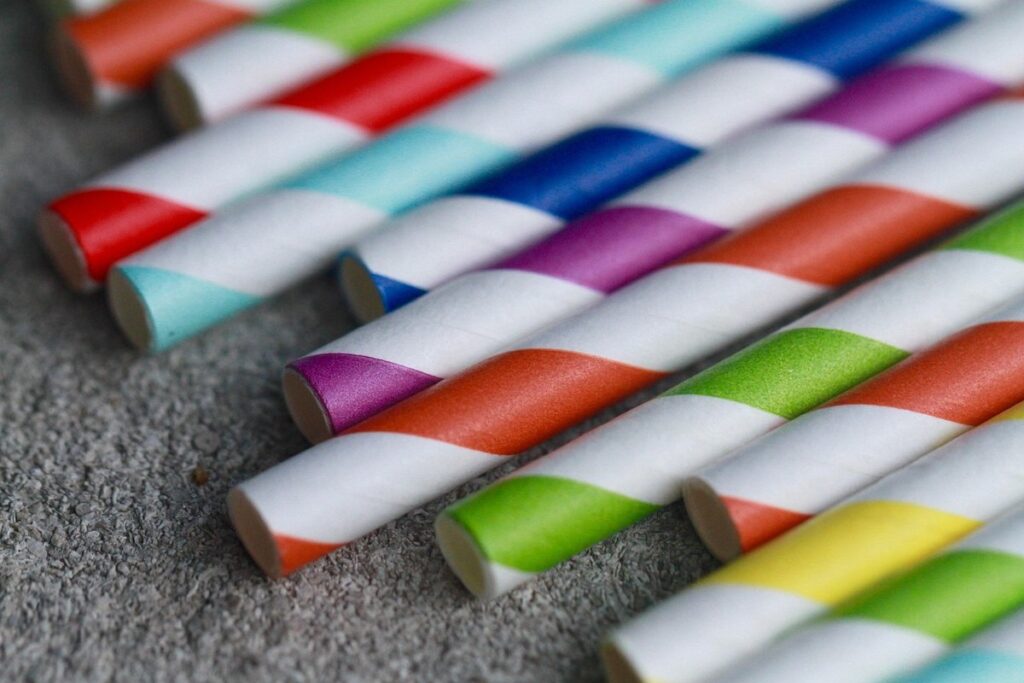
Understanding Biodegradable Plastics
Biodegradable plastics are made from materials that can easily decompose, breaking down into non-toxic components that return to nature. This section will explore what makes a plastic biodegradable and how it differs from traditional plastics.
Definition and Explanation
Biodegradable plastics are a type of plastic that can easily decompose and break down naturally, typically within a specific timeframe. This is in contrast to traditional plastics, which take hundreds of years to decompose and often end up as microplastics in the environment. To qualify as biodegradable, a plastic must be able to decompose by microbial action under normal environmental conditions.
Understanding what constitutes a biodegradable plastic is crucial, especially in today’s plastic-conscious world where consumers are increasingly seeking out eco-friendly alternatives. The term “biodegradable” can sometimes be misleading, so it’s essential to look for certifications like Compostable or Biodegradable Products Institute (BPI) certification, which ensure that the product meets specific standards.
When shopping for biodegradable plastics, keep in mind that not all products with this label are created equal. Some may require specific conditions to break down, such as high temperatures or controlled environments, while others can decompose more easily under normal conditions. Always check the packaging or manufacturer’s website for detailed information on what constitutes a biodegradable plastic product.
Types of Biodegradable Materials
Biodegradable materials can be derived from various sources, including plants and algae. Plant-based plastics are made from renewable resources such as corn starch, sugarcane, or potato starch. These bioplastics can be produced through a process called poly lactic acid (PLA) production, which involves fermenting plant-based sugars into polylactide. Another example of plant-based plastic is polycaprolactone (PCL), often derived from corn sugar.
Algae-based plastics are another innovative option, using microalgae to produce bioplastics. Algal oil can be extracted and converted into a variety of products, including biodegradable packaging materials and disposable cutlery. Beyond plant-based and algae-based options, researchers have explored other sources for biodegradable materials, such as bacterial cellulose, fungal mycelium, and even spider silk.
Some companies are experimenting with using agricultural waste to produce bioplastics. For instance, some firms use potato peel or wheat straw to create compostable packaging materials. These novel approaches aim to reduce plastic waste while minimizing the environmental impact of production processes.
History of Biodegradable Plastics
To truly understand biodegradable plastics, it’s essential to explore their history, which dates back to the 19th century. We’ll take a closer look at how this concept evolved over time.
Early Developments and Pioneers
The development of biodegradable plastics began in the early 20th century, with a focus on finding alternatives to traditional petroleum-based materials. One of the pioneers in this field was Dr. Alexander Parkes, an English inventor who created Parkesine, a plant-based plastic material, in 1855. However, it wasn’t until the 1980s that biodegradable plastics began to gain traction.
During this period, researchers at companies like DuPont and Monsanto developed new materials using polylactic acid (PLA) derived from corn starch or sugarcane. These early bioplastics faced several challenges, including high production costs and limited scalability. Despite these hurdles, companies like Ecopolis in Germany began to market their own lines of biodegradable packaging.
The first commercial-scale production of biodegradable plastics was achieved by the Dutch company Stora Enso in 1995. Their product, Lactic, was a PLA-based material used for packaging and disposable cutlery. This breakthrough marked an important milestone in the development of biodegradable plastics, paving the way for further innovation and commercialization.
Breakthroughs and Advancements
The development of biodegradable plastics has been marked by several significant breakthroughs and advancements. One major milestone was the introduction of polylactic acid (PLA), a polymer derived from renewable resources such as corn starch or sugarcane. PLA’s biodegradability was demonstrated in composting facilities, paving the way for its use in packaging and disposable products.
The invention of polyhydroxyalkanoates (PHA) is another notable advancement. PHA is produced through bacterial fermentation and has shown promise in applications where high heat resistance is required. This material’s unique properties have sparked interest in industries such as textiles and biomedical devices.
In the realm of production processes, a significant breakthrough came with the development of enzyme-based depolymerization technologies. These enzymes can efficiently break down certain types of bioplastics, making it possible to recycle them more effectively. Moreover, research into novel feedstocks has led to the exploration of algae-based bioplastic production.
Biodegradable Plastic Materials
Let’s take a closer look at some of the biodegradable plastic materials that are being developed and used today, including PLA and PBAT. These materials have unique properties that make them suitable for specific applications.
Plant-Based Plastics
Plant-based plastics are made from renewable resources such as corn starch, sugarcane, and potato starch. These materials can be produced through various methods, including fermentation, extrusion, and injection molding. The most common type of plant-based plastic is polylactic acid (PLA), which is derived from fermented plant sugars.
One benefit of plant-based plastics is their biodegradability. When exposed to heat and moisture, these materials can break down into carbon dioxide, water, and biomass. This process typically occurs within a few weeks or months, depending on the specific material and environmental conditions. However, some limitations of plant-based plastics include their high cost, limited availability, and potential for contamination.
Some companies are using plant-based plastics in packaging and consumer products. For example, NatureWorks produces PLA-based water bottles and disposable cutlery. While these alternatives have gained traction, they still account for a small percentage of the global plastic market. To increase adoption, manufacturers must address concerns about supply chain reliability and scalability.
Algae-Based Plastics
Algae-based plastics are a type of biodegradable material derived from algae biomass. These plastics exhibit unique properties, such as high strength-to-weight ratios and improved thermal stability, making them suitable for various applications. One advantage of algae-based plastics is their ability to degrade quickly under specific conditions, typically within several months in composting environments.
Algae-based plastics can be produced through different methods, including fermentation, extrusion, and molding. The production process involves converting algae biomass into a plastic material using chemical treatments or biocatalysts. This results in a range of products with varying properties and performance characteristics.
However, the use of algae-based plastics is not without challenges. For instance, their degradation rates can be influenced by environmental factors such as temperature, pH levels, and oxygen availability. Moreover, the scalability and cost-effectiveness of production processes remain concerns for widespread adoption. Despite these limitations, researchers continue to explore ways to improve the properties and applications of algae-based plastics.
Environmental Impact of Biodegradable Plastics
Biodegradable plastics claim to be a more sustainable alternative, but do they live up to their promise? We’ll examine the environmental impact of these materials in this crucial section.
Benefits for the Environment
Biodegradable plastics have several benefits for the environment when compared to traditional non-biodegradable plastics. One key advantage is the reduced plastic waste they generate. Unlike regular plastics, biodegradable plastics can easily decompose and return to nature, reducing the amount of plastic that ends up in landfills and oceans.
Another benefit is the decrease in greenhouse gas emissions associated with their production. Traditional plastics are often made from petroleum-based materials, which release significant amounts of CO2 during processing. In contrast, biodegradable plastics are derived from renewable biomass sources such as corn starch or sugarcane, resulting in lower carbon footprints.
Biodegradable plastics also have a positive impact on soil health. As they break down, they can act as natural fertilizers, improving the structure and fertility of the soil. This is particularly beneficial for agricultural applications, where biodegradable plastics are used to reduce waste and promote sustainable farming practices. For instance, farmers can use biodegradable mulch films to retain moisture and suppress weeds, leading to healthier crops and reduced chemical usage.
Challenges and Limitations
The production costs of biodegradable plastics can be prohibitively high, making them less competitive with traditional plastics. This is partly due to the fact that many biodegradable materials require specialized equipment and facilities for processing. For example, some plant-based plastics need to be fermented at high temperatures and pressures before they can be molded into usable shapes.
Scalability issues also pose a significant challenge for biodegradable plastics. Currently, most manufacturers rely on large-scale industrial processes to produce these materials, which can be energy-intensive and resource-hungry. As a result, many smaller companies and startups are struggling to scale up their production volumes without incurring substantial environmental costs.
Biodegradable plastics also have the potential to compete with food crops for arable land and resources. For instance, some bioplastics manufacturers use corn or sugarcane as feedstocks, which can drive up prices for these staple crops and exacerbate food insecurity in vulnerable regions. This raises important questions about the sustainability of certain biodegradable plastic production methods.
Applications and Uses
Biodegradable plastics have a wide range of practical applications, from packaging materials to agricultural mulch. Let’s take a closer look at some of the innovative ways they’re being used today.
Packaging and Consumer Products
Companies like L’Oréal and Patagonia are already successfully using biodegradable plastics in their packaging. For instance, L’Oréal’s shampoo bottles made from a plant-based plastic called polylactic acid (PLA) can break down in composting facilities. Patagonia’s clothing packaging is also being replaced with certified compostable materials.
Biodegradable plastics are particularly useful for products that come into direct contact with food or soil, such as coffee cups and cutlery. Companies like Ecovative and Biopak have developed bioplastics made from mycelium (mushroom roots) and cornstarch that can replace traditional plastic alternatives in these applications.
When choosing a biodegradable plastic for packaging, consider the production process and end-of-life options. Look for certifications like Compostable or Biodegradable Products Institute (BPI) to ensure the material meets specific standards for biodegradation. Some companies also offer take-back programs for their compostable products, making it easier for consumers to participate in the closed-loop system.
For example, TerraCycle’s Loop platform allows customers to return used packaging made from certified bioplastics and have it collected, sorted, and processed into new products.
Industrial and Agricultural Uses
Biodegradable plastics have a range of applications in industrial and agricultural settings. One notable use is as mulch films to cover soil during plant growth, which helps retain moisture and suppress weeds. These films can also be used as compost bags or soil conditioners to improve the structure and fertility of the soil.
Compared to traditional plastic mulches, biodegradable alternatives have several advantages. For instance, they don’t leave behind chemical residues that can harm plants and wildlife. They also reduce the environmental impact associated with transporting and disposing of non-biodegradable mulch materials.
Some specific examples of biodegradable plastics used in agriculture include polybutylene adipate-co-butylene terephthalate (PBAT) and polylactic acid (PLA). These materials are often combined with natural polymers like corn starch or sugarcane to enhance their biodegradability. By choosing these alternatives, farmers can reduce their environmental footprint while maintaining effective soil management practices.
When selecting biodegradable mulch films or compost bags, it’s essential to consider the specific needs of your operation and choose products that align with those requirements.
Production Processes and Technologies
Let’s take a closer look at how biodegradable plastic is produced, from the raw materials used to create it to the manufacturing processes involved. We’ll explore the latest technologies being developed for these sustainable plastics.
Current Methods and Challenges
The production of biodegradable plastics relies on various methods and technologies, including fermentation, mechanical recycling, and chemical recycling. Fermentation-based approaches involve microorganisms breaking down biomass into polymers, such as polylactic acid (PLA). However, these processes often require high temperatures and pressures, making them energy-intensive.
Mechanical recycling involves shredding and pelletizing biodegradable plastics to create feedstock for new products. This method is more efficient but may not be economically viable for large-scale production. Chemical recycling, on the other hand, breaks down plastics into their raw materials using solvents or enzymes. However, this process can be costly and has raised concerns about the potential environmental impact of chemical use.
The scaling up of these methods poses significant challenges, including high energy costs, limited feedstock availability, and the need for specialized equipment. As a result, many manufacturers are exploring hybrid approaches that combine different technologies to reduce production costs and environmental impacts. For example, some companies are developing biodegradable plastics that can be processed using conventional plastic machinery, reducing the need for specialized equipment.
Emerging Technologies and Innovations
New enzymes and microorganisms are being engineered to break down biodegradable plastics more efficiently. For example, researchers have identified a strain of bacteria that can degrade certain types of PLA (polylactic acid) at a rate 50% faster than previously known microorganisms.
These advancements are crucial for scaling up production and reducing costs associated with traditional decomposition methods. Companies like Ecovative are developing mycelium-based bioplastics, which use fungal hyphae to break down organic materials into a biodegradable plastic alternative.
Additionally, new types of algae-based plastics are being developed that can be produced at a lower cost than traditional plant-based bioplastics. These innovations are expected to play a significant role in the future of biodegradable plastic production.
Some notable examples include:
• A new strain of bacteria engineered by researchers at Stanford University
• The development of mycelium-based bioplastics by Ecovative
• Algae-based plastics being tested by companies like Algopack
These emerging technologies and innovations have the potential to accelerate decomposition rates, reduce production costs, and increase the availability of biodegradable plastic materials. As the industry continues to evolve, it’s essential for manufacturers to stay up-to-date on these advancements to improve their production processes and meet growing demand.
Future Directions and Prospects
As we wrap up our exploration of biodegradable plastic, let’s take a closer look at where this technology is headed and what it might mean for the future.
Market Trends and Growth
The market for biodegradable plastics has been growing rapidly over the past decade, driven by increasing demand from consumers and governments looking to reduce plastic waste. According to a recent report, the global bioplastics market is expected to reach $20 billion by 2025, with a compound annual growth rate (CAGR) of 28%. This growth is largely due to the expansion of plant-based plastics, such as polylactic acid (PLA) and polyhydroxyalkanoates (PHA), which are derived from renewable biomass sources.
Several factors are contributing to this growth: governments implementing extended producer responsibility policies, consumers becoming more environmentally conscious, and companies investing in biodegradable materials. For instance, some major retailers have committed to using 100% recyclable or biodegradable packaging by 2025. However, challenges persist, such as high production costs, limited scalability of certain technologies, and competition from traditional fossil-based plastics.
Key players are shifting their focus towards innovative technologies, like fermentation-based production methods, which promise improved efficiency and cost-effectiveness. To tap into this growing market, companies should consider partnering with industry experts, investing in research and development, and adapting to changing regulatory landscapes.
Regulatory Frameworks and Policies
To support the widespread use of biodegradable plastics, regulatory frameworks and policies must adapt to their unique characteristics. Currently, many countries have regulations governing traditional plastics, but these often do not account for biodegradability. For instance, some jurisdictions require biodegradable plastics to meet specific standards for disintegration or microbial degradation.
To address this gap, policy-makers need to establish clear definitions of what constitutes a biodegradable plastic and how it should be disposed of. This could involve revising existing regulations or creating new ones that specifically address the needs of biodegradable materials. Furthermore, governments can incentivize the development and use of biodegradable plastics by offering tax breaks, grants, or other forms of financial support.
Regulatory bodies also need to ensure that testing and certification procedures are in place to verify the biodegradability claims made by manufacturers. This would involve establishing standards for laboratory testing and accreditation processes. As biodegradable plastic technology advances, regulatory frameworks must evolve accordingly to keep pace with innovation. By doing so, governments can foster a supportive environment for industry growth while promoting sustainable development.
Frequently Asked Questions
How Long Does it Take for Biodegradable Plastics to Decompose?
Biodegradable plastics can take anywhere from several weeks to several months to decompose, depending on the type of material and environmental conditions. Factors such as temperature, moisture, and microbial activity influence this process.
Can I Use Biodegradable Plastics in High-Temperature Applications?
While biodegradable plastics have improved thermal stability, they still may not be suitable for high-temperature applications like cooking or autoclaving. It’s essential to check the specific product specifications and manufacturer recommendations before using them in such scenarios.
How Do I Dispose of Biodegradable Plastic Packaging Correctly?
To ensure effective decomposition, biodegradable plastic packaging should be disposed of through composting facilities or designated organic waste streams. Avoid mixing it with regular trash or recycling materials, as this can hinder the breakdown process.
Can Biodegradable Plastics Replace Traditional Plastics Entirely?
While biodegradable plastics offer environmental benefits, they may not entirely replace traditional plastics due to production costs and scalability issues. A phased transition towards more sustainable materials is likely, where biodegradable plastics complement existing technologies rather than fully replacing them.
What Are the Long-Term Effects of Biodegradable Plastics on Soil Health?
Research suggests that biodegradable plastics can improve soil health by reducing plastic waste, increasing microbial activity, and promoting nutrient cycling. However, more studies are needed to fully understand their long-term impact on soil ecosystems and potential interactions with other environmental factors.

