
Many homeowners have turned to backyard composting as a way to reduce their environmental footprint, but often overlook one crucial aspect: the materials they’re using. Home compostable products are made from biodegradable materials that can be easily broken down by microorganisms in a compost pile, producing nutrient-rich soil amendments without contributing to greenhouse gas emissions. By choosing home compostable materials for packaging and other uses, you can significantly reduce your carbon footprint and save money on waste disposal costs. In this article, we’ll explore the advantages of incorporating home compostable materials into your backyard composting system, including reduced greenhouse gas emissions and cost savings. We’ll also provide a step-by-step guide on how to implement these eco-friendly products in your composting routine, allowing you to create nutrient-rich soil that will make your garden flourish.
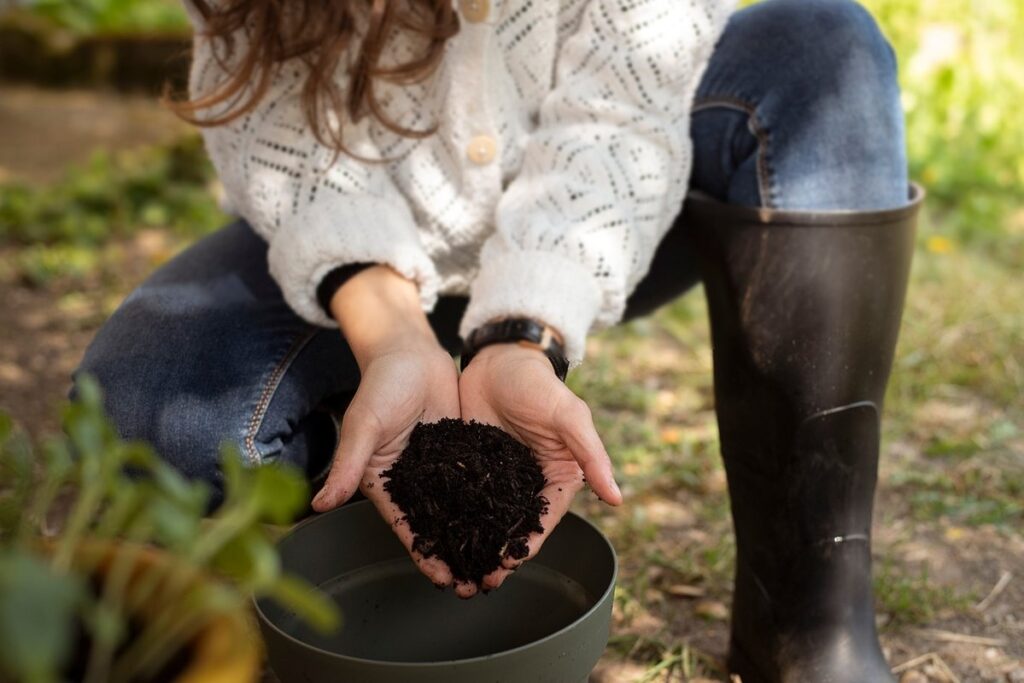
What is Home Compostable?
Home composting materials are made from renewable resources and can be fully decomposed by microorganisms, returning to nature without leaving behind any waste. This process is a key characteristic of home compostables.
Definition and Standards
Home compostable materials are certified by organizations such as the Biodegradable Products Institute (BPI) and Compostable, which establish standards for their safety and efficacy. These certifications ensure that home compostable materials break down into carbon dioxide, water, and biomass at a rate similar to food waste in a backyard compost pile.
To be considered home compostable, products must meet specific criteria, including the ASTM D6400 or EN 13432 standards for biodegradability. The BPI certification process involves testing products’ ability to break down in both aerobic (with oxygen) and anaerobic (without oxygen) conditions. Compostable also has its own set of standards, which include requirements for biodegradation rates and the absence of toxic substances.
Product manufacturers can choose from a range of certifications depending on their product’s intended use and the country where it will be used. For consumers, look for the BPI or Compostable logos on packaging to ensure that products meet home composting standards. This certification process helps prevent contamination of commercial compost streams with non-biodegradable materials.
Differences from Industrial Composting
Home compostable materials differ from those used in industrial composting processes primarily due to differences in production methods and material composition. Industrial composting often relies on large-scale facilities with controlled conditions, whereas home composting typically involves smaller-scale, outdoor or indoor setups with varying environmental conditions.
Key factors that distinguish home compostable materials include their biodegradation rates, which are designed to be faster and more robust for residential use. This is reflected in the standards set by organizations such as EN 13432 and ASTM D6400, which dictate specific requirements for home composting. In contrast, industrial compostable materials often prioritize durability and resistance to contamination.
The material composition of home compostables also tends to focus on food waste, yard trimmings, and other organic matter that is readily available in household settings. This emphasis on using locally sourced materials helps minimize transportation emissions and supports a more circular economy. As a result, home compostable products often have shorter lifespans than their industrial counterparts but are designed for easier breakdown and reduced environmental impact.
Benefits of Home Compostable Materials
Home compostable materials offer a range of benefits that can make a significant impact on the environment. From reducing waste to creating nutrient-rich soil, we’ll explore these advantages in more detail.
Environmental Advantages
Home compostable materials can significantly reduce greenhouse gas emissions by replacing traditional plastics, which are often manufactured from non-renewable resources and contribute to climate change. For instance, bioplastics produced from renewable biomass sources like corn starch or sugarcane require less energy to produce than fossil fuel-based plastics, resulting in lower carbon emissions throughout their lifecycle.
Compostable materials can also help conserve water by reducing the need for irrigation in agriculture. When soil is rich in organic matter, it has better water-holding capacity and structure, allowing plants to thrive with minimal watering. This is particularly beneficial in areas where water scarcity is a concern.
In addition to these benefits, home compostable materials can improve soil quality by increasing its fertility and biodiversity. As they break down, they add essential nutrients like nitrogen, phosphorus, and potassium, supporting the growth of healthy microorganisms and plants. This, in turn, can help sequester carbon from the atmosphere, further mitigating climate change.
By incorporating home compostable materials into our daily lives, we can make a tangible impact on the environment while promoting sustainable waste management practices.
Cost Savings and Convenience
Home compostable materials can significantly reduce waste disposal fees for homeowners. Traditional curbside recycling programs often don’t accept organic waste, and sending it to landfills can be costly. In contrast, home composting allows you to manage your organic waste on-site, eliminating the need for expensive trash pickup services.
You can expect to save around $50-100 per year by diverting food scraps and yard trimmings from your household waste stream. This money can be redirected towards more sustainable practices or simply put back into your pocket.
Convenience is another major benefit of home compostable materials. With a backyard composter, you can easily process organic waste without relying on local collection services. This saves time and effort, allowing you to focus on other aspects of your life. Additionally, many home composting systems are designed for compact spaces, making them ideal for urban dwellers or those with limited yard space.
To maximize cost savings and convenience, be sure to choose a high-quality composter that suits your needs. Research local regulations regarding backyard composting and ensure you’re meeting any necessary requirements. By taking control of your organic waste management, you can enjoy both environmental benefits and tangible financial rewards.
Types of Home Compostable Materials
Home composting is all about finding the right materials to add to your pile, and there are many types of items that can be turned into nutrient-rich soil. From kitchen scraps to yard waste, we’ll explore the best options for you.
Bioplastics and Bio-based Polymers
Bioplastics are made from renewable biomass sources such as corn starch, sugarcane, or potato starch. These materials have properties similar to traditional plastics but can be composted at home. Production methods for bioplastics vary depending on the feedstock used. Some common production processes include fermentation, where microorganisms convert sugars into bioplastic precursors, and mechanical processing, which involves breaking down biomass into smaller components.
Bioplastics exhibit several desirable properties that make them suitable for home composting systems. They are often biodegradable, meaning they can be broken down by microorganisms in a matter of weeks or months. This allows for efficient nutrient cycling and minimizes the creation of microplastics. Some bioplastics also have high water resistance, making them ideal for packaging materials.
When choosing bioplastics for home composting, look for certifications such as Compostable EN 13432 or ASTM D6400. These standards ensure that the product meets specific criteria for biodegradability and compostability. Consider using bioplastics in small quantities to monitor their performance in your system and adjust as needed.
Compostable Packaging and Utensils
Compostable packaging and utensils are becoming increasingly available for everyday use. Look for products like bags, containers, and cutlery made from bioplastics such as polylactic acid (PLA) or polyhydroxyalkanoates (PHA). These materials break down quickly in home composting environments and can replace traditional plastic packaging.
For example, some companies are producing compostable coffee capsules that eliminate the need for single-use plastics. Compostable utensils like forks, knives, and spoons made from plant-based materials like cornstarch or sugarcane are also available. When shopping for these products, check for certifications like Compostable logos or Biodegradable Products Institute (BPI) certifications to ensure they meet home composting standards.
Some key considerations when using compostable packaging and utensils include ensuring proper carbon-to-nitrogen ratios in the compost pile to aid decomposition. Also, be aware that some compostable materials may require specific temperatures or moisture levels for optimal breakdown. To maximize their benefits, use these products responsibly and dispose of them according to manufacturer guidelines.
Preparing Home Compostable Materials for Composting
To successfully compost at home, it’s essential to prepare materials correctly, ensuring they break down efficiently and don’t attract pests or odors. We’ll cover key steps to get your materials ready for the compost pile.
Pre-treatment and Shredding
Proper pre-treatment is essential for breaking down home compostable materials efficiently. This involves removing contaminants such as food residue, labels, and caps from bioplastics or bio-based polymers. For example, if you’re composting a plastic container with a food residue inside, simply scrape out the residue to prevent it from creating anaerobic conditions that hinder decomposition.
Shredding home compostable materials is also crucial for several reasons. Firstly, large pieces can create air pockets within the compost pile, which can lead to uneven decomposition and odors. Secondly, shredding increases the surface area of the materials, allowing microorganisms to access nutrients more easily. You can use a manual or electric shredder, but be cautious not to over-shred as this can create too much dust.
To give you a better idea of the importance of pre-treatment and shredding, consider that many home composters experience improved decomposition rates when they follow these steps. A good rule of thumb is to aim for a mix of 2-3 inch pieces after shredding, which will allow for optimal airflow and microbial activity within the compost pile.
Carbon-to-Nitrogen Ratios and pH Levels
To maintain a healthy compost pile, it’s essential to balance carbon-rich materials with nitrogen-rich ones. This equilibrium is measured by the carbon-to-nitrogen (C:N) ratio. Aim for a mix of 2/3 “brown” materials, such as shredded paper or dried leaves, and 1/3 “green” materials like food scraps or grass clippings. This balance ensures that microorganisms can break down organic matter efficiently.
A C:N ratio that’s too high in carbon (e.g., 10:1) may lead to a slow decomposition process, while an excessive amount of nitrogen can cause ammonia odors and attract pests. Conversely, an ideal ratio between 20:1 and 30:1 will encourage the growth of beneficial microbes.
pH levels also play a crucial role in composting. Most microorganisms thrive within a slightly acidic pH range (6.0-7.5). If your compost pile is too alkaline (above pH 8), it may harbor pathogens or weed seeds, which can contaminate soil and harm plants. Regularly monitoring the pH level will help you maintain an optimal environment for decomposition.
Monitor your C:N ratio by checking the moisture content of your compost pile – if it’s too dry, add “green” materials; if it’s too wet, add more “brown” ones.
Challenges and Limitations of Home Compostable Materials
While home compostable materials offer many benefits, they also come with some limitations that can be frustrating to work through. Let’s discuss the challenges you may encounter when using these eco-friendly products.
Moisture Content and Aeration
Maintaining optimal moisture content and aeration is crucial for effective composting with home compostable materials. When these conditions are not met, it can lead to anaerobic decomposition, which produces odors, attracts pests, and reduces the quality of the finished compost.
A general rule of thumb is to aim for a moisture level between 50-70% in your compost pile. Home compostables like bioplastics and bio-based polymers can retain more water than traditional organic materials, making them prone to anaerobic conditions if not managed properly. To prevent this, it’s essential to ensure adequate aeration by mixing the materials regularly or using a compost turner.
A simple test for moisture content is the “squeeze test”: if the compost feels like a damp sponge when squeezed, it’s likely within the optimal range. On the other hand, if it crumbles easily or holds its shape when pressed, it may be too dry and requires additional water. Regular monitoring of both moisture levels and aeration will help you identify potential issues before they become major problems.
Pathogens and Weed Seeds
Pathogens such as E. coli and Salmonella can be present on home compostable materials like food waste and yard trimmings, posing a risk to human health if not managed properly. These pathogens can survive the composting process and potentially cause illness if handled improperly. Similarly, weed seeds embedded in bioplastics or other materials can sprout in finished compost, leading to unwanted plant growth and contamination.
To mitigate these risks, it’s essential to follow proper composting practices. This includes ensuring adequate aeration and moisture levels within the compost pile, as pathogens tend to thrive in anaerobic environments. Regular turning of the compost pile can also help to speed up decomposition and reduce the likelihood of pathogen survival. When adding home compostable materials to your pile, be sure to exclude any contaminants like plastics or metal, which can compromise the entire batch.
If you’re using home compostable packaging or utensils, inspect them carefully before composting. Any visible signs of contamination or damage should prompt disposal rather than composting. Additionally, maintain a clean and sanitized workspace when handling finished compost to minimize cross-contamination risks.
Best Practices for Implementing Home Compostable Materials
To ensure a successful transition to home compostables, consider these key guidelines for implementing sustainable materials in your daily life. Effective implementation requires a thoughtful approach to integration.
Community Engagement and Education
Effective community engagement and education are crucial for promoting the use of home compostable materials. When implemented correctly, these efforts can increase adoption rates, reduce confusion about composting practices, and foster a sense of community among residents. A successful composting program requires collaboration between local government agencies, waste management companies, and community organizations.
One key strategy is to establish clear guidelines for what materials are accepted in the composting program. This may involve creating a list of approved items, including food scraps, yard trimmings, and certain types of paper products. Communicating these guidelines through various channels – such as social media, newsletters, and local newspapers – helps to build trust among residents.
Educational initiatives can also help overcome common misconceptions about composting. For example, many people believe that composting is a smelly or messy process. To combat this perception, consider hosting workshops or demonstrations that showcase the benefits of composting in action. These events can feature expert speakers, hands-on activities, and opportunities for attendees to ask questions.
To create a more engaging experience, consider partnering with local schools, community gardens, or environmental organizations. This collaboration can help reach a wider audience and provide opportunities for residents to participate in composting-related projects. For instance, schools might integrate composting into their curriculum, while community gardens could use home compostable materials for their gardening needs.
Some cities have also implemented pilot programs that allow residents to test the effectiveness of different home compostable materials in real-world settings. These initiatives not only provide valuable data but also raise awareness about the benefits and limitations of various products. By promoting open communication, education, and collaboration, communities can overcome obstacles and successfully integrate home compostable materials into their waste management systems.
Frequently Asked Questions
Can I use home compostable materials in hot climates?
Yes, but it’s essential to maintain optimal moisture levels and ensure adequate aeration in the compost pile. This might involve adding extra water or using a specialized composting method designed for warm temperatures.
How do I balance my carbon-to-nitrogen ratio when using home compostable materials from different sources?
Achieving an ideal carbon-to-nitrogen (C:N) ratio is crucial for efficient decomposition. When combining materials from various sources, consider their individual C:N ratios and adjust accordingly. For example, if using a bioplastic with a high C:N ratio, balance it with nitrogen-rich materials like food scraps or green compost.
What happens if I accidentally add a non-home-compostable material to my pile?
If you mistakenly include a non-compostable item in your home composting system, the entire pile might be compromised. To minimize damage, remove the offending material immediately and re-balance the C:N ratio by adding more nitrogen-rich materials.
Can I use home compostable materials for industrial-sized composting operations or are they limited to small-scale household applications?
Home compostable materials can be used in larger-scale composting systems, but it’s crucial to follow the same guidelines as those outlined for household composting. Industrial-scale operations may require additional considerations, such as specialized equipment and monitoring, to ensure optimal decomposition.
Do home compostable materials have a significant impact on reducing greenhouse gas emissions compared to traditional plastics?
Yes, home compostable materials can significantly reduce greenhouse gas emissions when decomposed in backyard composting systems or industrial facilities with controlled conditions. This is especially true for bioplastics produced from renewable resources like corn starch or sugarcane.

