
Polyester, one of the most widely used synthetic fabrics in clothing and textiles, has been linked to several toxic effects on both human health and the environment. Microplastic shedding from polyester garments is a growing concern, as it contributes to the staggering amount of plastic waste that ends up in our oceans and waterways. Furthermore, the production process for polyester involves the use of chemical pollutants, such as antimony and formaldehyde, which have been shown to cause skin irritation and other health issues. As consumers become increasingly aware of the environmental impact of their purchasing decisions, it’s essential to explore the toxic effects of polyester and consider sustainable alternatives. In this article, you’ll learn about the hazards associated with polyester production and use, as well as the efforts being made by industry leaders to shift towards more eco-friendly methods, enabling you to make informed choices about the clothing and textiles you buy.
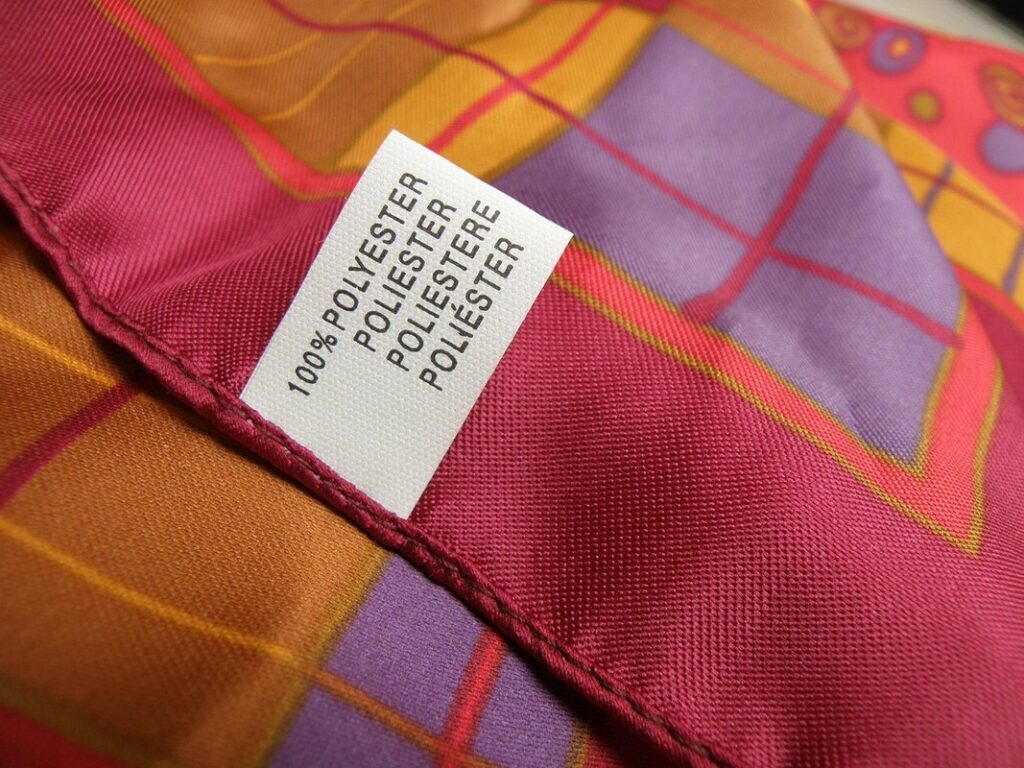
What is Polyester and How is it Made?
Let’s take a closer look at how polyester is created, from its raw materials to its final production process, so we can better understand its potential risks. This involves exploring the chemistry behind polyester manufacturing.
Formation of Polyester
Polyester is produced through a chemical process involving petrochemicals. The first step in creating polyester is to produce two key intermediates: ethylene glycol and terephthalic acid. Ethylene glycol is typically derived from petroleum-based materials, such as crude oil or natural gas liquids. It’s then converted into its raw form through a process of cracking and reforming.
Terephthalic acid (TPA) is produced from paraxylene, another petrochemical derived from crude oil or natural gas liquids. The production of TPA involves an oxidation reaction with sulfuric acid. Both ethylene glycol and TPA are essential for the synthesis of polyester. These intermediates undergo a condensation reaction to form polyethylene terephthalate (PET), which is then further processed into various types of polyester fibers, films, or other materials.
The use of petrochemicals in polyester production has raised concerns about potential toxicity and environmental impact. However, some manufacturers are exploring alternative methods for producing these intermediates from renewable resources or waste materials.
Common Applications of Polyester
Polyester is a versatile synthetic material used across various industries due to its durability, wrinkle resistance, and ease of maintenance. In textiles, polyester is often blended with natural fibers like cotton or wool to enhance their strength and stability. Clothing manufacturers commonly use polyester for activewear, as it provides moisture-wicking properties and quick drying capabilities.
In the upholstery industry, polyester is used to create stain-resistant and easy-to-clean furniture fabrics. Its resistance to wrinkles and fading also makes it an attractive option for outdoor gear such as tents, sleeping bags, and backpacks. Additionally, polyester is used in industrial applications like tire reinforcement and safety equipment due to its high tensile strength.
Some notable examples of products that incorporate polyester include popular clothing brands’ activewear lines, car seat covers, and outdoor furniture sets. When shopping for these items, look for labels indicating the percentage of polyester content. Keep in mind that while polyester offers many benefits, its production and disposal can have environmental and health implications, which are discussed in subsequent sections.
Health Risks Associated with Polyester Exposure
Exposure to polyester has been linked to several health concerns, including skin irritation and respiratory problems. We’ll explore these potential risks in more detail below.
Microplastics and Polyester Clothing
Microplastics from polyester clothing can enter our environment through washing. When synthetic fabrics like polyester are washed, they release tiny plastic fibers called microplastics. These microplastics can then contaminate waterways and harm aquatic life. Research suggests that people also ingest these microplastics when they eat seafood or drink tap water containing high levels of microplastic pollution.
A study found that washing a single polyester garment releases up to 1,900 fibers into the water. To put this into perspective, if you wear polyester clothes every day, you could be shedding thousands of microplastics per week. This can have severe consequences for human health and the environment. For example, microplastics have been linked to changes in marine ecosystems and even ingestion by humans.
To reduce the impact of polyester clothing on our environment, consider switching to natural fibers or buying second-hand clothes made from sustainable materials. You can also use a washing bag designed specifically to catch microplastics during wash cycles. This simple step can help minimize your contribution to the growing problem of plastic pollution in our oceans and waterways.
Chemicals Used in Polyester Production
Polyester production involves a range of chemicals, some of which have raised health concerns. BPA (Bisphenol A) and phthalates are two such chemicals commonly used in polyester manufacturing. BPA is an endocrine disruptor that can mimic the effects of estrogen in the body, potentially leading to reproductive issues and hormonal imbalances. Phthalates, meanwhile, are linked to birth defects and developmental problems.
Other chemicals like antimony, a flame retardant, have also been detected in polyester fabrics. Exposure to these toxins can occur through skin contact or inhalation during manufacturing, and continued use of contaminated products over time. To minimize exposure, look for clothing with labels indicating the absence of BPA and phthalates. Some manufacturers are opting for alternative production methods that eliminate the need for these chemicals.
Not all polyester is created equal – some types like PBT (polybutylene terephthalate) are more likely to contain toxic additives than others. Polyester blends, often used in clothing, may also hide hazardous chemicals behind vague labeling. To make informed choices, research manufacturers and their production processes, or opt for natural fibers altogether.
Environmental Impact of Polyester Production
Polyester production has a significant environmental footprint, from resource extraction to waste management. We’ll examine the key contributors to polyester’s impact on our planet in this section.
Carbon Footprint and Greenhouse Gas Emissions
Polyester production is a significant contributor to greenhouse gas emissions. The primary source of these emissions comes from the synthesis process, which requires large amounts of energy to produce the raw materials. Most polyester is made from petroleum-based chemicals such as PTA (purified terephthalic acid) and PET (polyethylene terephthalate). These chemicals are typically produced using non-renewable sources of energy, resulting in significant emissions.
The production process itself releases an estimated 1.4 kilograms of CO2 equivalent per kilogram of polyester produced. This number can vary depending on the location and specific manufacturing methods used. For context, this is roughly equivalent to the emissions from burning a small amount of gasoline or driving a car for several miles.
To put these numbers into perspective, consider that global polyester production has grown exponentially over the past few decades, resulting in substantial increases in greenhouse gas emissions.
Polyester Waste and Disposal Issues
Polyester waste accumulates at an alarming rate, contributing significantly to pollution in landfills and oceans. When polyester clothing reaches its end of life, it often ends up in landfills where it can take hundreds of years to decompose. In contrast, polyester fibers that escape the waste stream through washing machines enter our waterways, becoming microplastics that contaminate aquatic ecosystems.
According to estimates, a single garment made from synthetic fabrics like polyester can release up to 1,000 plastic particles per wash cycle. These tiny particles are ingested by marine life, working their way up the food chain and potentially harming humans who consume seafood. The problem is further exacerbated by inadequate waste management systems in many countries.
To mitigate this issue, consider choosing clothing made from natural fibers like cotton or linen, which biodegrade more easily. When shopping for synthetic fabrics, look for products labeled as “recycled polyester” – these are created from post-consumer plastic waste and can reduce the need for virgin materials. By making informed choices about the clothes we wear and how we care for them, we can help minimize the environmental impact of polyester waste.
Alternatives to Polyester: Sustainable Options
If you’re looking for alternatives to polyester, we’ve got you covered. From natural fibers like cotton and linen to innovative synthetic options, there are many sustainable choices available.
Natural Fibers and Biodegradable Materials
Natural fibers such as cotton, linen, and hemp offer a promising alternative to polyester. These plant-based materials are biodegradable, non-toxic, and require less water and pesticides compared to traditional farming methods. Cotton, for instance, is a popular choice due to its softness and durability. Linen, on the other hand, boasts excellent breathability and cooling properties, making it ideal for warm-weather clothing.
In addition to natural fibers, biodegradable materials like PLA (polylactic acid) and PBAT (polybutylene adipate-co-butylene terephthalate) are gaining traction. These plastics are derived from renewable resources such as corn starch or sugarcane and can be easily composted at the end of their life cycle. However, it’s essential to note that not all bioplastics are created equal, and some may still have environmental drawbacks.
When shopping for natural fibers and biodegradable materials, look for certifications like GOTS (Global Organic Textile Standard) or Oeko-Tex, which ensure compliance with rigorous sustainability standards. Some brands also offer recycling programs or take-back initiatives, which can help reduce waste and promote a more circular economy. By choosing these sustainable options, consumers can minimize their exposure to toxic chemicals and contribute to a healthier environment.
Upcycling and Repurposing Polyester Products
Upcycling and repurposing polyester products is a creative way to reduce waste and promote sustainability. Before considering new materials, breathe new life into existing ones. For example, old polyester clothing can be turned into cleaning rags or quilts. Alternatively, upcycle polyester bags into planters or storage containers.
Polyester fabrics can also be transformed into reusable items like produce bags, snack wraps, or even a picnic blanket. Get creative with the design and add a personal touch. Some DIY enthusiasts turn old polyester sweaters into hats, scarves, or other accessories.
To repurpose polyester products, consider the following steps:
- Assess what you have: Look through your closet or storage for items that can be repurposed.
- Clean and prepare: Wash and dry the item before giving it a new life.
- Get creative: Think outside the box and come up with unique ideas to reuse or recycle the polyester product.
By giving old polyester products a second chance, you not only reduce waste but also contribute to a more sustainable lifestyle. This approach encourages innovation and reduces the demand for new, potentially toxic materials.
Regulations and Certifications for Sustainable Polyester
To ensure you’re making informed choices, let’s take a closer look at the regulations and certifications that support sustainable polyester production methods. We’ll explore key standards like Oeko-Tex and Bluesign.
GOTS and Oeko-Tex Certification
GOTS and Oeko-Tex certification are crucial third-party verifications for sustainable and safe polyester production. These certifications ensure that manufacturers meet rigorous standards for environmental sustainability and human health safety. GOTS (Global Organic Textile Standard) certification, for instance, requires the use of organic fibers, environmentally friendly dyes, and strict wastewater treatment practices.
Oeko-Tex certification takes a broader approach, covering not only the raw materials but also the production process itself. Oeko-Tex certified textiles must meet stringent limits for chemical emissions, ensuring that consumers are protected from potential health risks associated with polyester exposure.
To identify GOTS or Oeko-Tex certified products, look for the respective labels on clothing and textile labels. These certifications can be a deciding factor when shopping for sustainable and non-toxic polyester products. Be aware that some manufacturers may claim compliance without displaying these labels, so always research the brand’s sustainability policies and practices.
When choosing between GOTS and Oeko-Tex certified products, consider the specific standards each certification addresses: GOTS focuses on organic fibers and environmentally friendly processes, while Oeko-Tex emphasizes chemical safety.
Industry Initiatives and Policy Changes
Government agencies and industry leaders have started to take steps towards reducing the environmental impact of polyester production. In 2020, the European Union introduced a ban on microplastics in cosmetics, which includes exfoliating products containing synthetic fibers like polyester. This move aims to reduce the amount of microplastics released into waterways through washing clothes.
The Global Fashion Agenda, a non-profit organization, has launched the “Fashion Pact” initiative, bringing together industry leaders to address climate change, biodiversity loss, and pollution. Companies like H&M and Patagonia have pledged to use 100% recycled polyester by 2025. The Ellen MacArthur Foundation also promotes circular business models for textiles, encouraging companies to design out waste and pollution.
Regulators are starting to implement standards for sustainable polyester production. For instance, the European Union’s Ecodesign Directive sets minimum requirements for the environmental performance of textile products. Industry certifications like GOTS (Global Organic Textile Standard) and Oeko-Tex ensure that clothing meets certain safety and sustainability criteria. As consumers become more aware of polyester’s impact, these initiatives may drive further change in the industry.
Frequently Asked Questions
What if I already own polyester clothing? Can I still switch to sustainable alternatives?
You can definitely start making the transition by incorporating sustainable options into your wardrobe. Begin with replacing items that show signs of wear and tear, or those that no longer fit well. Consider upcycling or repurposing old polyester products before discarding them. This approach will help reduce waste and make a positive impact on the environment.
Can I find GOTS-certified polyester fabrics for DIY projects?
Yes. Many online retailers now offer GOTS-certified polyester fabrics, making it easier to source sustainable materials for your crafting needs. Be sure to check the certification label and look for products that specifically mention “GOTS-certified” or “eco-friendly.”
How can I know if a specific brand is genuinely committed to sustainability?
Look for brands that publicly disclose their environmental policies and practices. Check their websites, social media, and sustainability reports to see how they address concerns like microplastic shedding, chemical usage, and waste management. A genuine commitment to sustainability will be reflected in their actions, not just marketing claims.
Can I still use my old polyester clothing if it’s been certified by Oeko-Tex?
While Oeko-Tex certification indicates that a product meets certain safety standards, it doesn’t necessarily address environmental concerns like microplastic shedding or chemical pollutants. To minimize your exposure to potential health risks, consider replacing older polyester items with newer, more sustainable alternatives.
What if I’m on a tight budget? Are there any affordable sustainable polyester options?
Affordability shouldn’t be an obstacle to sustainability. Consider shopping second-hand stores for gently used clothing made from natural fibers or recycled materials. You can also look into purchasing second-generation recycled polyester fabrics, which are often priced competitively with traditional polyester alternatives.

