
Lettering shadow techniques can elevate typography in designs from simple to stunning. A subtle shadow can make all the difference, adding depth and dimension to your letters, while an overdone one can quickly become distracting. Effective use of shadows requires a delicate balance between subtlety and impact. Whether you’re a beginner or an experienced designer, mastering lettering shadow techniques is essential for creating visually appealing typography that communicates effectively.
In this article, we’ll explore the basics of lettering shadowing, from simple gradient techniques to advanced methods using textures and layer blending modes. You’ll learn how to create realistic shadows that enhance your designs without overpowering them. We’ll cover various techniques for adding depth and dimensionality to your letters, as well as tips for balancing light and dark values to achieve the perfect level of contrast. By the end of this article, you’ll be able to add professional-looking lettering shadow effects to your designs with ease.
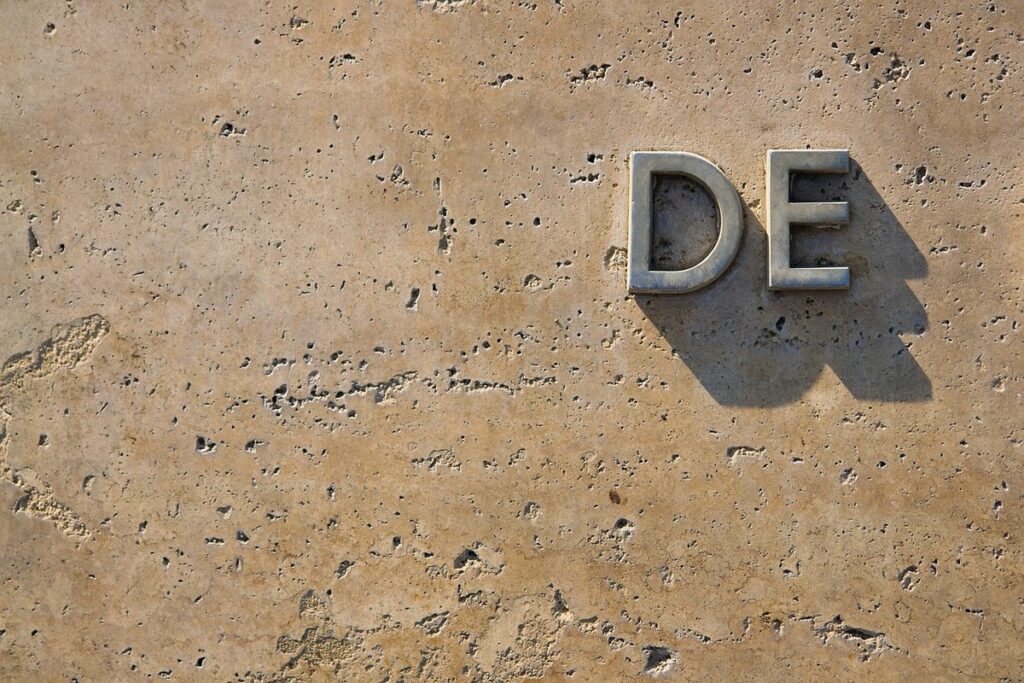
Understanding Lettering Shadowing Basics
Mastering lettering shadowing requires a solid foundation in understanding how shadows interact with letters, including shape and value contrast. Let’s start by breaking down these fundamental concepts together.
What is Lettering Shadowing?
Lettering shadowing is a typography technique that adds depth and dimension to text by creating a subtle shadow effect around letterforms. This visual nuance enhances readability and creates a more engaging aesthetic. The primary purpose of lettering shadowing is to create a sense of hierarchy, directing the viewer’s attention towards key elements on a page or screen.
Effective lettering shadowing can elevate typography from mere decoration to an integral part of the design. By carefully balancing light and dark areas, designers can create visual interest without overwhelming the text itself. This technique is particularly useful in digital design, where it can help guide the viewer’s eye through complex information hierarchies.
A well-executed lettering shadow can also contribute to a brand’s identity by establishing a consistent visual language across different designs. For instance, a specific color palette and shadow style used consistently can create a strong recognition factor, making it easier for customers to identify a particular brand.
Types of Lettering Shadowing Styles
Lettering shadowing styles can greatly impact the overall aesthetic and readability of a design. Among the various techniques available, three common types stand out: drop shadows, inner shadows, and gradient shadows.
Drop shadows create a sense of depth by placing a darker version of the text behind it. This style is often used to give the impression that the text is raised above the surface. Inner shadows, on the other hand, simulate the way light would interact with the letters from within. This technique can add a sense of tactility and visual interest.
Gradient shadows blend colors to create a more nuanced shadow effect. This style can be especially useful for creating a cohesive look across different design elements. For example, using gradient shadows in conjunction with other typography elements like italic or bold text can enhance the overall message and mood of the design.
To effectively use these styles, consider the context and purpose of your design. Drop shadows work well for creating contrast and visual hierarchy, while inner shadows add a tactile feel to the text. Gradient shadows are ideal for achieving a cohesive look across different elements.
Common Mistakes to Avoid in Lettering Shadowing
When creating lettering shadows, it’s easy to fall into common pitfalls that detract from the overall design. One mistake is using inconsistent line weights throughout the shadowed text. This can create a jarring visual effect and undermine the cohesion of the design. To avoid this, try using a consistent line weight or varying it in a deliberate way to create contrast.
Another error is failing to balance light and dark areas within the lettering shadow. This can lead to an unappealing “washed out” appearance or overwhelming darkness. To achieve balance, consider dividing your text into sections with lighter and darker elements, ensuring that neither area overpowers the other.
A further mistake is neglecting to pay attention to negative space around the lettering shadows. When not enough breathing room exists between the shadowed text and surrounding elements, it can look cluttered and overwhelming. Conversely, too much empty space can make the design appear sparse or unengaging. Strike a balance by adjusting the spacing between elements according to your design’s specific needs.
In terms of specific line work, avoid using thin lines for lettering shadows as they may disappear when placed over complex backgrounds. Instead, opt for thicker lines that will remain visible regardless of the background texture.
Creating Custom Lettering Shadows
To add depth and personality to your custom lettering, let’s explore how to create unique shadows that enhance the overall design. We’ll dive into techniques for crafting one-of-a-kind shadow effects.
Choosing the Right Font for Lettering Shadowing
When selecting a font for lettering shadowing, it’s essential to consider the style, size, and weight of the typeface. A font with a bold or condensed style can create deep, dramatic shadows that add visual interest to text. Conversely, delicate fonts may require more subtle shadowing techniques to avoid overpowering the original letterform.
For best results, choose a font with a clear distinction between light and dark areas. Avoid using fonts with excessive serifs or ornaments, as these can cause shadows to become cluttered and difficult to read. Consider the size of the text as well – larger fonts can support bolder shadows, while smaller fonts may require more delicate treatment.
When working with sans-serif fonts, you can often achieve striking results by pairing a bold weight with a subtle shadow. In contrast, serif fonts can benefit from more dramatic shadowing, especially when used in titles or headlines. Ultimately, the right font choice will depend on your design’s specific requirements and aesthetic goals.
Designing Effective Lettering Shadow Combinations
When combining different lettering styles with shadows, it’s essential to consider the overall aesthetic you want to achieve. A successful combination balances contrast and harmony. Typically, bold lettering styles work well with subtle shadow effects, while delicate fonts pair nicely with more pronounced shadows. To create visually appealing designs, experiment with mixing serif and sans-serif fonts, as well as different font weights.
For instance, pairing a thin serif font with a medium-weight sans-serif font can add depth and interest to your design. Conversely, using two bold fonts may result in an overwhelming visual effect. Consider the mood or atmosphere you want to convey: for example, a soft, rounded font might be suitable for a children’s book, while a more dramatic, Gothic-inspired font could work well for a horror novel.
When combining multiple lettering styles with shadows, also think about color theory principles. For example, using analogous colors (next to each other on the color wheel) can create a cohesive look, while complementary colors (opposite each other on the color wheel) can add visual interest. A small palette of 2-3 main colors can help maintain consistency throughout your design.
Using Color Theory in Lettering Shadowing
When working on a custom lettering shadow design, it’s essential to consider the role of color theory. This involves selecting colors that create visual harmony and depth, rather than clashing with each other. Start by choosing a dominant color for your main text or primary element. Then, select a secondary color for the shadows that complements this hue.
In general, warm colors like orange, red, and yellow work well together when paired with cool colors such as blue, green, and purple. However, it’s also possible to create effective designs using analogous colors – those next to each other on the color wheel – or triadic colors, which form equilateral triangles on the color wheel.
To apply these principles in practice, consider the 60-30-10 rule: use your dominant color for 60% of the design, secondary color for 30%, and an accent color (like a deep blue) for just 10%. This balance will help create visual interest without overwhelming the viewer.
Advanced Techniques in Lettering Shadowing
Now that you’ve mastered the basics, it’s time to take your lettering shadowing skills to the next level by exploring more complex techniques and strategies. We’ll cover nuanced methods for achieving realistic depth and dimension in your work.
Creating Realistic Shadows using Layer Blending Modes
To create realistic shadows using layer blending modes, you need to understand how different modes interact with each other. Multiply (Normal) and Linear Burn blending modes are often used for creating deep, rich shadows. The Multiply mode darkens the base image while preserving its details, resulting in a more natural shadow effect. In contrast, Linear Burn creates a softer, more subtle shadow by lightening the base image.
When using layer blending modes for realistic shadows, consider the characteristics of your design. For example, if you’re working with a bold font, Multiply mode may enhance the overall darkness and create an even deeper shadow. However, if you prefer a lighter, more atmospheric effect, Linear Burn might be a better choice. Experimenting with different blending modes will help you achieve the desired level of realism in your shadows.
Keep in mind that layer blending modes can also be combined to produce unique effects. Try pairing Multiply mode with another mode, like Divide or Overlay, to create a more complex shadow effect. By understanding how layer blending modes work and experimenting with their combinations, you can take your lettering shadowing skills to the next level.
Adding Texture and Depth to Lettering Shadows
When it comes to adding texture and depth to lettering shadows, you can experiment with subtle gradients. A gentle gradient of light to dark can create a sense of dimensionality without overwhelming the text. For example, a gradient that transitions from a soft gray at the top to a deeper charcoal at the bottom can give your lettering shadows a more realistic appearance.
You can also incorporate textures into your lettering shadows by using pattern overlays or brushes. A simple texture like a subtle wood grain or a faint linen weave can add visual interest and depth without overpowering the text. Alternatively, you can use a texture that complements the design’s overall aesthetic – for instance, pairing a bold geometric pattern with a crisp, sans-serif font.
To integrate textures effectively, start by selecting a texture that resonates with your design’s tone and style. Then, apply it as an overlay or layer on top of your lettering shadows, adjusting the opacity to achieve the desired balance between texture and text legibility. Experiment with different combinations to find the perfect blend of texture and shadow depth for your design.
Mastering Gradient Shadows in Lettering
Mastering Gradient Shadows in lettering requires a deep understanding of color theory and control over gradient tools. To create realistic shadows using gradients, you need to balance light and dark values. A good starting point is to understand that the key areas where gradients are used in lettering shadowing include adding depth, creating dimensionality, and capturing subtle nuances.
When working with gradients, it’s essential to experiment with different colors and settings to achieve the desired effect. The goal is not only to replicate real-world shading but also to create a visually appealing contrast that enhances the text’s impact. A common mistake in gradient shadowing is overusing the same gradient across multiple letters, which can make the design look monotonous.
Instead, consider varying the direction and intensity of gradients for different characters or even within a single letterform. Experiment with different types of gradients, such as linear, radial, and mesh, to achieve unique effects. Consider starting with simpler shapes, like circles or rectangles, before applying gradient shadows to more complex letterforms.
Best Practices for Using Lettering Shadowing in Design
Effective lettering shadowing requires a delicate balance of contrast and subtlety, which can be achieved by following some key best practices that we’ll explore next.
Balancing Lettering Shadows with Text Content
When adding lettering shadows to a design, it’s essential to strike a balance between creating depth and visual interest without overpowering the text content. A good rule of thumb is to use lighter shadows for body text and reserve darker shadows for headings or titles.
Consider the contrast ratio between your text and shadow: if the shadow is too dark, it will obscure the text, making it difficult to read. Conversely, if the shadow is too light, it may blend in with the background, losing its effect. A general guideline is to use a maximum contrast ratio of 4.5:1 for normal text and 7:1 for headings.
To ensure your lettering shadows don’t overwhelm the text content, also consider the size and spacing of your design elements. Leave sufficient negative space between text blocks and surrounding elements to prevent visual clutter. You can also experiment with different shadow styles, such as drop shadows or inner shadows, to achieve a more subtle effect without sacrificing depth.
Maintaining Consistency in Lettering Shadowing Across Designs
To maintain consistency in lettering shadowing across different designs, establish a clear style guide. This involves defining key elements such as shadow size, color, and placement. A consistent approach to these factors will create visual cohesion throughout your brand’s materials.
Determine the maximum and minimum shadow sizes for text, ensuring they complement the font type and intended use. For instance, smaller shadows can work well with delicate script fonts in digital designs, while larger shadows may be more suitable for print materials or bold display fonts.
Use a limited color palette to ensure harmony across various designs. Select 2-3 core colors that reflect your brand identity, and reserve them exclusively for lettering shadowing. This approach will prevent visual dissonance caused by an overabundance of colors.
Consider creating a set of pre-designed lettering shadow templates or swatches to facilitate quick implementation in future projects. By setting up these foundational elements, you’ll streamline the design process and maintain consistency across designs.
Using Lettering Shadowing to Enhance Brand Identity
When designing a brand’s visual identity, lettering shadowing can be a powerful tool for creating a cohesive look and feel. By applying consistent lettering shadow styles across various design elements, you can establish a strong brand personality that resonates with your target audience.
One way to achieve this consistency is by using a limited color palette and sticking to a few carefully chosen font families. For instance, if you’re designing for a luxury fashion brand, you might opt for elegant serif fonts paired with deep, rich shadows in metallic colors like gold or silver. In contrast, a tech startup might prefer clean sans-serif fonts with bold, high-contrast shadows.
To further enhance your brand’s identity through lettering shadowing, consider the following:
- Develop a signature shadow style that becomes instantly recognizable across all design channels.
- Experiment with custom illustrations and graphics that incorporate lettering shadowing to add visual interest and depth.
- Ensure consistency in shadow size, color, and placement throughout your designs, even when using different typography elements.
Common Applications of Lettering Shadowing
Lettering shadowing is a versatile technique that can be applied to various design projects, from branding and logos to packaging and posters. We’ll explore some of its most common applications in this section.
Using Lettering Shadowing in Digital Design
When applied to digital design, lettering shadowing can elevate web pages, mobile apps, and UI/UX elements from basic typography to visually striking and engaging graphics. In web design, lettering shadows can add depth and dimensionality to headings and titles, making them stand out against the background. A well-crafted lettering shadow can also draw attention to specific areas of a webpage, guiding users through complex information.
For mobile apps, lettering shadowing is particularly effective in creating a cohesive brand identity. By applying consistent design elements across multiple screens, designers can create an immersive user experience that fosters trust and loyalty with the app’s audience. In UI/UX design, lettering shadowing can be used to highlight interactive elements, such as buttons or links, making them more intuitive and accessible.
To effectively use lettering shadowing in digital design, consider the following principles:
- Balance shadows with sufficient contrast to ensure legibility
- Limit the number of shadows per element to avoid visual clutter
- Choose a font that complements the shadow’s style and tone
Incorporating Lettering Shadowing into Print Design
When applying lettering shadowing to print media like posters, flyers, and business cards, consider the tactile nature of these materials. Lettering shadows can add depth and dimensionality, making them perfect for applications where texture and visual interest are crucial. For instance, a flyer promoting a music concert might feature bold, expressive lettering with thick, high-contrast shadows that evoke the energy of live performance.
In print design, lettering shadowing can also be used to create a sense of hierarchy and visual flow. By applying different styles or sizes of shadows, you can draw attention to key elements like headlines or calls-to-action. For example, using a subtle gradient shadow on a background element can help it recede while maintaining focus on the main text.
To incorporate lettering shadowing effectively into print design, experiment with various combinations of font choices and shadow styles. Consider pairing bold fonts with light shadows for contrast or vice versa to create visual interest. By balancing shadowed text with clear, readable typography, you can achieve a professional, eye-catching look that grabs the reader’s attention.
Integrating Lettering Shadowing with Other Typography Elements
When integrating lettering shadowing with other typography elements, consider the overall visual hierarchy of your design. Lettering shadows can be used to draw attention to specific text elements, such as titles or subtitles, while also creating a cohesive look throughout the design.
To achieve this balance, experiment with varying the size and opacity of lettering shadows across different text elements. For instance, use a bold, dark shadow for headlines to create visual interest, while applying lighter, more subtle shadows to supporting text.
You can also use color theory to harmonize lettering shadows with surrounding typography. Try matching the tone or hue of your primary font to the shadow’s color, creating an organic and cohesive look.
In addition, think about the texture and style of your background elements when combining them with lettering shadows. For example, a smooth background might clash with a more textured shadow effect, while a busy background could be balanced by a simpler, more delicate shadow design.
By carefully considering these factors, you can create visually appealing designs that effectively integrate lettering shadowing with other typography elements.
Frequently Asked Questions
How to Apply Lettering Shadow Techniques to Existing Designs
Applying lettering shadow techniques to existing designs can be challenging, especially when the text content is already final. Start by isolating the text layer and experimenting with different shadow styles and settings. You can also try duplicating the text layer and adjusting the shadow on the duplicate for a non-destructive approach.
Can I Use Lettering Shadowing in Low-Resolution Designs?
Yes, you can use lettering shadowing in low-resolution designs, but it’s essential to balance the level of detail with the resolution. A good rule of thumb is to simplify your design and focus on bold lines and basic shapes, as intricate details may get lost in low-resolution formats.
How to Create Custom Lettering Shadow Brushes
Creating custom lettering shadow brushes can be a time-consuming process, but it’s worth the effort for unique designs. Start by experimenting with different brush settings and layer blending modes, then save your favorite combinations as custom brushes for future use.
What if My Design Looks Cluttered with Too Many Shadows?
No, too many shadows are not always necessary or effective. Consider the core message of your design and focus on creating a clear hierarchy of elements. Use shadows to draw attention to key points rather than overwhelming the viewer with multiple shadow layers.
Can I Apply Lettering Shadow Techniques to Hand-Drawn Typography?
Yes, you can apply lettering shadow techniques to hand-drawn typography, but it may require more experimentation and trial-and-error due to the unique characteristics of each brush stroke. Experiment with different layer blending modes and texture overlays to achieve the desired effect.

