
Imagine kneading dough by hand, surrounded by the rustic atmosphere of a medieval kitchen. The aroma of freshly baked bread wafts through the air as you carefully shape the loaf into its signature form. Medieval bread making was an art form, with techniques and ingredients passed down through generations to create authentic ancient loaves. To recreate these traditional recipes, it’s essential to understand the historical context and nuances involved in medieval bread making. This article will guide you through the step-by-step process of creating medieval-style bread, from selecting the right ingredients to mastering traditional techniques. We’ll delve into the historical insights that make this artisanal craft so unique, allowing you to create loaves that transport you back in time.
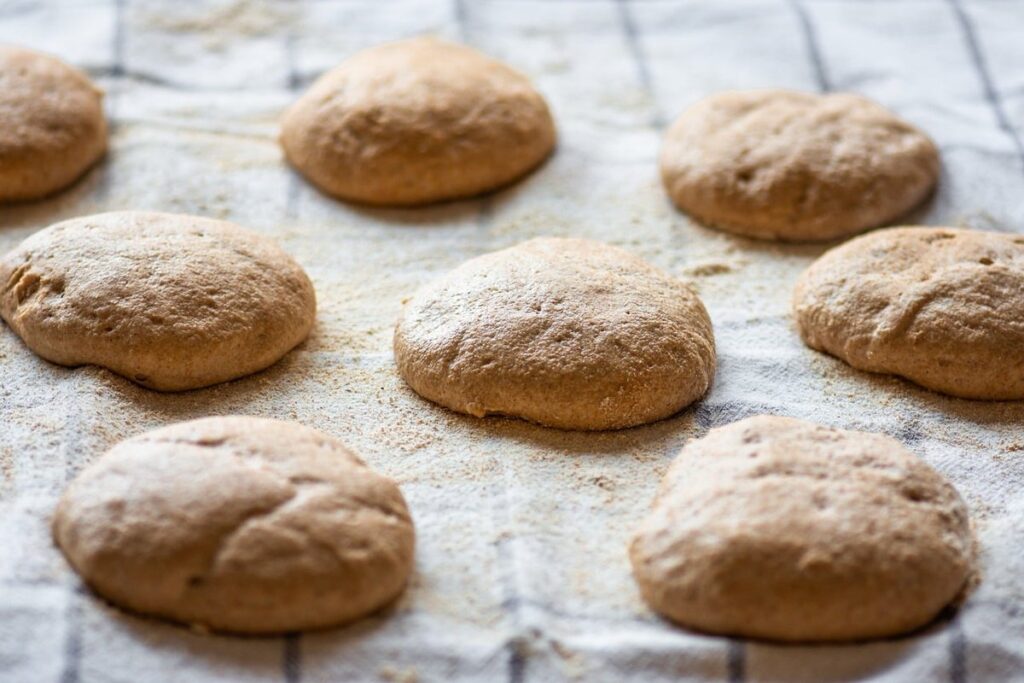
Understanding Medieval Bread Ingredients
Medieval bakers used a variety of ingredients, including emmer wheat, barley, and rye, which gave bread its distinct flavor and texture. Let’s take a closer look at these key ingredients.
Grains of the Past: Wheat Varieties Used in Medieval Times
During medieval times, three main types of wheat were used for bread making: spelt, emmer, and einkorn. These ancient grains not only provided sustenance but also held unique nutritional benefits that are worth exploring.
Spelt, with its distinctive nutty flavor, was particularly prized for its high protein content and robust texture. It contained more gluten than modern wheat, making it easier to work with in bread dough. However, spelt was often reserved for special occasions or used as a supplement due to its higher cost.
Emmer, on the other hand, had a slightly lower protein content but was prized for its ease of digestion and versatility. Its milder flavor made it suitable for everyday bread making, and it remained a staple in many medieval households.
Einkorn, with its delicate flavor and soft texture, was often used to create finer breads and pastries. It contained less gluten than spelt or emmer but was still considered a high-quality ingredient due to its ease of milling and baking properties.
In contrast to modern wheat, these ancient grains have been largely replaced by hybrid varieties that prioritize yield over nutritional content. Modern bakers seeking authenticity in their medieval bread recipes may need to seek out specialty stores or online suppliers for these heritage grains.
The Role of Yeast in Medieval Bread Making
Medieval bakers relied on wild yeast and natural fermentation to leaven their bread. Wild yeast is present on grains, particularly those exposed to the outdoors during harvest and storage. This yeast would naturally colonize the grain’s surfaces, allowing it to ferment sugars during storage.
To cultivate this natural yeast, medieval bakers often stored grains in a way that encouraged its growth. Grains were typically kept in dry, cool conditions with some airflow to prevent mold and mildew from developing. Bakers would also regularly turn and aerate the grains to ensure even exposure to oxygen.
Fermentation played a crucial role in bread production during this time. As wild yeast fermented sugars, it produced carbon dioxide gas bubbles that gave bread its characteristic rise. This process could take anywhere from a few hours to several days, depending on factors like temperature, moisture, and the type of grain used.
To harness these natural fermentation processes, bakers would often use techniques such as ‘sponge and dough’ or ‘biga,’ where a small portion of fermented dough was set aside to become the leavening agent in subsequent batches. This approach allowed for consistent flavor profiles and helped to prevent spoilage due to over-fermentation.
Medieval Bread-Making Techniques
Medieval bread-making techniques often involved labor-intensive processes, such as hand-mixing and kneading dough using stone mortars. Let’s take a closer look at these traditional methods.
Hand-Sifting and Kneading: Traditional Methods for Developing Dough Strength
Developing dough strength was a crucial step in medieval bread making. To achieve this, bakers relied on traditional techniques such as hand-sifting and kneading. Hand-sifting involved pouring flour into a fine-mesh sieve or a piece of cheesecloth and gently shaking it to remove any lumps or debris. This process helped to aerate the flour and break down any clumps, resulting in a smoother, more even consistency.
Kneading was another essential step in developing dough strength. Medieval bakers used a combination of push-down, fold-over, and pull motions to work the dough, using their hands or a wooden kneading board. This process helped to develop the gluten network in the dough, giving it elasticity and structure. Bakers typically kneaded for around 10-15 minutes, until the dough became smooth and shiny.
It’s worth noting that medieval bakers often used a specific type of kneading called “stretch-and-fold,” where they would stretch the dough out to a certain length and then fold it back onto itself several times. This helped to create a more even distribution of yeast and developed the dough’s gluten structure further.
Using a Treadle or Mortar and Pestle for Grinding Grains
Using a manual grinding tool like a treadle or mortar and pestle to grind grains is a traditional method still worth exploring today. While it’s time-consuming compared to electric grinders, it offers some advantages: the ability to produce a consistent coarseness, and a more intimate connection with the ingredients.
A mortar and pestle allows for a high degree of control over the grinding process. You can adjust the angle and pressure to achieve the desired texture. For example, to make a coarse whole-grain flour, you’d use a slower, more deliberate motion; for finer flours, it’s faster and more vigorous. The resulting flour may not be as fine or consistent as that produced by an electric grinder, but it has a unique character.
One consideration is the labor involved: grinding grains manually can take several hours to produce enough flour for a single loaf. This approach requires patience and a willingness to invest time in the process. If you’re new to manual grinding tools, start with small batches to develop your technique and build up speed and efficiency. Keep in mind that using a treadle or mortar and pestle can be more physically demanding than other methods, so be sure to take regular breaks to avoid fatigue.
Medieval Bread Recipes and Their Significance
Medieval bread recipes varied across regions, reflecting local ingredients and culinary traditions. We’ll explore three authentic medieval bread recipes from different parts of Europe.
The Classic “Panis Quadratus” Recipe from 14th-Century England
The Panis Quadratus recipe from 14th-century England is a testament to the resourcefulness and creativity of medieval bakers. This bread recipe was likely used by monks and nuns in monasteries, who had access to limited ingredients but still managed to produce delicious and nutritious bread.
To make Panis Quadratus, you will need:
- 2 pounds of coarse wheat flour
- 1/4 teaspoon of salt
- 1/4 teaspoon of yeast (likely a wild yeast or a type of fungus)
- 1 cup of water
The recipe calls for mixing the dry ingredients together before adding the water. The dough is then kneaded by hand until it becomes smooth and elastic. The bread is baked in a hot oven, likely using a wood-fired hearth.
Historical records indicate that Panis Quadratus was often served at special occasions, such as feasts and festivals. Its dense texture and slightly sweet flavor made it a popular choice for these events. When attempting to recreate this recipe, keep in mind the type of flour used during medieval times – coarse wheat flour with a coarser texture than modern all-purpose flour.
Other Notable Medieval Bread Recipes: A Brief Overview
Medieval bread recipes varied across regions and time periods. In 14th-century Italy, a recipe for “Pan di Spagna” was documented, characterized by its use of olive oil and aniseed. This sweet bread was likely served as a dessert or snack. Meanwhile, in medieval Scandinavia, a recipe called “Kransekake” emerged, featuring layers of almond meringue and fruit preserves.
In 15th-century Germany, the “Schwarzbrot” recipe gained popularity, utilizing rye flour and often including ingredients like caraway seeds and coriander. This dense, dark bread was prized for its longevity and ability to be stored for extended periods.
Other notable recipes include the ” Pain d’épices” from medieval France, which incorporated spices like cinnamon and ginger into a sweet bread, and the “Panettone” of Italy, a rich, raisin-studded bread typically served during Christmas festivities.
Understanding these diverse bread-making traditions can provide valuable insights for modern bakers looking to recreate authentic medieval recipes. By examining the unique characteristics and ingredients used in each recipe, bakers can adapt and refine their own techniques to better capture the essence of these historical breads.
The Role of Baking and Cooking in Medieval Life
Bread was a staple food in medieval life, often served at every meal to provide sustenance for busy families. We’ll explore its importance in their daily routines.
Traditional Wood-Fired Ovens and Their Advantages for Medieval Bakers
Wood-fired ovens were a staple in medieval times, providing a reliable and efficient means of baking bread. Unlike modern electric ovens, which use dry heat to cook food, wood-fired ovens produce both dry and moist heat, resulting in a more complex flavor profile and crust texture. The high temperatures reached by these ovens – often exceeding 500°C (932°F) – allowed for rapid cooking times, ensuring that bread was fresh for consumption.
One significant advantage of using wood-fired ovens is the ability to achieve a well-cooked crust on the outside while maintaining a soft interior. This is particularly challenging with modern electric ovens, which can easily overcook or undercook bread due to their uniform heat distribution. In medieval times, bakers mastered the art of controlling temperature and cooking time to produce perfectly baked loaves.
To replicate this in your own baking, consider investing in a wood-fired oven or experimenting with a domestic version that mimics its effects. Keep in mind that achieving consistent results will require practice and patience, as well as an understanding of how to regulate heat and cooking times.
Seasonal Ingredients and Local Flavors: A Key to Authenticity in Medieval Bread Making
Medieval bakers often incorporated seasonal ingredients and local flavors into their bread recipes to create authentic and flavorful loaves. This approach not only added depth to the final product but also ensured that bread was made with what was readily available and fresh.
In medieval Europe, different regions had distinct flavor profiles due to the availability of locally grown grains, fruits, and herbs. For example, breads from southern France often included olives and olive oil, while those from northern England featured nuts like hazelnuts or walnuts. These regional specialties not only reflected local tastes but also made use of ingredients that were readily available during specific times of the year.
To recreate this authenticity in modern bread making, consider incorporating seasonal ingredients into your recipes. Try using locally sourced grains, fruits, or herbs to create unique flavor profiles. For instance, a springtime recipe might feature fresh mint and chamomile, while an autumnal recipe could include dried cranberries and pumpkin puree. By embracing the diversity of regional flavors, you can add an extra layer of authenticity and depth to your medieval-inspired bread making endeavors.
Challenges and Considerations for Modern Bakers of Medieval Bread
As you work your way through medieval bread recipes, be aware that recreating traditional loaves can present unique challenges, from sourcing ingredients to mastering ancient techniques. These obstacles are essential to address for a successful baking experience.
Adapting to Different Flour Types and Milling Techniques
When working with medieval bread recipes, you’ll often find they specify coarse, stone-ground flours. These flours are difficult to replicate using modern equipment and ingredients. Stone-grinding produces a coarser texture than modern flour milling, which can affect the final crumb structure and overall flavor of the bread.
To adapt these recipes for modern use, consider substituting whole wheat or all-purpose flour with a coarse-textured, artisanal flour. This will help you achieve a similar crumb to the original medieval breads. However, keep in mind that even with the right type of flour, modern milling techniques can still alter the final product.
A good starting point is to use a high-protein, unbleached all-purpose flour or a coarse whole wheat flour. You may need to adjust the liquid content and proofing time to accommodate the different absorption rates of these flours. Experiment with small batches before scaling up your recipe to find the right balance for your specific ingredients.
When substituting flours, it’s also essential to consider the type of milling involved in their production. Stone-grinding, as mentioned earlier, produces a distinct texture and flavor profile compared to modern steel-roller or ball-milled flours.
Health Considerations: How Medieval Bread Making Can Impact Modern Diets
Consuming bread made with ancient grains and traditional methods can provide several nutritional benefits. For instance, bread made from heritage wheat varieties tends to have a lower glycemic index compared to modern wheat breads. This means that it digests more slowly, leading to a gradual increase in blood sugar levels rather than a sudden spike.
However, medieval bread making may not be suitable for individuals with gluten intolerance or sensitivity. Ancient grains like spelt and emmer contain gluten, albeit in different forms and proportions compared to modern wheat. Some people may find these alternative gluten structures tolerable, but others may experience adverse reactions.
To make medieval bread more accessible to those with dietary restrictions, consider using ancient grain flours that are specifically labeled as “gluten-friendly” or “low-gluten.” These products often undergo processing techniques that reduce the gluten content without compromising the nutritional benefits of the ancient grains. When working with these flours, be aware that they may behave differently in terms of texture and rising properties.
Frequently Asked Questions
Can I use modern wheat flour in place of ancient grains without affecting the bread’s authenticity?
Yes, but it will alter the flavor and nutritional profile. Ancient grains like spelt and einkorn have distinct characteristics that contribute to medieval bread’s unique taste and texture. While you can substitute with modern wheat flour, it may not capture the essence of traditional medieval bread.
How do I handle common issues like over-proofing or under-proofing in my medieval bread?
Over-proofing often occurs when yeast ferments too quickly due to warm temperatures or excessive sugar content. Try reducing yeast quantity, adjusting proofing time, or using a slower-acting starter culture. Under-proofing can result from inadequate rising time or low yeast activity; ensure consistent temperature and try longer rising times.
Can I make medieval bread with a stand mixer instead of manual grinding tools?
Yes, but you’ll miss out on the traditional textures and flavors that come from manual processing. Using a stand mixer will yield a more uniform crumb and may produce a bread that tastes closer to modern loaves. If you want an authentic experience, consider investing in or borrowing manual grinding tools.
What if I’m using a wood-fired oven for baking medieval bread – how can I ensure even heating?
Wood-fired ovens often have hotspots, which can affect the final product’s consistency. To achieve even heating, preheat your oven thoroughly and rotate the dough regularly to account for temperature variations within the oven. It may also help to invest in a thermometer to monitor internal temperatures.
How do I incorporate local flavors into my medieval bread without overpowering its traditional taste?
Incorporate local herbs, spices, or fruits thoughtfully to enhance rather than overwhelm the bread’s character. For example, try using fresh rosemary from your garden or adding a hint of locally sourced honey. Experiment with small batches to find the perfect balance between authenticity and regional flair.

