
Summer is finally here, and with it comes the perfect excuse to ditch the couch and get outside. You’ve been cooped up all winter, and now you’re itching for adventure – but where do you start? Whether you’re a beach bum or a mountain goat, there’s no shortage of exciting outdoor activities to enjoy during the warmer months. From lazy days spent soaking up the sun on a secluded beach to more energetic pursuits like hiking through scenic trails, there are countless ways to make the most of your summer.
Planning the perfect outing can be daunting, especially if you’re new to outdoor adventures or have limited time to spare. That’s where we come in – with expert tips on safety, preparation, and fun, you’ll be equipped to tackle even the most daunting activities. By the end of this article, you’ll know exactly how to plan a summer outing that’s tailored to your tastes and abilities, whether you’re a seasoned explorer or just looking for a relaxing afternoon in nature.
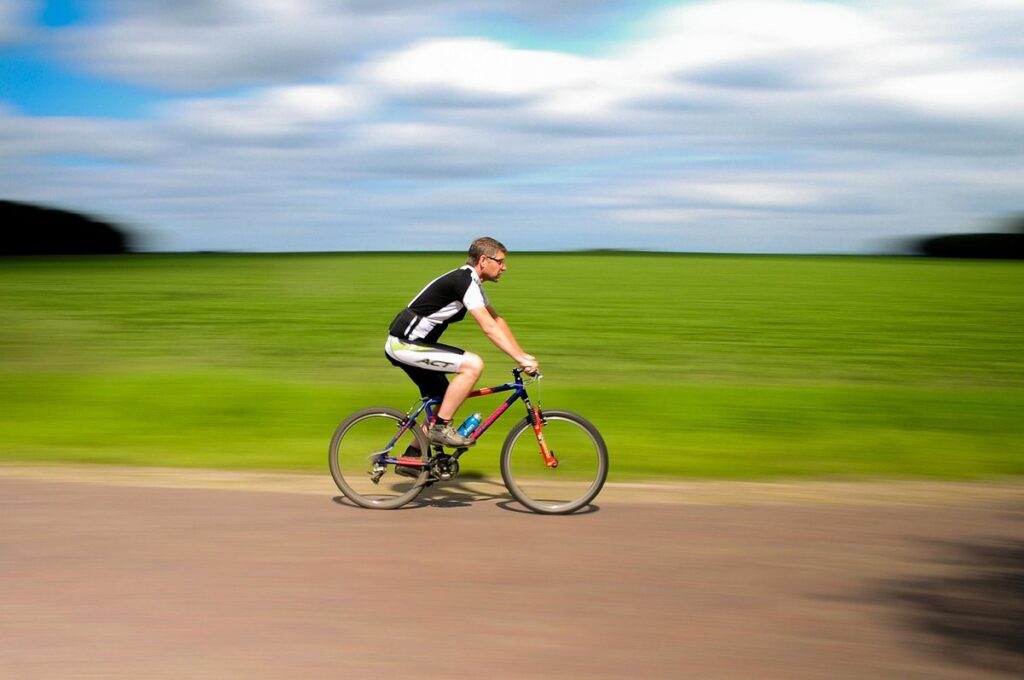
Planning Your Perfect Summer Outing
To make the most of your summer days, it’s essential to plan ahead and create a fun-filled itinerary that suits your interests and preferences. Let’s start by considering some key factors for a perfect summer outing.
Choosing a Destination
When choosing a destination for your summer outing, consider what type of outdoor activity you want to enjoy. If relaxation is your goal, opt for a scenic beach with calm waters and soft sand. Look for beaches with amenities like restrooms, showers, and food vendors to make your day more comfortable.
If you’re seeking adventure, choose a park or hiking trail with varying terrain and scenic views. Consider the difficulty level of the trails and ensure they suit your fitness level. Some popular parks and trails include national parks, state parks, and local nature reserves.
Think about your interests and preferences when selecting a location. Do you enjoy water sports? Look for lakes or rivers with opportunities for kayaking, paddleboarding, or swimming. Are you interested in wildlife viewing? Choose a park or nature reserve known for its bird-watching or animal sightings.
Consider the crowd factor as well – do you prefer a secluded spot or a lively atmosphere? Make sure to check the destination’s hours of operation and any specific rules or regulations before heading out. By considering these factors, you can choose a destination that suits your needs and ensures an enjoyable summer outing.
Considering the Weather
When planning a summer outing, it’s essential to consider the weather. Summer is notorious for heatwaves and thunderstorms, which can quickly turn an enjoyable day into a safety concern. Check the forecast before heading out and adjust your plans accordingly. If you’re expecting a hot day, plan activities that take place early in the morning or later in the evening when temperatures are milder.
When it comes to sun protection, don’t underestimate its importance. Bring sunscreen with a high SPF rating, a hat with a wide brim, and sunglasses that provide 100% UV protection. Apply sunscreen liberally before heading out, reapplying every two hours or immediately after swimming or sweating. Avoid peak sun hours (usually between 10am and 4pm) when possible.
Thunderstorms can be unpredictable, but there are steps you can take to stay safe. Monitor the weather forecast closely, especially if you’re planning a water-based activity. If dark clouds gather or thunder is heard, seek shelter immediately. Avoid being in open areas or near tall objects that could conduct electricity during a storm.
Water-Based Activities to Beat the Heat
When the sun beats down, it’s time to trade in your towel for a swimsuit and hit the water! From lake swimming to ocean kayaking, we’ll explore refreshing ways to cool off this summer.
Beach Day Essentials
When spending a day at the beach, it’s essential to pack the right essentials. Start with sun protection: bring broad-spectrum sunscreen with at least SPF 30 and reapply every two hours or after swimming or sweating. Don’t forget sunglasses that offer UV protection for your eyes.
Next, consider the comfort of your beach gear. Bring a large, lightweight towel that can dry quickly in case you get caught in a sudden rain shower or want to sit comfortably on the sand. You’ll also need a compact umbrella or sun shelter to provide relief from direct sunlight during peak hours.
Efficient packing is crucial when it comes to carrying these items around. Pack essentials like sunscreen and snacks at the top of your beach bag so you can easily access them without having to dig through the entire contents. Consider using reusable bags or pouches for smaller items like sunglasses, phones, and wallets to keep them clean and within reach. Leave some extra space in your bag for souvenirs or unexpected purchases during your beach day.
Swimming Holes and Lakes
Swimming holes and lakes offer a serene escape from the heat, providing an opportunity for adults to cool off and connect with nature. When searching for nearby swimming spots, consider consulting local tourism websites or park services for up-to-date information on accessible locations.
Before heading out, familiarize yourself with any safety precautions and regulations in place. Check if lifeguards are present, and be aware of warning signs indicating strong currents or water quality issues. Some popular swimming holes may have specific rules regarding swimming areas, hours of operation, or even require permits for entry.
To ensure a safe and enjoyable experience, always swim at designated swimming spots, avoid swimming after heavy rainfall, and refrain from feeding wildlife in the area. Additionally, be mindful of your own physical limitations and those of any companions you bring along.
When visiting larger lakes, be aware of boat traffic and respect designated swimming areas to minimize interactions with motorized vessels. By taking a few simple precautions, adults can enjoy a refreshing swim at a nearby lake or swimming hole while also respecting the environment and other users in the area.
Outdoor Adventures for Thrill-Seekers
For those who crave adrenaline-pumping activities, we’ve got you covered with our top picks for outdoor adventures that’ll get your heart racing and leave you grinning from ear to ear. From hiking to whitewater rafting, there’s something for every thrill-seeker!
Hiking and Trail Running
When tackling a hike or trail run, it’s essential to select a route that suits your fitness level and interests. Consider factors like distance, terrain difficulty, and scenic views when choosing a trail. For beginners, start with shorter routes and gradually increase the length as you build endurance. If you’re new to trail running, opt for routes with minimal elevation gain or those that follow a gentle incline.
Pack essential gear, including sturdy hiking shoes or trail running shoes, comfortable clothing, and adequate hydration. Don’t forget to bring sunscreen, a hat, and sunglasses to protect yourself from the sun’s intense summer rays. When it comes to navigation, consider using a map or GPS device to stay on track. However, be mindful of your surroundings and trust your instincts – if you’re unsure about a particular section of trail, turn back or seek advice from a park ranger or experienced hiker.
Some popular summer hiking spots for thrill-seekers include national parks like Yellowstone or Yosemite, as well as local trails with scenic views of nearby lakes or mountains. Remember to check the weather forecast and adjust your plans accordingly – summer storms can be unpredictable and pose safety risks on the trail.
Kayaking and Paddleboarding
When venturing into kayaking and paddleboarding, it’s essential to choose the right equipment. For beginners, consider renting a kayak or paddleboard at a local outfitter, which will provide access to quality gear and instruction. If purchasing your own equipment, ensure you select a kayak or stand-up paddleboard (SUP) designed for stability and maneuverability in calm waters.
When it comes to techniques, focus on maintaining proper posture and engaging your core. In kayaking, keep your knees slightly bent and feet shoulder-width apart, with the paddle held at a 45-degree angle. For SUP, stand with your feet shoulder-width apart and hold the paddle with both hands, keeping it close to the board.
Before hitting the water, familiarize yourself with local regulations regarding boat traffic, speed limits, and any specific safety guidelines for kayaking or paddleboarding in that area. Always wear a properly fitted life jacket and consider bringing a whistle to signal for help if needed.
Picnics and Outdoor Dining
Setting up a romantic picnic or alfresco dinner is easier than you think, and it’s a great way to enjoy warm summer evenings outdoors. Let’s explore some tips for planning the perfect outdoor dining experience.
Choosing the Perfect Spot
When choosing a spot for an outdoor picnic or dinner, accessibility is crucial. Look for areas with minimal elevation changes and smooth walking paths to ensure ease of navigation for you and your guests. Consider parks or gardens with designated picnic areas, as they often provide amenities such as restrooms, water fountains, and trash cans.
If you prefer a more secluded setting, opt for a spot with some natural shade, like a grove of trees or a spot near a body of water. Be mindful of wind direction to avoid blowing away your food or decorations. Scenic views can be found in many urban parks or along waterfront paths.
Some popular options include public gardens, arboretums, and park benches overlooking lakes or rivers. For a more rustic experience, try selecting a spot with a picnic table or a clearing amidst the woods. When possible, choose an area close to amenities like restaurants, cafes, or convenience stores in case you need extra supplies or want to grab dessert after your meal. Consider these factors to ensure a pleasant and convenient outdoor dining experience.
Packing a Delicious Picnic Basket
When it comes to packing a delicious picnic basket, you want to focus on easy-to-eat finger foods that won’t spoil quickly. Sandwiches are always a good option, but consider making them with fillings like chicken salad or hummus for added flavor. Fresh fruits such as berries, grapes, and sliced apples are also great choices.
Don’t forget to include some refreshing drinks in your basket, like water, juice boxes, or even wine if you’re planning an adult-only picnic. Pack a variety of snacks, including cheese cubes, crackers, and trail mix with nuts and dried fruit. If you have access to a cooler, use it to keep perishable items like meat, dairy products, and fresh vegetables cool.
In addition to food and drinks, don’t forget to pack utensils, plates, napkins, and a blanket for seating. For a more substantial meal, consider packing pasta salad, quiche, or wraps. Aim for a mix of light and filling foods to satisfy everyone’s hunger without weighing down the basket. Keep in mind that you’ll be carrying your picnic basket, so pack smart and choose items that are easy to transport.
Evening Outdoor Activities
As the sun sets, summer nights offer a perfect opportunity for adults to get outside and enjoy some relaxing evening activities that are easy to plan and fun to do. Stargazing, anyone?
Stargazing and Nighttime Walks
When taking a leisurely evening walk or engaging in stargazing, it’s essential to prioritize safety. Choose a well-lit path for nighttime walks and avoid isolated areas, especially if you’re walking alone. Bring a phone with you, but keep the ringer on silent mode to preserve the ambiance.
A clear view of the sky is crucial for stargazing. Find a location with minimal light pollution – consider getting away from cities or busy roads. Be mindful of your surroundings and take note of any potential hazards like loose rocks or uneven terrain.
To enhance your stargazing experience, familiarize yourself with constellations using mobile apps or planisphere charts. Download an app that provides real-time information on celestial events and astronomical phenomena. Some popular options include Sky Map, Star Walk 2, or Stellarium Mobile. Take a few minutes to learn the basic navigation skills, such as locating the North Star (Polaris) or identifying notable constellations like Orion.
For both nighttime walks and stargazing, dress in layers and stay hydrated by bringing water with you. Limit your exposure to insect repellents containing DEET, which can interfere with mosquito-borne disease testing – opt for picaridin-based products instead.
Outdoor Movie Nights and Concerts
Planning a successful outdoor movie night or concert requires some preparation and attention to detail. When it comes to equipment rentals, consider renting a high-quality sound system and projector that can provide clear visuals even in bright sunlight. This will ensure that everyone in the audience can see and hear the movie or performance without straining their eyes or ears.
For sound system setup, designate a specific area for the speakers and make sure they are placed at an optimal height to minimize echo and maximize audio quality. You may also want to invest in a wireless microphone system to allow performers to move around freely while maintaining clear communication with the audience.
To manage crowd control measures, assign a team of volunteers to oversee the event and ensure that attendees are following rules and guidelines. This can include designating specific seating areas, enforcing quiet hours during the movie or performance, and providing clear instructions on when to arrive and depart. By taking these steps, you can create a fun and enjoyable experience for everyone involved.
Staying Safe and Healthy in the Sun
As you soak up the sun, it’s essential to prioritize your health and well-being, especially when spending extended periods outdoors without proper protection. Protecting yourself from the elements is crucial for a fun-filled summer season.
Protecting Your Skin
When spending time outdoors during the summer, protecting your skin from the sun’s harmful rays is crucial. While it may seem like a no-brainer, many people underestimate the risks associated with excessive sun exposure. According to the Skin Cancer Foundation, most adults will experience at least one sunburn in their lifetime, and repeated exposure can increase the risk of developing skin cancer by 50%. To put this into perspective, consider that even on cloudy days, up to 80% of the sun’s ultraviolet rays can pass through.
To safeguard your skin, apply broad-spectrum sunscreen with an SPF of at least 30 every two hours or immediately after swimming or sweating. Don’t forget to cover hard-to-reach areas like your ears and the back of your neck. In addition to sunscreen, wear protective clothing such as a wide-brimmed hat, long-sleeved shirts, and pants made from tightly woven fabrics that can block UV rays. Seek shade when the sun is at its strongest between 10am and 4pm. Some outdoor enthusiasts also swear by UPF-rated clothing, which offers superior protection against both UVA and UVB radiation.
A simple yet effective way to assess your skin’s vulnerability is to check for any changes or new moles during regular self-exams. Be aware of the ABCDE rule: Asymmetry, Border irregularity, Color variation, Diameter bigger than 6mm, and Evolving shape or size.
Hydration and Heat Exhaustion Prevention
Staying hydrated is crucial when spending time outdoors during the summer. Aim to drink at least 8-10 glasses of water per day, but adjust your intake based on individual needs and activity level. For example, if you’re engaging in strenuous exercise or playing sports, you may need more water to replenish lost fluids.
Electrolyte balance is also essential for preventing dehydration. Include electrolyte-rich foods like bananas (potassium), avocados (potassium), and coconut water (sodium and potassium) in your diet. You can also use sports drinks or electrolyte tablets as needed, but be cautious not to overdo it – these products are high in sugar.
Signs of heat exhaustion include heavy sweating, pale skin, rapid pulse, nausea or vomiting, and headaches. If you experience any of these symptoms, move to a shaded area and rest while sipping water. More severe cases can lead to heat stroke, so seek medical attention if symptoms persist or worsen.
To prevent heat exhaustion, take regular breaks in cool environments and stay hydrated throughout the day. Wear lightweight, light-colored clothing that allows for good airflow, and avoid strenuous activities during peak sun hours (usually between 11am and 3pm). By prioritizing hydration and taking preventive measures, you can enjoy your summer outdoor activities with confidence.
Conclusion: Making the Most of Your Summer
As summer unfolds, it’s essential to make the most of these warm and sunny days. By now, you’ve likely discovered new outdoor activities that bring you joy and help you stay active. To fully immerse yourself in the season, consider setting aside time for regular outdoor excursions. Whether it’s hiking, biking, or simply picnicking with friends, prioritize scheduling outdoor activities into your daily routine.
To make the most of your summer, aim to get outside at least three times a week. This could be as simple as taking a morning walk around the block or meeting friends for a BBQ on the weekend. The key is to find activities that bring you pleasure and allow you to connect with nature and others. By doing so, you’ll not only create lasting memories but also cultivate a sense of well-being and vitality.
Frequently Asked Questions
How Can I Adapt My Summer Outdoor Plans for Special Events or Holidays?
If you’re planning to attend outdoor events like festivals, concerts, or holiday celebrations, consider the crowd and noise levels when choosing your destination. Look for less crowded areas or opt for early morning or evening activities to avoid peak hours.
What If I’m Traveling with Young Children or Pets? Are There Kid-Friendly or Pet-Friendly Outdoor Activities?
Many parks, beaches, and hiking trails offer kid-friendly or pet-friendly amenities like playgrounds, dog parks, or leash-free zones. Research your destination beforehand to ensure it meets your needs. Pack accordingly, bringing essentials like diapers, water, and poop bags.
How Can I Make Sure My Summer Outing Is Accessible for Everyone in the Group?
Choose destinations with accessible parking, restrooms, and pathways. Consider renting equipment that accommodates mobility issues or booking guided tours that cater to diverse abilities. Don’t forget to bring necessary assistive devices like wheelchairs or walkers.
What If I Get Lost While Hiking or Exploring an Unfamiliar Area? Are There Any Safety Precautions I Should Take?
Carry a map, compass, and GPS device or smartphone with a GPS app. Let someone know your itinerary and estimated return time. Bring a whistle to signal for help if needed. Stay on marked trails and follow local regulations to minimize risks.
Can I Engage in Outdoor Activities During Severe Weather Conditions Like Thunderstorms or Heatwaves?
Avoid outdoor activities during heavy rain, lightning storms, or extreme heat. Postpone your plans until the weather improves. If you must venture out, prioritize sun protection during heatwaves and seek shelter during thunderstorms.

