The cluttered closet is a familiar struggle for many of us. Between the endless fashion trends, social media expectations, and pressure to stay current with the latest styles, it’s easy to get caught up in accumulating clothes that don’t bring any real joy or serve our needs. But what if you could simplify your wardrobe and focus on only the pieces that make you feel confident and carefree? By adopting a minimalist approach to fashion, you can spark joy every day by embracing the freedom from decision fatigue, saving time each morning deciding what to wear, and cultivating a more intentional relationship with your clothing.
By learning how to identify key pieces and letting go of items that no longer serve you, you’ll be able to maintain a wardrobe that is both beautiful and functional.
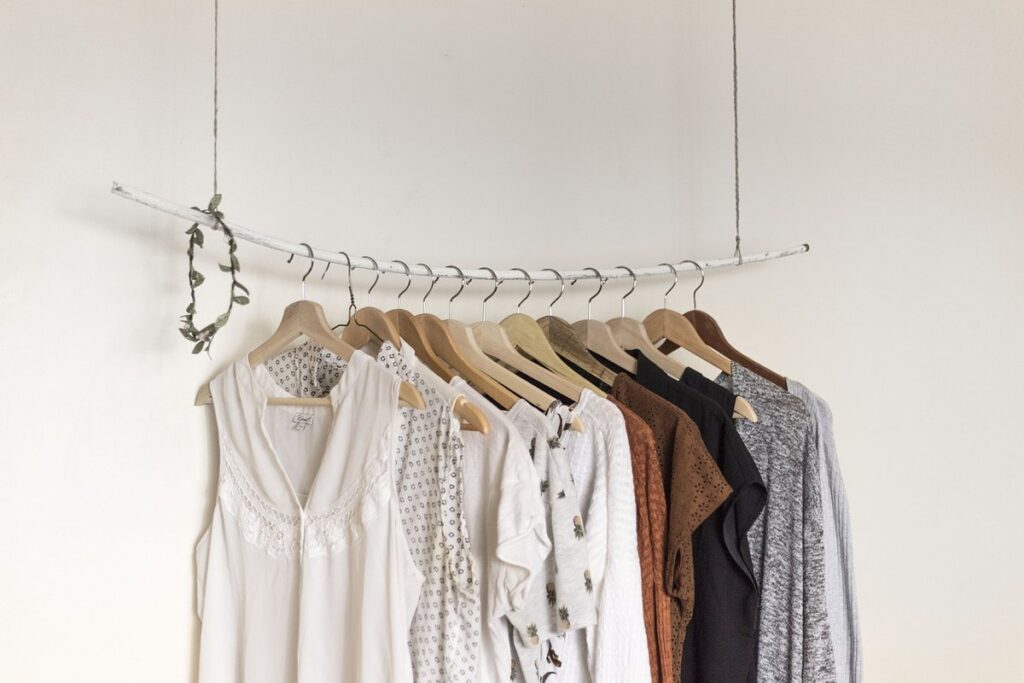
Understanding the Benefits of Minimalism
By embracing a minimalist wardrobe, you’ll not only save time and money, but also reduce decision fatigue and create a more streamlined sense of personal style. Let’s break down the key benefits of this approach.
Debunking Common Myths About Minimalism
Minimalism is often misunderstood as depriving oneself of all possessions and living in poverty. This myth stems from a lack of understanding about what minimalism truly entails. In reality, minimalism is about intentionally choosing what adds value to one’s life, rather than accumulating unnecessary clutter.
Some people believe that adopting a minimalist lifestyle means giving up favorite clothes or sentimental items. However, this couldn’t be further from the truth. A minimalist wardrobe is not about getting rid of everything, but about curating a collection of high-quality pieces that are loved and worn regularly.
Another common myth is that minimalism is only for young people or those who live in small spaces. In reality, anyone can adopt a minimalist lifestyle, regardless of age or living situation. With a little creativity, even the most extensive wardrobe can be streamlined into a capsule collection that is both stylish and practical. For example, consider implementing a “one in, one out” policy to maintain your new minimalist wardrobe. This simple rule ensures that every item added must have a designated replacement, preventing clutter from building up again.
Defining a Minimalist Wardrobe
A minimalist wardrobe is characterized by simplicity, versatility, and sustainability. This mindset is not about depriving oneself of clothing, but rather about focusing on what’s truly essential. A key principle is paring down to the items that can be mixed-and-matched to create multiple outfits.
To achieve this, consider a capsule collection approach: selecting a core group of pieces (think 30-40 tops, bottoms, dresses) that serve as the foundation for your wardrobe. These basics should include versatile, high-quality items like a classic white shirt, well-fitting jeans, and a tailored blazer. The goal is to create outfits with what you already have, rather than constantly buying new pieces.
When building or refining your minimalist wardrobe, prioritize sustainable fabrics and consider the environmental impact of each item. A one-for-one replacement policy can help offset waste – if an old piece is discarded, purchase something similar but second-hand or made from eco-friendly materials. This approach encourages mindful consumption and reduces clutter in your closet.
Assessing Your Current Wardrobe
Let’s start by taking stock of what you already have: every item in your current wardrobe, from tops and bottoms to shoes and accessories. This is where we’ll begin our journey towards a more streamlined closet.
Identifying Problem Areas in Your Closet
When evaluating your current wardrobe, it’s essential to identify areas where you can simplify and streamline your clothing choices. Begin by taking inventory of your closet contents, grouping items by category (e.g., tops, bottoms, dresses). This exercise will help you visualize the scope of your wardrobe.
Start with problem areas that cause you stress or anxiety when deciding what to wear. For instance, perhaps you have a collection of tops that don’t fit well, or a stash of ill-fitting jeans. Identify these trouble spots and ask yourself if they’re worth keeping. Be honest – do you truly love each item, or are they simply taking up space?
Consider the 80/20 rule: typically, 80% of your outfits come from 20% of your wardrobe. Which items consistently get worn? These should be kept; everything else can be re-evaluated for its practicality and appeal. Take note of any gaps in your wardrobe – are there essentials missing (e.g., a good white shirt, a pair of comfortable trousers)?
Counting and Sorting: A Step-by-Step Guide
Start by gathering every item of clothing you own. This includes tops, bottoms, dresses, outerwear, accessories, and shoes. Next, sort these items into three piles: keep, donate/sell, and discard. Be ruthless – if you haven’t worn something in a year, it’s likely safe to let it go.
Begin by going through each item of clothing and holding it up against the wall. Ask yourself: does this fit well? Is it in good condition? Does it make me feel confident and comfortable? If the answer is no, consider letting it go. Be honest with yourself – if you’re keeping an item “just in case,” it’s likely taking up space for nothing.
For items that are still worth considering, try on a few outfits and see how they work together. This will help you identify which pieces are truly versatile and can be mixed-and-matched to create multiple looks. Consider the 80/20 rule: 80% of the time, you likely wear 20% of your clothes. Identifying these core items will make it easier to edit your wardrobe and focus on what really matters.
Decluttering and Downsizing
Getting rid of the items that don’t serve a purpose can be the most daunting part of adopting a minimalist wardrobe. This is where decluttering and downsizing come in, helping you purge what’s holding you back.
The KonMari Method: A Beginner’s Guide
The KonMari Method emphasizes only keeping items that spark joy. This approach can be challenging for those who have never decluttered before, but with a clear understanding of the method’s principles, you’ll be well on your way to creating a more minimalist wardrobe. To start, gather all clothing items from your closet and sort them by category (e.g., tops, pants, dresses).
As you hold each item, ask yourself if it sparks joy. This might seem like a simple question, but it requires honesty and intentionality. Remember that the goal is not to get rid of as much as possible, but to surround yourself with items that bring happiness and serve a purpose. When folding clothes, follow the KonMari Method’s technique: fold clothes into small rectangles that can be stood up in a drawer.
Don’t worry if you’re struggling at first; it takes time to develop this habit. Be patient with yourself as you work through each item, and try not to get discouraged if you find yourself holding onto multiple items that spark joy.
Letting Go of Unwanted Items
Donating unwanted clothes is often the most straightforward option. Many charities accept clothing donations, which can be tax-deductible and go towards supporting a good cause. Some popular options for donating gently used clothing include Goodwill, Salvation Army, and local thrift stores. You can also consider partnering with organizations that collect new or gently used items for those in need.
Another option is recycling old clothes through programs like H&M’s Garment Collecting Initiative or Patagonia’s Worn Wear program. These initiatives allow you to bring in old clothing made from specific materials, which are then recycled into new products such as rags or insulation. Some manufacturers also offer take-back programs for certain items.
When selling unwanted clothes responsibly, consider consigning high-end or designer items through a reputable second-hand store or online marketplace like The RealReal. Alternatively, you can host a yard sale or sell items on platforms like eBay, Craigslist, or Facebook Marketplace. Be cautious when using these methods and make sure to follow local guidelines for selling used goods.
Building a Minimalist Wardrobe from Scratch
Creating a minimalist wardrobe from scratch can be daunting, but starting small and focusing on essentials is key to building a cohesive and stylish capsule collection. Begin by paring down your existing closet to reveal your true fashion needs.
Essential Pieces Every Minimalist Should Own
A well-curated minimalist wardrobe relies on a solid foundation of essential pieces. These versatile basics can be mixed and matched to create multiple outfits, reducing decision fatigue and making getting dressed easier.
Start with a classic white shirt that can be dressed up or down. A tailored pair of black trousers is another must-have, suitable for work or formal events. Invest in a quality denim jacket that adds edge to any outfit. These items form the backbone of a minimalist wardrobe and can be worn repeatedly throughout the year.
In addition to these basics, consider a simple yet elegant little black dress that requires no accessories. A cozy sweater is perfect for casual days spent at home or running errands. A pair of well-fitting jeans and a crisp white button-down shirt are also essential components of a minimalist wardrobe.
Remember, the key to building a functional minimalist wardrobe is not about owning many items but rather focusing on high-quality pieces that can be styled in multiple ways. By paring down your collection to these essentials, you’ll free up mental energy and reduce stress associated with choosing what to wear each day.
Investing in Quality Over Quantity
Investing in quality over quantity is a crucial mindset shift when building a minimalist wardrobe. This approach not only saves you money in the long run but also ensures that your clothing items remain relevant and usable for years to come.
Cheap, trendy pieces often have a short lifespan, quickly going out of style or deteriorating due to low-quality materials. In contrast, high-quality, timeless pieces are designed to stand the test of time, withstanding repeated wear and washing without losing their shape or texture. Consider investing in a few well-made, neutral-colored blouses that can be mixed and matched with your existing wardrobe items.
To make this approach more accessible, start by identifying your must-have pieces – those that bring you joy and are versatile enough to be worn frequently. Allocate a larger budget for these essential items, and prioritize quality over quantity. You may need to shop less often, but the end result will be a curated collection of clothing that truly reflects your personal style and meets your needs. By focusing on timeless, high-quality pieces, you’ll create a wardrobe that’s both functional and sustainable.
Maintaining a Minimalist Wardrobe
Now that you’ve built your minimalist wardrobe, it’s time to keep it looking its best. This means regularly cleaning and caring for your clothes to maintain their quality and extend their lifespan.
Tips for Staying on Track and Avoiding Backsliding
Maintaining a minimalist wardrobe requires more than just initial culling and editing of your closet. It involves developing habits and strategies to resist the temptation to accumulate new clothes over time. One key approach is to regularly assess and edit your existing wardrobe, setting aside dedicated time each season to evaluate what’s still working for you. Be ruthless: if a piece doesn’t fit, isn’t worn frequently enough, or no longer aligns with your personal style, consider letting it go.
Implementing a “one in, one out” policy can also help maintain a balanced wardrobe. For every new item that enters your closet, remove an old one to ensure you’re not accumulating excess. You can apply this principle to specific categories, like shoes or accessories, where it’s easy to get carried away with trendy purchases.
Another tactic is to adopt a mindful approach when shopping. Before buying anything, ask yourself: do I really need this? Will it be worn frequently enough to justify the space it occupies in my closet? By posing these questions and sticking to your answers, you can maintain a minimalist wardrobe that remains streamlined and functional over time.
Continuous Evaluation and Refining Your Closet
As you continue to maintain your minimalist wardrobe, it’s essential to regularly evaluate and refine your closet. This process ensures that your wardrobe remains effective and continues to serve its purpose: providing a streamlined selection of pieces that meet your needs.
Start by setting aside dedicated time each season to review your closet. Go through every item, considering how often you wear each piece and whether it still aligns with your style and goals. Be ruthless – if an item hasn’t been worn in the past year, it’s likely safe to let go of it.
When evaluating your wardrobe, focus on the 80/20 rule: 80% of the time, you likely wear 20% of your clothes. Identify these core pieces and consider how they can be mixed and matched to create a variety of outfits. Remove items that no longer fit or that don’t complement your favorite pieces.
This regular evaluation process allows you to refine your wardrobe over time, ensuring it remains intentional and effective. By letting go of unnecessary items and focusing on the essentials, you’ll maintain a wardrobe that brings you joy and supports your lifestyle.
Advanced Minimalist Wardrobe Strategies
For those who have mastered the basics of minimalist fashion, it’s time to take your wardrobe to the next level with advanced strategies for curation and mixing pieces. This section will share expert tips on maximizing versatility.
The 80/20 Rule: Optimizing Your Closet for Maximum Impact
Your clothes have an 80/20 ratio, where 80% of the time you wear only 20% of your wardrobe. This principle can be applied to your closet by identifying and showcasing those staples regularly. You likely have a mix of occasional and everyday pieces, with some items relegated to storage or being retired.
Start by categorizing your clothes into three piles: frequently worn, occasionally worn, and never-worn. Be honest about the last category; it’s easy to hold onto sentimental items that no longer fit or suit your current style. You can then use the Pareto chart method to visually represent the 80/20 rule in action. Plot a graph with the frequency of wear on one axis and the number of items on the other.
This will show you which pieces are truly making an impact. Typically, the frequently worn section is dominated by a small group of versatile items, such as a classic white shirt or well-fitting jeans. Consider donating or storing these less-worn items to free up space for your favorite staples and make your closet feel more intentional.
Personalized Style and Expression
A minimalist wardrobe doesn’t mean sacrificing personal expression and style. In fact, it can allow for more intentional and thoughtful fashion choices. To achieve a balance between simplicity and individuality, focus on building a core set of versatile pieces that reflect your aesthetic.
Consider investing in high-quality, timeless items that fit well and make you feel confident. These might include classic denim jeans, a well-tailored white shirt, or a statement piece of jewelry. Then, experiment with different combinations to create unique outfits that showcase your personality.
Don’t be afraid to add pops of color or texture through accessories like scarves, hats, or bags. These can easily be swapped in and out of your wardrobe without compromising its overall simplicity. For example, a brightly colored scarf can instantly elevate a simple white shirt and jeans combo.
Ultimately, a minimalist wardrobe is not about conformity; it’s about curating a collection of pieces that genuinely make you feel like the best version of yourself. By focusing on what truly matters to you, you’ll create a wardrobe that exudes personal style without sacrificing sustainability or simplicity.
Frequently Asked Questions
Can I still have personal style with a minimalist wardrobe?
Yes, it’s entirely possible to express your personal taste and style within the framework of minimalism. Focus on timeless pieces that fit well and can be mixed-and-matched to create multiple outfits. Consider investing in high-quality basics that can be dressed up or down.
What if I have a job with dress code requirements?
When dealing with work attire, it’s essential to balance your personal style with the demands of your profession. Identify key pieces that fit within both your workplace dress code and minimalist principles, then focus on building a versatile wardrobe around those items.
How do I deal with hand-me-downs or gifts I don’t like?
Handling unwanted clothing gifts can be tricky. Consider the effort vs. happiness factor – is keeping something as a courtesy worth potentially wearing an item that doesn’t spark joy? It might be better to politely decline future gifts in this category, focusing instead on items that align with your personal style and minimalist goals.
Can I apply minimalism principles to other areas of my life?
Yes, minimalism is not limited to just clothing; it can be applied to various aspects of your life, such as your home or digital clutter. Focus on simplicity, sustainability, and what truly adds value to your existence. You might find that adopting a minimalist lifestyle leads to a significant reduction in overall stress and an increase in happiness.
How often should I reassess my wardrobe?
Continuously evaluating your wardrobe is crucial for maintaining its effectiveness. Schedule regular check-ins (perhaps quarterly or seasonally) to assess which pieces are still sparking joy, and make adjustments as needed. This might involve swapping out items, donating what no longer fits or serves you, or simply making space in your closet by rotating seasonal wear.