
You’ve probably popped a piece of chewing gum into your mouth without giving a second thought to where it came from or what happens when you discard it. But the truth is, most modern chewing gums contain tiny plastic particles known as microplastics that can have serious consequences for both human health and marine life. These synthetic microplastics are often used in the manufacturing process to give gum its texture and shelf-life, but they also end up in our oceans and waterways when we spit them out or flush them down the drain. In this article, we’ll explore the surprising sources of microplastics in chewing gum, their impact on both humans and marine life, and what’s being done to address this growing concern. By the time you finish reading, you’ll know how reducing your gum consumption can make a real difference in mitigating the problem of microplastic pollution.
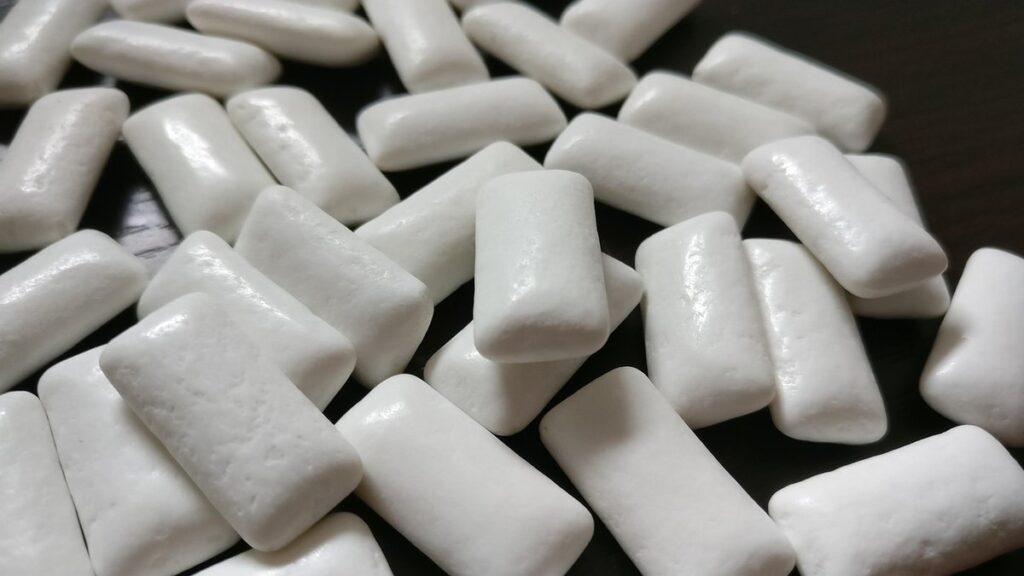
What are Chewing Gum Microplastics?
Chewing gum microplastics might sound like a weird topic, but they’re actually tiny plastic particles that end up in your mouth. We’ll break down what they are and where they come from next.
Definition and Sources
Chewing gum microplastics are tiny plastic particles that result from the breakdown of chewing gum. This process occurs when gum is exposed to heat, light, and moisture, causing it to fragment into smaller pieces. These fragments can range in size from a few micrometers to several millimeters.
Common sources of chewing gum microplastics include discarded gum on streets, sidewalks, and parks. People often chew and spit out gum, but it’s not always properly disposed of. As a result, this litter ends up in storm drains, rivers, and eventually oceans. Additionally, some types of gum are designed to be more resistant to degradation, contributing to the formation of microplastics.
Other sources include chewing gum used in various industries, such as construction and manufacturing. For instance, some chewing gum products contain polyethylene or polypropylene, which can break down into microplastic particles. Furthermore, recycling facilities may not be equipped to handle these types of materials, leading to potential environmental contamination.
Health Concerns Associated with Ingestion
Ingesting microplastic particles from chewing gum can pose significant health risks to individuals. The physical harm caused by these tiny plastic fragments is a major concern. When ingested, microplastics can cause mechanical damage to internal organs such as the stomach, intestines, and even the brain. The tiny size of these particles allows them to penetrate deep into tissues, causing inflammation and potentially leading to scarring.
The long-term effects of consuming microplastic-laden chewing gum are also a topic of concern. Research suggests that these particles can migrate through the body and accumulate in organs over time. This process is known as bioaccumulation, which can lead to toxicity and potentially cause damage to various bodily systems.
It’s essential for consumers to be aware of the potential risks associated with ingesting microplastic particles from chewing gum. To minimize exposure, individuals should opt for sugar-free gum products that use natural sweeteners instead of artificial ones, which are often sourced from microplastics. When choosing a gum product, look for certifications such as “microplastic-free” or “non-toxic.” This can help reduce the risk of ingesting harmful particles and promote overall health and well-being.
Microplastic Pollution from Chewing Gum: An Environmental Perspective
Chewing gum is a ubiquitous habit, but its sticky residue has an alarming secret life in our environment. We’ll examine the impact of microplastics from chewing gum on ecosystems and wildlife.
How Chewing Gum Microplastics End Up in Oceans and Waterways
Chewing gum microplastics are not just a concern for human health; they also have a devastating impact on marine life and ecosystems. Once you dispose of chewing gum, it can enter storm drains or sewers and flow directly into nearby waterways. From there, it’s carried by currents to oceans, where it contributes to the already overwhelming amount of plastic pollution.
Chewing gum microplastics are particularly problematic because they’re often mistaken for food by marine animals. Tiny fish, crustaceans, and other invertebrates may ingest them, thinking they’re a source of nutrition. As these microplastics work their way up the food chain, they can accumulate toxic chemicals like heavy metals and pesticides.
To make matters worse, chewing gum is not biodegradable; it doesn’t break down in water. Instead, it remains intact, causing physical harm to animals that try to eat it or get entangled with it. In fact, many marine animals die after ingesting large amounts of gum, which can cause blockages in their digestive tracts.
Here are some statistics on the extent of this problem: most cities’ stormwater systems don’t have adequate filtration systems to catch microplastics like chewing gum. Typically, a few weeks after disposal, chewing gum has already made its way into nearby waterways.
Case Studies: Real-World Examples of Chewing Gum Pollution
Chewing gum microplastics have been found in various environments around the world, including oceans, rivers, and even soil. One notable case study is a 2016 survey of beaches in California, where researchers collected over 10,000 pieces of chewing gum. The majority of these samples were from major tourist areas, highlighting the role of human activity in contributing to this pollution.
In 2020, a study published in the journal Environmental Pollution found that chewing gum accounted for up to 12% of microplastic debris in a river in the UK. This study used field observations and sampling methods to quantify the extent of chewing gum pollution in urban waterways.
Another example is the Great Pacific Garbage Patch, where researchers have detected large quantities of synthetic polymers from chewing gum among other plastic waste. These findings underscore the need for urgent action to address the sources of chewing gum microplastic pollution and prevent further environmental degradation.
These case studies demonstrate that chewing gum microplastics are a widespread issue affecting various ecosystems worldwide. They also highlight the importance of taking responsibility for our individual actions, including proper disposal of chewing gum waste, which can greatly contribute to reducing this type of pollution.
The Science Behind Microplastic Formation in Chewing Gum
Chewing gum microplastics are a growing concern, and understanding how they form is crucial to addressing their impact on our environment. Let’s take a closer look at the science behind their creation.
What Makes Chewing Gum Microplastics Unique?
Chewing gum microplastics are unique due to their small size and ability to withstand digestion. They can pass through the body undigested, eventually ending up in wastewater and then waterways. This process is called “primary microplastic formation,” where tiny plastic particles are created directly from the production of chewing gum.
Unlike other types of microplastics, such as those from synthetic fibers or cosmetic products, chewing gum microplastics are formed from a combination of natural and synthetic materials. For example, many commercial chewing gums contain elastomers like polyisobutylene (PIB) or polyvinyl acetate (PVA), which break down into smaller particles during digestion.
As they pass through the body, these particles can be ingested by aquatic organisms, where they may cause physical harm or become entangled in digestive tracts. The small size of chewing gum microplastics also allows them to be easily ingested by marine animals, potentially leading to bioaccumulation and toxicity issues.
Research on Microplastic Breakdown and Transformation
Recent studies have shed light on the breakdown and transformation of microplastics from chewing gum in the environment. Researchers have found that these microplastics can undergo a process called fragmentation, where they break down into smaller particles. This can occur through physical forces such as wind, water flow, or animal activity, but also through chemical degradation triggered by environmental factors like temperature, pH, and oxygen levels.
One study published in the Journal of Environmental Science and Health found that chewing gum microplastics were transformed into nanoplastics – particles smaller than 1 micrometer – after just a few weeks in seawater. Another study revealed that these nanoplastics can bind to other pollutants and heavy metals, potentially increasing their toxicity to marine life.
Furthermore, some researchers have identified the potential for microplastic breakdown to release toxic chemicals, such as bisphenol A (BPA) and phthalates, which are commonly used in gum production. These chemicals have been linked to a range of health issues in humans and wildlife alike. Understanding these mechanisms is crucial for developing effective strategies to mitigate the impact of chewing gum microplastics on the environment.
Impact on Marine Life: Effects of Ingesting Chewing Gum Microplastics
Chewing gum microplastics can have devastating effects on marine life, causing harm to tiny creatures that ingest these tiny particles. We’ll explore how this happens and the impact it has on our ocean’s ecosystem.
Consequences for Aquatic Ecosystems
Physical harm to aquatic organisms is a well-documented consequence of ingesting chewing gum microplastics. These small particles can cause blockages in digestive tracts, leading to starvation and even death. For example, studies have shown that zooplankton, tiny crustaceans that form the base of many marine food chains, are particularly vulnerable to microplastic ingestion. When they consume microplastics, their ability to feed and reproduce is compromised.
Toxic chemicals associated with chewing gum microplastics can also accumulate in aquatic organisms, causing a range of problems. For instance, certain additives used in chewing gum, such as xylitol and artificial sweeteners, have been shown to be toxic to marine life. When these substances are ingested by fish or other aquatic animals, they can cause neurological damage, developmental issues, and even death.
Changes in behavior are another concerning consequence of chewing gum microplastic ingestion. Some research suggests that exposure to microplastics can alter the way aquatic organisms interact with their environment. This can lead to changes in feeding habits, habitat selection, and mating behaviors, ultimately affecting population dynamics and ecosystem balance.
In areas where microplastic pollution is high, it’s essential for researchers and policymakers to prioritize monitoring and mitigation efforts. By understanding the full extent of chewing gum microplastics’ impact on aquatic ecosystems, we can work towards developing effective solutions to this growing environmental problem.
Long-Term Consequences: Potential for Bioaccumulation and Toxicity
Chewing gum microplastics can persist in aquatic organisms for an extended period, leading to potential bioaccumulation and toxicity. Research has shown that microplastics can be stored in the tissues of marine animals, including fish, shellfish, and other invertebrates. This storage can lead to a gradual increase in microplastic concentration within these organisms over time.
For example, studies have demonstrated that mussels exposed to microplastics can retain up to 90% of ingested plastic in their bodies for several weeks. Similarly, research on fish has found that even small amounts of ingested microplastics can cause liver damage and other toxic effects.
The long-term consequences of bioaccumulation and toxicity can have cascading impacts on ecosystems. As contaminated organisms feed other animals or enter the food chain, the potential for harm expands. Furthermore, when these affected organisms are consumed by humans, they may also ingest toxic microplastic residues. To mitigate this risk, consumers should be aware of local seafood advisories and consider opting for sustainably sourced, low-microplastic products whenever possible.
Regulatory Efforts and Public Awareness Initiatives
Efforts are underway to regulate the use of microplastic additives in chewing gum, including proposed bans and labeling requirements. Let’s take a closer look at these developments.
Existing Regulations and Guidelines
Existing regulations and guidelines governing microplastic pollution from chewing gum are still in their infancy. In the United States, for instance, the Microbead-Free Waters Act of 2015 prohibits personal care products containing plastic microbeads, but similar restrictions on chewing gum are lacking. The European Union has implemented more comprehensive measures, with some member states banning or restricting certain types of synthetic microplastics in food packaging and personal care items.
However, there is a growing recognition of the need for stricter regulations. In 2020, the American Public Health Association (APHA) called on governments to establish guidelines for the safe disposal of chewing gum, which it noted was not currently regulated by any federal agency. Industry efforts to reduce emissions include initiatives like the “Chew the Facts” campaign, launched by the Wrigley Company in partnership with the National Geographic Society. This program aims to educate consumers about the environmental impact of chewing gum and promote sustainable alternatives.
Some notable examples of industry-led initiatives include replacing traditional synthetic microplastics with biodegradable materials or reducing packaging waste through more efficient manufacturing processes.
Public Education Campaigns: Promoting Sustainable Alternatives
Public education campaigns are a crucial component of reducing chewing gum microplastic pollution. These initiatives aim to raise awareness about the environmental impact of chewing gum and promote sustainable alternatives for oral care and personal hygiene. One notable example is the “Chew on This” campaign, launched by the Surfrider Foundation in 2019. This campaign targeted college campuses, where students are often heavy chewers, and provided them with eco-friendly alternatives to traditional gum.
Additionally, some companies are taking a proactive approach by developing biodegradable chewing gums made from natural ingredients such as xylitol and essential oils. For instance, Ecolab’s “EcoGum” is a plant-based alternative that breaks down in water within 24 hours. To promote these alternatives, businesses can partner with environmental organizations to offer discounts or special promotions for customers who choose eco-friendly options.
Simple actions like switching to gum made from natural ingredients or opting for sugar-free gum can significantly reduce the amount of microplastics entering our oceans and waterways. By promoting sustainable alternatives through public education campaigns, we can work towards a future where chewing gum is no longer a contributor to plastic pollution.
Frequently Asked Questions
What can I do at home to reduce my microplastic contribution from chewing gum?
You can start by switching to sugar-free gum that’s made with natural ingredients and has a lower plastic content. Additionally, consider composting your used gum or disposing of it in a designated bin. You can also try using a metal or bamboo straw when consuming gum to prevent it from entering the environment.
How long does it take for chewing gum microplastics to break down in the environment?
Chewing gum microplastics can persist in the environment for hundreds to thousands of years, depending on factors like temperature, pH, and exposure to light. However, they can start breaking down within a few months to a year, but even then, their fragments remain in the ecosystem.
Is it safe to assume that all sugar-free gum is created equal when it comes to microplastics?
Not necessarily. Some sugar-free gums may still contain high amounts of plastic or have different manufacturing processes that affect the amount of microplastic formation. Always check the ingredients and manufacturer’s claims before making a purchase, but also keep in mind that even natural gum can produce some microplastics.
Can I use chewing gum as a substitute for dental floss?
No, it’s not recommended to use chewing gum as a replacement for dental floss or regular brushing. Chewing gum is not designed for oral hygiene and can actually do more harm than good by pushing bacteria and food particles around in the mouth. Instead, stick to traditional oral care practices.
What if I accidentally ingest some chewing gum microplastics – will they cause immediate harm?
The immediate effects of ingesting a small amount of chewing gum microplastic are unlikely to be severe. However, frequent or long-term exposure can lead to inflammation and oxidative stress in the body. If you’re concerned about potential health impacts, consult with your healthcare provider for guidance.

