
Spending time alone in nature can be incredibly rejuvenating, yet many people feel hesitant or unsure about how to make the most of solo outdoor activities. This is often due to misconceptions about safety or a lack of knowledge on how to plan enjoyable and fulfilling experiences. However, being in nature has been shown to have numerous benefits for both physical and mental health, including reduced stress levels and improved mood. By venturing out alone, you can discover new places, challenge yourself, and gain confidence in your ability to navigate unfamiliar environments. In this article, we’ll explore the benefits of solo outdoor activities, provide tips on how to plan safe and enjoyable adventures, and share ideas for things to do alone outside in both natural and urban settings. By the end of it, you’ll have a better understanding of how to make the most of your solo time in nature.
Embracing Solo Exploration
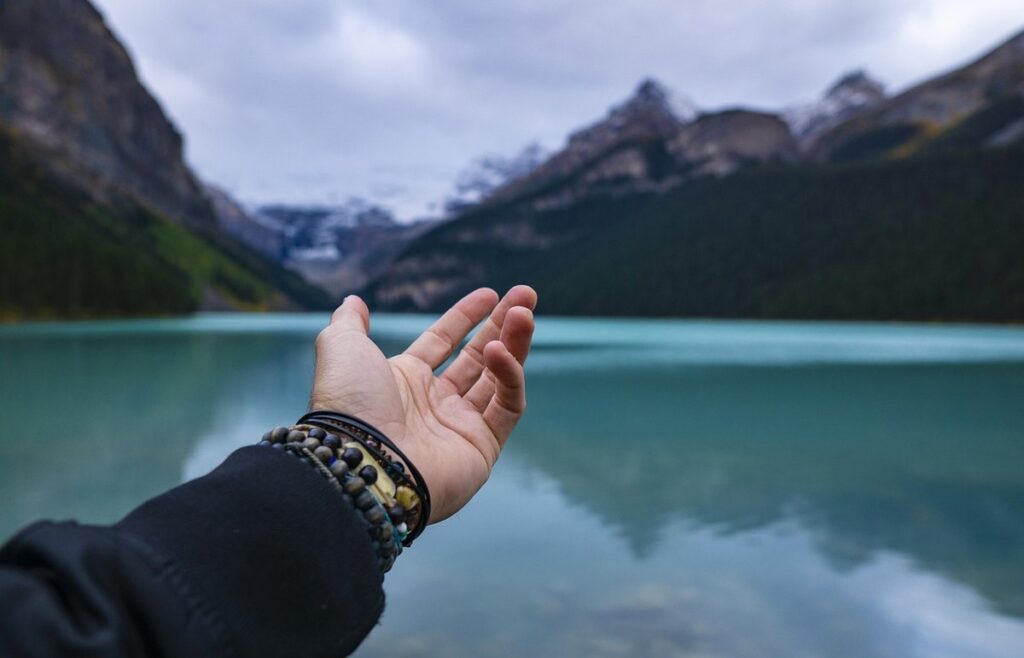
You don’t need someone else to enjoy the great outdoors, and embracing solo exploration can be incredibly liberating for your mind and spirit. Let’s explore some ways you can make the most of solo adventures outside.
Benefits of Solo Outdoor Activities
Engaging in solo outdoor activities can have a profound impact on both physical and mental well-being. Reduced stress is one of the most significant benefits, as being alone in nature allows for a much-needed break from daily routines and responsibilities. This quiet time away from distractions enables the mind to relax and recharge.
Increased self-discovery is another key advantage of solo outdoor activities. When left to our own devices, we’re forced to confront our thoughts, feelings, and motivations. This introspection can lead to a greater understanding of ourselves and our place in the world. Many people find that solo adventures spark new ideas, foster creativity, and even inspire personal growth.
Improved mental health is also a direct result of engaging with nature alone. Studies have shown that spending time outdoors can lower cortisol levels, boost mood, and alleviate symptoms of anxiety and depression. To maximize these benefits, try to spend at least 30 minutes outside each day, whether it’s walking, journaling, or simply sitting in silence. By prioritizing solo outdoor activities, you can cultivate a deeper connection with yourself and the natural world around you.
Overcoming Fears and Building Confidence
Many people who want to explore alone outside are held back by common fears. Fear of crime is a significant concern, especially for solo women travelers or those visiting unfamiliar areas. Getting lost is another worry, as it can be intimidating to navigate without a map or guidebook. However, these fears often stem from unrealistic expectations and a lack of preparation.
To build confidence, start with small steps. Begin by exploring familiar neighborhoods or parks on your own. As you become more comfortable, gradually venture further afield. Research your destination beforehand to learn about safe areas, public transportation, and emergency services. For example, download maps on your phone, such as Google Maps or Citymapper, which can provide turn-by-turn directions and alert authorities in case of an emergency.
Additionally, consider joining online communities or forums focused on solo travel or outdoor activities. These resources often share valuable tips and advice from experienced explorers. By gradually increasing your independence and gathering knowledge, you’ll become more confident in your ability to navigate the outdoors alone.
Setting Goals and Creating a Plan
When venturing into solo outdoor adventures, it’s essential to define what you hope to achieve and create a plan to get there. Start by identifying specific goals for your outing, such as spotting a particular species of bird or reaching a certain summit. Consider the location’s safety record and potential hazards, like steep drop-offs or inclement weather.
Choose locations that align with your skills and experience level. If you’re new to solo outdoor exploration, start with shorter, more accessible routes and gradually build up to longer, more challenging adventures. Research the terrain, climate, and any specific regulations or restrictions for the area.
Before heading out, prepare an emergency kit with essentials like a first aid kit, map, compass, and communication device. Identify nearby shelters or safe zones in case of unexpected weather changes or other emergencies. Consider sharing your itinerary with a friend or family member, including your planned route and expected return time. This way, they can alert authorities if something goes wrong.
Nature-Based Activities
Getting outside and connecting with nature can be a powerful way to recharge, whether it’s hiking, birdwatching, or simply sitting by a peaceful pond. Let’s explore some solo activities that bring us closer to the great outdoors.
Hiking and Backpacking Solo
When venturing into the wilderness solo, it’s essential to be prepared with the right gear. This includes a sturdy backpack, comfortable hiking boots, and layers for varying weather conditions. A map, compass, and GPS device or app can help you navigate trails and stay on course.
Route planning is also crucial when hiking and backpacking solo. Research your route beforehand to ensure it’s suitable for your skill level and physical abilities. Consider factors like trail length, elevation gain, and potential hazards such as inclement weather or wildlife encounters. Create a detailed itinerary with regular check-ins and emergency contact information in case of unexpected events.
Safety considerations are paramount when hiking alone. Let someone know your planned route and expected return time. Carry a personal locator beacon (PLB) or satellite phone if venturing into areas with no cell service. Stay hydrated, bring enough food, and be mindful of fatigue. In the event of an emergency, follow standard first aid procedures and try to signal for help using visible signals like mirrors or flares.
When backpacking solo, it’s also essential to consider your campsite selection and safety. Choose a spot with natural protection from wind and precipitation, and keep a safe distance from water sources to avoid contamination.
Birdwatching and Wildlife Observation
Birdwatching and wildlife observation can be a serene and fulfilling solo outdoor activity. To attract birds and other animals to your location, consider choosing areas with diverse vegetation, such as forests, wetlands, or parks with native plant species. These habitats provide the necessary food and shelter for various bird species.
When selecting a spot, look for features like water sources – ponds, lakes, or even birdbaths – which can draw in birds and other wildlife. Additionally, consider areas with minimal human disturbance to reduce stress on the animals. You can also attract birds by offering them food, such as seeds, nuts, or fruits, at designated bird feeders.
Some popular birdwatching techniques include using binoculars for observing from a distance, or investing in a spotting scope for closer views. A field guide or app can help you identify species and learn their habits. Be patient and quiet while observing; sudden movements or loud noises can scare birds away.
Photography and Solo Exploration
Capturing stunning images while exploring nature alone can be a deeply rewarding experience. To get started, consider investing in a portable and lightweight camera that won’t weigh you down on long hikes or excursions. This will allow you to easily capture the beauty of your surroundings without feeling burdened by equipment.
When it comes to composition, look for unique angles and vantage points to add depth and interest to your photos. Consider shooting from low or high perspectives, or experimenting with reflection and symmetry to create visually striking images. Pay attention to lighting conditions as well – golden hour, just before sunset, is often ideal for capturing warm and rich colors in your photographs.
In terms of subject matter, focus on the small details that might otherwise go unnoticed while exploring solo. This could be a delicate wildflower blooming in a rocky crevice or the intricate patterns on a tree trunk. By slowing down and paying attention to these smaller wonders, you can develop a deeper appreciation for the natural world and capture images that reflect this connection.
Keep your equipment simple and accessible by carrying a spare battery and memory card, as well as a small cleaning cloth to wipe away any smudges or fingerprints.
Urban Explorations
Get ready to discover the hidden gems of your city, from abandoned buildings to street art and markets, all waiting to be explored solo. Venture off the beaten path with these urban adventures.
Visiting Museums and Galleries Alone
Visiting museums and galleries alone can be a deeply rewarding experience. By eliminating distractions and pressures that often come with group visits, you’re able to engage more intimately with the art and culture on display. You might spend longer contemplating a single piece or attend special exhibitions without needing to coordinate schedules with others.
Many people assume that visiting these institutions is only suitable for groups, but museums and galleries are designed to be accessible and enjoyable for solo visitors. Some even offer quiet hours or early morning openings specifically for those who prefer a more peaceful experience. You might find that you’re able to appreciate the subtleties of a piece without the chatter of others.
To make the most of your visit, consider taking notes or sketching what resonates with you. This can help slow down your pace and encourage a deeper connection with the artwork. Some galleries also provide audio guides or mobile apps for self-guided tours, which can be particularly helpful when visiting alone. By embracing this solo experience, you may discover new aspects of art and culture that you wouldn’t have noticed otherwise.
Taking a Self-Guided City Tour
A self-guided city tour can be a great way to explore new neighborhoods and attractions on your own. Start by choosing areas that interest you, such as historic districts, trendy arts scenes, or cultural enclaves. Look for walking tours or apps that provide guided itineraries, but feel free to stray from the path if you discover something interesting.
You can use online resources like Google Maps to get an overview of the city’s layout and identify key landmarks. Many museums and galleries also offer mobile apps that allow you to explore their collections remotely. Some cities even have augmented reality (AR) experiences that bring historical buildings or artworks to life.
To make the most of your tour, consider downloading a mapping app like Citymapper or Maps.me, which can help you navigate streets and public transportation systems. You can also use social media to crowdsource recommendations from locals and fellow travelers. Some popular platforms for this include Instagram’s geotagging feature and travel forums like Reddit’s r/travel. By combining these tools with your own curiosity and sense of adventure, you can create a unique and personalized urban exploration experience.
Trying New Foods and Drinks Alone
Trying new foods and drinks is a thrilling way to explore urban settings on your own. You can stumble upon hidden gems, from authentic street food stalls to trendy cafes serving unique brews. To start, research local cuisine online or through travel guides, making a list of must-try dishes and drinks.
When exploring a new neighborhood, look for signs indicating local eateries, markets, or specialty shops. Follow your nose to find the best-smelling food vendors, often tucked away in alleys or side streets. Be adventurous and order something you’ve never tried before – you might discover a new favorite flavor combination.
In cities with diverse cultural influences, trying new foods is an excellent way to learn about local traditions and history. Visit Chinatowns for dim sum, Little Italy for pasta-making demonstrations, or Korean districts for spicy BBQ restaurants. Don’t be afraid to ask locals for recommendations; they often have insider knowledge on the best spots.
Some popular options to try include small-batch craft beers, artisanal coffee, or specialty teas. Many cities also offer food tours led by expert guides who can introduce you to local specialties and behind-the-scenes culinary secrets.
Outdoor Adventures for Beginners
Whether you’re a total newbie to solo outdoor activities or just looking to get started, we’ll cover some fun and easy adventures that are perfect for beginners. From hiking to camping, let’s get started!
Choosing Your First Solo Adventure
When choosing your first solo outdoor adventure, it’s essential to consider your skill level, terrain, and weather conditions. Begin by assessing your physical abilities and experience with outdoor activities. If you’re new to hiking, for example, start with a short, easy trail that gradually gains elevation. Avoid steep or technical routes until you’ve gained more experience.
Consider the terrain itself – flat coastal walks are often more suitable for beginners than rugged mountain trails. Weather conditions also play a significant role; try to avoid venturing out during extreme temperatures, heavy rain, or strong winds. Opt for morning or late afternoon excursions when possible, as these times usually offer milder weather and fewer crowds.
Assess the level of infrastructure available on your chosen route – will you have access to restrooms, water sources, and emergency services? Some parks and trails provide designated shelters or cabins for solo adventurers; research these options in advance. Finally, don’t be afraid to start small – a day trip or an overnight stay at a nearby campsite can be an excellent introduction to solo outdoor adventures.
Essential Gear and Safety Equipment
When venturing into the great outdoors alone, it’s essential to be prepared with the right gear and safety equipment. For backpacking and hiking, a sturdy pair of hiking boots is crucial for navigating uneven terrain. Choose boots that are waterproof, breathable, and provide adequate ankle support. Consider investing in trekking poles if you’re planning a long or challenging hike.
For water sports such as kayaking or canoeing, a properly fitting life jacket (PFD) is a must-have. Make sure it’s Coast Guard-approved and easily accessible while on the water. A whistle is also an essential safety item to carry with you – it can help signal for help in case of an emergency.
Additionally, consider packing a basic first-aid kit that includes essentials like bandages, antiseptic wipes, pain relievers, and any personal medications. Don’t forget to bring sunscreen, insect repellent, and a map or GPS device to stay on track. It’s also wise to let someone know your planned route and estimated return time, so they can raise an alarm if you don’t check in.
A small emergency shelter, such as a lightweight bivy sack, can be a lifesaver in extreme weather conditions.
Finding Supportive Communities Online
When venturing into solo outdoor activities, it’s natural to feel a sense of isolation. However, with the rise of online communities and social media, connecting with like-minded individuals has never been easier. Forums such as Reddit’s r/Solofemaletravelers or r/OutdoorBeginners provide a platform for beginners to share their experiences, ask questions, and offer advice.
Social media groups dedicated to solo outdoor enthusiasts are also plentiful on platforms like Facebook and Instagram. These groups often feature regular meetups, outdoor events, and gear recommendations – perfect for those looking to connect with others who share similar interests. Blogs like The Blonde Abroad or Expert Vagabond showcase inspiring stories of solo travelers and offer valuable tips for navigating the great outdoors alone.
To find these communities, start by searching online using specific keywords related to your interests (e.g., “solo hiking,” “urban exploration,” or “outdoor photography”). Join groups that align with your goals and preferences, and engage with others by sharing your own experiences and asking questions. By tapping into these supportive networks, you’ll find valuable resources, encouragement, and like-minded individuals to share in the thrill of solo outdoor adventures.
Staying Safe While Solo Outdoors
When venturing out alone, it’s essential to be aware of your surroundings and take necessary precautions to ensure a safe experience. Here are some tips to help you stay secure while enjoying solo outdoor activities.
Preparing for Emergencies
When venturing solo outdoors, it’s essential to prepare for emergencies. This means carrying a first aid kit with you at all times, which should include essentials like bandages, antiseptic wipes, pain relievers, and any medications you may need.
Knowing basic self-defense techniques can also be lifesaving in the event of an attack or encounter with wildlife. Consider taking a self-defense course to learn how to protect yourself effectively. For example, learning how to properly use your voice to deter an attacker can be a valuable skill.
Staying connected with loved ones is also crucial while solo outdoors. Let someone know your itinerary and expected return time, and make sure your phone is fully charged and easily accessible in case of emergencies. You may also consider investing in a personal locator beacon (PLB) or satellite phone if you’ll be venturing into remote areas with no cell service.
In the event of an emergency, remain calm and try to assess the situation quickly. If someone is injured, provide basic first aid until help arrives.
Avoiding Risks and Hazards
Getting lost is one of the most common risks when venturing solo outdoors. To avoid it, always bring a map and compass or GPS device, and know how to use them. Familiarize yourself with the terrain by studying maps beforehand and identifying landmarks along the way.
When in unfamiliar areas, consider carrying a personal locator beacon (PLB) or satellite phone in case of emergencies. This is especially important when venturing into remote wilderness areas with no cell service.
Encountering wildlife can also be a hazard when solo outdoors. Be aware of your surroundings and keep a safe distance from animals, especially those that are known to be aggressive, such as bears or snakes. Store food and trash properly, as these can attract unwanted wildlife.
Inclement weather is another risk to consider. Always check forecasts before heading out and be prepared for changing conditions with layers of clothing and waterproof gear. Avoid being in exposed areas during thunderstorms or strong winds.
Be mindful of your physical limitations and don’t push yourself too hard. If you’re unsure about a particular activity, start small and gradually increase the difficulty level as you gain experience.
Building a Support Network
Building a support network while engaging in solo outdoor activities is crucial for safety and peace of mind. When venturing out alone, it’s essential to share your plans with friends and family. Let them know where you’re going, how long you expect to be gone, and when they can expect to hear from you again. This way, if something were to happen, someone would know where to look for you.
You can also stay connected through technology by carrying a phone or two-way radio with you. Make sure your phone is fully charged and easily accessible in case of an emergency. Consider investing in a personal locator beacon (PLB) or satellite messenger device, especially if you’ll be venturing into remote areas with no cell service.
It’s also important to stay connected with fellow outdoor enthusiasts through online forums, social media groups, and solo hiking clubs. These communities can provide valuable advice, support, and even emergency assistance if needed. Joining a group like this can also help alleviate any feelings of loneliness or isolation that may come with solo exploration.
Frequently Asked Questions
What if I’m on a solo outdoor adventure and I get injured or lost? How can I signal for help?
Yes, it’s essential to know how to signal for help in case of an emergency. Carry a whistle with you, as it can produce a loud sound that can be heard from far away. You can also use bright colors or reflective materials to make yourself visible. If you have a phone with you, try to call for help or send a message to your emergency contacts.
How do I deal with fear and anxiety when exploring alone in unfamiliar places?
It’s normal to feel some level of fear or anxiety when venturing into new territories, but it doesn’t mean you should let it hold you back. Take small steps to build confidence by starting with short solo outings in familiar areas. Gradually increase the duration and difficulty as you become more comfortable.
What if I encounter wildlife during my solo outdoor adventure? How can I safely interact with animals?
Yes, encounters with wildlife are possible when exploring nature alone. To minimize risks, stay on marked trails and avoid approaching or feeding wild animals. Keep a safe distance and be aware of your surroundings to avoid startling them. If you’re planning to engage in activities that increase the likelihood of wildlife encounters (like birdwatching), research the specific species’ behavior and take necessary precautions.
Can I use technology like GPS or apps while on solo outdoor adventures, or should I try to navigate without it?
Yes, technology can be a valuable tool for navigation, but it’s essential to know how to use it effectively. Download relevant apps and maps before heading out, and learn how to read a compass and use a map as a backup. Be aware of your phone’s battery life and keep a portable charger with you.
How do I balance planning and spontaneity when exploring solo outdoors? Should I stick to a strict itinerary or leave room for flexibility?
It’s all about finding the right balance between preparation and adaptability. Plan ahead, but also leave some room for spontaneity to allow yourself to respond to unexpected opportunities or challenges. Bring a flexible mindset and be open to adjusting your plans if needed.

