Traveling to Japan can be an exhilarating experience, but it can also be intimidating for those who don’t speak Japanese. Even basic interactions like ordering food or asking for directions can seem daunting when you’re not familiar with the language. However, having a few key phrases under your belt can make all the difference in navigating Japan with confidence and communicating effectively with locals.
You may have heard that many Japanese people are eager to practice their English skills, but the truth is that even basic Japanese phrases can go a long way in showing respect for the culture and its people. By learning essential greetings, food orders, and transportation phrases, you’ll be able to engage more fully with your surroundings and get the most out of your trip.
In this article, we’ll cover some practical and easy-to-learn phrases that will help you communicate effectively during your travels in Japan.
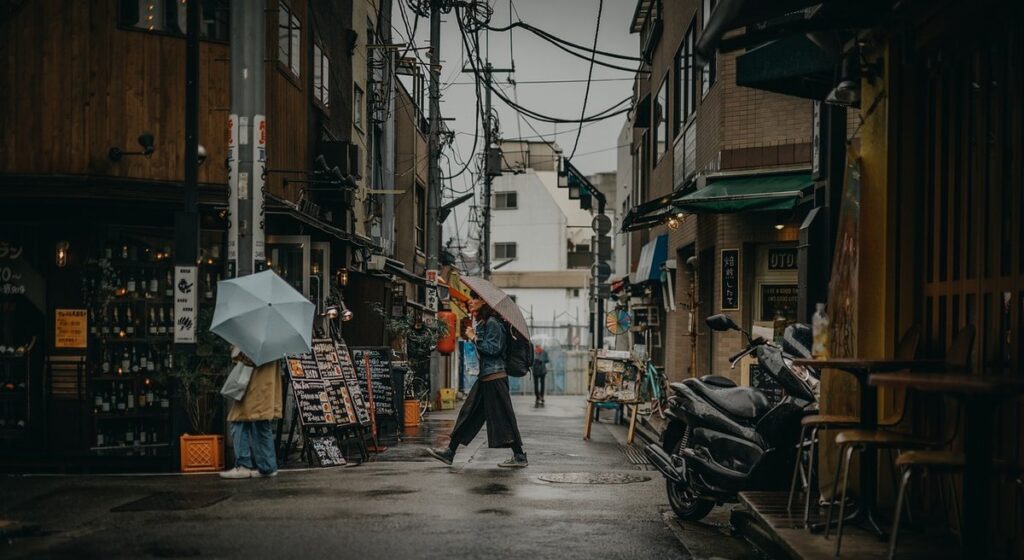
Mastering Basic Greetings and Introductions
When interacting with locals, mastering basic greetings and introductions is essential to building connections and having a smoother trip. Learn how to introduce yourself and greet others like a pro in Japan.
Learning Basic Japanese Phrases to Start Conversations
Mastering basic Japanese phrases is key to starting conversations with locals during your trip. Start by learning essential greetings like “konnichiwa” (hello), which is suitable for most interactions throughout the day. For more formal occasions or when greeting elders, use “ohayou gozaimasu” (good morning). As the day comes to a close, switch to “konbanwa” (good evening).
Proper pronunciation is crucial to avoid confusion and show respect for the language and culture. Pay attention to the pitch and intonation of each phrase. For example, “konnichiwa” has a gentle rising tone at the end, while “ohayou gozaimasu” requires a slightly deeper pitch. Listen to native speakers or use online resources to practice correct pronunciation.
When greeting locals, consider using polite language to show respect. Adding phrases like “-san” (a honorific suffix) to someone’s name is a common way to be polite in informal settings. For example, saying “konnichiwa sensei” (hello teacher) shows respect and friendliness. Learning basic Japanese greetings sets the tone for your interactions with locals and helps you build connections during your travels.
Introducing Yourself in Japanese
Introducing yourself in a foreign language can feel intimidating, but with some basic phrases, you’ll be able to communicate effectively with locals in Japan. To introduce yourself, simply say “watashi wa [name] desu” (my name is [name]), filling in the blank with your actual name. This phrase is straightforward and easy to remember.
You might also want to mention where you’re from, especially if it’s not the US or another Western country. For this, use the phrase “nihon no watashi desu” (I am from Japan) – although keep in mind that locals will likely be surprised if you claim to be Japanese when you’re clearly a foreigner! Alternatively, say “watashi wa [country name] kara kimashita” (I’m from [country name]) to indicate your nationality.
When introducing yourself, the response from locals will typically be polite and courteous. They might ask for your name again or inquire about where you’re staying in Japan. Don’t worry if you struggle to respond – a simple “Watashi wa…” followed by a smile is enough to show you’re making an effort to communicate.
Basic Questions to Ask Locals
When interacting with locals during your trip to Japan, asking questions can go a long way in breaking the ice and showing respect for their culture. There are certain basic questions you should consider asking to foster meaningful conversations and get valuable insights about your surroundings.
To start, ask where someone is headed or what they’re doing. A simple “doko ni ikitenodesuka?” (where are you going?) can elicit a range of responses from directions to local hotspots to explanations of their daily routine. If they invite you to join them, be sure to accept graciously and learn more about the destination.
You might also ask what someone is doing at that particular moment. “Nani o shite imasu ka?” (what are you doing?) shows curiosity and can lead to interesting discussions about everything from work and hobbies to food preferences. Don’t be afraid to introduce yourself in Japanese, using a greeting like “konnichiwa, watashi wa [name] desu” (hello, my name is [name]). This will make locals more comfortable opening up to you.
These simple inquiries can open doors to new friendships and enrich your travel experience. By showing genuine interest in the people around you, you’ll not only gain valuable information but also create lasting memories of your Japanese adventure.
Food and Drink Essentials for Travelers
When traveling through Japan, knowing where to find great food and drink is just as important as learning key phrases. We’ll cover the must-try foods and beverages that will make your travels even more enjoyable.
Ordering at Restaurants in Japanese
When ordering at restaurants in Japan, you’ll often encounter menus written entirely in Japanese. To make the experience smoother, learn to read basic kanji characters for common dishes like sushi (sushi) and tempura (tempara). Look for a picture menu or ask your server for guidance if needed.
Start by ordering simple items like rice bowls (gohan), miso soup (miso), or udon noodles (udon). For example, say “kome o kudasai” (I’ll have the rice) or “men o kudasai” (I’ll have the noodles). When you want a specific dish, use phrases like “kuree o kudasai” (I’ll have the curry) or “gyudon o kudasai” (I’ll have the beef bowl).
Don’t forget to order drinks and ask for refills. Say “mizu o kudasai” (water, please) or “kōhī o kudasai” (coffee, please). When your meal arrives, express gratitude with “gochisousama deshita” (thank you for the meal), which roughly translates to “the host has worked hard.” This phrase is a polite way to show appreciation for the meal and service.
Asking for Help with Food Allergies or Dietary Restrictions
When dining out in Japan, you may encounter foods containing ingredients that trigger food allergies or dietary restrictions. To ask for help with these situations, it’s helpful to learn specific phrases related to common allergens and restrictions.
Phrases like “nenryo wa naze arimasen ka?” (why is there gluten-free?) or “suikei ga warukute imasu. Sore o kudasai” (I’m lactose intolerant, could I have that instead?) can be effective in communicating your needs to the server. Be prepared to explain the specific ingredients you’re concerned about.
It’s also a good idea to learn how to ask for clarification on menu items. For example, “kono ryori wa nan no saito arimasu ka?” (what kind of oil is used in this dish?) can help you determine whether or not it’s safe to eat. When asking for help, remember to be polite and appreciative of the server’s assistance.
In many Japanese restaurants, chefs are willing to accommodate special requests, especially if you’re able to communicate your needs clearly. However, some establishments may have limited options due to cultural or culinary traditions. Being prepared with key phrases can make a big difference in navigating these situations during your travels.
Basic Numbers and Counting in Japanese
To communicate basic quantities, you’ll want to learn essential numbers and counting phrases in Japanese. Start with the numbers one through ten: ichi (1), ni (2), san (3), shi (4), go (5), roku (6), nana (7), hachi (8), kyuu (9), and juu (10). For example, “hitori no miso o kudasai” means one packet of miso. To count beyond ten, use the suji system: “1-10 no suji.” This pattern continues for numbers 11 to 19.
For months, Japanese uses a combination of kanji and numbers: “ikkagetsu” (January), “nigatsuki” (February), and so on. To be more precise, use the full month names like “nigatsu” or “san-gatsu.” When counting floors in buildings, use “banme,” such as “san-banme” for the third floor. A phrase like “ni-hai no o-cha kudasai” (two cups of tea, please) demonstrates a more complex quantity expression, but you can break it down: “ni” means two, “hai” is a suffix indicating a second item, and “o-cha” refers to green tea.
Essential Phrases for Transportation
When traveling through Japan, being able to communicate effectively is crucial. Here are some essential phrases that will help you navigate transportation safely and smoothly.
Getting Around Japan: Train Stations and Buses
When arriving at a train station in Japan, you’ll likely be bombarded with signs and announcements in Japanese. To prepare yourself, learn how to say “eki ni ikimasu” (going to the train station), which will help you get assistance from staff or locals. Similarly, mastering phrases like “basu de gozaimasu” (I’m taking the bus) and “tokkyuu o kudasai” (express train, please) can make a big difference in your travel experience.
Reading Japanese signs for train lines and stations is also crucial. Look for the “kei” or line indicator on station maps – it’s usually represented by a letter or color code. For example, the “JR Namboku Line” typically uses blue signs. Familiarize yourself with common station abbreviations like “eki” (station), “san” (platform), and “kaisetsu” (exit). Don’t be afraid to ask for help if you get lost – staff at train stations often speak basic English, but knowing a few key phrases will make them more willing to assist.
Taxi Ride Phrases
When hailing a taxi on the street or at a taxi stand, it’s essential to know how to communicate your destination clearly. You can use “koko ni ki te kudasai” (stop here, please) to let the driver know when you’ve arrived at your destination. To get picked up from somewhere specific, say “kono eki kara tachimachi kudasai” (please drive me from this station). This phrase is especially helpful for travelers who need to get to major train stations or airports.
If you want to get dropped off somewhere else after a short detour, use “koko made ikimasu” (I’ll go until here) and then specify the new destination. For example, if you’re at a hotel and want to stop by a nearby convenience store before heading to your next location, say “konbini ni koko made ikimasu, aruku-mae e tachimachi kudasai” (I’ll go until the convenience store, then please drive me to the walking path). This will ensure that you get dropped off at the right place without any confusion.
Asking for Help at Airports or Train Stations
When asking for help at airports or train stations in Japan, it’s essential to use clear and concise language. You might ask “ni-chome no eki wa doko desu ka?” (where is the second train station?) if you need directions. If you’re trying to get to a specific platform, you can say “kono puroto ni ki te kudasai” (stop at this platform, please).
If you’re having trouble communicating with airport or train staff, don’t worry – most are happy to help. Simply point to your ticket or map and ask for assistance. For example, you might say “kore wa doko desu ka?” (where is this?) while pointing to a destination on your ticket.
To make the most of these interactions, it’s helpful to learn basic phrases like “sumimasen” (excuse me) and “arigatou gozaimasu” (thank you). These polite expressions can go a long way in getting the help you need. Additionally, consider carrying a translation app or phrasebook with you as a backup – it’s always better to be prepared when dealing with complex transportation systems.
Safety and Emergency Phrases
Knowing what to say in a pinch can be a lifesaver while traveling, which is why we’re covering essential safety and emergency phrases that’ll keep you prepared. We’ll focus on key words and phrases to help you communicate effectively during an unexpected situation.
Essential Phone Numbers in Japan
In Japan, knowing the right phone numbers can be a lifesaver during an emergency. Two critical numbers to remember are 110 and 119. The Japanese police force’s general number is 110, which you can use for reporting crimes or seeking help with various emergencies. It’s also useful in situations where you need assistance from authorities but it’s not a life-threatening situation.
For fires, you’ll want to dial 119. This number connects you directly to the fire department and other emergency services. In both cases, make sure you can clearly speak your location to the operator. You might be asked for your address or landmark information. Learning basic Japanese phrases like “Watashi wa koko desu” (I am here) or “Sore wa doko ni arimasu ka?” (Where is…?) will help facilitate this process.
When calling 110, it’s also a good idea to mention if you’re a foreigner so the authorities can respond accordingly. This way, they’ll be able to provide assistance tailored to your needs and language level. Remembering these phone numbers will give you added peace of mind during your Japanese travels.
Asking for Help with Lost or Stolen Items
When you lose or have something stolen while traveling in Japan, it’s essential to know how to ask for help. You can start by asking a local or fellow traveler where the lost property office (goukyuu wa doko ni arimasu ka?) is located. They may be able to point you in the right direction or provide more information.
If your item has been stolen, you’ll need to report it to the authorities. This can seem daunting, but using the phrase “kondo o kudasai” (I’d like to report a theft) can help break the ice. Be prepared to provide a description of the item and its value.
To communicate effectively in an emergency situation, try to remain calm and speak clearly. Avoid using complex sentences or phrases that may be difficult for locals to understand. If you’re unable to find someone who speaks your language, consider carrying a phrasebook or using a translation app on your phone.
Basic Phrases for Dealing with Crime or Harassment
When dealing with crime or harassment while traveling in Japan, it’s essential to know the right phrases to stay safe and seek help. You can use the phrase “shinbun ni kureru kudasai” (please call the police) when reporting a serious incident or asking for assistance from authorities.
To report an incident, say “sore o soko no fukushi ga tsukamu kudasai” (I’d like to report this incident) and provide as much detail as possible. If you witness a crime in progress, try to remain calm and use the phrase “mattaku shimau kudasai” (please stop them).
Staying safe while traveling in Japan also involves being aware of your surroundings and trusting your instincts. Avoid walking alone in isolated areas at night and keep an eye on your belongings, especially in crowded public places like train stations and tourist hotspots.
If you’re a victim of harassment or assault, try to find a trusted authority figure such as a police officer or a hotel staff member to report the incident. You can also reach out to Japan’s 24-hour hotlines for support, including the Japanese National Police Agency’s 110 number.
Learning More Japanese Phrases
As you continue on your Japanese adventure, there are many more essential phrases you can learn to enhance your experience and connect with locals. We’ll share some valuable vocabulary to take your language skills to the next level.
Using Flashcards or Mobile Apps for Memorization
When traveling to Japan, it’s not just about speaking perfect Japanese; being able to communicate basic phrases can make all the difference. Flashcards and mobile apps are great tools for memorizing vocabulary on the go.
You can create flashcards with new words or phrases on one side and the translation on the other. Review them regularly, using methods like the “spaced repetition” technique to help solidify words in your long-term memory. For example, you might review a word once a day, then again after a week, and finally once a month.
There are many mobile apps available that can aid in language learning, such as Memrise, Anki, or Duolingo. These apps often include interactive games, quizzes, and exercises to help make memorization more engaging. Some apps even offer features like speech recognition to help you improve your pronunciation. You can use these tools to focus on essential phrases for travelers, like greetings, directions, and basic questions.
Many of these apps are free or low-cost, making them an accessible option for language learners. By incorporating flashcards and mobile apps into your study routine, you’ll be better equipped to learn new vocabulary and practice Japanese phrases on the go.
Watching Japanese Movies or TV Shows with English Subtitles
Watching Japanese media with English subtitles is an excellent way to improve your language skills and get a feel for everyday conversations. Beginners can start by watching simple anime like “Spirited Away” or light-hearted TV shows like “Non-Stop”. These shows often feature straightforward dialogue, making them easier to follow.
Another great option is NHK WORLD-JAPAN’s educational programming, which includes beginner-friendly shows with English subtitles. Their website and mobile app offer a wide range of programs on various topics, from news to culture and history. You can also find many Japanese dramas and films with English subtitles on streaming services like Netflix or Amazon Prime.
When watching Japanese media, pay attention to how characters use polite language in formal situations and informal conversations. Notice the vocabulary they use for everyday interactions, such as ordering food or asking for directions. Repeat phrases you hear often, even if it’s just a few words, to get a feel for their pronunciation and intonation. By regularly watching Japanese media with subtitles, you’ll improve your listening skills and become more familiar with common phrases used in real-life conversations.
Communicating in Writing: Using Hiragana, Katakana, and Kanji Characters
Writing in Japanese requires a basic understanding of its three main scripts: hiragana, katakana, and kanji characters. Hiragana is used to write native words and grammatical functions, while katakana represents foreign loanwords and emphasis. Kanji characters are logograms that convey meaning through shape and composition.
For travelers, being able to recognize the most common kanji characters can be incredibly helpful when reading signs, menus, and other written materials. A few essential kanji characters include (atari) for “finish” or “end,” (yama) for “mountain,” and (eki) for “station.” Familiarizing yourself with these characters will allow you to better understand Japanese writing and make informed decisions during your trip.
When filling out forms, such as hotel registration cards or customs declarations, understanding the use of hiragana and katakana can help prevent misunderstandings. Pay attention to which script is used for each section of the form, as this can indicate the level of importance or urgency required.
Common Mistakes to Avoid When Speaking Japanese
When speaking Japanese, making a few key mistakes can quickly turn your interactions into awkward silences. We’ll examine some common errors to watch out for during your travels.
Pronunciation Tips for Non-Native Speakers
Proper pronunciation is crucial when speaking Japanese, especially as a non-native speaker. Enunciation and intonation can make all the difference between being understood and causing confusion.
For enunciation, focus on clear articulation of sounds that don’t exist in English, such as ʃ (sh) and ɕ (s). Practice words like “shokku” (shock) or “sahara” to get a feel for these distinct sounds. You can also try listening to native speakers online and repeating phrases out loud.
In terms of intonation, Japanese pitch accents are distinctive, with a rising tone at the end of declarative sentences. This might be unfamiliar if you’re used to more staccato English speech patterns. Try mimicking native speakers by paying attention to the slight rise in pitch as you finish a sentence – for example, “konnichiwa” (hello) or “arigatou” (thank you). Paying attention to these nuances can greatly improve how well you’re understood by locals.
When speaking on the go, remember that it’s okay if you make mistakes. Locals will appreciate your effort to communicate in their language, even with imperfect pronunciation.
Understanding the Context of Phrases
When using Japanese phrases on your travels, understanding the context is crucial to avoid misunderstandings. In everyday conversations, locals often use idioms and expressions that can be misinterpreted by foreigners. For instance, the phrase “sumimasen” is a common expression for apologizing or getting someone’s attention, but its meaning changes depending on the situation. When used in a store or shop, it means “excuse me” or “sorry,” but when used in a restaurant, it can mean “the check, please.”
Another example of context-dependent phrases is “o genki desu ka,” which roughly translates to “how are you?” However, locals often respond with a simple “genki desu,” meaning “I’m fine,” rather than elaborating on their actual health. Similarly, the phrase “arigatou” for “thank you” can be used in various situations, but its tone and emphasis change depending on the level of politeness required.
When using these phrases, consider the context and potential misinterpretations. A simple nod or gesture can go a long way in avoiding misunderstandings. Be mindful of your body language and vocal inflections to convey respect and gratitude when interacting with locals.
Basic Grammar Rules for Beginners
Understanding basic grammar rules is essential when speaking Japanese, especially for travelers who want to communicate effectively with locals. Verb conjugation is a fundamental aspect of Japanese grammar, and it’s crucial to learn how to change verb endings according to the subject and tense.
In Japanese, verbs are conjugated based on the speaker’s relationship with the subject. For example, the verb “kimasu” (to come) changes to “kita” when referring to someone who has already arrived, but becomes “kitara” when used in a polite or formal context. Mastering these conjugations will help you convey respect and politeness in your interactions.
When constructing sentences, remember that Japanese word order is Subject-Object-Verb (SOV), which can be challenging for English speakers accustomed to the Subject-Verb-Object (SVO) pattern. For instance, “I buy food” would become “Watashi wa tabemono o kau.” This means placing the subject (“Watashi”) at the beginning, followed by the object (“tabemono”), and then the verb (“kau”).
Practicing basic grammar rules will allow you to focus on more complex structures like honorifics and nuanced sentence variations. By understanding these fundamentals, you’ll be able to express yourself with confidence in everyday situations while traveling in Japan.
Frequently Asked Questions
How can I effectively practice using the Japanese phrases I’ve learned in this article?
You should aim to use flashcards or mobile apps to test your knowledge and memorize new vocabulary. Practice speaking with native speakers, either in person or through language exchange apps, to get comfortable with pronunciation and intonation.
What if I’m traveling to Japan during a festival or holiday when many locals are dressed in traditional clothing?
Yes, it’s perfectly fine to ask for help or clarification if you’re unsure about something. Many Japanese people will appreciate your effort to communicate in their language and be happy to assist you. Don’t worry if you make mistakes – locals will often respond with kindness and patience.
Can I use the same phrases when communicating with older adults, children, or people from different regions of Japan?
While some basic phrases can be used across age groups and regions, there may be variations in dialects and vocabulary. Be aware that younger generations might use more modern slang or regional-specific terms, so it’s essential to adapt your language accordingly.
How do I handle situations where locals are speaking quickly or using complex grammar?
Yes, don’t worry if you struggle to keep up with fast-paced conversations – simply ask for clarification or repetition. Many locals will appreciate your effort to communicate and be happy to slow down or provide more context. Focus on understanding the key phrases and vocabulary rather than trying to follow every detail.
What about using Japanese phrases when interacting with foreigners who speak little English?
While it’s true that many tourists in Japan speak some English, there are still plenty of situations where you’ll encounter people who don’t speak much English at all. Using basic Japanese phrases can go a long way in showing respect for the culture and communicating effectively – even if the other person doesn’t understand everything, they may appreciate your effort to communicate in their language.
Can I use these phrases when traveling to other countries with similar cultures or languages?
While some general phrases like greetings and introductions might be applicable across cultures, Japanese is a unique language with its own grammar and vocabulary. Be aware that using Japanese phrases in other countries can sometimes lead to misunderstandings – it’s best to learn basic phrases in the local language to avoid confusion.