
Okra is often misunderstood as a bland and unyielding ingredient, but its unique texture and subtle flavor can elevate many dishes when cooked correctly. The key to unlocking okras true potential lies in understanding how to prepare it properly, whether you’re looking to add it to soups, stews, or sautés. Not only is okra an incredibly versatile vegetable, offering a wealth of flavors and textures, but it’s also packed with nutritional benefits, including high levels of vitamin C and potassium.
Cooking with okra can be intimidating for some cooks due to its slimy texture when overcooked, but don’t let that deter you from experimenting with this delicious ingredient. By learning expert tips on how to handle okra in the kitchen, along with a few simple recipes to get you started, you’ll soon discover why it’s a staple in many international cuisines.
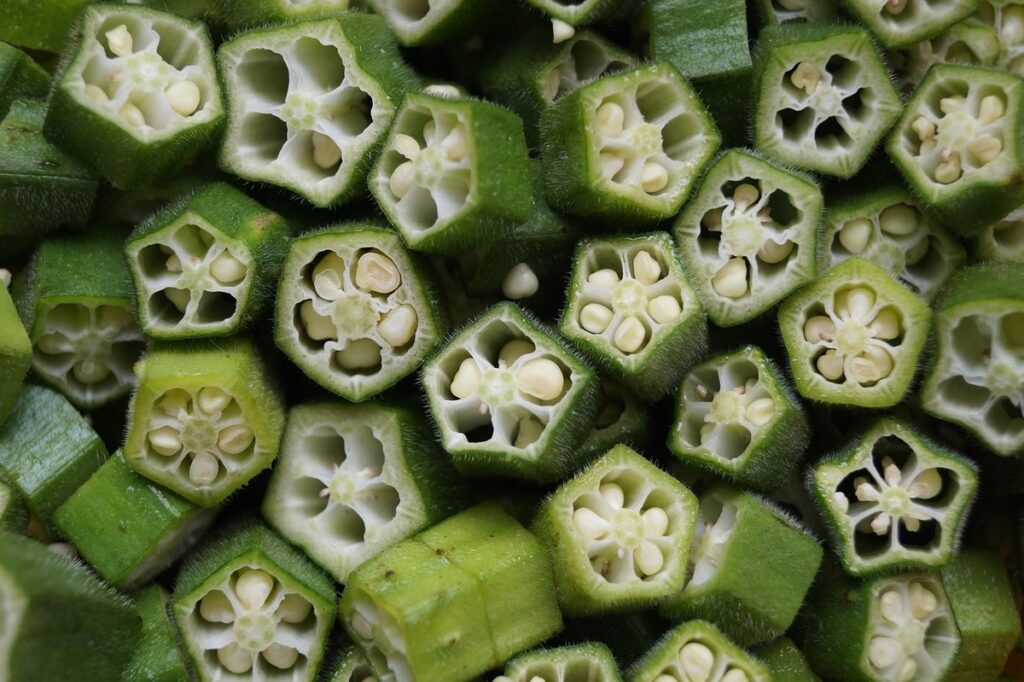
Understanding Okra
Let’s get started on understanding the fascinating world of okra, a versatile ingredient often misunderstood but packed with nutrients and flavor. Okra’s unique properties can be both its greatest asset and liability in the kitchen.
What is Okra?
Okra is a vegetable with a rich history, hailing from Africa where it has been a staple ingredient for centuries. Its versatility extends beyond its long list of culinary uses, as it’s also a treasure trove of nutritional benefits. A single cup of okra contains an impressive array of vitamins and minerals, including vitamin C, potassium, and folate. Antioxidants like beta-carotene and lutein are also present in significant amounts.
The nutrient-dense nature of okra makes it an excellent addition to a balanced diet. In cooking, its mild flavor and soft texture make it a versatile ingredient that can be incorporated into a variety of dishes. Whether sautéed, roasted, or stewed, okra absorbs flavors well, taking on the characteristics of other ingredients in the dish.
Its numerous health benefits also contribute to its appeal. Okra’s high fiber content helps promote digestive regularity and supports healthy blood sugar levels. Additionally, its antioxidant properties have been shown to have anti-inflammatory effects, which can positively impact overall health.
Types of Okra and their Uses
Okra is a versatile vegetable available in various forms, each with its unique characteristics and ideal uses. Lady fingers are one of the most widely used types of okra. They have a firmer texture and a slightly sweet flavor, making them perfect for stir-fries, sautés, and braises. Their longer length also allows for creative presentation.
Baby okra, on the other hand, has a sweeter and softer taste than lady fingers. Its smaller size makes it ideal for pickling or adding to salads. Okra pods are another form, with a more delicate flavor and tender texture. They work well in soups, stews, and casseroles.
When selecting okra, look for firm pods without bruises or soft spots. Lady fingers can be found in most supermarkets year-round, while baby okra and okra pods may be harder to come by and are often seasonal. Consider substituting with frozen or canned okra when necessary. Understanding the different types of okra can help you unlock their full potential in your cooking repertoire.
Preparing Okra for Cooking
Before you start cooking with okra, it’s essential to properly prepare it by cleaning and slicing or chopping it to your desired texture. This simple step can make all the difference in bringing out its unique flavor and versatility.
Cleaning and Trimming Okra
Okra’s natural stickiness can make it prone to absorbing excess moisture from surrounding environments. This can lead to a soggy texture when cooked, which is less than ideal. To prevent this, start by gently rinsing the okra under cold running water to remove any dirt or debris that may have accumulated on its surface.
Next, use a clean towel or paper towels to pat the okra dry, paying particular attention to the stems and crevices where moisture tends to collect. This step is crucial in helping to regulate the okra’s natural moisture levels, allowing it to cook more evenly.
Once dried, trim off the stems at an angle using a sharp knife, about 1-2 inches from the base of the pod. Cutting at an angle helps prevent the okra from becoming too brittle and prone to breaking during cooking. Discard any bruised or damaged pods, as they can affect the overall texture and flavor of your dish. By following these simple steps, you’ll be able to unlock the full potential of your okra, resulting in a more satisfying cooking experience.
How to Store Okra
Okra is a delicate vegetable that can quickly lose its texture and flavor if not stored properly. To maintain its freshness, store okra in a cool, dry place. This means keeping it away from direct sunlight, heat sources, and moisture-rich environments like kitchens or bathrooms. A pantry or cupboard with good air circulation is ideal.
If you won’t be using your okra within a few days, consider freezing it. First, blanch the pods in boiling water for 2-3 minutes to preserve their color and texture. Then, shock them in an ice bath to stop the cooking process. Once cooled, place the blanched okra on a baking sheet lined with parchment paper and put it in the freezer. Transfer the frozen okra to airtight containers or freezer bags once they’re solid.
Frozen okra can be stored for up to 8 months. When you’re ready to use it, simply thaw the desired amount and cook as usual. To check if your okra is still good, gently squeeze a pod – it should feel firm but not hard. If it’s soft or mushy, discard it.
Cooking Methods for Okra
Okra can be a bit finicky, but cooking it just right is all about mastering a few essential techniques. From sautéing to boiling, we’ll show you how to bring out its natural sweetness.
Stovetop Cooking: Sauteing and Searing
When sautéing okra on the stovetop, it’s essential to use high heat to bring out its natural sweetness. This involves heating a skillet or pan over medium-high heat and adding a small amount of oil before adding sliced or chopped okra. As soon as the okra hits the hot pan, you’ll start to see it shrink in size and develop a rich brown color.
This caramelization process is crucial for unlocking okra’s flavors. The high heat breaks down its cellular structure, releasing the natural sugars that get trapped inside. You can enhance this effect by adding aromatics like garlic or onions before cooking the okra, as their Maillard reaction will contribute to the development of new flavor compounds.
For a crisper exterior and tender interior, try searing sliced okra in a hot skillet with some oil until it’s golden brown on both sides. This technique requires careful attention to prevent burning – but with practice, you’ll achieve perfectly cooked okra that’s bursting with sweetness and depth of flavor. Use this stovetop method for sautéing or searing to elevate your okra dishes and enjoy the rich rewards of cooking with high heat.
Braising and Steaming Okra
Braising and steaming are two slower-cooking methods that pair perfectly with okra. These techniques allow you to tenderize the vegetable without compromising its delicate texture. When braising okra, cook it low and slow in liquid – such as stock or tomatoes – on the stovetop or in the oven. This process breaks down the cell walls, making the okra silky and tender. For example, try adding sliced okra to a rich tomato sauce for a classic Southern-inspired dish.
Steaming is another gentle way to cook okra, preserving its natural texture and flavor. Fill a steamer basket with fresh or frozen okra and steam it over boiling water for 5-7 minutes, or until tender but still crisp. You can also add aromatics like garlic and lemon to the steamer for added depth of flavor.
The key to successful braising and steaming is to cook the okra low and slow, allowing the natural flavors to meld together. Avoid high heat, which can quickly overcook the vegetable and make it mushy. By mastering these techniques, you’ll be able to unlock new levels of tenderness and flavor in your okra dishes.
Okra in Different Cuisines
Okra is a versatile ingredient that brings unique flavors and textures to dishes from around the world, from Mediterranean stews to spicy Indian curries. Let’s explore its role in various cuisines.
Southern-Style Fried Okra
Southern-style fried okra is a quintessential dish in Southern American cuisine. The role of okra in these recipes is often misunderstood, with some cooks adding cornmeal to help reduce the okra’s natural sliminess. However, this approach can result in an unappealing texture. Traditionally, Southern-style fried okra relies on the okra’s own unique qualities: its delicate pods are dredged in a seasoned flour mixture and then fried until crispy.
A key characteristic of Southern fried okra is the use of buttermilk or regular milk to marinate the okra before dredging it in the flour mixture. This step helps tenderize the okra and adds a tangy flavor that complements the savory seasonings in the flour. When done correctly, Southern-style fried okra should be crunchy on the outside and still retain some of its natural sweetness within.
To achieve this balance, cooks can try adjusting their dredging time or using a lighter hand with the seasoning. Experimenting with different types of milk – such as buttermilk or even Greek yogurt – can also help create a more complex flavor profile in the dish.
Indian-Inspired Okra Curries
Indian okra dishes are renowned for their rich and complex flavor profiles. A classic example is bhindi masala, a popular North Indian curry where tender okra pods are simmered in a mixture of onions, ginger, garlic, and spices like cumin, coriander, and turmeric. To make an authentic bhindi masala at home, use fresh okra with the stems intact to prevent them from becoming mushy during cooking.
Another beloved Indian-inspired okra dish is okra curry, often made with a combination of coconut milk and spices for added creaminess. In this variation, okra pods are typically sautéed before adding the sauce ingredients. When preparing okra curry, it’s essential to stir-fry the okra until it’s slightly caramelized, which helps to reduce its characteristic sliminess.
Both bhindi masala and okra curry showcase the versatility of okra in Indian cuisine, where spices and chilies are used to balance its delicate flavor. To unlock the full potential of okra in these dishes, experiment with different spice blends and marinades to find your preferred combination. By mastering a few simple techniques, you can elevate your cooking skills and enjoy the rich flavors of Indian-inspired okra curries at home.
Mediterranean Okra Salads and Stews
Okra is a staple ingredient in Mediterranean cuisine, often used in salads, stews, and soups. In Greek cooking, okra is typically sautéed with tomatoes, garlic, and olive oil to make a hearty stew called “okra gigantes.” This traditional recipe highlights the vegetable’s unique texture, which remains tender even after long cooking times.
In Egyptian cuisine, okra is commonly paired with rice, beans, and spices in a flavorful stew. To replicate this dish at home, start by browning onions and garlic in olive oil, then add sliced okra and cook until tender. Next, mix in a blend of cumin, coriander, and paprika, followed by cooked rice and canned tomatoes.
A key consideration when cooking with okra is its high water content. To prevent the dish from becoming too watery, cook the okra over low heat or add a thickening agent like tomato paste. By balancing these techniques, you can unlock the full flavor potential of Mediterranean-style okra salads and stews.
Health Benefits and Nutritional Value
Okra is not only a versatile ingredient, but it also boasts an impressive array of health benefits when consumed as part of a balanced diet. Let’s explore its nutritional value in more detail.
The Nutrient-Rich Profile of Okra
Okra is a nutrient-dense superfood that deserves attention for its impressive profile. A single cup of cooked okra contains around 2 grams of fiber, which can significantly contribute to daily fiber intake. This amount is particularly notable given the low calorie count of okra – approximately 50 calories per cup.
In addition to its high fiber content, okra boasts an impressive vitamin C level, with a single serving providing nearly 25% of the recommended daily intake. Vitamin C plays a crucial role in immune function and iron absorption, making okra an excellent choice for individuals looking to boost their overall health.
Okra’s antioxidant properties are also noteworthy. It contains various polyphenolic compounds that help protect against cell damage and inflammation. These compounds have been linked to reduced risk of chronic diseases such as heart disease, diabetes, and certain cancers.
When selecting okra for its nutrient-rich profile, look for pods with vibrant green coloration – this indicates higher levels of antioxidants and other beneficial compounds. Cooking methods also impact nutrient retention; steaming or sautéing okra helps preserve more nutrients than boiling or frying.
Potential Health Benefits of Okra Consumption
Emerging research suggests that consuming okra may have several health benefits. Studies have found that okra’s rich antioxidant and fiber content can help reduce inflammation, which is a major risk factor for chronic diseases like heart disease, diabetes, and certain cancers. Okra contains a unique compound called saponin, which has been shown to lower cholesterol levels and improve lipid profiles.
Okra’s high fiber content also makes it an excellent food choice for supporting heart health. A diet rich in fiber can help regulate blood pressure, reduce triglycerides, and even prevent blood clots from forming. In addition, okra is a good source of vitamin K, which plays a crucial role in blood clotting and bone health.
To reap the potential health benefits of okra, try incorporating it into your meals several times a week. You can add sliced or chopped okra to stir-fries, soups, and stews, or enjoy it roasted as a side dish. When cooking with okra, be sure to use gentle heat and minimal water to preserve its delicate nutrients. By making okra a regular part of your diet, you may be able to experience improved heart health and reduced inflammation over time.
Creative Ways to Use Okra in Recipes
Okra is incredibly versatile, and its unique texture and flavor can add depth to a wide range of dishes from soups to stir-fries. We’ll explore some surprising ways to incorporate okra into your cooking repertoire.
Okra Fritters and Fried Green Tomatoes
Okra Fritters are a great way to enjoy okra as a crispy, savory side dish. To make them, finely chop 1 cup of okra and mix it with 1/2 cup all-purpose flour, 1 egg, 1/4 teaspoon paprika, and salt to taste. Shape the mixture into patties and fry in hot oil until golden brown and crispy. Serve immediately.
Pairing Okra Fritters with Fried Green Tomatoes is a match made in heaven. The crunchy texture of the fritters complements the tangy flavor of the fried green tomatoes perfectly. To make Fried Green Tomatoes, slice 2-3 green tomatoes into 1/4-inch thick rounds and dredge them in a mixture of 1 cup all-purpose flour, 1 teaspoon paprika, and salt to taste. Fry in hot oil until crispy and golden brown.
This combination is a staple in Southern cuisine, often served at family gatherings and outdoor events. To take it to the next level, try adding some heat with red pepper flakes or smoked paprika to the okra fritter mixture. The result is a flavorful and satisfying side dish that’s sure to become a favorite.
Okra in Soups and Stews
Okra adds a rich, velvety texture to soups and stews, making it an excellent addition to comfort foods. Its neutral flavor won’t overpower other ingredients but instead enhances their depth. In West African dishes like groundnut stew or peanut soup, okra is a staple, helping to thicken the sauce without adding any strong flavors.
When using okra in soups and stews, it’s essential to choose young pods with tender skin, as they will break down more easily during cooking. Cut the okra into small pieces or leave them whole, depending on your desired texture. For example, in a gumbo recipe, you might add sliced okra towards the end of cooking to preserve its crunch.
Okra also helps to balance flavors by absorbing excess acidity from ingredients like tomatoes and citrus. In general, use 1-2 cups of chopped okra per 4 servings of soup or stew. This amount will provide a subtle boost without overwhelming other flavors. To maximize its potential, be sure to cook the okra slowly over low heat, allowing it to fully break down and distribute evenly throughout the dish.
Tips and Tricks for Mastering Okra Cooking
Now that you’ve mastered the basics of cooking with okra, it’s time to take your skills to the next level by learning some expert tips on how to prepare it perfectly every time.
Common Mistakes to Avoid When Cooking Okra
When cooking okra, it’s easy to fall into common pitfalls that can result in a soggy, unappetizing mess. One of the most significant mistakes is overcooking the okra. This can be avoided by cooking it briefly until it still has some crunch and then seasoning it with salt and spices to bring out its natural flavor. Another error is underseasoning, which can make the dish bland and uninspiring.
To add depth and richness to your okra dishes, remember that acidity plays a crucial role in balancing flavors. A squeeze of fresh lemon juice or a splash of vinegar can elevate the entire dish. However, be cautious not to overdo it, as excessive acidity can overpower the delicate flavor of okra.
Finally, don’t overcrowd your pan when cooking okra. This can lead to steaming instead of browning, resulting in an unappetizing texture and color. Cook the okra in batches if necessary, allowing each piece to develop a golden brown crust that adds depth and complexity to the dish. By avoiding these common mistakes, you’ll be well on your way to unlocking the full potential of okra in your cooking.
Expert Tips for Achieving Perfectly Cooked Okra
When cooking okra, achieving perfectly cooked pods can be a challenge due to their natural slime. To overcome this issue, experts recommend using a dry heat method such as grilling or sautéing with a small amount of oil at high heat. This helps the slime evaporate quickly and prevents it from making the okra soggy.
Another technique is to dust okra with cornmeal before cooking. The coarse texture of cornmeal provides a barrier between the okra’s slippery surface and hot pan, allowing for better browning and crisping. Simply coat sliced or whole okra pods evenly with cornmeal and proceed with your chosen cooking method.
For those who prefer oven-roasting, patting dry okra with paper towels before seasoning is essential. Excess moisture can lead to a steamed effect rather than a caramelized one. Season the okra liberally with herbs and spices, then roast in a preheated oven at 425°F (220°C) for about 20 minutes or until tender and lightly browned.
Properly cooked okra should be tender but still crisp, retaining its natural texture and flavor.
Frequently Asked Questions
Can I use okra in place of other vegetables in any recipe?
Yes, okra can be a great substitute for vegetables like eggplant or zucchini in many recipes. However, keep in mind that okra has a unique texture and flavor profile, so it’s best to experiment with small batches before making large quantities. When substituting okra, also consider its higher water content and adjust cooking times accordingly.
How do I prevent okra from becoming slimy when cooked?
To minimize the sliminess of okra, try using high heat to caramelize its natural sugars, as mentioned in our stovetop cooking section. You can also add acidic ingredients like lemon juice or vinegar to help balance out the texture. Additionally, some people find that salting the okra before cooking helps to reduce its sliminess.
Can I use frozen okra in place of fresh okra?
Yes, you can definitely use frozen okra as a substitute for fresh okra in many recipes. Frozen okra has already been blanched to preserve its texture and nutrients, so it’s often easier to work with than fresh okra. Just be sure to thaw the frozen okra according to package instructions before using.
What if I’m not a fan of okra’s strong flavor? Are there ways to tone it down?
Yes, you can definitely reduce the intensity of okra’s flavor by pairing it with other ingredients that complement its taste. For example, trying cooking okra with aromatics like garlic or ginger can help balance out its flavor. Additionally, using okra in soups and stews can help distribute its flavor throughout the dish.
Can I grow my own okra plants at home?
Yes, growing your own okra plants is a great way to have access to fresh okra year-round. Okra is relatively easy to cultivate, and it thrives in warm weather conditions with plenty of sunlight. When choosing varieties for home growth, look for compact or bush-type okra plants that are specifically bred for small spaces.

