
Finding the perfect Christmas tree is an annual tradition for many, but have you considered choosing one that’s already decorated with nature’s finest ornaments? A natural Christmas tree decoration can add warmth and character to your holiday display without the need for artificial flair. But where do you start when it comes to selecting a tree with built-in beauty? Choosing the right tree is just the beginning – you’ll also want to learn how to make DIY ornaments that complement its unique shape and color palette. In this article, we’ll share expert tips on choosing the perfect natural Christmas tree and creating stunning decorations that will light up your holiday display. By the end of this post, you’ll be able to create a beautiful, effortless-looking display that’s as unique as it is lovely.
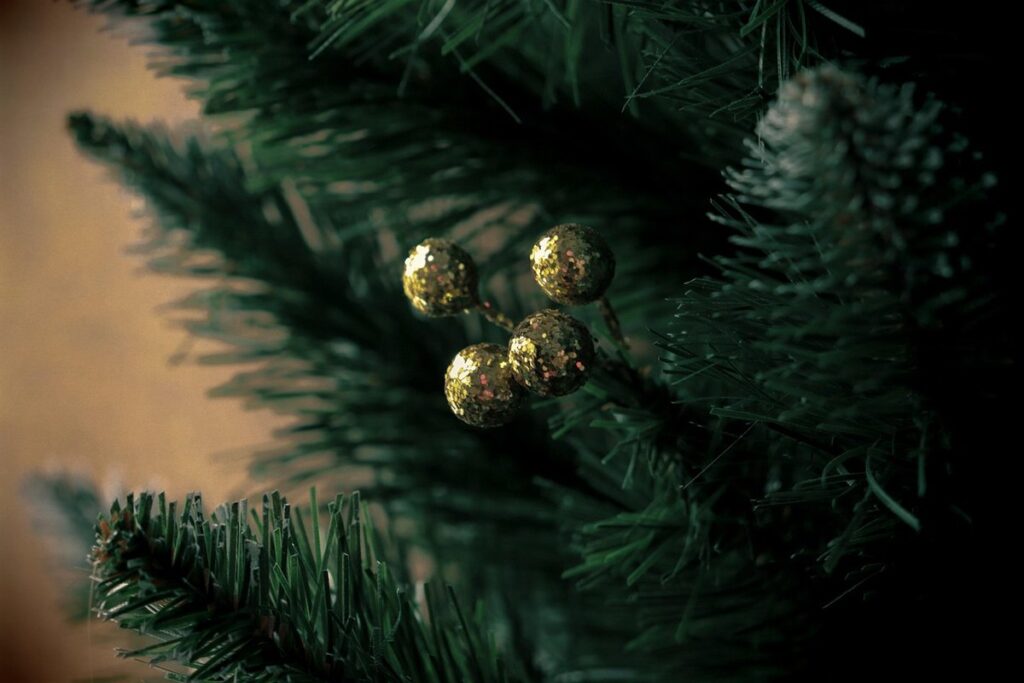
Choosing the Perfect Tree
When selecting a natural Christmas tree, consider its shape, size, and branch density to ensure it complements your decorations. A fuller tree will provide better support for ornaments.
Selecting the Right Type of Tree
When it comes to choosing the right tree for indoor decorating, several species stand out as suitable options. Firs, such as Fraser and Douglas firs, have a slender profile and soft needles, making them a popular choice. Their branches are flexible enough to hold heavy ornaments, but they can drop their needles when exposed to dry air.
Spruces, like the Norway and Blue spruce varieties, offer sturdy branches that can support heavier loads. However, they tend to be more prickly than firs due to their needle arrangement. This might make them less suitable for families with young children who may accidentally poke themselves on the needles.
Pines are another common option, particularly for those who prefer a fuller tree shape. Eastern white pine is a good example of this type. While pines have hard needles that can withstand some wear and tear, their branches may not be as robust as those found in spruce trees.
Considerations for Tree Size and Shape
When selecting a natural Christmas tree for decorating, it’s essential to consider the tree’s size and shape to ensure it fits comfortably within your space. Start by measuring the area where you plan to place the tree, taking note of its height, width, and any overhead obstacles such as low-hanging branches or lights.
Consider the tree’s branch density as well – a fuller tree with closely spaced branches will create a lush, dense display, while a more sparse tree may require additional decorations to achieve the desired look. Most Christmas trees fall within the 6-12 foot height range, but if you have limited space, consider a smaller tree or explore options like tabletop trees.
Think about your decorating style and what type of display you want to create. For example, if you’re aiming for a minimalist look, choose a slender tree with few branches. Alternatively, a more robust tree can provide a beautiful backdrop for elaborate ornamentation. By carefully selecting a tree that fits your space and desired aesthetic, you’ll be able to create a stunning holiday display that makes the most of your natural Christmas tree decor.
DIY Natural Decorations
Transform your Christmas tree into a winter wonderland with simple, eco-friendly decorations you can create using natural materials found at home and in nature. We’ll show you how to make it happen!
Making Pompoms with Foliage
To create natural pompoms using foliage, start by gathering various types of branches with interesting shapes and textures. You’ll also need some green wire, floral tape, and a pair of scissors. Begin by wrapping a small bunch of foliage around the stem, securing it with floral tape. Then, take a length of green wire and wrap it around the base of the stems to create a sturdy foundation.
For varying sizes, simply adjust the amount of foliage you use or the size of your wraps. For different colors, experiment with incorporating dried flowers, like baby’s breath or statice, into your pompoms. To add extra texture, try using a mix of soft and stiff branches. For example, pairing curly willow with fir branches creates an interesting contrast.
When making larger pompoms, use thicker stems and more foliage to create a fuller effect. Consider grouping smaller pompoms together for added visual interest. As you work, keep in mind the overall look you want to achieve – a cohesive color palette or a mix of textures can help tie your decor together.
Creating a Garland from Natural Materials
To create a garland from natural materials, start by gathering an assortment of items like pinecones, twigs, dried flowers, and leaves. Consider collecting materials with different textures to add depth and interest to your garland. For example, combine smooth, matte leaves with rough, woody branches or delicate, papery flower petals.
For a rustic theme, use plenty of twigs and pinecones in a mix of shapes and sizes. You can also incorporate dried seed pods, acorns, or other natural elements that evoke a sense of the outdoors. For a more whimsical look, include some sprigs of fresh greenery like eucalyptus or rosemary, which will add a pop of color and fragrance to your garland.
When creating your garland, think about the colors you want to feature. Stick to a palette of earthy tones for a classic, wintery feel, or incorporate some brighter hues with flowers in shades of pink, yellow, or orange. To secure your materials together, use floral wire, twine, or even a hot glue gun – just be sure to work on a surface that’s protected from any mess.
Nature-Inspired Ornaments
Bring a touch of nature’s magic to your Christmas tree with ornaments that reflect the beauty of the outdoors, from pinecones to driftwood and more. We’ll explore some lovely ideas for you to try at home.
Using Pinecones as Decorations
When it comes to using pinecones as decorations, a bit of preparation can go a long way. Start by cleaning the pinecones with a soft brush to remove any dirt or debris that may be stuck between the scales. This will help ensure they don’t leave any unwanted marks on your tree.
Once cleaned, you can use paint to add some color and personality to your pinecones. Choose a paint specifically designed for outdoor use to ensure it won’t chip or fade quickly. You can also use ribbons or twine to create a more rustic look. Simply wrap the ribbon around the pinecone, overlapping the ends as you go to secure it in place.
Pinecones are surprisingly durable and can withstand the elements with ease. In fact, they’re often used as decorations for outdoor spaces like patios and porches because of their ability to withstand moisture and extreme temperatures. With proper care, your pinecone decorations can last for multiple holiday seasons – a great option if you’re looking for sustainable Christmas tree ornaments.
Crafting Twine-Wrapped Ornaments
To create rustic ornaments, gather branches or sticks with interesting shapes and textures. Begin by cutting a piece of twine to a suitable length, leaving some slack for wrapping around the branch. Start at one end, overlapping the twine as you wrap it around the branch in a spiral pattern. Secure the twine in place with a small knot.
For added personality, consider incorporating natural elements like pinecones, acorns, or dried flowers into your design. Simply tuck them under the twine as you wrap it around the branch, creating a unique focal point for each ornament. To personalize these ornaments further, write names or special dates on a piece of paper and tie them to the branch with a length of twine.
This simple technique can be adapted to create an assortment of ornaments in various sizes and textures. Experiment with different types of branches, like birch or willow, for distinct looks. With a little creativity, you can turn everyday natural materials into beautiful, handmade decorations that add warmth and character to your holiday display.
Lighting Up Your Tree
Transforming your tree into a warm and inviting focal point is where lighting comes in, adding depth and ambiance to your natural Christmas display. Strategically placing lights can elevate even the simplest ornamentation.
Candle Safety Precautions
When using candles on your natural Christmas tree, safety should be your top priority. The flickering flames can create a warm and cozy ambiance, but they also pose a significant fire hazard if not handled properly.
To prevent fires, keep the candles at least 3 feet away from any branches or foliage that could catch fire easily. Avoid placing them near heat sources like radiators or heaters, which can ignite nearby flammable materials. You should also never leave lit candles unattended for extended periods, especially when you’re not in the room.
To maintain a stable flame, trim the wicks to 1/4 inch before lighting them. This will help prevent the flames from getting too high and reduce the risk of sparks or embers landing on nearby surfaces. You can also use candle snuffers to control the size of the flame if needed.
By following these simple precautions, you can enjoy the soft glow of candles on your natural Christmas tree while minimizing the risk of accidents.
Fairy Lights and String Lights
When selecting fairy lights or string lights for your natural Christmas tree decorations, consider the color temperature of the bulbs. Warm white lights (2700K-3000K) create a cozy ambiance and complement traditional holiday colors, while cool white lights (3500K-5000K) produce a brighter, more modern glow that pairs well with minimalist decor. Choose lights with a high lumen output to ensure they’re visible from across the room.
Consider the length of your fairy lights or string lights as well. You’ll need enough lights to wrap around the tree’s branches without leaving gaps, but avoid overloading it with too many strands. Typically, 20-50 feet of lights per section of the tree is sufficient. Energy-efficient options like LED bulbs are a good choice, as they use significantly less power than incandescent bulbs and often have a longer lifespan.
To hang your fairy lights or string lights, start at the top of the tree and work your way down, gently weaving them through branches to avoid damaging the foliage. Secure the lights with clips or small hooks to prevent them from slipping off as you add more ornaments and decorations.
Theme-Based Displays
For a cohesive look, focus on selecting ornaments and decorations that fit within a specific theme, such as a rustic winter wonderland or a festive forest. Choose items that complement each other in color, texture, and style.
Winter Wonderland Theme
Creating a cohesive look with natural elements is key to pulling off a Winter Wonderland theme on your Christmas tree. Start by selecting frosted glass ornaments in icy blues and silvers, which will add a frosty sheen to your branches. You can also use clear glass or mercury glass ornaments for added sparkle.
To enhance the wintry feel, incorporate snowy branches into your decor. Look for ones with delicate, lacy patterns and place them around the tree, weaving them through the branches like a winter forest. Icy blue ribbons in sheer or sparkly materials will add a touch of frosty magic to your display. Consider tying them around the tree trunk or using them as a garland along the branches.
To tie everything together, balance your natural elements with some simple greenery like eucalyptus or ferns. This will bring warmth and depth to your Winter Wonderland theme without overpowering the delicate beauty of the snowy branches and frosted glass ornaments. With these elements combined, you’ll have a Christmas tree display that’s as serene as a winter morning.
Coastal Christmas Theme
A coastal Christmas theme is all about bringing the ocean’s charm indoors. Driftwood pieces, weathered to a silvery gray, can be arranged artfully on the tree branches, creating a sense of movement and texture. Seashells in various shapes and sizes add a pop of color and create an eye-catching contrast against the evergreen foliage.
To balance earthy elements like pinecones and eucalyptus with sea-inspired decorations, consider grouping similar items together. For instance, cluster driftwood pieces near the tree’s base or use seashells to fill in gaps between branches. This harmonious juxtaposition creates visual interest without overwhelming the senses.
When selecting coastal-themed ornaments, opt for those made from natural materials like woven fibers or genuine shells. These authentic touches will enhance your display’s authenticity and sustainability credentials. A small bowl of river rocks or pebbles placed at the tree’s base adds an organic feel, while a few strategically placed glass floats or mercury glass vases add a touch of whimsy.
Advanced Decorating Techniques
Take your natural Christmas tree decor to the next level with expert techniques, from intricate garland weaving to carefully placed decorative elements that add a touch of elegance.
Layering Textures and Colors
When layering textures and colors, consider combining smooth glass ornaments with rough-hewn wood decorations or metallic accents. For instance, a sleek mercury glass vase can be paired with a wooden sled ornament or a hand-blown glass ornament in a muted hue.
To create visual interest, balance matte finishes with glossy ones, like pairing a matte-painted pinecone with a glossy glass snowflake. Similarly, mix cool tones (blues, greens) with warm hues (oranges, yellows) to add depth and dimension. A general rule of thumb is to start with a dominant color or texture, then add secondary accents in complementary colors or textures.
Incorporating natural elements like pinecones, branches, and evergreen sprigs can also add variety and interest to your display. For example, you might group small glass ornaments around the base of a large branch, then hang wooden decorations from the branch’s limbs. Alternatively, use a glass vase as a centerpiece and surround it with smaller vases filled with greenery or holly berries in varying shades.
Grouping Decorations Strategically
When grouping natural decorations on your Christmas tree, it’s essential to strike a balance between filling spaces and leaving room for the eye to wander. Negative space plays a crucial role in creating visual interest, allowing the branches and ornaments to breathe. Think of your tree as a canvas: just as an artist balances colors and textures, you want to distribute your decorations thoughtfully.
Symmetry is not always necessary; a more relaxed approach can create a charming, organic feel. However, incorporating symmetry can add depth and structure to your design. Place identical or similar items on either side of the tree, but don’t be afraid to break this rule for visual variety. For example, you might group a few pinecones together on one branch, while placing a single, oversized ribbon ornament on the opposing side.
Consider the color palette of your decorations when grouping them. Sticking to a cohesive scheme will create harmony within the tree’s arrangement. Experiment with different combinations and distances between groups to achieve a visually pleasing balance that complements the natural beauty of your tree.
Seasonal Maintenance
To keep your Christmas tree looking its best, regular maintenance is essential to prevent shedding and preserve the freshness of your natural decorations. Regular cleaning and pruning will make all the difference in creating a stunning holiday display.
Preserving Your Tree’s Freshness
To keep your tree fresh throughout the holiday season, focus on proper watering techniques. Check the tree’s water level daily, making sure the trunk is submerged at least 1 inch above the water line. You can also use a moisture meter to gauge the tree’s hydration levels. Watering too little can cause needles to turn yellow and drop, while overwatering can lead to root rot.
For pest control, inspect your tree regularly for signs of insects like spiders, aphids, or mealybugs. Use neem oil or insecticidal soap to treat infestations promptly. Keep the tree away from direct sunlight, which can exacerbate drying and increase pest vulnerability.
A fresh tree is more receptive to natural decorations, so maintain its health by keeping it in a cool area with good air circulation. Avoid placing it near heating vents or radiators, as these can quickly dry out the tree’s needles. By following these simple steps, you’ll be able to enjoy your natural Christmas tree throughout the holiday season and create a stunning display that’s also healthy and vibrant.
Disposing of Your Christmas Tree Responsibly
When the holiday season comes to an end, don’t forget about the environmental impact of your Christmas tree. Many cities and towns offer special collection days for Christmas trees, which are then chipped into mulch or composted.
Before putting your tree on the curb, consider whether it’s still structurally sound enough to be used as a habitat for wildlife. If not, look into local composting programs or facilities that accept Christmas trees. Some companies will even pick up your tree and turn it into nutrient-rich mulch.
Composting is an excellent way to dispose of your tree, as it provides essential nutrients for your garden come springtime. You can also repurpose the branches as plant stakes or trellises for climbing plants. If none of these options are feasible, check with your local waste management department to see if they offer a special collection day.
To get the most out of composting, be sure to remove any ornaments, tinsel, and lights first. This will ensure that your tree is processed into nutrient-rich mulch rather than being sent to a landfill.
Frequently Asked Questions
What if I have a very small space for my Christmas tree?
Start by considering compact trees like dwarf pines or smaller fir varieties that grow up rather than out. You can also think about vertical arrangements, like using a corner of the room or hanging your tree from the ceiling.
Can I use real natural elements like leaves and branches to decorate my tree if they’re not in season?
Yes, you can use preserved or dried versions of seasonal materials, but be mindful of their longevity. Consider combining them with artificial elements for a more sustainable look that lasts throughout the holiday season.
How do I keep my DIY decorations looking fresh and preventing pest infestations on my natural tree?
To maintain your decorations’ appearance, gently dust them with a soft brush or damp cloth to prevent dirt buildup. Regularly inspect your tree for signs of pests like spider mites or mealybugs, and use organic pest control methods if necessary.
What if I’m unsure about layering textures and colors in my display?
Focus on balancing earthy elements with pops of color from natural materials like pinecones, berries, or flowers. Experiment with different arrangements until you achieve a visually appealing balance that creates depth in your display.
Can I use fairy lights with candles or traditional incandescent bulbs on my tree if I have young children or pets?
No, it’s best to avoid using open flames near flammable materials like dry branches or artificial decorations. Opt for battery-operated candles or LED lights instead to ensure a safer holiday display.

