
Sweet potatoes are a nutritional powerhouse, rich in vitamins A and C, potassium, and fiber. Yet, many of us are cooking them in ways that compromise their nutritional value. The good news is that with a few simple tweaks to your cooking techniques, you can maximize the health benefits of sweet potatoes while minimizing effort. From steaming to roasting, air frying to microwaving, there’s a plethora of ways to cook sweet potatoes without sacrificing flavor or nutrients. But not all methods are created equal – some retain more of their nutritional goodness than others. In this article, you’ll learn the healthiest ways to cook sweet potatoes for maximum nutrition and minimal effort, so you can make informed choices and enjoy this delicious root vegetable with confidence. By the end of this guide, you’ll know how to prepare sweet potatoes that are both healthy and delicious.
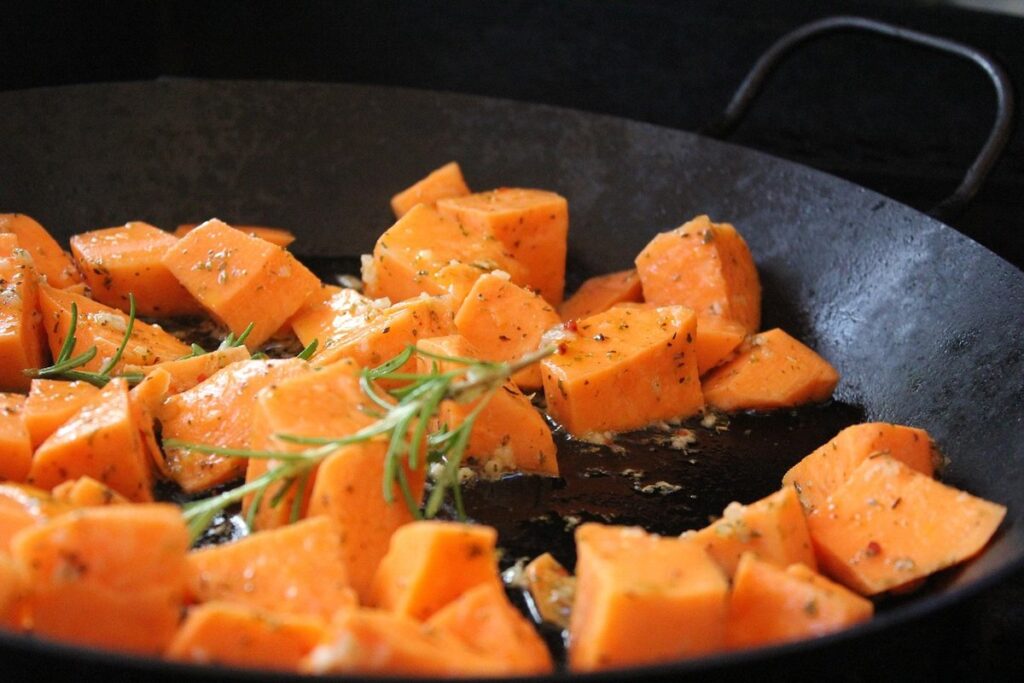
Understanding the Nutritional Benefits of Sweet Potatoes
Sweet potatoes are a nutrient-dense food packed with vitamins, minerals, and antioxidants that can have a significant impact on our overall health. Let’s take a closer look at what makes them so beneficial for our bodies.
Unlocking the Full Potential of Sweet Potatoes
Cooking sweet potatoes can significantly impact their nutritional content. Overcooking, for instance, can lead to a loss of water-soluble vitamins like vitamin C and B vitamins. On the other hand, cooking methods that use minimal water or no added fat can help retain more nutrients. Boiling is often recommended as it’s easy to prepare and helps preserve most of the sweet potato’s nutrient profile.
But why are sweet potatoes so valuable in the first place? They’re packed with essential vitamins A and E, potassium, and fiber. In fact, they contain more beta-carotene than carrots, which our bodies convert into vitamin A – a crucial nutrient for healthy vision, immune function, and skin health. Sweet potatoes also tend to be higher on the glycemic index compared to other starchy vegetables, making them an excellent choice for those looking to regulate blood sugar levels.
When preparing sweet potatoes, it’s essential to balance cooking time with nutritional retention. Roasting is another great option as it caramelizes the natural sugars and brings out their sweetness without adding excessive oil or water. Opting for short cooking times and using minimal water can help ensure that you’re reaping the full rewards of this incredible superfood.
Choosing the Right Sweet Potatoes for Cooking
When selecting sweet potatoes for cooking, it’s essential to choose the right type for your recipe. There are two primary categories: starchy and waxy. Starchy sweet potatoes, such as Beauregard and Covington, have a dry, fluffy interior and a sweet flavor, making them ideal for baking, roasting, or mashing.
Waxy sweet potatoes, like Japanese and Korean varieties, hold their shape well when cooked and have a naturally sweeter taste. They’re perfect for boiling, steaming, or grilling. For oven-roasted sweet potato fries, choose a high-starch variety like Beauregard for crispy results. If you prefer soft, fluffy fries, opt for a waxy type like Japanese.
Some popular sweet potato varieties include Jewel and Garnet, which have an attractive purple skin and orange flesh. These work well in soups or stews where their vibrant color can add visual appeal. When selecting sweet potatoes at the store, look for firm, smooth skins with no signs of green mold. This will ensure your chosen variety reaches its full flavor potential when cooked. Choose sweet potatoes that are heavy for their size to guarantee sweetness and tenderness.
The Dangers of High-Temperature Cooking
High-temperature cooking can actually be detrimental to the nutritional value and even safety of your sweet potatoes, especially when it’s done incorrectly. Let’s examine some common pitfalls to avoid in this area.
The Risks of Deep-Frying Sweet Potatoes
Deep-frying sweet potatoes is a nutritional non-starter. When you submerge them in scorching hot oil, the nutrients start to break down almost immediately. Water-soluble vitamins like vitamin C and B vitamins are particularly vulnerable, dissolving into the cooking liquid in just minutes. This means that a deep-fried sweet potato can lose up to 40% of its original nutritional value.
The Maillard reaction, which occurs when amino acids and reducing sugars interact with heat, also contributes to nutrient degradation. While this chemical reaction is responsible for the formation of new compounds with potential health benefits, it can also lead to the formation of acrylamide, a known carcinogen. Cooking at extremely high temperatures (above 400°F) accelerates the Maillard reaction and increases acrylamide production.
To minimize nutrient loss and avoid potentially toxic compounds, limit your use of deep-frying or consider alternative cooking methods altogether. Instead, try roasting or baking sweet potatoes in the oven to retain more of their natural goodness.
Baked vs. Boiled: Which Method is Healthier?
Baked sweet potatoes retain more of their nutrients than boiled ones, particularly water-soluble vitamins like vitamin C and B vitamins. When you boil sweet potatoes, these water-soluble vitamins are lost in the cooking water. In contrast, baking allows for gentle heat penetration without excessive water usage. The Maillard reaction, a chemical reaction between amino acids and reducing sugars that occurs when food is cooked at high temperatures, also enhances the sweetness of baked sweet potatoes.
On the other hand, boiling can lead to nutrient loss due to the longer cooking time and the use of more water. This method is also less effective in breaking down starches, leaving some boiled sweet potatoes starchy and unpalatable. If you do choose to boil your sweet potatoes, it’s essential to minimize cooking time and use as little water as possible to preserve nutrient content.
To maximize nutritional retention when baking or boiling sweet potatoes, try using shorter cooking times and lower temperatures. For example, baking at 400°F (200°C) for 45-60 minutes is often more effective than longer, hotter sessions.
Steaming and Roasting: Low-Temperature Cooking Methods
When it comes to cooking sweet potatoes, low-temperature methods are a game-changer for retaining nutrients and flavor. We’ll explore two key techniques that yield amazing results every time.
The Benefits of Steaming Sweet Potatoes
Steaming sweet potatoes is a low-temperature cooking method that preserves nutrients like vitamin C and B vitamins, which are water-soluble and can be lost through boiling. This process helps retain the natural sweetness of the sweet potato as well. When steamed, sweet potatoes also become easier to digest due to their lower glycemic index compared to boiled or roasted options. Steaming helps break down some of the harder-to-digest compounds, making it a great choice for people with sensitive stomachs.
To maximize nutrient preservation when steaming sweet potatoes, cook them until they’re tender but still firm in the center. This will help prevent overcooking and subsequent loss of nutrients. Also, use a steamer basket to keep the sweet potatoes above the waterline, ensuring minimal exposure to excess moisture that can lead to nutrient degradation. Additionally, be mindful of cooking time – shorter is better when it comes to steaming sweet potatoes, typically around 10-15 minutes for whole medium-sized tubers. By following these tips, you’ll not only enjoy a delicious and nutritious side dish but also minimize the risk of overcooking and nutrient loss.
How to Roast Sweet Potatoes for Maximum Nutrition
Roasting sweet potatoes at a low temperature brings out their natural sweetness while retaining most of their water-soluble vitamins. To roast sweet potatoes for maximum nutrition, start by preheating your oven to 400°F (200°C). Cut the sweet potatoes into 1-inch cubes or wedges and toss them with 2-3 tablespoons of oil, such as olive or avocado oil.
Choose from a variety of seasonings like smoked paprika, garlic powder, and dried herbs like thyme or rosemary. For an Asian-inspired flavor, mix together soy sauce, honey, and sesame oil. To enhance the nutritional content, try roasting with antioxidant-rich spices like cinnamon or ginger.
Spread the sweet potatoes in a single layer on a baking sheet and roast for 20-25 minutes, or until they’re tender and caramelized. Stir them halfway through to ensure even cooking. For a crisper exterior, increase the oven temperature to broil for an additional 2-3 minutes. Keep a close eye on them during this time to avoid burning. By following these steps, you’ll achieve perfectly roasted sweet potatoes that are both delicious and nutritious.
Air Frying: A Healthier Alternative to Deep-Frying
Air frying is a fantastic way to achieve that crispy exterior without sacrificing your health goals, making it an excellent alternative to deep-frying. Let’s take a closer look at how air frying works its magic on sweet potatoes.
The Science Behind Air Frying
Air frying technology relies on rapid air circulation to cook food, reducing the need for excess oil. This process is made possible by advanced fans within the unit that circulate hot air around the food at high speed. The result is a crispy exterior and tender interior, similar to deep-frying, but with much less oil.
In comparison to traditional deep-frying, air frying technology uses significantly less oil – typically 50-80% less. This reduced oil consumption makes it an attractive option for those looking to cut down on calories and saturated fats in their diet. Moreover, air fryers are often designed with energy efficiency in mind, consuming less power than conventional ovens.
When cooking sweet potatoes using an air fryer, you can take advantage of these benefits by preheating the unit to 400°F (200°C) and cooking them for about 20-25 minutes, depending on their size. This method allows you to achieve a crispy exterior without the need for excess oil or lengthy cooking times. To ensure optimal results, be sure to pat dry your sweet potatoes before cooking to promote even air circulation.
Tips for Air Frying Sweet Potatoes Like a Pro
When cooking sweet potatoes in an air fryer, achieving crispy results with minimal oil requires a few key techniques. First, choose the right temperature: 400°F (200°C) is ideal for sweet potato slices or wedges, as it yields a golden-brown crust without overcooking the interior. Next, pat dry your sliced sweet potatoes before cooking to remove excess moisture; this helps the air fryer’s hot air circulate evenly and crisp up the surface.
It’s also crucial to not overcrowd the basket – cook in batches if necessary – so that each piece has enough room to brown evenly. A small amount of oil (about 1-2 teaspoons per serving) can be applied to help browning, but feel free to skip it altogether for an oil-free option. Experiment with different seasoning combinations, such as smoked paprika or garlic powder, to add depth to your air-fried sweet potatoes.
Some models come equipped with a non-stick basket; if yours doesn’t, lightly spray the basket with cooking spray to prevent sticking and make cleanup easier.
Microwave Cooking: A Quick but Nutrient-Retentive Method
Microwaving sweet potatoes is a surprisingly healthy option that preserves their nutrient-rich goodness while cooking them quickly and efficiently. This method is ideal for busy cooks who want to save time without sacrificing nutritional value.
The Benefits of Microwaving Sweet Potatoes
Microwaving sweet potatoes offers several benefits that make it a convenient option for cooking. Time savings is one of the most significant advantages – microwaves cook sweet potatoes up to 75% faster than boiling, which means you can have perfectly cooked sweet potatoes in just a few minutes. This speed doesn’t come at the cost of nutrient preservation; in fact, microwave cooking tends to retain more nutrients than other high-heat methods.
When microwaving, it’s essential to poke some holes in the sweet potato to allow steam to escape and prevent it from exploding. A simple trick is to use a fork to create 2-3 small punctures on each side of the potato. This ensures even cooking and helps retain moisture. Another tip is to wrap the sweet potato in a paper towel before microwaving, which can help soften the skin and make it easier to handle.
Overall, microwaving sweet potatoes offers a convenient way to cook this nutrient-dense food without sacrificing flavor or nutrition. By following these simple tips, you can enjoy perfectly cooked sweet potatoes while saving time and preserving their natural goodness.
How to Cook Sweet Potatoes in the Microwave for Perfect Results
Cooking sweet potatoes in the microwave is a quick and efficient way to retain their nutrients. To achieve perfect results, follow these steps: Wash the sweet potato thoroughly and pat it dry with a paper towel to remove excess moisture. This helps even cooking and prevents steam from building up inside the spud. Next, pierce the sweet potato 3-4 times with a fork to allow steam to escape during cooking.
Place the sweet potato on a microwave-safe plate and cook on high for 3-4 minutes per side, depending on its size and your desired level of doneness. Check for tenderness by inserting a fork; if it slides in easily, it’s cooked through. Some microwaves may have varying power levels, so adjust cooking time accordingly.
After cooking, let the sweet potato stand for 1-2 minutes before slicing or serving. This allows the internal heat to redistribute, ensuring even texture and flavor. Cooking sweet potatoes in the microwave is a straightforward process that yields perfectly cooked results with minimal effort required.
Advanced Cooking Techniques: Sautéing, Grilling, and More
To take your sweet potato cooking skills to the next level, we’ll cover essential techniques like pan-searing, grilling, and roasting. These methods bring out the best flavor in this nutritious root vegetable.
The Art of Searing Sweet Potatoes
When it comes to achieving a crispy exterior and tender interior on sweet potatoes, mastering the art of searing is essential. To start, select high-quality sweet potatoes with smooth, unblemished skin – these will yield better results than those with rough or dimpled surfaces. Preheat your skillet over medium-high heat until it reaches 400°F (200°C). While the pan heats up, slice the sweet potatoes into 1/2-inch thick rounds, removing any excess moisture from each piece with a paper towel.
Once the pan is hot, add a small amount of oil and swirl it around to coat the bottom. Sear the sweet potato slices for 3-4 minutes on each side, or until they develop a deep golden-brown color and a crispy texture. To prevent burning, adjust the heat as needed – if you notice the edges starting to darken too quickly, reduce the heat to medium-low. The resulting sweet potatoes will be tender yet firm, with a satisfying crunch from the caramelized exterior. Experimenting with different cooking times and temperatures will allow you to refine your technique and achieve optimal results every time.
How to Grill Sweet Potatoes for Smoky Flavor
To add smoky flavor to grilled sweet potatoes, you can rub them with a mixture of chili powder, brown sugar, and smoked paprika. For a more intense flavor, marinate the sweet potatoes in a blend of olive oil, lime juice, garlic, and cumin for at least 30 minutes before grilling.
When selecting seasonings, consider the type of dish you’re preparing. A Mediterranean-inspired grilled sweet potato might feature oregano, thyme, and lemon zest, while a spicy Mexican version could include chipotle peppers in adobo sauce and cilantro.
To achieve a nice char on your grilled sweet potatoes, cook them over medium-high heat for 5-7 minutes per side, or until they’re tender when pierced with a fork. Keep an eye on the temperature to prevent burning, as this can make the sweet potatoes taste bitter.
Some popular marinade ingredients include balsamic vinegar, soy sauce, and honey. Experiment with different combinations to find your favorite flavors.
Conclusion: Putting it All Together for Optimal Health
Now that you’ve learned the best ways to cook sweet potatoes, let’s summarize the key takeaways and create a customized plan for incorporating these techniques into your daily routine.
Recap of the Best Cooking Methods for Sweet Potatoes
When cooking sweet potatoes, it’s essential to choose methods that preserve their natural nutritional benefits. Steaming is one of the best ways to cook sweet potatoes, as it allows them to retain up to 95% of their vitamin C content. Boiling is also a good option, but be mindful of using too much water, which can leach out some nutrients.
Roasting and grilling are other healthy cooking methods for sweet potatoes. Roasting brings out the natural sweetness in sweet potatoes while preserving their fiber and antioxidants. Grilling adds a smoky flavor without adding extra oil or calories.
On the other hand, avoid baking or microwaving whole sweet potatoes with foil. These methods can lead to overcooking and nutrient loss. Instead, try cutting sweet potatoes into smaller pieces before cooking them in the microwave or oven. This will help them cook more evenly and retain their nutrients.
Final Tips and Recommendations
Incorporating healthy cooking practices into daily life can seem daunting, but with a few simple habits, you’ll be well on your way to making sweet potatoes a staple in your diet. Start by designating one day a week as “Sweet Potato Day,” where you plan and cook a variety of recipes using this nutritious root vegetable.
To make the most of your Sweet Potato Day, prep ahead by roasting or boiling a large batch that can be used throughout the week in different meals. For example, use roasted sweet potatoes as a topping for salads or as a side dish for grilled meats. You can also mash cooked sweet potatoes and freeze them for future use in smoothies or as a topping for oatmeal.
Another key tip is to keep your pantry stocked with essential spices and seasonings that complement sweet potatoes’ natural sweetness. Try adding a sprinkle of cumin, coriander, or smoked paprika to give your dishes an extra boost of flavor. By incorporating these simple practices into your daily routine, you’ll be cooking healthier, more delicious meals in no time.
Frequently Asked Questions
Can I use my air fryer for cooking larger quantities of sweet potatoes?
Yes, many air fryers come with a capacity to cook multiple sweet potatoes at once. However, be aware that you may need to adjust the cooking time and temperature settings based on the size and number of sweet potatoes being cooked.
What if I don’t have an air fryer or other specialized equipment – can I still cook healthy sweet potatoes?
Absolutely! Steaming, roasting, and microwaving are all excellent options for cooking sweet potatoes without special equipment. These methods are also relatively quick and easy to implement.
How do I know when my roasted sweet potatoes are done? Is there a specific temperature or color indicator?
A good rule of thumb is to check the sweet potatoes after 20-25 minutes of roasting at 425°F (220°C). They should be tender when pierced with a fork, and the edges should be caramelized and slightly crispy. If you’re unsure, try checking for these visual cues.
Can I use leftover cooked sweet potatoes in salads or as a side dish?
Yes, cooked sweet potatoes can make a fantastic addition to many dishes! They retain their nutrients well even after cooking, so feel free to get creative with your recipes. Try adding diced sweet potatoes to a spinach salad or using them as a topping for soup bowls.
What if I have trouble achieving crispy results when air frying sweet potatoes – are there any common mistakes I should avoid?
Yes, there are a few things to keep in mind: make sure the sweet potatoes are cut into uniform pieces and not overcrowding the basket. Also, adjust the cooking time and temperature as needed based on your specific air fryer model.

