
Creating a comprehensive travel itinerary can be a daunting task, especially for first-time travelers. You’ve spent hours researching destinations, weighing pros and cons, and finally narrowed down your options to just one or two places that capture your attention. But have you ever felt overwhelmed by the sheer amount of details involved in planning a trip? From booking flights and accommodations to mapping out daily activities and transportation schedules, it’s easy to get bogged down in the minutiae. A well-planned itinerary can make all the difference, ensuring a stress-free and enjoyable journey. In this step-by-step guide, we’ll walk you through the process of creating a travel itinerary that takes into account your research, planning, and final preparations for a seamless trip. By the end of it, you’ll be able to create a comprehensive travel plan with confidence.
Planning Your Trip
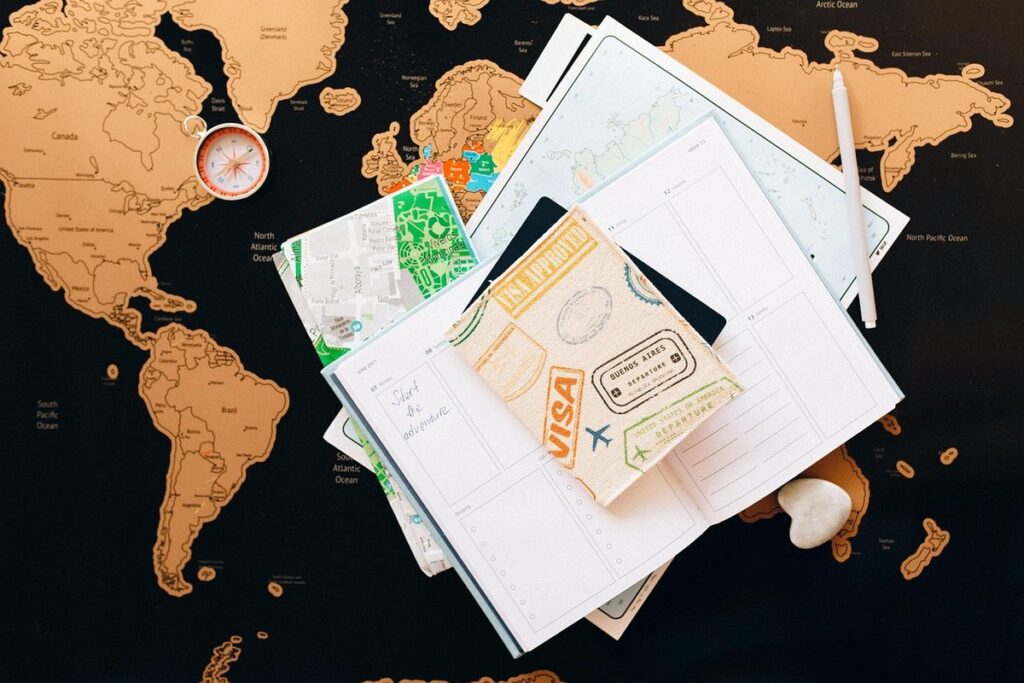
Now that you’ve determined your travel dates, it’s time to start planning your trip from scratch, including choosing your destinations and activities. Let’s begin with mapping out your daily schedule to ensure a smooth journey.
Researching Destinations and Activities
When researching potential destinations and activities for your trip, start by consulting travel guides like Lonely Planet or Frommer’s. These guides offer a wealth of information on top attractions, hidden gems, and local customs. You can also browse online review sites like TripAdvisor or Yelp to get a sense of what other travelers have experienced at specific locations.
Social media platforms are another valuable resource for researching your trip. Follow travel influencers, tourism boards, and local businesses to stay up-to-date on the latest developments and insider tips. Pay attention to hashtags related to your destination, as they can provide a wealth of information on popular activities, festivals, and events.
In addition to these resources, don’t underestimate the power of word-of-mouth recommendations from fellow travelers or friends who have visited the area before. Ask for their honest opinions on the best places to visit and things to do, and take note of any tips they may offer on avoiding tourist traps or navigating unfamiliar areas.
When evaluating different destinations and activities, consider factors like cost, accessibility, and personal interests to ensure you’re planning a trip that meets your needs and budget.
Identifying Budget and Time Constraints
When planning a trip, it’s essential to consider two critical factors: budget and time constraints. Without a clear understanding of these limitations, you risk overspending or leaving essential activities off your itinerary. Start by setting a realistic daily budget for transportation, accommodation, and activities.
Allocate funds according to your priorities. For example, if you’re traveling to an expensive city like Tokyo, consider booking accommodations outside the city center to save on costs. Alternatively, opt for a hotel with kitchen facilities to prepare your own meals instead of relying on restaurants.
For transportation, research affordable options such as public transport or ride-sharing services. You can also look into budget airlines and book in advance to secure cheaper flights. Consider setting aside 10-20% of your daily budget for contingencies, like unexpected expenses or changes in plans.
Finally, be realistic about the time you have available for activities. Prioritize experiences that are worth devoting a full day to, such as visiting iconic landmarks or taking part in outdoor adventures. Leave some buffer time between each activity to account for travel and flexibility.
Setting Travel Dates and Length
When selecting travel dates and length for your itinerary, consider the weather conditions at your destination. Check the average high and low temperatures for each month to determine when you’ll experience pleasant weather. For example, visiting Europe during spring (April-May) or fall (September-October) can be ideal, as these periods offer mild temperatures without the crowds of summer.
Keep in mind that holidays and special events can significantly impact tourist numbers. Research local festivals, religious observances, and popular events to avoid them if you prefer smaller crowds. In places like Japan, cherry blossom season is a major draw, while in India, Diwali attracts millions of visitors. Plan accordingly to ensure a more relaxed experience.
Additionally, consider the peak tourist seasons for your destination. For beach destinations, summer months are usually busier than winters. If you’re looking for a peaceful getaway, visiting during off-peak season can be an excellent choice. Conversely, if you don’t mind the crowds and want to save on accommodations, booking during peak season might suit your needs better.
Remember that these factors often intersect – for instance, European summers are typically warm but also peak tourist season. By weighing these considerations, you’ll be able to choose travel dates and length that fit your preferences.
Gathering Information and Resources
The next crucial step in creating a solid travel itinerary is gathering all necessary information and resources, from weather forecasts to local transportation options. This includes researching your destinations’ unique requirements and regulations.
Researching Transportation Options
When planning a trip, one of the most important decisions you’ll make is how to get from point A to point B. You have several transportation options available, including flights, trains, buses, and car rentals. Each type of transportation has its own advantages and disadvantages.
Flights are often the fastest option, but they can be expensive, especially if booked at short notice. Booking a flight well in advance can save you money, but it’s essential to compare prices across different airlines to find the best deal. Some budget airlines offer affordable fares, while others charge extra for services like checked baggage and food.
Trains are another option, particularly for shorter journeys or scenic routes. They often offer more comfort than buses and can be a cost-effective way to travel. Booking train tickets in advance is crucial to secure seats and get the best prices.
Buses are a budget-friendly option, but they may not always be the fastest way to reach your destination. Car rentals provide flexibility, allowing you to create your own itinerary and stop at places along the way. When booking transportation, consider factors like departure times, travel duration, and cost to make an informed decision.
Finding Accommodation and Booking
When researching accommodation options, start by considering your budget and preferences. Look for hotels, hostels, vacation rentals, or boutique properties that fit your criteria. Websites like Booking.com, Expedia, and Hotels.com allow you to compare prices and read reviews from other travelers.
To book accommodations in advance, it’s essential to plan ahead, especially during peak travel seasons. Research popular areas and neighborhoods near your destination to ensure proximity to attractions and public transportation. You can also filter search results by price range, rating, or amenities like Wi-Fi or laundry facilities.
When choosing a place to stay, think about the services you need, such as breakfast included or 24-hour front desk. Consider the length of your trip and whether you’ll need additional storage space for luggage or a separate living area. For shorter stays, hostels can be an affordable option with shared facilities, while vacation rentals often offer more flexibility and self-catering options for extended periods.
Ultimately, book accommodations that meet your needs and budget, allowing you to allocate resources elsewhere in your travel itinerary.
Identifying Attractions and Activities
When researching attractions and activities at your destination, it’s essential to prioritize the experiences that will make your trip truly memorable. Start by consulting guidebooks, travel websites, and social media forums to get a sense of what draws visitors to your chosen location. Consider what type of traveler you are: are you interested in history, art, food, or outdoor adventure? Tailor your list accordingly.
As you research, ask yourself what specific experiences you want to have at each site. For example, do you want to take a guided tour of a museum, attend a performance at an opera house, or simply admire the architecture of a famous landmark? Make a distinction between must-see sights and activities that are worth exploring in more depth.
To create a comprehensive list of attractions and experiences, try making two separate lists. One should include the most essential sites to visit (e.g., iconic landmarks, world-renowned museums), while the other can encompass lesser-known gems or activities that are specific to your travel style.
Creating Your Itinerary
Now that you’ve defined your travel goals, it’s time to create a personalized itinerary, mapping out each day of your journey. This process involves researching activities and landmarks for each destination.
Structuring Your Travel Schedule
When structuring your daily schedule for a trip, consider the type of vacation you’re taking. For a beach vacation, mornings can be reserved for relaxation and sunbathing, while afternoons can be allocated for water activities or exploring nearby towns. In contrast, city breaks often require more structured time blocks for sightseeing and cultural experiences. Allocate at least 30 minutes to an hour for travel between destinations, assuming you’ll be using public transportation or taxis.
For a more leisurely pace, consider allocating one-third of your day for relaxation and exploration, one-third for activities, and the final third for travel or getting settled. For example, if you have eight hours in a new city, three hours could be spent exploring a museum, two hours wandering through local markets, and an hour visiting a nearby landmark. Be sure to schedule time for meals, as well as downtime to rest and recharge. A general rule of thumb is to leave some buffer space in your itinerary for spontaneity and unexpected experiences that may arise during travel.
Incorporating Flexibility into Your Itinerary
When creating your travel itinerary, it’s essential to strike a balance between planning and flexibility. Having some buffer time built into your schedule can be a lifesaver when unexpected events arise. Consider designating certain days or blocks of time as “open” or “free,” allowing you to adapt to changing circumstances.
To incorporate flexibility into your itinerary, identify high-priority activities that must be completed, such as booking flights or reserving accommodations. Once these essentials are taken care of, allocate space for spontaneity. This might mean setting aside afternoons or mornings for exploring local markets, trying new restaurants, or taking a detour to a nearby attraction.
Leave room for minor changes in your schedule, too – plan for contingencies and unexpected delays by assuming things won’t go exactly as planned. Most travelers find that some spontaneity makes the trip more enjoyable and memorable. By not overpacking every moment, you can better appreciate the beauty of traveling and make the most of your time on the road.
Using Travel Apps and Tools
Using travel apps and tools can greatly enhance your trip planning experience. Google Maps is an essential tool for navigating unfamiliar territories, providing real-time traffic updates and helping you optimize your route. TripIt is another valuable resource that consolidates all your flight, hotel, and rental car details into a single itinerary. Rome2rio allows you to compare transportation options between cities, ensuring the most convenient and cost-effective way to reach your destination.
When using these resources, it’s essential to create a shared itinerary with family or travel companions to avoid confusion about meeting times and locations. Many travelers find TripIt’s calendar view feature particularly helpful for visualizing their schedule. To get the most out of Google Maps, be sure to download offline maps for areas without reliable internet connectivity. This will save you from getting lost when Wi-Fi is scarce. By leveraging these travel apps and tools, you’ll reduce planning stress and ensure a smoother, more enjoyable journey.
Refining Your Itinerary
Now that you’ve laid out your travel plans, it’s time to fine-tune them and make sure every moment counts. Let’s focus on making the most of your precious travel time by refining your itinerary accordingly.
Reviewing and Adjusting Your Plans
As you finalize your travel itinerary, it’s essential to review and adjust your plans as needed. Travel is inherently unpredictable, and circumstances can change quickly. A sudden flight cancellation or a family emergency at home might require you to reassess your schedule. Additionally, new information about attractions, accommodations, or transportation options can also prompt changes.
Revisit your research and evaluate the impact of any changes on your overall travel experience. Consider factors like travel time, accommodation costs, and activity schedules. For instance, if a storm is forecasted in a destination you’re planning to visit, it might be wise to adjust your itinerary to avoid areas that could be severely affected.
When reviewing your plans, also think about the flow of activities and how they’re spaced out. Are there too many back-to-back tours or long travel days? Make adjustments to create a more balanced schedule that allows for rest and flexibility. This iterative process ensures your travel itinerary remains realistic and enjoyable throughout your trip.
Considering Additional Costs and Fees
When creating your travel itinerary, it’s essential to consider additional costs and fees associated with traveling. These expenses can vary greatly depending on your destination, mode of transportation, and activities planned. Travel insurance, visa fees, and equipment rentals are just a few examples.
Travel insurance, for instance, can cost anywhere from $20 to $50 per trip, depending on the provider and coverage level. While not mandatory, it’s often recommended, especially if you’re traveling to areas with high crime rates or natural disaster risks. Visa fees also apply in some countries, typically ranging from $10 to $200.
Equipment rentals, such as bike rentals for cycling tours or camera gear for photography excursions, can add up quickly. Consider budgeting at least $20-$50 per day for these expenses. It’s also a good idea to research equipment rental companies and compare prices before making a decision. When allocating funds for these costs, factor them into your overall daily or trip budget rather than leaving them as separate line items.
Finalizing Your Travel Documents
When planning international travel, it’s essential to finalize all necessary documents before departure. This includes a valid passport, visas for the countries you’ll be visiting, and any required health certificates. The time needed to obtain these documents varies depending on your nationality, destination, and mode of transportation.
Passport requirements typically involve ensuring your current passport is valid for at least six months beyond your planned return date. If it’s close to expiring or has a limited number of pages, renewing it promptly is advisable. In most cases, applying for a new or renewed passport can be done online, followed by mailing in required documents and paying any applicable fees.
Visa requirements differ significantly depending on the countries you’ll visit. Some nations require a visa upon arrival, while others need to be obtained beforehand through an embassy or consulate. Research your destination’s specific visa policies to determine which category applies. For example, tourists traveling to the US often qualify for an ESTA (Electronic System for Travel Authorization) rather than a traditional visa.
Keep in mind that some countries have specific health requirements, such as vaccination certificates for certain regions with high-risk diseases. It’s crucial to check if any additional documents are necessary based on your itinerary and travel plans.
Putting It All Together
Now that you’ve planned out each aspect of your trip, it’s time to bring everything together into a cohesive travel itinerary. This is where you’ll make any final adjustments and have a complete plan in place.
Reviewing and Revising Your Itinerary
Now that you’ve created a comprehensive itinerary, it’s time to review and revise your plans one last time. This is where you’ll ensure everything is in place for a smooth and enjoyable trip. Take a close look at your daily schedule, paying particular attention to transportation times, meal breaks, and any contingencies.
Check the accuracy of your travel documents, including flight tickets, hotel reservations, and rental car confirmations. Verify that you have all necessary contacts, such as embassy information and emergency assistance numbers. Consider creating a print or digital copy of your itinerary for easy reference during your trip.
Be ruthless in cutting anything non-essential from your schedule. You may be tempted to pack too much into your trip, but remember that leaving some buffer time can be just as valuable as filling every moment with activity. Take this opportunity to refine your plans based on any new information you’ve gathered since starting your itinerary. Reviewing and revising your itinerary one last time will give you peace of mind and set the stage for a successful adventure.
Tips for Travelers with Special Requirements
When planning your itinerary, consider travelers with special requirements who may need extra assistance. Research destinations and accommodations for wheelchair accessibility, such as ramps, elevators, and adaptable rooms. Websites like Accessible Travel Federation or the International Association of Accessibility Professionals provide valuable resources.
For language requirements, research phrases in the local language that can help you communicate basic needs, such as “where is the restroom?” or “I need a doctor.” Download translation apps on your phone, like Google Translate or iTranslate, to facilitate communication. Some hotels and tour operators offer multilingual staff, so it’s essential to confirm their services.
Additionally, consider packing necessary equipment, like a portable charger for electric wheelchairs or a power adapter for medical devices. Be sure to check with your airline or transportation provider about any specific requirements or restrictions. By taking these extra steps, you can create an itinerary that meets the needs of all travelers in your group, ensuring a more enjoyable and stress-free trip.
Final Preparations Before Departure
With your travel itinerary complete, it’s time to finalize preparations for departure. Check in online with your airline as soon as possible to ensure you receive your preferred seat selection and to print or access your boarding pass digitally. This also allows you to check baggage fees and make any necessary arrangements for checked luggage.
If traveling internationally, exchange currency now to avoid exchanging at airports or hotels where rates tend to be unfavorable. Research reputable currency exchange services in your area or use an ATM with low withdrawal fees to minimize losses.
Review your travel documents, including passports, visas (if required), and health insurance cards, to ensure they’re up-to-date and valid for the duration of your trip. Make photocopies of these documents and leave a copy with a trusted friend or family member in case of an emergency.
Double-check your airline’s baggage restrictions, flight schedule, and any travel alerts for your destination before departure. This will help you avoid last-minute changes or delays that could impact your journey.
Frequently Asked Questions
How long does it take to create a comprehensive travel itinerary?
Creating a travel itinerary can take anywhere from a few days to several weeks or even months, depending on the complexity of your trip and how much time you have available. Yes, it’s a process that requires patience and flexibility, but with a clear plan and a bit of organization, you’ll be well-prepared for your travels.
Can I create a travel itinerary for multiple people at once?
Yes, creating an itinerary for multiple travelers is definitely possible. In fact, many families or groups prefer to plan their trips together to ensure everyone’s needs are met. To do this effectively, consider assigning roles to each person in the group, such as research coordinator or activity planner.
What if I need to make last-minute changes to my itinerary?
Don’t stress – flexibility is key when traveling! If you need to make changes to your itinerary at the last minute, simply review and adjust your plans accordingly. Use travel apps or tools like TripIt or Google Maps to help you stay organized and on track.
How do I balance planned activities with free time in my itinerary?
Balancing structure and spontaneity is essential for a stress-free trip. Allocate specific timeslots for planned activities, but also leave room for relaxation and exploration. This will allow you to adapt to changing circumstances while still enjoying your travels.
Can I use travel apps and tools for planning international trips as well?
Yes, many popular travel apps and tools are designed for international travel, helping you navigate foreign languages, currencies, and regulations with ease. Consider using specialized apps like Rome2rio or Google Translate to streamline your planning process.

