
A clutter-free workspace is no longer just a nicety for employees; it’s becoming a necessity. Research has shown that an organized office environment can significantly boost creativity, improve mental clarity, and increase productivity. However, creating such a space requires more than just getting rid of some desks and chairs – it demands a thoughtful approach to design and maintenance. You’ll often find that clutter accumulates quickly in offices due to the sheer volume of documents, equipment, and office supplies that employees need for their work. But there’s a way to break this cycle: by adopting minimalist principles that promote simplicity and efficiency.
In this article, we’ll explore practical tips for designing and maintaining an office space that benefits both employees and your business as a whole.
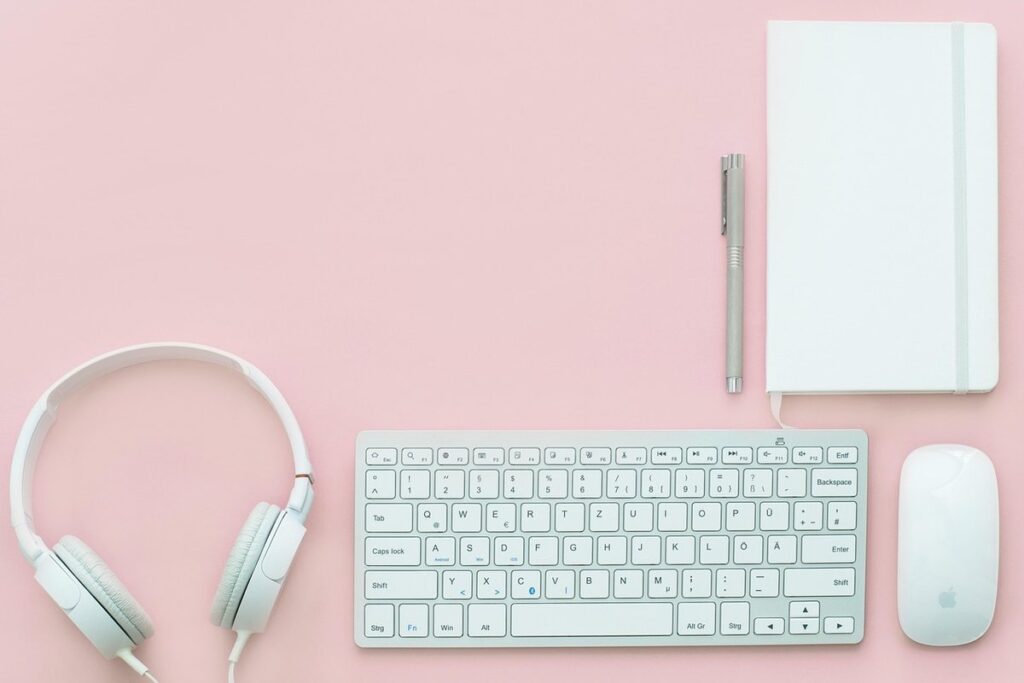
Benefits of a Minimalist Office
A minimalist office can have numerous benefits, but one of the most significant advantages is the improved focus and productivity it allows. By eliminating distractions and visual clutter, you can concentrate on your work.
Reducing Distractions and Increasing Productivity
A clutter-free office environment has been shown to significantly improve employees’ ability to stay focused on tasks at hand. Research suggests that exposure to visual stimuli, such as messy desks and disorganized workspaces, can lead to mental fatigue and decreased productivity.
In a minimalist office, employees are less likely to become distracted by unnecessary items or paperwork. Without the burden of clutter, workers can concentrate on their tasks with greater ease and efficiency. This leads to improved mental clarity and overall well-being. A study conducted in a professional setting found that employees who worked in clean and organized environments reported higher levels of job satisfaction and reduced stress.
To achieve a distraction-free workspace, consider implementing a “touch once” policy, where employees handle each piece of paper or task only once before putting it away or completing it. This simple strategy can help maintain organization and prevent clutter from building up. By adopting a minimalist approach to office design, businesses can create an environment that promotes focus, productivity, and employee well-being.
Boosting Creativity and Inspiration
An uncluttered office environment can have a profound impact on creativity and inspiration. When you’re surrounded by clutter, it’s easy to feel overwhelmed and stuck. This can stifle new ideas and solutions, making it difficult to innovate or think outside the box. In contrast, minimalism creates a sense of calm and clarity that allows your mind to wander and explore new possibilities.
By removing distractions and visual noise, you’re able to focus on the task at hand without interruption. This is particularly beneficial for artistic expression, as it allows for a more free-flowing and intuitive creative process. For example, many artists swear by the benefits of working in a minimalist studio or workspace, where they can concentrate on their craft without distractions.
Incorporating plants into your office space can also have a profound impact on creativity. Research has shown that being around nature can boost cognitive function, including improved concentration and problem-solving skills. Even a small potted plant or vase with fresh flowers can make a significant difference in the overall aesthetic of your space and inspire new ideas.
Designing a Minimalist Office
A minimalist office is more than just a clutter-free space, it’s an environment that fosters productivity and calmness. Let’s focus on designing a layout that supports these ideals.
Decluttering Your Space
When decluttering your office space, it’s essential to approach the task with a clear plan. Start by gathering boxes, bins, and trash bags to sort items into three categories: keep, donate/sell, and discard. Begin by clearing off surfaces, such as desks and shelves, and removing any items that are broken or no longer useful.
Sort items into like categories (e.g., all papers together, all office supplies in one box). Be ruthless – if you haven’t used it in the past six months, consider letting it go. Consider donating gently used office furniture to local charities or selling items through online marketplaces to recoup some costs.
Consider the 80/20 rule: 80% of the time, you likely use only 20% of your office supplies. Keep this in mind when deciding what to keep and what to discard. For example, if you have a collection of pens and pencils, but only use a few each week, consider keeping only those essential items and donating or recycling the rest.
When discarding unwanted materials, prioritize eco-friendly options like recycling paper and cardboard, or repurposing old furniture as planters or storage units.
Maximizing Natural Light and Ventilation
In a minimalist office, maximizing natural light and ventilation is crucial for creating an efficient and productive workspace. Adequate lighting not only improves visibility but also reduces eye strain and fatigue. When it comes to natural light, the placement of furniture plays a significant role. Consider rearranging workstations to face windows or using mirrors to reflect natural light into darker areas.
A simple rearrangement can make a big difference in how much natural light your office receives. For example, shifting a desk away from a wall and toward a window can allow more sunlight to flood the space. Additionally, positioning plants near windows can help purify the air and reduce the need for artificial lighting.
In terms of ventilation, ensure that windows are regularly opened to let in fresh air and circulate stale air. Using fans or air purifiers can also be beneficial in improving airflow. By making these small adjustments, you can create a healthier and more comfortable workspace that’s conducive to productivity and creativity.
Choosing Minimalist Office Furniture
When it comes to creating a minimalist office, choosing the right furniture is crucial. A well-designed and thoughtfully selected space can make all the difference in boosting productivity and reducing clutter.
Sleek and Modern Desks
Minimalist desks are designed to be clutter-free and ergonomic, making them an excellent choice for a minimalist office space. These desks often feature clean lines, simple shapes, and a limited number of components, which helps reduce visual noise and promote focus.
Some popular desk designs that suit a minimalist office space include the MDF (Medium-Density Fiberboard) and glass top desk. The MDF desk is a cost-effective option with a smooth finish and a durable surface. The glass top desk adds an extra layer of elegance to any room, providing a sleek and modern aesthetic.
When selecting a minimalist desk, consider your specific needs and work style. For example, if you spend most of your time working on a laptop, a small, wall-mounted desk may be sufficient. On the other hand, if you have a large monitor or require more space for paperwork, look for a longer desk with built-in cable management.
Ultimately, choosing a minimalist desk can greatly enhance the aesthetic appeal of your office space while also promoting better ergonomics and productivity.
Comfortable yet Simple Seating Options
When it comes to creating a minimalist office space, it’s easy to overlook the importance of comfortable seating. However, a well-designed chair can make all the difference in productivity and employee satisfaction. In fact, research shows that employees who have access to ergonomic chairs are more likely to stay focused and motivated throughout the workday.
One popular option for minimalist offices is the Herman Miller Sayl Chair. This sleek, low-profile design fits seamlessly into modern spaces while providing excellent support for long periods of sitting. Another contender is the Eames Lounge Chair, which offers a classic look that’s both stylish and comfortable.
When choosing an ergonomic chair for your office, consider the height-adjustable feature, as it allows employees to customize their seating to suit their needs. You can also opt for a chair with a simple, low-profile design that won’t compete with other minimalist elements in the space. By investing in a high-quality, ergonomic chair, you’ll create a workspace where employees feel supported and productive – without sacrificing your minimalist aesthetic.
Incorporating Plants and Artwork
Adding plants and artwork is a clever way to inject personality into your minimalist office, balancing form and function without sacrificing the calm atmosphere you’re aiming for. This combination can add visual interest and style to your space.
Bringing Nature Indoors
Adding plants to a minimalist office space may seem counterintuitive, but it can have numerous benefits for both physical and mental well-being. Low-maintenance plant species like succulents, air plants, and peace lilies are ideal choices for busy offices. These plants purify the air, removing toxins and pollutants that can negatively impact productivity.
Selecting a low-maintenance plant is crucial to maintaining a minimalist aesthetic. Consider the lighting conditions in your office and choose plants that thrive in those conditions. For example, if your office has limited natural light, opt for plants like Chinese Evergreen or Pothos, which can tolerate low-light conditions.
Incorporating plants into your office design also has visual appeal benefits. A single statement piece, such as a large succulent arrangement, can add texture and interest to an otherwise empty space. Alternatively, grouping smaller potted plants together creates a visually appealing display without cluttering the space. By carefully selecting low-maintenance plant species, you can reap the benefits of air purification and improved mood while maintaining a clean and minimalist office aesthetic.
Adding Artwork with Impact
When it comes to incorporating artwork into a minimalist office setting, many people assume it’s all about grand murals or oversized prints. But the truth is, even small, thoughtful pieces can have a significant impact on the space. Consider adding a series of black and white photographs, each one showcasing a different natural landscape – a serene mountain range, a tranquil forest, or a dramatic coastline. These images will not only add visual interest to the room but also create a sense of calm and serenity.
Alternatively, you might opt for more abstract pieces that play off the clean lines and simplicity of minimalist design. A collection of monochromatic prints, for instance, can add depth and texture to an otherwise plain wall without cluttering the space. If you prefer something more interactive, consider a large-scale art installation or a sculptural piece made from natural materials like wood or stone.
Ultimately, the key is to select artwork that speaks to your personal style and creates a sense of emotional connection – whether it’s through nostalgia, inspiration, or simply aesthetic appeal.
Implementing Sustainable Practices
To make a truly minimalist office space, you’ll also want to focus on implementing sustainable practices that reduce waste and minimize environmental impact effectively.
This includes simple yet impactful changes like switching to eco-friendly supplies and adjusting your energy usage.
Reducing Waste and Increasing Efficiency
Reducing waste and increasing efficiency are crucial components of creating a minimalist office space. One of the most significant areas to focus on is paper usage. Implementing digital document management systems can significantly reduce paper waste, as well as encourage employees to adopt eco-friendly habits such as printing double-sided or using reusable notes.
Energy conservation is also essential in a minimalist office setting. Simple actions like switching off lights and electronics when not in use can make a substantial impact on energy consumption. Installing LED light bulbs and using power strips with built-in switches can further reduce waste and optimize energy efficiency.
Promoting eco-friendly habits among employees involves leading by example and incorporating sustainable practices into the office culture. Encourage employees to bring reusable water bottles, coffee cups, and lunch containers to work. Consider implementing a recycling program or composting system for food waste. By making these small changes, you can create a more sustainable and environmentally conscious office environment that aligns with your minimalist aesthetic.
Creating a Paperless Office
Digitizing office documents and processes is a crucial step towards creating a paperless office. This involves using electronic signatures to replace traditional ink signatures on contracts and agreements. Cloud storage solutions like Google Drive or Dropbox can be used to store and access digital versions of important documents, eliminating the need for physical filing cabinets.
Workflow automation tools can also streamline office operations by automating repetitive tasks and reducing paperwork. For example, software can be set up to automatically generate invoices, track inventory levels, and send reminders to team members. By adopting these digital solutions, offices can reduce clutter and increase productivity.
To get started, identify areas where paper-based processes are holding you back. Start with low-hanging fruit like switching from physical receipts to digital ones or implementing electronic signatures for routine documents. Consider investing in a cloud storage solution that integrates with your existing workflow tools. As you become more comfortable with digitizing office processes, you can explore more advanced automation options to further optimize your operations.
Common Challenges and Solutions
Many people struggle to maintain a minimalist office space, so let’s take a closer look at some common challenges and practical solutions. From cluttered desks to limited storage, we’ll address these everyday issues.
Overcoming Objections and Setbacks
When transitioning to a minimalist office environment, it’s common for employees to face resistance and setbacks. Some may feel overwhelmed by the sudden absence of familiar surroundings, while others might struggle with letting go of sentimental or personal items.
A key challenge is overcoming the emotional attachment to clutter. In many cases, employees have accumulated years’ worth of paperwork, mementos, and knick-knacks that hold sentimental value. To overcome this hurdle, consider designating a small “sentimental shelf” where employees can display one or two cherished items.
Another obstacle is staying motivated throughout the process. It’s essential to communicate the benefits of a minimalist office space clearly and regularly, ensuring everyone understands how it will enhance productivity, creativity, and overall work experience.
Regularly soliciting feedback and making adjustments based on employee input can help maintain momentum and build support for the minimalist initiative. By being open to suggestions and incorporating them into the design process, you can create an environment that truly reflects the needs and preferences of your team members.
Maintenance and Upkeep
Regular decluttering sessions are essential for maintaining a minimalist office space. Schedule these sessions at least once a month to go through each area of the workspace and remove any unnecessary items. Encourage employees to be mindful of their usage and storage, as clutter often accumulates when people don’t have designated spaces.
To streamline inventory tracking, implement systems such as labeling and categorizing supplies, or designating specific areas for frequently used materials. This will help prevent overstocking and ensure that essential items are easily accessible. In some companies, employees can be responsible for restocking supplies, which not only saves time but also encourages ownership of the space.
Ongoing feedback from employees is crucial in maintaining a minimalist office. Schedule regular meetings to discuss the effectiveness of current systems and gather input on what can be improved. Some companies use suggestion boxes or anonymous surveys to collect ideas on reducing clutter and optimizing workflows. By incorporating employee perspectives, you’ll create a collaborative environment that fosters creativity and productivity while minimizing unnecessary items and promoting efficient workflows.
Frequently Asked Questions
What if I work in an open-plan office with shared desks and limited storage space?
It’s essential to involve your colleagues in the decluttering process. Collaborate on creating a shared storage system, such as a designated “junk drawer” or a centralized supply cabinet. This way, everyone can contribute to maintaining a clutter-free workspace.
Can I apply minimalist principles to a home office with limited natural light?
While natural light is beneficial, it’s not a deal-breaker for a minimalist space. Focus on optimizing artificial lighting and using mirrors to create the illusion of more space. Consider investing in high-quality LED lamps or using floor lamps to supplement available light.
How do I balance minimalism with employee comfort and well-being in an office with limited budget?
Prioritize essential items that promote comfort, such as ergonomic chairs and adequate seating options. Consider repurposing existing furniture or shopping second-hand for a more minimalist aesthetic while staying within your budget.
What if some team members resist the idea of decluttering their workspace due to sentimental value or attachment to certain items?
Address these concerns by acknowledging the emotional significance of personal items. Suggest designating a small “personal zone” where employees can display meaningful objects, maintaining a balance between minimalism and personal expression.
Is it necessary to completely eliminate paper documents in a minimalist office, or can I still use some physical files for specific tasks?
A complete paperless transition might not be feasible for every business. However, consider implementing a hybrid system: digitize frequently used documents while keeping essential printed materials, such as tax records or compliance documents, in a designated, organized area.

