
As you plan your meals for the week, have you ever stopped to think about where the fresh produce comes from? In the UK, there are certain times of year when certain vegetables are at their peak flavor and nutritional value. Eating in-season produce is not just a matter of personal taste, but also has a significant impact on the environment and your wallet. By choosing vegetables that are in season, you’ll be supporting local farmers, reducing carbon emissions from transportation, and enjoying produce that’s bursting with flavor. From the tender tips of asparagus in spring to the comforting warmth of winter squash, there’s a world of delicious options available in the UK. This article will take you on a tour of the best in-season vegetables in the UK, sharing recipes and ideas for incorporating fresh veggies into your meals.
Understanding the Concept of Seasons and Availability
Understanding when your favorite vegetables are at their best means choosing produce that’s fresh, flavorful, and better for you. In this context, seasons play a crucial role in determining availability.
What are “In Season” Vegetables?
When vegetables are “in season”, it means they’re at their peak freshness and availability due to optimal growing conditions. Climate plays a significant role in determining what’s in season: warmer regions like the Mediterranean can grow produce year-round, while cooler areas like the UK have more defined seasons. Weather also impacts availability, as extreme temperatures, rainfall, or droughts can reduce crop yields.
Geographical location is another crucial factor – vegetables grown locally are typically fresher and more readily available than those imported from distant places. For instance, UK farmers often struggle to grow watermelon due to the country’s cooler summers. In contrast, warmer regions like Spain produce an abundance of this fruit during their summer months.
To make the most of seasonal produce, it’s essential to consider your region’s specific growing conditions and tailor your shopping habits accordingly. Check local farmer’s markets or join a community-supported agriculture (CSA) scheme to access fresh, in-season vegetables directly from nearby farms. This not only ensures you’re getting the best possible flavor but also supports local economies and reduces transportation-related environmental impact. By being mindful of what’s in season, you can enjoy fresher, more sustainable produce throughout the year.
Benefits of Eating In-Season Vegetables
Eating vegetables in season not only supports local farmers and sustainable agriculture but also has numerous benefits for our health and the environment. One of the most significant advantages is a reduced carbon footprint. Produce transported long distances to meet year-round demand contributes to greenhouse gas emissions, so choosing seasonal options significantly minimizes this impact. For instance, if you live in the UK, opting for British-grown produce during winter reduces reliance on imported fruits and vegetables, thereby decreasing transportation-related emissions.
Seasonal vegetables also offer improved flavor and texture. When picked at optimal ripeness, they retain more natural sugars, resulting in a sweeter taste experience. Furthermore, their higher water content contributes to crunchier textures and better overall quality. This is particularly evident in root vegetables like carrots and beets, which are typically harvested during late summer and early autumn. Simply try roasting or grilling these seasonal delights to bring out their full flavor potential.
In terms of nutritional value, consuming seasonal produce can also have a positive effect. Since these fruits and vegetables are harvested when mature, they contain higher levels of essential vitamins and minerals.
Spring Vegetables (March to May)
As spring awakens, a vibrant array of fresh vegetables starts to bloom in UK gardens and markets. Expect tender shoots of asparagus and spinach, followed by juicy carrots and peas.
Early Spring Delights: Asparagus, Peas, and Radishes
As the last wisps of winter fade away, early spring vegetables burst forth with vibrant colors and flavors. Among the first to emerge are asparagus, peas, and radishes – tender shoots that signal the start of a new season’s bounty. Asparagus is one of the earliest and most prized spring vegetables, its delicate tips bursting with sweetness when cooked simply or added to risottos and soups.
Fresh garden peas, on the other hand, bring an explosion of sweetness to salads, pasta dishes, and stir-fries. They’re a fleeting delight, so make the most of their short season by incorporating them into as many recipes as possible. Radishes add a spicy kick to springtime meals – try pairing thinly sliced radish with butter or cream cheese on toasted bread for a simple yet satisfying snack.
These early spring delights are incredibly versatile and can be enjoyed in countless ways. Experiment with different cooking methods, such as grilling or roasting, to coax out their unique flavors. Consider adding them to classic recipes like salads, soups, and pasta dishes – the results will be nothing short of delightful.
Mid-Spring Harvest: Strawberries, Rhubarb, and More
As mid-spring arrives, the British countryside bursts into color with a medley of fresh produce. Strawberries and rhubarb take center stage, but they’re not alone – other seasonal gems await discovery. Artichokes, for instance, typically ripen between April and May, their dense, slightly sweet flavor perfect in salads or as a side dish.
To preserve the delicate sweetness of strawberries, store them at room temperature or in the refrigerator with some ventilation to prevent moisture buildup. For rhubarb, slice it thinly to reduce browning and use it within a few days – its tartness is best enjoyed fresh. Don’t overlook other spring delights: asparagus (April-May), broad beans (May-June), and radishes (March-May). Consider pickling or preserving these tender shoots to enjoy them year-round.
When preparing artichokes, remember that the tough outer leaves should be removed before cooking, leaving a succulent core. A simple boiling or steaming method brings out their natural sweetness. Spring’s vibrant mix of flavors and textures is just waiting to elevate your meals – experiment with new recipes and techniques to make the most of this fleeting yet incredible season.
Summer Vegetables (June to August)
During these warm summer months, June to August, a vibrant array of vegetables come into season in the UK, including courgettes, aubergines, and juicy peppers.
Warm-Weather Favorites: Tomatoes, Cucumbers, and Bell Peppers
Summer vegetables bring a burst of flavor and color to our plates. Tomatoes, cucumbers, and bell peppers are staples of warm weather cooking, and for good reason: they’re incredibly versatile. Grilled or roasted, these vegetables add depth and sweetness to countless dishes.
Tomatoes, in particular, shine during the summer months. Their intense red color is a sign of their high water content and sugar levels, making them perfect for sauces, salsas, and salads. Try pairing cherry tomatoes with fresh mozzarella and basil for a simple yet impressive caprese salad. Alternatively, roast larger varieties to bring out their natural sweetness – they’re delicious as a side dish or added to pasta dishes.
Cucumbers are another refreshing summer favorite. Slice them thinly and add to Greek salads, or use as a crunchy topping for sandwiches and burgers. For a light lunch, try combining sliced cucumbers with yogurt, dill, and mint for a cooling and revitalizing tzatziki sauce.
Bell peppers come in an array of colors, from green to red, yellow, and orange. Their slightly sweet flavor pairs well with grilled meats or as a vegetarian option, roasted alongside other vegetables like eggplant and zucchini.
Cooling Down with Corn, Zucchini, and Yellow Squash
Summer is the perfect time to indulge in the sweetness of corn, the tenderness of zucchini, and the delicate flavor of yellow squash. These refreshing vegetables are at their peak from June to August in the UK, making them a staple in many British gardens and markets.
When shopping for sweet corn, look for ears with tightly closed husks and a slightly sweet aroma. Cook it as soon as possible, either by grilling, boiling, or steaming, to bring out its natural sweetness. For zucchini and yellow squash, try using them in place of pasta or noodles in dishes like zoodles or spiralized squash. Simply sauté the squash with some garlic and olive oil, then top it with your favorite sauce.
Other refreshing options during this season include cucumbers, bell peppers, and tomatoes. Use them to create salads, sandwiches, or as a topping for soups. Consider trying new recipes that showcase these ingredients, such as gazpacho, caprese salad, or grilled vegetable skewers. By taking advantage of these seasonal vegetables, you’ll be able to enjoy the best flavors of summer while also supporting local farmers and reducing your carbon footprint.
Autumn Vegetables (September to November)
As we transition into autumn, a rainbow of delicious vegetables come into season in the UK, perfect for hearty stews and roasts. Here are the top picks from September to November.
Hearty Harvest: Pumpkins, Carrots, and Root Vegetables
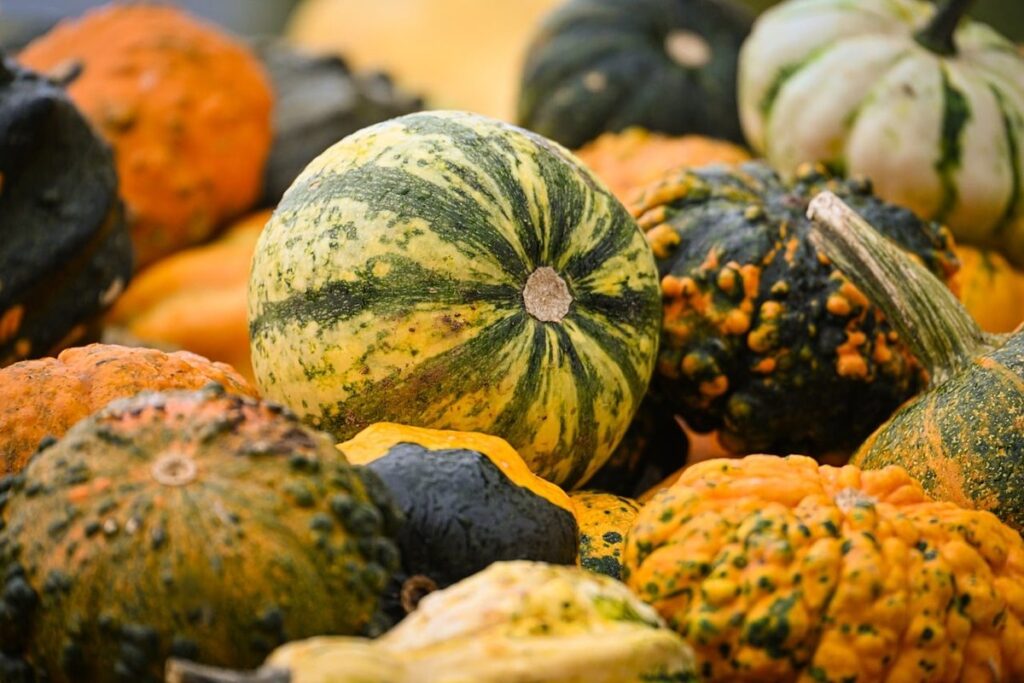
Autumn’s rich flavors are on full display with a diverse range of root vegetables coming into season. One of the most recognizable symbols of fall is the pumpkin, with many varieties available for cooking and decoration. Choose from sweet and nutty ‘Jarrahdale’ to the classic ‘Atlantic Giant’, or try growing your own ‘Baby Boo’ pumpkins in your garden.
Carrots are another staple of autumnal cuisine, with sweet and crunchy varieties like ‘Parisienne’ and ‘Thumbelina’ perfect for salads and roasting. Beetroot is also at its best during this time, with its earthy sweetness making it a great addition to soups, stews, and pickling recipes. For those looking for a bit more excitement in their vegetable patch, parsnips offer a sweet and nutty flavor that’s perfect for roasting or making into a delicious mash.
When selecting root vegetables, look for firm, smooth skin and avoid any with signs of bruising or blemishes. Store them in a cool, dark place to keep them fresh for as long as possible. With so many varieties to choose from, why not try growing your own pumpkins, carrots, beets, and parsnips this autumn?
Winter Squash and Leafy Greens for Cozy Nights
Winter squash and leafy greens are staples of autumn evenings. When it comes to winter squash, roasting brings out their natural sweetness. Simply cut the squash in half, scoop out seeds, and roast at 200°C (400°F) for about 30-40 minutes, or until tender.
Leafy greens like kale and spinach thrive during autumn’s mild temperatures. To make the most of these nutrient-rich vegetables, consider sautéing them with garlic and olive oil. Add a pinch of salt and pepper to taste. A small handful of chopped kale can be added to soups, stews, or pasta dishes.
Other comforting autumn produce includes Brussels sprouts, carrots, and parsnips. To prepare these, try roasting in the oven alongside winter squash for a delicious, one-pan meal. The sweetness of carrots pairs well with the earthy flavor of parsnips, while Brussels sprouts add a delightful crunch.
Incorporating autumn vegetables into your meals not only adds flavor but also ensures you’re eating seasonal produce at its peak freshness and nutritional value. By making a few simple changes to your cooking routine, you can enjoy the best of autumn’s harvest all season long.
Winter Vegetables (December to February)
As winter takes hold, a bounty of delicious and nutritious vegetables comes into season, offering plenty of inspiration for seasonal cooking.
Rooting out the best winter options, we’ll focus on Brussels sprouts, kale, and parsnips, among others.
Brassicas: Cabbage, Broccoli, and Cauliflower
Brassicas are some of the most nutrient-dense winter vegetables available in the UK during December to February. Cabbage, broccoli, and cauliflower are all excellent sources of vitamins C and K, as well as fibre and cancer-fighting compounds like sulforaphane.
When it comes to cooking brassicas, boiling is often the simplest method, but it can also be the most destructive, leaching out a significant amount of water-soluble nutrients. To retain more of these vital elements, try steaming or roasting instead. For example, cutting cabbage into wedges and roasting it in the oven with some olive oil, salt, and pepper brings out its natural sweetness.
Broccoli, on the other hand, benefits from a shorter cooking time to preserve its delicate nutrients. A quick stir-fry or sauté with garlic and lemon juice is a great way to prepare this versatile vegetable. Cauliflower can be used as a low-carb substitute for grains in dishes like cauliflower “rice” or as a base for vegan pizzas.
In addition to these practical tips, it’s worth noting that cooking methods can significantly impact the nutritional value of brassicas. By choosing gentler cooking techniques and incorporating more variety into your meals, you can make the most of these nutritious winter vegetables.
Root Vegetables for Cold Weather Soups and Stews
Carrots are a staple root vegetable for soups and stews during the colder months. They’re sweet and dense, making them perfect for slow-cooked dishes where they can release their natural sugars. Choose smaller, firmer carrots for cooking as they have less moisture than larger ones.
Turnips and parsnips are also excellent choices for winter soups and stews. Turnips add a peppery flavor, while parsnips contribute a sweet, nutty taste. Both can be used in place of or alongside carrots to create a complex flavor profile. For the best results, use turnips with their green tops still attached – they’ll add an extra burst of flavor.
Other root vegetables worth exploring include swede and beetroot. Swede, also known as rutabaga, is a cross between cabbage and turnip and has a sweet, earthy taste. Beetroot adds a deep red color and a slightly sweet, earthy flavor to soups and stews. When using these vegetables, be mindful of their cooking times – swede typically takes 45-60 minutes to cook through, while beetroot can take up to an hour and a half.
Buying and Cooking Tips for Seasonal Produce
When shopping for seasonal produce, choosing the freshest vegetables is crucial; we’ll share essential tips on selecting, storing, and cooking each variety to bring out its natural flavor.
Shopping Strategies: Markets, Farms, and Online Resources
When shopping for seasonal produce, consider visiting local farmers’ markets or farms directly. These sources often provide the freshest and most flavorful options, as they’re picked at the peak of ripeness. Many UK cities have bustling weekly markets where you can meet local growers and purchase their products. For example, London’s Borough Market is a renowned destination for seasonal produce.
You can also try shopping from online resources that specialize in delivering fresh, locally sourced vegetables to your doorstep. These services often partner with multiple farms to offer a diverse range of produce. Some popular options include Riverford, which delivers organic and non-organic produce from its network of UK farms. When choosing online sources, look for those that clearly label their products as “seasonal” or “grown locally.” This ensures you’re getting the best possible flavor and reducing your carbon footprint.
Before shopping, research what’s in season to ensure you’re buying at the optimal time. A quick search online will give you an idea of which vegetables are currently available from local farms and growers. By combining these strategies, you can enjoy a wide range of delicious seasonal produce while supporting the local community.
Preparation and Storage Techniques
When selecting seasonal vegetables, choose those with firm, vibrant skin and minimal signs of wilting. For leafy greens like kale and spinach, look for crisp leaves and avoid those with yellowing or brown edges.
To store seasonal produce, keep it away from direct sunlight and heat sources. Store root vegetables like carrots and beets in a cool, dark place, while leafy greens can be stored in the refrigerator’s crisper drawer with high humidity. For delicate herbs like basil and mint, store them in an airtight container in the refrigerator.
Before cooking seasonal vegetables, wash them thoroughly to remove dirt and debris. A soft-bristled brush is effective for scrubbing stubborn dirt from root vegetables. To prepare leafy greens, simply trim the stems and chop or tear the leaves into desired sizes. For larger vegetables like broccoli and cauliflower, break them down into florets before cooking.
When cooking seasonal produce, try to minimize heat and moisture loss by cooking methods that seal in nutrients, such as steaming or stir-frying. A general rule of thumb is to cook vegetables briefly, as overcooking can quickly lead to nutrient loss.
Frequently Asked Questions
What if I’m planning a dinner party and want to ensure all my guests enjoy the seasonal produce – can I choose vegetables that appeal to different tastes?
You can select a variety of seasonal vegetables that cater to diverse tastes. For instance, in spring, you could serve asparagus for those who prefer delicate flavors and rhubarb for those with a sweeter tooth. In summer, bell peppers are often enjoyed by many, while others might appreciate the unique flavor of cucumbers.
Is it possible to grow some seasonal vegetables at home if I have limited space or a small garden?
Yes. Many seasonal vegetables can be grown in small spaces, such as windowsill containers, balconies, or even indoor pots with good light conditions. Consider growing herbs like parsley and basil, which are easy to care for and require minimal space.
What about special dietary requirements – how do I ensure my in-season produce is suitable for vegetarian, vegan, gluten-free, etc. diets?
When selecting seasonal vegetables, consider the specific needs of your guests. For example, opt for organic or biodynamic produce when possible to minimize exposure to pesticides. Many seasonal fruits and vegetables are naturally free from common allergens like gluten.
Can I use frozen or canned in-season produce instead of fresh, especially during peak seasons when prices may be high?
Yes. Frozen and canned options can be just as nutritious and flavorful as their fresh counterparts. Look for products that are labeled as “flash-frozen” to preserve nutrients and flavor. Canned seasonal produce can also be a convenient option during off-peak seasons or when fresh is too expensive.
How do I know if my in-season vegetables have been stored properly to maintain their freshness, especially after buying them from a market?
Proper storage of seasonal produce involves keeping fruits and vegetables away from direct sunlight, heat sources, and moisture. Store delicate items like leafy greens and berries in sealed containers or bags with air holes to preserve freshness.

