A cluttered closet can be overwhelming, but a minimalist wardrobe is within reach. You know that feeling when you’re staring at your clothes, trying to decide what to wear, and end up standing there for 20 minutes? It’s not just about saving time; it also affects the environment. Fast fashion contributes significantly to pollution and waste. A simple yet stylish wardrobe doesn’t have to mean sacrificing personal style. By focusing on a few high-quality pieces that can be mixed and matched, you can reduce decision fatigue and look put-together without the fuss. This article will guide you through creating a minimalist wardrobe for women that’s both practical and fashionable.
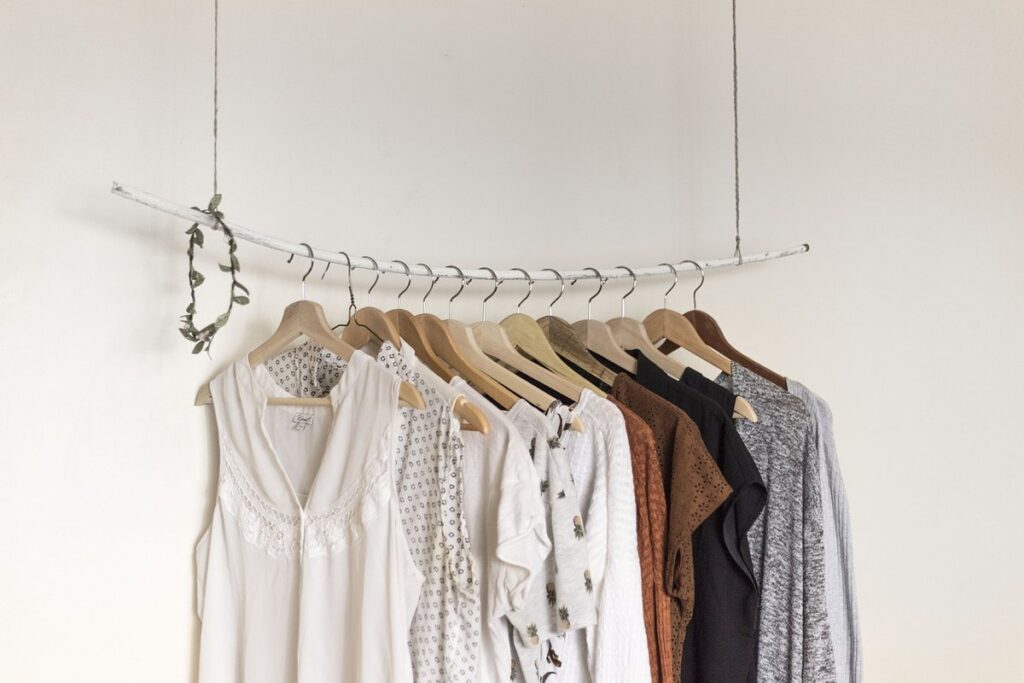
Understanding the Benefits of a Minimalist Wardrobe
A minimalist wardrobe isn’t just about aesthetics, it also brings practical benefits like saving time and money on closet upkeep. By streamlining your wardrobe, you’ll experience the freedom from decision fatigue daily.
Why Adopt a Minimalist Wardrobe?
Adopting a minimalist wardrobe can bring about numerous benefits, transforming not only your physical space but also your daily life. One of the primary advantages is reduced decision fatigue – the mental exhaustion caused by constantly choosing what to wear each morning. By paring down your wardrobe, you’ll need to think less about outfit combinations and more about which item pairs best with a favorite piece.
In addition to saving time, a minimalist wardrobe also boosts productivity. With fewer decisions to make, you can focus on more important tasks and prioritize your day accordingly. A smaller wardrobe also encourages quality over quantity – investing in timeless, well-made pieces that won’t need to be replaced frequently.
Another significant benefit of embracing minimalism is its positive impact on the environment. Fast fashion contributes significantly to waste, with most garments discarded after just a few wearings. By adopting a minimalist approach, you’ll not only reduce your own waste but also encourage more sustainable consumption practices in the fashion industry. Consider implementing a 30-wear rule for new items or regularly reviewing your wardrobe to ensure everything serves a purpose.
Overcoming the Challenges of Decluttering Your Closet
Decluttering your closet can be an intimidating task, but setting clear goals is essential to overcoming common obstacles. Start by defining what a minimalist wardrobe means to you: do you want to reduce your collection by 50%, or focus on high-quality pieces that bring joy? Having a specific target in mind will help guide your decisions throughout the process.
To maintain momentum, create a schedule and stick to it. Allocate dedicated time for decluttering each week, even if it’s just 30 minutes a day. Be ruthless – if you haven’t worn something in the past year, it’s likely safe to let go of it. Enlist support from friends or family members who can provide an objective perspective on your clothing choices.
For example, ask a trusted friend to help you sift through your shoes and remove any that no longer fit or match your current style. Having someone to share the task with can make it more enjoyable and increase your chances of success. Additionally, consider implementing a “one in, one out” policy to maintain the balance between new additions and existing items.
Building a Minimalist Wardrobe from Scratch
Creating a minimalist wardrobe from scratch can be overwhelming, but by focusing on essentials and personal style, you’ll be building a capsule wardrobe in no time.
Assessing Your Current Style and Needs
To build a minimalist wardrobe from scratch, you need to start by assessing your current style and needs. Take some time to browse through your existing wardrobe and gather clothes that make you feel confident and comfortable. Look for patterns, colors, and fabrics that consistently appear together – these are clues to your personal style.
Consider your lifestyle as well: do you work from home or have a 9-to-5 job? Are you frequently dressing up for special occasions or more often sticking to casual attire? Think about the activities you engage in regularly and how they affect what you wear. For example, if you’re an athlete, you’ll want clothes that allow for ease of movement.
Start a list of your preferences: do you prefer soft fabrics like cotton or wool, or are you comfortable with synthetic materials? Do you have any specific color palettes that resonate with you? Are there particular pieces – like tailored blazers or statement accessories – that make you feel more polished and put-together? By examining these details, you’ll begin to identify your unique style and needs.
Creating a Color Palette and Neutral Base
A neutral base is essential when building a minimalist wardrobe because it provides a clean canvas for mixing and matching pieces. It also helps to avoid visual overload by introducing fewer colors and patterns into the mix. To create a personalized color palette, start by identifying the colors that look good on you. Consider your skin tone, hair color, and personal preferences. Then, select 2-3 core colors that complement each other in terms of hue and saturation.
For example, if you have cool undertones, look for colors like blue-based neutrals (charcoal grey, taupe) or rich jewel tones (emerald green, sapphire blue). Avoid warm colors like golden brown or mustard yellow as they can clash with your skin tone. Balance your color palette by introducing one or two accent colors that add visual interest without overwhelming the space.
Consider a 60-30-10 ratio: allocate 60% of your wardrobe to neutral pieces in your core color, 30% to secondary colors that complement the core, and 10% to accent colors that add a pop. This will help you create a harmonious color palette that flows effortlessly from piece to piece.
The 80/20 Rule: Essential Pieces for Your Minimalist Wardrobe
Now that we’ve discussed why minimalism matters, let’s focus on what pieces you truly need to create a functional and stylish wardrobe. These essential items will form the foundation of your minimalist capsule.
Identifying Timeless, Versatile Items
When building a minimalist wardrobe, it’s essential to identify timeless, versatile items that fit within the 80/20 rule. These pieces should be worn frequently (80% of the time) and provide variety (20%). Look for items that are classic in design, made from high-quality materials, and can be dressed up or down.
Consider investing in a good pair of well-fitting jeans, a leather jacket, and a simple white shirt. These basics can be mixed and matched to create multiple outfits. For example, you could wear your jeans with the leather jacket for a casual look or add the white shirt for a more polished appearance.
Avoid trendy items that may only suit your style for a season. Instead, focus on pieces that have a timeless quality to them. Ask yourself if an item is something you’ll still want to wear in five years’ time. If not, it’s likely not worth the investment. By prioritizing timeless over trendy, you can build a wardrobe that serves you well and reduces decision fatigue in the long run.
Prioritizing Quality Over Quantity
Investing in high-quality, timeless pieces is crucial when building a minimalist wardrobe. Cheap, trendy items may seem like a bargain at first, but they often lack the durability and style to stand the test of time. A few well-crafted, classic pieces can be mixed and matched to create multiple outfits, making them a more valuable investment in the long run.
When shopping for affordable options, consider second-hand stores or websites that specialize in gently used clothing. These platforms offer high-quality items at a fraction of the original price. You can also look for sales or discounts on investment pieces from reputable brands.
To prioritize quality over quantity, start by identifying your personal style and what pieces you need to build a solid foundation. Make a list of essential items that fit well and suit your taste, such as a classic white shirt, a tailored blazer, or a little black dress. Focus on finding these staples in high-quality materials and timeless designs, even if it means spending a bit more upfront.
Styling a Minimalist Wardrobe for Different Occasions
Whether you’re heading out for a night on the town or just need to get dressed for a casual day, we’ll show you how to style your minimalist wardrobe for any occasion. From formal events to everyday wear, we’ve got you covered.
Creating Versatile Outfits for Work and Everyday Life
Creating versatile outfits from a smaller number of pieces is key to a successful minimalist wardrobe. To start, identify a core group of tops and bottoms that can be mixed and matched for different occasions. Consider investing in high-quality basics like classic white shirts, tailored trousers, or a little black dress. These timeless pieces can be styled multiple ways to create new outfits.
When layering, don’t be afraid to add texture and interest with cardigans, jackets, or scarves. This adds depth to simple outfits without overwhelming the senses. For example, pair a lightweight white top with distressed denim jeans for a casual look, then add a fitted blazer for a more polished appearance. Layering also allows you to transition from season to season – swap out a lightweight cardigan for a warmer one come winter.
To maximize your wardrobe’s potential, focus on neutral colors and classic silhouettes. These versatile pieces can be dressed up or down and won’t date as quickly as trendy items. Experiment with different combinations of tops and bottoms, and don’t be afraid to try new pairings – you might discover a fresh favorite look!
Adding Texture and Visual Interest to Your Looks
Adding texture and visual interest to minimalist outfits is crucial when you’re working with a limited palette. This can be achieved through accessories that add depth without cluttering the overall look. Statement jewelry, for instance, can make a big impact when paired with simpler tops or dresses. A bold cocktail ring or chunky necklace can draw attention away from fitted pants or a sleek skirt.
Hats and scarves are also effective in adding texture and interest to an outfit. A fedora hat adds a sophisticated touch to a simple dress or tunic, while a lightweight scarf can add warmth and visual interest to a summer outfit. When choosing accessories, consider the occasion and your personal style. For example, a formal event might call for more dramatic jewelry or a decorative shawl.
It’s also essential to balance statement pieces with simpler elements in your outfit. Pairing a bold necklace with a simple top and fitted pants creates a harmonious balance of textures and visual interest. Experiment with different combinations to find what works best for you, and don’t be afraid to mix high-end and affordable pieces to create unique looks that elevate your minimalist wardrobe.
Caring for and Maintaining Your Minimalist Wardrobe
To keep your minimalist wardrobe looking its best, regular care and maintenance are crucial to prevent wear and tear on your investment pieces. This means paying attention to little things like washing instructions and storage tips.
Washing and Storing Clothes Properly
When washing your minimalist wardrobe pieces, it’s essential to follow a gentle care routine. Check the labels on your clothes for specific washing instructions, but as a general rule, use cold water and a mild detergent. Avoid overloading the washing machine, as this can cause friction between garments and lead to pilling or snagging.
When drying, remove clothes from the dryer as soon as the cycle ends to prevent wrinkles. Hang delicate items like silk or wool on a padded hanger, while cotton and linen can be tossed onto a rack. Avoid folding clothes too tightly, as this can crease fabric permanently.
For storing your minimalist wardrobe, consider using airtight containers or vacuum-seal bags for out-of-season items. This will keep moths and mildew at bay. Roll your clothes instead of folding them to reduce wrinkles and save space in your closet. Store shoes in their original boxes or use shoe trees to maintain their shape. Consider implementing a “one in, one out” policy to maintain a balanced wardrobe and prevent clutter from building up again.
Regular Maintenance and Editing Sessions
Regular maintenance and editing sessions are essential to maintaining the integrity of your minimalist wardrobe. Without regular checks, it’s easy for clutter to creep back in, rendering your carefully curated collection useless.
Schedule these sessions every 6-8 weeks, or whenever you feel your wardrobe needs a refresh. Set aside dedicated time to go through each item, asking yourself: does this piece still spark joy? Is it worn regularly? Does it fit my current lifestyle?
Be ruthless when editing – if an item doesn’t pass these tests, consider letting it go. This might be the most challenging part of maintaining a minimalist wardrobe, but trust that it’s essential to preserving your collection’s integrity. You can start by categorizing items into three piles: keep, donate/sell, and discard.
When deciding what to let go of, remember that minimalism is not about depriving yourself of anything you love – it’s about living with only the pieces that truly matter. Be honest with yourself about your relationship with each item, and don’t be afraid to part with items that no longer serve a purpose or make you feel good.
Troubleshooting Common Issues with a Minimalist Wardrobe
We’ve all been there: you’re loving your minimalist wardrobe, but suddenly realize that it’s missing something essential – or worse, you can’t seem to find an item when you need it. Let’s tackle common issues like these together.
Dealing with Seasonal Changes and Transitions
Swapping out winter coats for summer dresses can be a daunting task, especially when you’re trying to maintain a minimalist wardrobe. The key is to plan ahead and have a clear vision for each season. Start by identifying the essential pieces that will work across multiple seasons, such as a tailored white shirt or a pair of well-fitting jeans.
For each new season, take stock of what you already own and identify gaps in your wardrobe. Consider investing in a few key items that can be mixed and matched with existing pieces to create a fresh look. For example, a lightweight cardigan can add a seasonal touch to a simple dress or top.
To avoid feeling like you’re starting from scratch each season, implement a “one in, one out” policy when introducing new items. This will ensure your wardrobe remains balanced and prevents clutter from building up. By being intentional about what you buy and how you style it, you’ll be able to transition seamlessly between seasons without sacrificing the simplicity of your minimalist wardrobe.
Handling Special Occasions and Events
When special occasions arise, it’s natural to feel pressure to break out of your minimalist wardrobe and add more pieces. However, you can incorporate these events into your existing aesthetic by thoughtfully selecting a few key items that don’t compromise the overall simplicity. Consider investing in a high-quality, timeless piece that can be worn multiple times – a luxurious coat for winter or a pair of elegant earrings for formal events.
Avoid the temptation to buy cheap, trendy pieces that will quickly go out of style. Instead, focus on versatility and mix-and-match potential. For example, a statement handbag can instantly elevate any outfit without overwhelming your minimalist wardrobe. Similarly, a well-made pair of shoes can be worn with multiple outfits, making them an excellent investment for special occasions.
When it comes to incorporating special occasion pieces into your daily life, consider designating specific storage containers or areas in your closet for these items. This helps maintain the illusion of a streamlined wardrobe while still allowing you to access your occasional wear when needed.
Frequently Asked Questions
What if I have a very specific body shape or type that doesn’t fit the typical minimalist wardrobe guidelines?
Yes, it’s possible to create a minimalist wardrobe that suits your unique body shape. Focus on finding timeless pieces that flatter your figure and invest in high-quality items that make you feel confident. Consider seeking inspiration from influencers or bloggers with similar body types and styles.
How do I incorporate new seasonal pieces into my existing minimalist wardrobe without sacrificing the overall aesthetic?
When introducing new seasonal pieces, remember to keep your overall color palette and neutral base intact. Invest in timeless, versatile items that can be mixed-and-matched with your existing wardrobe. Consider swapping out one or two statement pieces each season rather than completely overhauling your closet.
Can I apply the minimalist wardrobe principles to my children’s clothing as well?
Yes, the benefits of a minimalist wardrobe extend to all members of your household. Encourage your family to adopt a similar approach by setting clear goals and involving them in the decision-making process. This can help reduce decision fatigue and create a more streamlined and sustainable household.
How often should I schedule maintenance sessions for my minimalist wardrobe?
Regular maintenance sessions should be scheduled every 3-6 months, or as needed. Take this opportunity to evaluate your wardrobe’s overall quality, assess what’s working, and identify areas for improvement. Don’t be afraid to let go of pieces that no longer serve you.
What if I have a very tight budget and can only afford one or two high-quality pieces at a time? Should I still aim for a minimalist wardrobe?
Yes, investing in high-quality items on a limited budget is still worth the effort. Look for timeless, versatile pieces that will stand the test of time and make the most of your investment. Consider shopping during sales or using cashback apps to stretch your budget further.