
Imagine walking into a charming little cottage, surrounded by lush greenery and the warm glow of vintage lighting. The air is thick with the scent of freshly baked cookies and the soft hum of a crackling fireplace. This is the essence of cottagecore, a decorating style that’s all about embracing the simple, the natural, and the imperfect. If you’re looking to create a cozy and inviting home that feels like a warm hug, cottagecore is the way to go. But where do you start? From incorporating vintage accents and antique furniture to embracing the beauty of imperfections and natural elements, creating a cottagecore-inspired space requires a thoughtful and intentional approach. In this guide, you’ll learn how to bring the charm of the countryside into your own home, and discover the secrets to creating a space that’s both beautiful and relaxing.
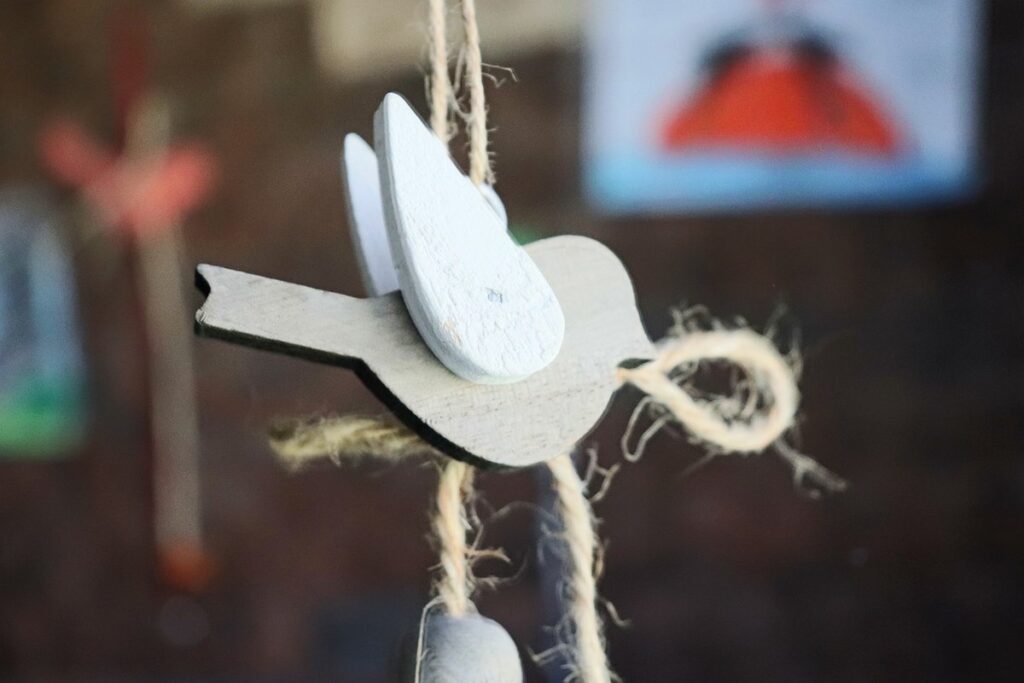
Understanding Cottagecore
At its core, cottagecore is a design aesthetic that celebrates simplicity, warmth, and a deep connection to nature. Let’s explore the key elements that define this cozy and inviting style.
Origins and Inspiration
The cottagecore aesthetic has its roots in traditional British and European rural life, where cozy cottages and farmhouses were often the center of family life. Historically, these homes were designed to be functional and warm, with a focus on simplicity and practicality. The current cottagecore trend is a nostalgic nod to this past, with a romanticized vision of rural life. Modern-day influences have shaped the aesthetic into a unique blend of vintage charm and modern sensibilities. For example, the rise of social media has made it easier for people to discover and draw inspiration from traditional crafts, such as pottery and weaving.
The internet has also made it possible for people to share and access a wide range of vintage and antique finds, which are often incorporated into cottagecore interiors. In addition, the growing interest in sustainable living and environmentalism has led to a focus on natural materials and handmade items, such as woven baskets and wooden furniture. These elements are not only aesthetically pleasing but also align with the values of simplicity and self-sufficiency that are central to the cottagecore lifestyle. By understanding the origins and influences of the cottagecore aesthetic, you can begin to create a space that feels truly authentic and reflective of your personal style.
Key Principles and Elements
Cottagecore design is built on several key principles and elements that work together to create a warm and inviting atmosphere. Rustic charm is a defining feature of cottagecore, often achieved through the use of natural materials such as wood, stone, and brick. Think distressed wood beams, shabby chic furniture, and vintage wooden accents.
Vintage accents are another crucial element of cottagecore design. Incorporating antique pieces, such as old doors, windows, and furniture, adds character and history to a space. This can be as simple as displaying vintage collectibles or as elaborate as repurposing antique items into functional decor.
Coziness and warmth are also essential to cottagecore. This is achieved through the use of plush textiles, soft lighting, and comfortable furniture. Consider layering throw blankets, pillows, and rugs in soft, muted colors to create a cozy atmosphere. Don’t forget the power of scents – candles, essential oils, and room sprays can all contribute to a welcoming ambiance.
When incorporating these elements, remember that cottagecore is all about creating a sense of nostalgia and familiarity. Avoid over-accessorizing or trying to recreate a specific era – instead, focus on creating a warm and inviting space that feels truly yours.
Creating a Cottagecore Atmosphere
Transform your space into a charming haven by incorporating key elements that evoke a sense of warmth and coziness, just like a traditional English cottage. Let’s start with the fundamentals of creating a cottagecore atmosphere.
Choosing the Right Color Palette
When it comes to creating a cottagecore atmosphere, the right color palette is essential. Soft pastels, muted earth tones, and rich jewel tones are commonly associated with this style. Soft peach, lavender, and mint green are popular pastel shades that evoke a sense of warmth and serenity. Muted earth tones like sage green, sandy beige, and driftwood gray bring a sense of naturalness and coziness to a space.
To select a color palette that suits your personal taste, consider the mood and atmosphere you want to create in your home. Do you want a calming and peaceful environment or a cozy and inviting one? Think about the colors that make you feel happy and relaxed. You can also look to nature for inspiration, taking cues from the colors of flowers, trees, and sky.
Some key tips for choosing a color palette include: limiting your palette to 3-5 main colors, balancing warm and cool tones, and considering the 60-30-10 rule (60% dominant color, 30% secondary color, 10% accent color). Remember, the key to a successful cottagecore color palette is to keep it soft, gentle, and unpretentious.
Incorporating Textiles and Patterns
Lace, florals, and stripes are a few of the classic patterns that instantly evoke a cottagecore aesthetic. These elements can be incorporated into your design through various textiles, such as throw pillows, blankets, and even wallpaper. To create a cohesive look, focus on a few statement pieces and balance them with neutral elements.
A mix of patterns and textures adds depth and visual interest to a space. Combine a lace-trimmed throw pillow with a striped blanket and a solid-colored armchair for a visually appealing arrangement. You can also use a floral-patterned rug to anchor a room and add a pop of color.
When selecting patterns, consider the scale and intensity of the design. A small-scale floral pattern can be used as a subtle background, while a large-scale stripe can make a bold statement. Balance bold patterns with neutral elements to avoid overwhelming the senses. Remember, cottagecore is all about creating a cozy, inviting atmosphere, so don’t be afraid to get creative and experiment with different combinations of patterns and textures.
Lighting and Furniture
Cottagecore interiors often feature soft, warm lighting that evokes a sense of coziness and relaxation. Candles, in particular, are a staple in many cottagecore spaces. They add a touch of whimsy and create a warm glow that’s perfect for creating a calming atmosphere. When choosing candles, opt for mercury glass holders or apothecary jars to add a vintage touch.
Pendant lights are also commonly used in cottagecore interiors. Look for fixtures with a soft, rounded shape or a distressed finish to add to the aesthetic. Consider installing pendant lights above a kitchen island or a reading nook to create a cozy focal point.
When it comes to furniture, plush armchairs and sofas are a must-have in any cottagecore space. Choose pieces with soft, pillowy cushions and a relaxed silhouette to create a comfortable and inviting atmosphere. Consider adding a vintage or antique armchair to add a touch of character to the room.
When selecting lighting and furniture, remember to prioritize comfort and coziness. Avoid sleek, modern pieces that may detract from the cottagecore aesthetic. Instead, opt for soft, curved lines and warm, inviting textures that will make your space feel like a cozy retreat.
Decorating with Cottagecore Accents
Adding a touch of whimsy and charm to your space is easier than you think, and it all starts with incorporating cottagecore-inspired accents into your decor. From vintage furniture to soft florals, we’ll explore the must-have elements.
Vintage and Antique Finds
When incorporating vintage and antique items into your cottagecore design, it’s essential to have a keen eye for spotting hidden gems. Start by scouring local thrift stores, charity shops, and estate sales for unique and one-of-a-kind pieces. Online marketplaces like eBay, Etsy, and Craigslist can also be treasure troves for antique finds. However, be cautious when shopping online, and always research the seller and the item’s authenticity before making a purchase.
Estate sales are particularly valuable for cottagecore enthusiasts, as they often feature a curated selection of high-quality, antique items. Consider attending estate sales in person to get a sense of the items and negotiate prices. When browsing online, use specific keywords like “vintage,” “antique,” and “cottagecore” to narrow down your search results.
To ensure authenticity, inspect items carefully for maker’s marks, signatures, and period-specific details. Don’t be afraid to dig through piles of items or ask the seller about the history and provenance of a piece. With patience and persistence, you can find true treasures to incorporate into your cottagecore design.
Natural Elements and Decor
When it comes to creating a cozy and inviting cottagecore space, natural elements and decor play a significant role. Incorporating plants, flowers, and natural textures can bring warmth and character to any room. Consider adding a statement piece like a vintage wooden side table or a woven basket to bring in organic texture and visual interest.
Plants, in particular, are a key element of cottagecore design. Choose low-maintenance options like succulents or air plants, which thrive in indoor conditions and add a touch of greenery to your space. Consider grouping plants together in a decorative pot or planter to create a lush, garden-like atmosphere.
Natural materials like wicker, rattan, and linen are also essential to cottagecore decor. Use them for furniture, throw pillows, or table runners to add warmth and texture to your space. Avoid over-accessorizing, as the goal is to create a relaxed, effortless vibe. By incorporating natural elements and decor, you can create a space that feels like a charming cottage retreat, perfect for relaxing and unwinding.
DIY Projects and Crafts
When it comes to crafting a unique and personalized cottagecore-inspired space, DIY projects and crafts can add a delightful touch. Candle-making, for instance, is a wonderful way to infuse your home with a warm and cozy ambiance. You can use natural wax, essential oils, and dried flowers to create unique scents and visual effects. Consider making candles in apothecary jars or mercury glass holders for a vintage, rustic feel.
Knitting is another excellent DIY project that can bring warmth and texture to your cottagecore space. You can make throw blankets, pillows, or even a cozy afghan to drape over a window seat. Choose soft, natural yarns and classic patterns like gingham or stripes to evoke a timeless, homespun feel.
Woodworking is also an excellent way to create unique decorative pieces that reflect your personal style. Consider making wooden picture frames, wall shelves, or decorative boxes to add depth and character to your space. Use reclaimed wood or natural finishes to emphasize the organic, earthy feel of cottagecore.
Bringing Cottagecore Outdoors
As you bring your cottagecore charm indoors, it’s time to extend the cozy atmosphere outdoors, too, by incorporating natural elements and inviting decor. Let’s explore the secrets to creating an enchanting outdoor space.
Creating a Cozy Outdoor Space
To create a cozy outdoor space that embodies the cottagecore aesthetic, consider a comfortable and inviting seating area. Opt for plush, cushioned furniture with a soft, muted color palette, such as whites, creams, and pale blues. A wicker or wooden bench with a woven or tufted upholstery is a classic cottagecore choice.
For outdoor lighting, string lights or lanterns with a soft, warm glow are perfect for creating a cozy ambiance. Consider placing them among greenery or along a path to create a warm, welcoming glow. Tabletop candles in mercury glass holders or apothecary jars add a touch of elegance and whimsy.
Decorative elements can also enhance the cozy feel of your outdoor space. Bring the indoors out by adding vintage or antique planters, distressed metal signs, or weathered wooden crates. Fill the space with lush greenery, such as ferns, ivy, or flowering vines, to add a pop of color and texture. Consider adding a vintage-inspired pergola or arbor to create a sense of structure and enclosure.
Incorporating Nature and Greenery
Incorporating nature and greenery into your outdoor space is crucial to bringing the cottagecore aesthetic to life. This isn’t just about aesthetics, though – it’s also about creating a sense of calm and connection to the natural world. To select plants that fit the cottagecore style, consider flowers and foliage with soft, romantic blooms and delicate textures, such as roses, hydrangeas, and ferns. These plants evoke a sense of whimsy and charm, which is key to the cottagecore look.
When creating a garden, think about layering different textures and heights to add depth and visual interest. Consider incorporating a mix of annuals and perennials, as well as some low-maintenance groundcover plants like thyme or creeping juniper. Don’t forget to leave some space for natural elements, like weathered stone or reclaimed wood, to add warmth and character. A small, intimate seating area surrounded by lush greenery can be a lovely spot to relax and unwind, perfect for sipping tea or enjoying a good book.
Outdoor Decor and Accents
When decorating and accessorizing your outdoor space with cottagecore-inspired elements, consider incorporating vintage items to add a touch of nostalgia and charm. Thrift stores, antique shops, and online marketplaces are treasure troves for unique and weathered pieces like old planters, garden benches, and lanterns. These items will not only add character to your outdoor space but also create a sense of history and connection to the past.
To further enhance the natural ambiance of your outdoor space, incorporate natural materials like reclaimed wood, wicker, and rattan. These materials are not only sustainable but also evoke a sense of warmth and coziness. For example, a reclaimed wood planter or a wicker outdoor sofa can add a touch of rustic charm to your space.
Soft lighting is also essential to creating a cozy and inviting outdoor space. String lights, lanterns, and candles are all great options for creating a warm and inviting ambiance. You can also consider using solar-powered lights to reduce your carbon footprint. By incorporating vintage items, natural materials, and soft lighting, you can create a cottagecore-inspired outdoor space that feels like a serene escape from the hustle and bustle of everyday life.
Maintaining a Cottagecore Home
Now that you’ve curated your dream cottagecore space, let’s focus on the little things that keep it feeling cozy and inviting: regular upkeep and maintenance.
Creating a Cozy Routine
Creating a cozy routine is essential to maintaining a cottagecore home. It’s not just about decorating your space, but also about creating a sense of calm and inviting atmosphere that makes you feel relaxed and at ease. A cozy routine can be as simple as setting aside time each day to sit by the window, watching the sunset, or as involved as establishing a morning ritual that includes brewing a cup of tea and reading a book.
To create a cozy routine, start by identifying activities that bring you joy and calmness. This could be anything from practicing yoga, knitting, or playing a musical instrument. Schedule these activities into your daily or weekly routine, making sure to prioritize them. For example, you might set aside an hour each morning to meditate and enjoy a cup of coffee.
It’s also essential to establish a bedtime routine that promotes relaxation. This could include activities like taking a warm bath, reading a book, or practicing gentle stretches. Aim to create a bedtime routine that allows you to wind down and prepare for a restful night’s sleep.
Incorporating natural elements and textures into your routine can also enhance the cozy atmosphere. This could be as simple as taking a walk in nature, or as involved as bringing plants into your home. By prioritizing activities that promote relaxation and calmness, you can create a cozy routine that makes your cottagecore home feel like a true retreat.
Tips for Maintenance and Care
Regular dusting and polishing of furniture, especially antique pieces, helps maintain their integrity and prevents damage from dust buildup. Use a soft, dry cloth to wipe down surfaces, and for more stubborn stains, apply a gentle wood polish. When it comes to upholstery, consider using a fabric protector to repel spills and stains.
To keep your cottagecore-inspired space organized, implement a “one in, one out” policy to prevent clutter from accumulating. This means that for every new item brought into the home, an old one must be removed or donated. Utilize decorative baskets and storage containers to corral small items like throw blankets, books, and linens. Labeling these containers can also help maintain a sense of order.
For preserving your belongings, consider using acid-free tissue paper or cloth to wrap delicate items like vintage linens or antique ceramics. Store these items in a cool, dry place, away from direct sunlight. When cleaning fragile items, use a soft-bristled brush and a gentle cleaning solution to avoid damaging the material. Regularly inspect your belongings for signs of wear and tear, and address any issues promptly to prevent further damage.
Embracing the Imperfections
Embracing the imperfections and unique character of your cottagecore home is essential to creating a space that truly feels like your own. A cottagecore home is not a flawless, perfectly curated space, but rather a reflection of the imperfections and quirks that make it special. By embracing these imperfections, you’re not only accepting the natural wear and tear that comes with time, but also the unique personality that develops as a result.
This relaxed and accepting approach to design and decor allows you to create a space that feels authentic and lived-in. It’s okay if your furniture is not perfectly matched, or if your walls have imperfections. These imperfections tell a story and add character to your space. For example, a vintage armchair with worn upholstery or a wooden table with scratches from years of use can be a testament to the love and use that has gone into it.
By letting go of the need for perfection, you’ll be able to focus on what truly makes your cottagecore home special – the memories, the laughter, and the love that fills its walls.
Frequently Asked Questions
Can I mix cottagecore with other interior design styles, like modern or bohemian?
Yes, cottagecore can be combined with other styles, but it’s essential to strike a balance between the two. Start by incorporating a few cottagecore elements, like vintage accents or natural textures, and then build upon them with modern or bohemian pieces. This will create a unique and visually appealing space that reflects your personal taste.
What if I live in a small apartment or have limited budget for decorating? Can I still create a cottagecore-inspired space?
Yes, you can still create a cottagecore-inspired space on a budget. Focus on using natural textures, like throw blankets or woven baskets, and repurpose items you already own, like vintage jars or wooden crates. You can also shop second-hand stores or online marketplaces for affordable cottagecore-inspired pieces.
How do I know when to stop collecting vintage items and start decorating with them?
It’s essential to strike a balance between collecting and decorating. Consider the 80/20 rule: 80% of your space should be functional, and 20% can be decorative. When you start to feel overwhelmed by your collection, it’s time to start incorporating them into your design. Start with a few statement pieces and build upon them.
What if I have pets or allergies and need to prioritize function over form in my cottagecore-inspired space?
While cottagecore is often associated with soft, cozy textiles, it’s not necessary to sacrifice function for form. Consider using pet-friendly or hypoallergenic materials, like machine-washable throws or dust-repelling fabrics. You can also prioritize functional pieces, like storage ottomans or pet beds, that still fit within the cottagecore aesthetic.
Can I create a cottagecore-inspired space in a modern or newly built home, or is it only suited for older homes?
Yes, you can create a cottagecore-inspired space in a modern or newly built home. Focus on incorporating natural textures, vintage accents, and cozy lighting to create a warm and inviting atmosphere. Consider repurposing existing features, like exposed beams or brick walls, to add character to your space.

