Crafting hobbies have long been a source of comfort and relaxation for many, offering a healthy escape from the stresses of everyday life. You might be surprised to learn that engaging in crafts can also have a profound impact on your mental and cognitive well-being. Studies have shown that activities like painting, knitting, and pottery can reduce anxiety and depression, while also improving cognitive function and memory. Whether you’re a seasoned crafter or just starting out, exploring the therapeutic benefits of crafting hobbies can be a game-changer. In this article, we’ll delve into the ways in which crafting can enhance your creative skills, improve your mental health, and even boost your cognitive abilities. By the end of this article, you’ll have a better understanding of the benefits of crafting and be equipped with new techniques to try, allowing you to unlock your full creative potential.
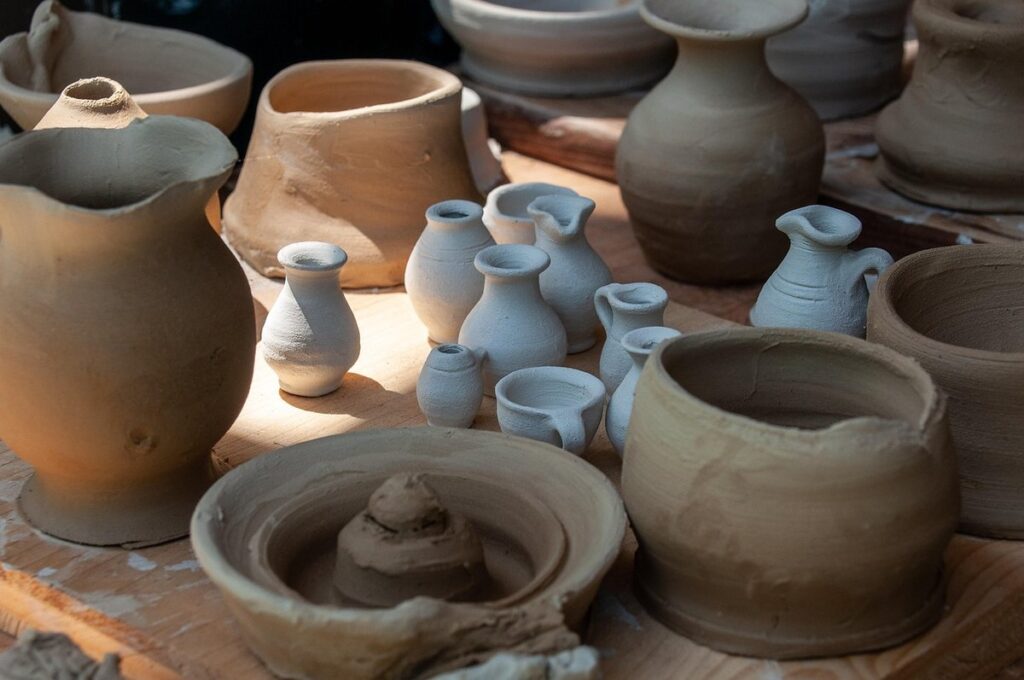
The Benefits of Crafting Hobbies
Discovering the joy of crafting hobbies can bring a sense of calm and fulfillment, but what benefits can these activities really bring to our lives?
Reduces Stress and Anxiety
Engaging in crafting hobbies has been shown to have a profound impact on reducing stress and anxiety levels. Research has consistently demonstrated that creative activities stimulate the brain’s reward system, releasing endorphins and other neurotransmitters that promote feelings of calm and relaxation. Studies have found that individuals who participate in crafting activities experience a significant decrease in cortisol levels, a hormone associated with stress, and an increase in parasympathetic activity, which helps to regulate emotional responses.
One study published in the Journal of Art & Design Education found that participants who engaged in crafting activities experienced a 28% decrease in anxiety levels and a 25% decrease in depression symptoms. Another study published in the Journal of Positive Psychology found that individuals who participated in creative activities, including crafting, reported improved mood and reduced stress levels.
To reap the benefits of crafting for stress and anxiety, try setting aside a dedicated space for crafting and making it a regular part of your routine. Experiment with different materials and techniques to find what works best for you. Even 15-20 minutes of crafting per day can be beneficial, so don’t feel like you need to dedicate hours to see results.
Improves Cognitive Function
Engaging in crafting hobbies has been shown to have a positive impact on cognitive function, with benefits extending to memory, concentration, and problem-solving skills. This is because crafting activities often require attention to detail, spatial reasoning, and working memory, all of which can help build cognitive reserve and even reduce the risk of age-related cognitive decline.
When crafting, you’re often required to switch between different tasks and focus on multiple elements simultaneously, such as color, texture, and pattern. This multitasking has been shown to improve working memory and concentration. For example, knitting or crocheting a complex pattern requires constant attention to the stitches, row count, and yarn color, all of which can help strengthen concentration and working memory.
In addition to these benefits, crafting also provides an opportunity for problem-solving, as you often need to troubleshoot errors or adjust your approach to achieve a desired outcome. This type of cognitive activity can help build problem-solving skills, which are essential for everyday life. To maximize the cognitive benefits of crafting, try to challenge yourself with new techniques, patterns, or materials, and take breaks to practice mindfulness and focus on the present moment.
Fosters Creativity and Self-Expression
Crafting hobbies provide a unique outlet for creative expression, allowing individuals to bring their ideas to life and showcase their personal style. When engaged in a crafting activity, you tap into your imagination and experiment with different techniques, materials, and styles. This freedom to explore and express yourself creatively can have a profound impact on personal growth and development.
Self-expression through crafting enables you to develop your unique voice and perspective, which is essential for building confidence and self-esteem. By creating something with your own hands, you demonstrate to yourself that you are capable of producing something of value. This sense of accomplishment can be incredibly empowering, motivating you to continue exploring your creative potential.
To foster creativity and self-expression in your crafting hobby, try setting aside time for experimentation and play. Don’t be afraid to make mistakes or try new things – often, it’s the unexpected outcomes that lead to the most innovative and exciting creations. Additionally, consider working on projects that allow you to explore different themes, styles, or mediums, such as combining paint, paper, and fabric to create mixed-media art.
Choosing the Right Crafting Hobby
Now that you’ve narrowed down your hobby options to crafts, let’s discuss the key factors to consider when selecting a crafting activity that suits your skills and interests.
Understanding Your Interests
Crafting categories like knitting, painting, and paper crafting are just a few of the many options available. To choose a suitable hobby, start by exploring these categories and identifying the types of projects that spark your interest. For example, do you enjoy working with yarn, or do you prefer to create with paints and brushes? Perhaps you’re drawn to the intricate details of paper crafting or the tactile experience of sculpting with clay.
Consider what you like to do in your free time, both indoors and outdoors. Do you enjoy sewing, gardening, or cooking? These hobbies often share similarities with crafting and can help you develop skills that translate well to various crafting categories. Think about the types of projects you’d like to work on, such as creating gifts for loved ones, decorating your home, or making personal items like jewelry or accessories.
Some popular crafting categories include fiber arts, mixed media, and three-dimensional crafts. Fiber arts include activities like knitting, crochet, and spinning, while mixed media combines different materials and techniques to create unique pieces. Three-dimensional crafts involve working with materials like clay, wood, or paper to create sculptures or decorative items. By exploring these categories and considering your interests and preferences, you can narrow down your options and find a crafting hobby that suits your needs and goals.
Setting Realistic Goals and Expectations
When starting a new crafting hobby, it’s easy to get caught up in the excitement and set unrealistic goals for yourself. You might envision completing a complex project in a matter of days, or producing a flawless piece of art with minimal effort. However, this can lead to frustration and burnout when reality doesn’t live up to your expectations. To avoid this, it’s essential to set realistic goals and expectations from the outset.
Start by breaking down larger projects into smaller, manageable tasks. This will help you pace yourself and make steady progress without feeling overwhelmed. For example, if you’re new to knitting, don’t try to tackle a intricate sweater pattern right away. Instead, start with a simple scarf or hat and gradually work your way up to more complex projects. Additionally, be kind to yourself and allow for mistakes and imperfections. Remember, the goal of crafting is to have fun and express yourself creatively, not to produce a perfect piece of art. By setting realistic goals and expectations, you’ll be able to stay motivated and enjoy the process of learning and improving your crafting skills.
Essential Tools and Materials
When it comes to crafting, investing in quality tools and materials can make a significant difference in the outcome of your projects. For instance, a good pair of sharp scissors can save you time and frustration in the long run, while a set of high-quality paints can provide vibrant and long-lasting results. Here are some essential tools and materials to consider for various crafting hobbies:
For knitting and crochet, you’ll need a set of good-quality yarn, a pair of straight or circular needles, and a measuring tape. A good yarn needle for weaving in ends is also a must-have. For painting and drawing, invest in a set of good-quality brushes, paints, and a sketchbook or canvas. For paper crafting and card making, you’ll need a paper trimmer, a scoring tool, and a set of dies or punches.
When investing in tools and materials, consider the following tips:
- Buy the best quality you can afford, as it will last longer and provide better results.
- Shop around to find the best deals on the tools and materials you need.
- Consider buying second-hand or vintage tools and materials for a unique touch.
- Keep your tools and materials organized and easily accessible to save time and reduce stress.
Popular Crafting Hobbies for Beginners
Whether you’re new to crafting or looking to try something new, some popular hobbies are perfect for beginners to get started with a small investment. Knitting, painting, and adult coloring books are great places to begin.
Knitting and Crochet
Knitting and crochet are excellent crafting hobbies for beginners, offering a sense of accomplishment and relaxation. To get started, you’ll need to understand the basic techniques, tools, and materials involved. Knitting involves using two needles to create rows of interlocking loops, while crochet uses one hook to create chains of stitches. Both require patience and practice, but the results are rewarding.
For beginners, it’s essential to start with simple projects, such as scarves, hats, or dishcloths. These projects teach the fundamental stitches and techniques without being too overwhelming. Choose a pattern that suits your skill level, and don’t be afraid to ask for help or advice from more experienced crafters.
In terms of tools and materials, you’ll need a pair of knitting needles or a crochet hook, along with yarn or thread. Acrylic yarn is a great choice for beginners, as it’s soft, easy to work with, and affordable. Start with a simple stitch pattern, such as garter stitch or single crochet, and gradually move on to more complex designs as you gain confidence and skill.
To get started, consider watching online tutorials or taking a beginner’s class. This will help you understand the basics and get a feel for the stitches and techniques involved. With practice and patience, you’ll be creating beautiful knitted or crocheted items in no time.
Painting and Drawing
For beginners, painting and drawing can be a great way to express creativity and relax. Start with the basics: learn about different mediums, such as watercolor, acrylic, and oil paints, as well as various drawing tools like pencils, charcoal, and pastels. Understand the key techniques, including blending, layering, and texture, which can greatly impact the final result.
When choosing a medium, consider the desired effect and the ease of use. For example, watercolor is ideal for soft, transparent washes, while acrylics are better suited for bold, vibrant colors. Practice with simple exercises, like drawing basic shapes or painting a simple still life. Familiarize yourself with basic styles, such as realism, impressionism, and abstract art, to help guide your creative decisions.
To get started, invest in a basic set of paints or drawing tools, including a variety of brushes and pencils. Watch online tutorials or take a beginner’s class to learn fundamental techniques and gain confidence. Don’t be afraid to experiment and make mistakes – they’re an essential part of the learning process. As you become more comfortable, you can explore different styles and mediums to find what works best for you.
Paper Crafting and Card Making
Paper crafting and card making offer a versatile and accessible way to explore your creativity, requiring minimal equipment to get started. You’ll need basic tools such as scissors, a craft mat, and adhesives, which can be found at most craft stores. Techniques like folding, cutting, and layering are fundamental to creating intricate designs.
To begin, experiment with simple paper crafting techniques like paper folding, quilling, or origami. These exercises will help you develop fine motor skills and hand-eye coordination. As you progress, you can move on to more complex projects, such as 3D paper sculptures or intricate card designs.
Some essential materials to consider include patterned paper, cardstock, and embellishments like ribbons, buttons, or die-cuts. You can also repurpose old cards, scrapbook pages, or magazines to add unique textures and elements to your creations. Consider investing in a paper trimmer or a die-cutting machine to streamline your process and achieve professional-looking results. With practice, patience, and experimentation, you can develop a wide range of skills and techniques to create stunning paper crafts and cards.
Advanced Crafting Techniques and Projects
Now that you’ve mastered the basics, it’s time to take your craft to the next level with intricate techniques and ambitious projects that showcase your skills and creativity.
Mixed Media and Collage
Mixed media and collage are exciting techniques for adding depth and visual interest to your craft projects. By combining different materials and textures, you can create unique and eye-catching pieces that showcase your creativity. To get started, experiment with layering different materials, such as paper, fabric, or found objects, to build up a composition.
Consider the texture and weight of each material you choose, and how they will interact with each other. For example, combining smooth paper with rough fabric can create an interesting contrast. You can also use adhesives, such as glue or decoupage medium, to attach materials to a surface. To add extra dimension, try incorporating found objects, like buttons, ribbons, or other small items.
When it comes to composition, think about the balance and harmony of your piece. You can use a focal point, like a large image or a brightly colored object, to draw the viewer’s eye. Alternatively, create a sense of movement by arranging materials in a diagonal or curved line. Experiment with different techniques and combinations to find what works best for you.
Embellishments and Decorations
When it comes to taking your crafting projects to the next level, embellishments and decorations are essential for adding depth, visual interest, and personality. Advanced techniques for embellishments and decorations include beading, embroidery, and other forms of decorative art. Beading, for example, can be used to create intricate patterns, add texture, and even form three-dimensional shapes. You can use beads in a variety of ways, from stringing them onto a piece of jewelry or a decorative trim to using them to create a beaded border or design.
Embroidery is another advanced technique that can be used to add decorative elements to your projects. You can use traditional embroidery stitches, such as the running stitch or the satin stitch, or experiment with more complex stitches, like the feather stitch or the herringbone stitch. Other forms of decorative art include appliqué, which involves applying fabric or other materials to a design, and quilting, which involves sewing together layers of fabric to create a decorative and often functional item.
To get started with these advanced techniques, consider practicing on a small scale before applying them to your larger projects. You can also find tutorials and online classes to help you learn new skills and techniques.
Large-Scale Projects and Displays
Creating large-scale projects and displays requires a different mindset and approach than working on smaller, more intimate pieces. When planning a large-scale project, it’s essential to consider the space where it will be displayed. Measure the area, take note of any obstructions, and think about the flow of traffic around the display. This will help you design a visually appealing and functional piece.
Large-scale projects often involve combining multiple techniques and materials, such as painting, collage, or mixed media. You’ll need to plan and test your design to ensure it works on a larger scale. This may involve creating a mockup or prototype to gauge the visual impact and make necessary adjustments. Consider the weight and stability of the piece, as well as any safety concerns, such as fire hazards or fragile materials.
To execute a large-scale project, break it down into manageable sections and allocate time for each stage. Set realistic deadlines and allow for flexibility in case things don’t go as planned. Don’t be afraid to seek guidance from more experienced crafters or take classes to learn new skills.
Crafting Communities and Resources
Finding the right community and resources can be a game-changer for your craft, providing support, inspiration, and new techniques to help you grow and improve. We’ll explore the best ways to find and connect with these vital assets.
Online Forums and Social Media
Join online forums and social media groups dedicated to crafting to connect with like-minded individuals and share your work. Websites like Reddit’s r/Crafting and r/HobbyCrafting offer a platform to showcase your projects, ask for feedback, and learn from others. You can also participate in Facebook groups, such as Crafting Addiction or The Crafting Community, where members share their work and provide support. When joining online forums, be respectful and active in discussions, and don’t be afraid to ask questions or seek advice from more experienced crafters.
To get the most out of online forums and social media, consider the following tips: share high-quality images of your work to showcase your projects; ask for specific feedback on your techniques or materials; and participate in discussions to learn from others and share your own knowledge. For example, if you’re a knitter, join a knitting forum to learn new patterns, discuss yarn types, and share your finished projects. By engaging with online crafting communities, you can stay motivated, inspired, and connected to others who share your passion for crafting.
Local Crafting Groups and Meetups
When you’re looking to connect with fellow crafters, join a local crafting group or meetup. These in-person gatherings provide a unique opportunity to share ideas, learn new techniques, and gain inspiration from others. To find a group near you, start by searching online for crafting meetups in your area. Websites like Meetup.com and Eventbrite often list upcoming events and groups.
Before joining a group, consider what you’re looking for in a crafting experience. Do you want to work on a specific project, or learn new skills from others? Some groups focus on a particular craft or style, while others are more general and welcoming to all skill levels. When attending a meetup, be prepared to share your own work and receive feedback from others. This can be a great way to get constructive criticism and new ideas.
To make the most of your in-person crafting experience, come prepared with materials and a willingness to learn. Don’t be afraid to ask questions or request help from more experienced crafters. And don’t worry if you’re new to a particular craft – many groups are happy to have beginners join and share their knowledge. By joining a local crafting group or meetup, you can expand your crafting horizons, build new relationships, and stay motivated in your craft.
Tutorials, Classes, and Workshops
You can find tutorials, classes, and workshops online or in-person to learn new crafting skills. Online platforms like YouTube, Craftsy, and Skillshare offer a wide range of video tutorials and classes on various crafting topics. These resources are often structured to follow a specific project or technique, making it easier to follow along and practice.
When selecting online tutorials, consider the instructor’s expertise and the quality of the content. Look for tutorials that provide clear instructions, close-up shots, and step-by-step guidance. You can also search for online classes that focus on specific techniques, such as hand lettering or mixed media art.
In-person classes and workshops can be a great way to learn new skills and get hands-on practice. Local craft stores, community centers, and art schools often offer classes and workshops for various crafting activities. These classes provide a chance to ask questions, receive feedback, and learn from instructors who can offer personalized guidance.
Before attending a class or workshop, check the instructor’s experience and the materials provided. Some classes may also offer take-home projects or materials, which can be a great way to continue practicing new skills.
Maintaining a Crafting Routine
Sticking to a crafting routine can be a challenge, but establishing a consistent schedule will help you stay motivated and see progress in your projects. By prioritizing your time and creating a routine, you can make crafting a sustainable part of your life.
Scheduling and Time Management
When you’re passionate about a crafting hobby, it’s easy to get caught up in the excitement of creating and forget about time management. However, scheduling and prioritizing your time is crucial for maintaining a consistent crafting routine. Without a plan, you may find yourself feeling overwhelmed, struggling to meet deadlines, or worse, giving up on a project altogether.
To avoid procrastination, try allocating specific times for crafting in your daily or weekly schedule. Be realistic about how much time you can dedicate to a project and stick to it. Set aside dedicated blocks of time for crafting, free from distractions, and commit to using that time for creating.
Prioritize your projects by focusing on the most important or urgent tasks first. Break down larger projects into smaller, manageable chunks, and tackle one task at a time. Use a calendar or planner to keep track of your crafting schedule, and set reminders to ensure you stay on track. By prioritizing your time and creating a schedule, you’ll be able to make consistent progress on your crafting projects and enjoy the creative fulfillment that comes with it.
Staying Motivated and Inspired
When you’re consistently creating, it’s easy to fall into a rut and lose motivation. This is where finding new sources of inspiration comes in. One strategy is to explore different mediums and techniques within your chosen craft. For instance, if you’re a painter, try your hand at drawing or printmaking to stimulate your creativity.
Exposure to other artists and makers can also be a great motivator. Attend local crafting events, join online forums, or participate in social media groups to see what others are working on and learn from their experiences.
Creative blocks can be frustrating, but there are ways to overcome them. Try changing your environment by working in a different location or at a different time of day. Alternatively, take a break from your project and come back to it with fresh eyes. Sometimes, stepping away from a piece can help you approach it with a new perspective.
Lastly, remind yourself why you started crafting in the first place. Reflecting on your goals and what brings you joy can help you regain your enthusiasm and motivation.
Continuous Learning and Improvement
Staying current with the latest techniques and trends is crucial to maintaining a vibrant and engaging crafting routine. One way to do this is by regularly visiting online crafting communities and forums, where you can share your projects, get feedback, and learn from others. These platforms often feature tutorials, videos, and blog posts on new techniques and products, allowing you to stay informed about the latest developments in your chosen craft.
Another approach is to set aside time each month to explore new techniques, either through online tutorials or in-person classes. Websites like Craftsy and Creativebug offer a wide range of courses on various crafting topics, from beginner-friendly basics to advanced techniques. You can also join online groups or social media platforms focused on specific crafts, where you can connect with other enthusiasts and learn from their experiences.
When exploring new techniques, it’s essential to be patient and not feel overwhelmed. Start by trying out simple projects or exercises, and gradually build up your skills and confidence. By making continuous learning and improvement a regular part of your crafting routine, you’ll be able to stay motivated and inspired, and continually push the boundaries of your creativity.
Frequently Asked Questions
How long does it take to see significant improvements in cognitive function through crafting hobbies?
It can take anywhere from a few weeks to several months to notice improvements in cognitive function through regular crafting activities. This timeframe can vary depending on individual factors, such as the frequency and duration of crafting sessions, and the complexity of the projects being worked on. Consistency and patience are key to experiencing cognitive benefits.
What if I’m not artistic or creative? Can I still benefit from crafting hobbies?
Yes. Crafting hobbies are not limited to artistic or creative individuals. They offer a range of benefits, including stress relief, relaxation, and cognitive improvement, regardless of artistic ability. Many crafting hobbies, such as knitting or crocheting, require minimal artistic skill and can be enjoyed for their therapeutic benefits.
How do I balance crafting with other responsibilities and commitments?
Balancing crafting with other responsibilities requires effective time management and prioritization. Schedule dedicated crafting time, set realistic goals, and avoid overcommitting to ensure a sustainable crafting routine. It’s also essential to communicate with family and friends about your crafting needs and find ways to incorporate it into your daily or weekly routine.
What if I’m struggling to find time for crafting due to work or family commitments?
If work or family commitments leave little time for crafting, consider incorporating small, manageable crafting sessions into your daily routine. Even 15-20 minutes of crafting per day can be beneficial for stress relief and cognitive improvement. Be flexible, and don’t be afraid to adjust your crafting schedule as needed to accommodate changing circumstances.
Can I combine multiple crafting hobbies to create a more comprehensive and engaging crafting routine?
Yes, combining multiple crafting hobbies can enhance your crafting experience, offer variety, and prevent boredom. Consider pairing a more creative hobby like painting with a more therapeutic one like knitting or crocheting. This can help keep your routine engaging and prevent burnout, while also allowing you to explore different aspects of crafting.