
Creating a beautiful and low-maintenance outdoor space can be a daunting task, especially for those with small or irregularly shaped gardens. But with a little creativity and the right design, you can turn your outdoor area into a stunning rock garden. These types of gardens are perfect for those who want to add some visual interest and texture to their yard without the high maintenance of traditional landscaping. By incorporating rocks, plants, and other decorative elements, you can create a unique and peaceful space that requires minimal upkeep. In this article, you’ll discover stunning rock garden ideas and expert tips on how to create your own beautiful and thriving outdoor oasis. By the end of this guide, you’ll have the knowledge and inspiration to design and build a stunning rock garden that brings joy and beauty to your outdoor space.
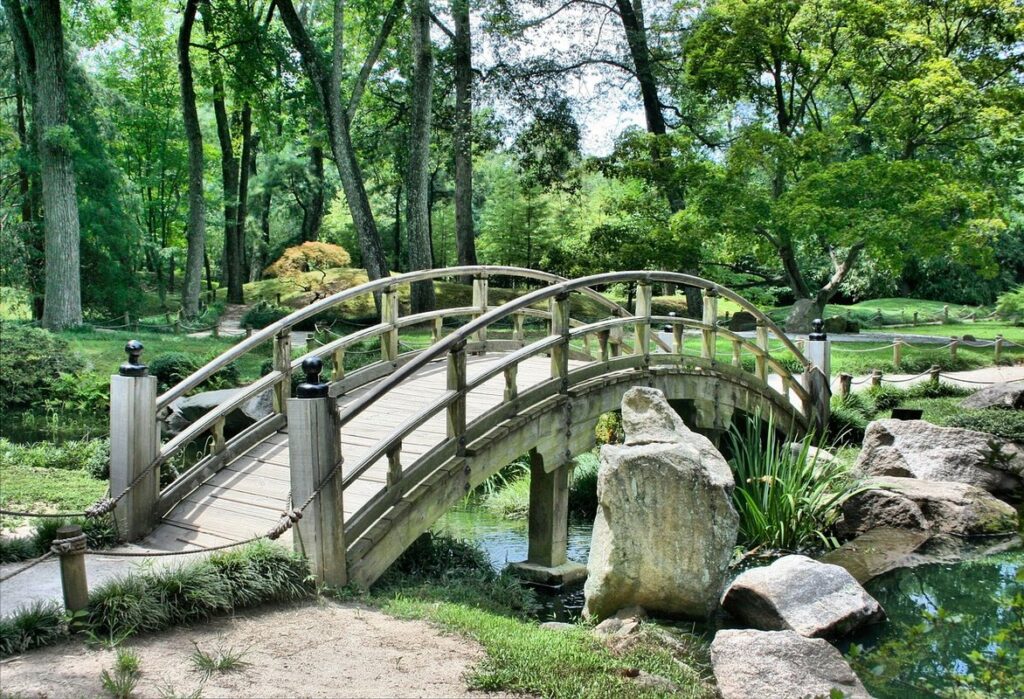
Planning the Perfect Rock Garden
When creating your dream rock garden, it’s essential to consider the overall design and layout to ensure a visually appealing and functional space. This section will guide you through the planning process.
Choosing the Right Location
When choosing the right location for your rock garden, sunlight is one of the most critical factors to consider. Most rock gardens require at least 4-6 hours of direct sunlight per day to prevent overgrowth and promote healthy plant growth. If your yard receives full sun, you can create a vibrant and colorful rock garden. However, if it’s shaded, you can still achieve success with plants that thrive in partial shade.
Drainage is another essential consideration when selecting a location for your rock garden. You’ll want to avoid areas with standing water or where water tends to collect. This is because rock gardens are designed to be low-maintenance, and excess moisture can lead to root rot and other problems.
Accessibility is also important. Choose a location that’s easily accessible, so you can tend to your rock garden regularly. Avoid areas with steep slopes or uneven terrain, as they can be hazardous to navigate. Consider the proximity to water sources and electrical outlets, as these will be essential for irrigation and other maintenance tasks.
When evaluating your yard, look for areas with good air circulation and minimal wind exposure. This will help prevent soil erosion and ensure that your plants receive the right amount of moisture. By carefully selecting a location that meets these criteria, you’ll be well on your way to creating a beautiful and low-maintenance rock garden.
Selecting the Right Rocks and Materials
When selecting rocks and materials for your rock garden, it’s essential to choose options that complement your design and provide the right aesthetic and functional benefits. Consider using natural stone, such as fieldstone or flagstone, which can add texture and visual interest to your garden. These types of stone are also durable and can withstand the elements, making them a practical choice.
Gravel, on the other hand, is a more affordable option that can help with drainage and prevent erosion. However, it can be prone to washing away or becoming dislodged over time, especially in areas with heavy rainfall. Pea gravel or small decorative rocks are good alternatives, as they are less likely to shift and can provide a more uniform appearance.
Other materials to consider include decomposed granite, which can help with drainage and retain moisture in the soil, and boulders or large rocks, which can add a sense of grandeur and create visual interest. When selecting rocks and materials, think about their texture, color, and size, and how they will interact with the plants and other elements in your garden.
Designing the Garden Layout
When designing the garden layout of your rock garden, balance is key. A well-balanced rock garden should have a mix of large and small rocks, placed in a way that creates visual interest without overwhelming the space. Start by grouping similar-sized rocks together, and then place larger rocks as anchors in the design. This will help create a sense of stability and structure.
Create focal points in your rock garden by placing a few statement rocks or a cluster of small rocks in a unique or interesting way. For example, you could place a large rock in the center of the garden, surrounded by smaller rocks and plants. Alternatively, you could create a “rock wall” by stacking smaller rocks against a larger one.
Incorporate plants into your design by placing them among the rocks, or by using rocks to create a series of “planters” or “pocket gardens”. This will add color and texture to the space, and help to soften the look of the rocks. Consider using plants with different growth habits and textures to create a visually interesting composition. For example, you could pair a low-growing succulent with a taller grass or shrub.
Rock Garden Design Styles
As you begin to plan your rock garden, you’ll want to consider the various design styles that can add visual interest and beauty to your outdoor space. From modern and sleek to traditional and rustic, there are many options to choose from.
Japanese-Style Rock Gardens
Japanese rock gardens, also known as Zen gardens, have a long history in Japan dating back to the 14th century. These serene outdoor spaces were originally designed as meditation gardens for Buddhist monks, but today they’re sought after for their beauty and tranquility by people from all walks of life. A key element of a traditional Japanese rock garden is the use of carefully placed stones, which are meant to evoke the natural beauty of the Japanese landscape.
In a traditional Japanese rock garden, the stones are typically grouped in a way that creates a sense of balance and harmony. The arrangement of the stones is often based on the principles of Zen Buddhism, which emphasizes simplicity and the importance of finding peace in nature. To create a similar look, consider using a combination of large boulders and smaller stones, and arrange them in a way that creates visual interest without cluttering the space.
When selecting stones for your Japanese rock garden, look for ones with interesting textures and shapes. Avoid using smooth, uniform stones, as they can create a sterile and unnatural look. Instead, opt for stones with natural imperfections and unique characteristics. By carefully selecting and placing stones, you can create a beautiful and peaceful Japanese rock garden that brings a sense of serenity to your outdoor space.
Modern Rock Garden Designs
Modern rock garden designs prioritize clean lines, minimal ornamentation, and a focus on the natural beauty of the rocks. A typical modern rock garden might feature large, smooth boulders or slabs of stone, often arranged in a simple, symmetrical pattern. These designs often incorporate industrial materials, such as steel or reclaimed wood, to add visual interest and create a contrast with the natural stone. For example, a modern rock garden might feature a sleek steel bench or a reclaimed wood trellis to provide a subtle backdrop for the rock arrangement. In terms of plant selection, modern designs often favor low-maintenance, drought-tolerant species, such as succulents or sedums, which thrive in the dry conditions of a rock garden. A key principle of modern rock garden design is to avoid clutter and instead focus on a few statement pieces, whether they be rocks, plants, or other decorative elements. This approach allows the eye to move freely through the space, taking in the clean lines and minimalist beauty of the design.
When creating a modern rock garden, consider the following tips:
- Use a limited color palette to create a cohesive look.
- Balance large rocks with smaller, more delicate plants.
- Avoid over-accessorizing with too many decorative elements.
- Consider incorporating a water feature, such as a small fountain or birdbath, to add visual interest and create a soothing sound.
Whimsical and Unconventional Designs
Incorporating unusual materials, shapes, and themes can add a unique touch to your rock garden design. Consider using weathered wood, metal sculptures, or reclaimed brick to create a visually interesting focal point. For example, a wooden bench or a metal statue can be placed amidst the rocks to add a sense of depth and character to the space.
Some rock garden designs incorporate non-traditional shapes, such as rounded boulders or angular stone slabs. These shapes can create a sense of movement and energy in the garden. You can also experiment with different textures by combining smooth rocks with rough-hewn stone or incorporating natural elements like driftwood or sea glass.
When incorporating unusual materials and shapes, it’s essential to balance the design with plants that complement the overall aesthetic. For instance, if you’re using weathered wood, choose plants with a rustic or vintage feel, like succulents or wildflowers. By mixing and matching unconventional elements, you can create a truly one-of-a-kind rock garden that reflects your personal style and adds a unique touch to your outdoor space.
Some ideas to consider when designing a whimsical rock garden include:
- Using a mixture of large and small rocks to create a sense of visual interest
- Incorporating a statement piece, like a metal sculpture or a large wooden planter
- Experimenting with different textures and materials, such as smooth rocks, rough-hewn stone, or natural elements like driftwood
- Choosing plants with a unique or exotic feel, like succulents or wildflowers, to complement the design
Plant Selection for Rock Gardens
When it comes to creating a visually stunning rock garden, the plants you choose are crucial. Let’s take a closer look at some of the best plants for rock gardens, perfect for adding color and texture.
Succulent and Cacti Options
When it comes to choosing succulent and cacti options for your rock garden, consider plants like Echeveria, Sedum, and Aloe. These species are well-suited to the dry, rocky conditions found in rock gardens and require minimal watering. In fact, overwatering is one of the most common mistakes when growing succulents and cacti – be sure to let the soil dry out completely between waterings.
Some popular varieties include ‘Trailing Sedum’, which features long, cascading stems, and ‘Echeveria Perle von Nurnberg’, with its delicate, powdery leaves. These plants not only add visual interest to your rock garden but also provide a low-maintenance option for areas with poor soil quality. When planting, be sure to choose a location with good air circulation to prevent fungal diseases.
For a more dramatic effect, consider using a mix of tall and short succulents and cacti. For example, pair a tall species like ‘Agave’ with shorter plants like ‘Crassula’. This will create a visually appealing contrast and add depth to your rock garden. Just remember to choose plants that are suitable for your local climate and provide the right amount of sunlight for each species.
Native Plant Options
Using native plants in your rock garden can be a great way to create a beautiful and low-maintenance outdoor space. Native plants are adapted to the local climate and soil conditions, which means they require less water and care compared to non-native plants. This is especially beneficial in rock gardens, where water conservation is often a priority.
One of the main challenges of using native plants in rock gardens is finding species that fit the desired aesthetic. While native plants may not be as flashy as some non-native species, they can still provide a unique and striking look. For example, the Western Columbine (Delphinium occidentale) is a native plant to the western United States that produces delicate purple flowers in the spring.
When selecting native plants for your rock garden, consider factors such as soil type, sunlight, and moisture levels. You can also consult with local nurseries or gardening experts to find native plant species that thrive in your area. Some other native plants to consider for your rock garden include the Bearberry (Arctostaphylos uva-ursi) and the Western Yarrow (Achillea millefolium).
Foliage and Flowering Plants
When selecting foliage and flowering plants for a rock garden, it’s essential to choose varieties that thrive in the unique conditions of a rock garden. Many flowering plants, such as succulent-type plants like Echeveria and Sedum, produce vibrant blooms in shades of pink, yellow, and purple. These plants typically require full sun to partial shade and infrequent watering, making them ideal for rock gardens.
Other options include plants with silvery or gray foliage, like Artemisia and Lamb’s Ear, which add texture and interest to the garden. These plants are often more drought-tolerant than flowering plants and can thrive in areas with poor soil.
When selecting flowering plants, consider those that produce blooms in the spring or summer, like coneflowers and black-eyed Susans. These plants typically require more watering and maintenance than foliage plants but can add a pop of color to the garden.
In terms of care, be mindful of the specific needs of each plant, including watering, pruning, and fertilization. Some plants, like succulents, require less maintenance than others and can thrive with minimal care. By choosing the right plants for your rock garden, you can create a beautiful and low-maintenance outdoor space.
Maintenance and Care
To keep your rock garden thriving, it’s essential to maintain its aesthetic and health by regularly checking for debris, weeds, and water accumulation. Regular maintenance will ensure your garden remains beautiful and resilient.
Watering and Irrigation
When it comes to watering and irrigating rock gardens, efficiency is key. A well-designed irrigation system can make all the difference in maintaining the health and beauty of your garden. One effective approach is to use a drip irrigation system, which delivers water directly to the roots of plants, reducing evaporation and runoff. This method is especially suitable for rock gardens, where plants are often spaced far apart and water can quickly collect in low-lying areas.
To minimize water waste, consider installing a rain sensor that automatically shuts off the irrigation system during rainfall. You can also use a soil moisture probe to monitor the soil’s water levels, allowing you to water only when necessary. For plants that require more frequent watering, such as succulents and cacti, use a gentle sprinkler system or a soaker hose to deliver water slowly and evenly.
Here are some key considerations when designing your irrigation system:
• Choose a system that’s specifically designed for rock gardens and xeriscaping.
• Consider the slope and elevation of your garden when designing the irrigation layout.
• Use a combination of above-ground and below-ground irrigation lines to reduce visual clutter.
• Regularly inspect and maintain your irrigation system to ensure it’s working efficiently.
Mulching and Erosion Control
Mulching and erosion control are crucial aspects of maintaining a healthy and visually appealing rock garden. Mulch helps retain moisture in the soil, suppress weeds, and regulate soil temperature. However, mulch can also be a source of erosion if not applied correctly. To prevent mulch from washing away, apply a 2-3 inch layer of organic mulch, such as wood chips or bark, around plants and along slopes. To further reduce erosion, install a geotextile fabric or a rock border to stabilize the soil.
When selecting a mulch, consider using materials that are resistant to decomposition, such as cedar or cypress. These materials will last longer and require less maintenance. Additionally, avoid using mulches with high moisture content, such as pine straw, as they can exacerbate erosion.
To retain mulch, use a combination of physical barriers and plant selection. Plant species with deep root systems, such as succulents and drought-tolerant plants, can help hold the soil in place. Avoid planting species with shallow root systems, as they can create channels for water to flow through and exacerbate erosion.
Pest and Disease Management
When it comes to maintaining a healthy rock garden, pest and disease management is an essential aspect to consider. Rock gardens are particularly susceptible to pests like slugs, snails, and aphids, which can quickly spread and cause damage to plants. To prevent these pests, use physical barriers like copper tape or crushed eggshells to deter them from reaching your plants. Additionally, encourage beneficial insects like ladybugs and lacewings, which prey on pests, by planting host plants like dill and fennel.
Some common diseases that affect rock gardens include root rot, leaf spot, and powdery mildew. These diseases often thrive in humid environments, so it’s crucial to maintain good air circulation and ensure that your plants have adequate drainage. To prevent disease, avoid overwatering and water plants in the morning to allow excess water to evaporate during the day. If you do encounter a disease, treat the affected area with a fungicide and remove any infected plants to prevent the disease from spreading.
Regularly inspect your plants for signs of pests or disease and take action promptly to prevent infestations from getting out of hand.
DIY Rock Garden Projects
Take your rock garden to the next level with these easy-to-follow DIY projects, perfect for adding unique touches to your outdoor space. From small accents to full-scale designs, you’ll find inspiration here.
Building a Rock Garden Retaining Wall
Building a rock garden retaining wall is a crucial aspect of designing a low-maintenance outdoor space. This wall not only adds visual appeal but also helps to prevent soil erosion and maintain the garden’s structural integrity. To build a rock garden retaining wall, you’ll need the following materials: retaining wall blocks or stones, sand or gravel, geotextile fabric, and a level.
Begin by excavating the area where the wall will be built, making sure to create a level base. Lay down the geotextile fabric to prevent soil erosion and ensure a stable foundation. Next, stack the retaining wall blocks or stones, starting from the bottom and working your way up. Use sand or gravel to fill in the gaps between the blocks, and ensure the wall is level and secure.
For a more stable wall, consider using a combination of large and small stones, with the largest stones at the base and the smallest at the top. This will create a sturdy and visually appealing wall that complements your rock garden design.
Creating a Rock Garden Pathway
Creating a rock garden pathway can be a beautiful and functional addition to your outdoor space. For this project, you’ll need a variety of materials, including large rocks or stones, gravel or decomposed granite, and a level surface. Consider using a mix of large rocks and smaller gravel to create a visually interesting path.
When designing your rock garden pathway, think about the overall aesthetic you want to achieve. Do you want a sleek, modern look or a more natural, earthy feel? You can use larger rocks to create a border or use them to create a series of stepping stones. Consider adding some decorative elements, such as a small water feature or a statue, to create visual interest.
To install your rock garden pathway, start by clearing the area of any debris or vegetation. Next, lay down a layer of compacted gravel or decomposed granite to provide a stable base. Then, arrange your large rocks or stones in a pattern that suits your design. Finally, add a layer of smaller gravel or sand to fill in the gaps and create a smooth surface.
Incorporating Water Features
Incorporating water features into a rock garden can add a unique and soothing element to the space. One of the primary benefits of water features in a rock garden is the sound and visual appeal they provide. A small fountain or birdbath can create a calming atmosphere, while also attracting wildlife such as birds and butterflies.
However, incorporating water features also comes with some challenges. For example, ensuring proper drainage is crucial to prevent waterlogging and erosion. This can be achieved by designing a sloping rock bed or using a French drain to direct excess water away from the garden.
Some design ideas for incorporating water features include:
• Using a shallow fountain or birdbath that can be easily maintained and doesn’t require a lot of space
• Incorporating a small pond with a naturalistic rock surrounding to blend in with the garden
• Installing a drip irrigation system to conserve water and reduce maintenance
• Creating a small waterfall or rill to add visual interest and create a sense of movement
When designing a water feature, consider the rock garden’s overall aesthetic and choose materials that complement the surrounding rocks and plants.
Common Mistakes to Avoid
When creating a rock garden, there are several common pitfalls to watch out for, including over- or under-planning the design and neglecting drainage.
Overcrowding and Overplanting
When designing a rock garden, it’s easy to get carried away with planting and rock placement, but overcrowding and overplanting can quickly ruin the aesthetic and create maintenance headaches. Leave at least 6-12 inches of space between plants, depending on their mature size, to allow for proper air circulation and prevent fungal diseases. This spacing also makes it easier to water and fertilize individual plants.
In a rock garden, plants serve as more than just decorative elements – they also help to anchor the space and create visual interest. However, when overplanted, the garden can start to feel cluttered and overwhelming. To avoid this, focus on selecting a few statement plants and use them as focal points, rather than trying to fill every available space with smaller plants.
When placing rocks, consider the “rule of thirds” – position larger rocks in a way that creates a balanced composition, rather than simply filling the space with smaller rocks. This will create a more visually appealing and harmonious garden. By leaving space between plants and rocks, you’ll create a rock garden that’s not only beautiful but also low-maintenance and easy to enjoy.
Poor Drainage and Waterlogging
Poor drainage and waterlogging can be a major problem in rock gardens, leading to the formation of puddles, erosion, and root rot. When water accumulates, it can also create an ideal environment for pests and diseases to thrive. To prevent waterlogging, it’s essential to ensure that your rock garden has adequate drainage. This can be achieved by installing a French drain or a perforated pipe that directs excess water away from the garden. You can also use a layer of aggregate, such as gravel or decomposed granite, to allow water to seep through and prevent it from pooling.
In addition to prevention, it’s crucial to address existing waterlogging issues. If your rock garden is already prone to waterlogging, consider raising the level of the garden bed or installing a drainage system. You can also use plants that are tolerant of waterlogging, such as sedges or rushes, to help absorb excess moisture. By taking proactive steps to prevent and address waterlogging, you can create a healthy and thriving rock garden that requires minimal maintenance.
Insufficient Maintenance
Regular maintenance is crucial in rock gardens to prevent issues that can lead to an unattractive and unhealthy garden. One common mistake is allowing debris and weeds to accumulate, which can overcrowd the space and outcompete desired plants. To stay on top of care, set aside time each week to inspect the garden and remove any dead or dying plants, as well as weeds and debris. Watering and irrigation also require regular attention, as over- or under-watering can cause problems.
Inadequate mulching can also contribute to insufficient maintenance. Mulch helps retain moisture, suppress weeds, and regulate soil temperature. However, it should be replenished periodically to maintain its effectiveness. A good rule of thumb is to replenish mulch every 2-3 months, or as needed. This will help keep the soil healthy and prevent weeds from growing.
Furthermore, regular pruning and grooming are essential to maintaining a visually appealing rock garden. Remove any dead or damaged branches, and trim back overgrown plants to maintain the desired shape. Regularly inspect the garden for any signs of pests or diseases, and take prompt action if necessary. By staying on top of maintenance tasks, you can enjoy a beautiful and low-maintenance rock garden.
Frequently Asked Questions
What if I want to create a rock garden on a slope or uneven terrain?
To create a rock garden on a slope or uneven terrain, you’ll need to take extra precautions to ensure the stability of the rocks and the soil. Consider using retaining walls or terracing to create a level surface, and choose rocks and materials that are specifically designed for use on slopes. You may also need to consult with a professional to ensure the design is safe and secure.
Can I use recycled materials, like old stones or broken concrete, in my rock garden?
Yes, using recycled materials can be a great way to add unique character to your rock garden while also reducing waste. Just be sure to clean and prepare the materials properly before using them, and consider incorporating them in a way that creates a visually appealing contrast with the other elements in the garden.
How do I prevent my rock garden from becoming too hot in the summer sun?
To prevent your rock garden from becoming too hot in the summer sun, consider using materials like dark-colored gravel or rocks that are designed to absorb and retain heat. You can also incorporate plants with deep roots or those that are specifically adapted to hot, dry conditions. Mulching and adequate watering can also help to keep the soil temperature cooler.
What if I want to create a rock garden in a shady area with limited sunlight?
While rock gardens typically require full sun to thrive, there are still many beautiful and low-maintenance options for shady areas. Consider using plants that are specifically adapted to shade, such as ferns or hostas, and choose rocks and materials that are designed for use in shaded conditions. You can also incorporate water features or other decorative elements to create visual interest in the area.
Can I use a combination of rocks and other materials, like wood or metal, in my rock garden?
Yes, combining rocks with other materials like wood or metal can add texture and visual interest to your rock garden. Just be sure to choose materials that are durable and long-lasting, and consider incorporating them in a way that creates a cohesive and harmonious design.

