Folding a t-shirt is one of those everyday tasks that can be frustratingly tricky, especially if you’re not used to doing it. You’ve probably struggled with wrinkles and creases, or worse, ended up with a crumpled mess on your bed. But fear not, because mastering the art of folding a t-shirt can save you time, reduce clutter, and even make your laundry day less stressful.
Understanding how to properly fold a t-shirt also depends on its fabric content – cotton, polyester, or blends – as well as knowing when ironing is necessary. And let’s face it, making mistakes while folding can be a major bummer. In this guide, we’ll take you through the techniques for beginners and advanced users alike, covering everything from basic folds to tips for avoiding common pitfalls. By the time you finish reading, you’ll know exactly how to fold a t-shirt like a pro, saving you time and effort in the long run.
Choosing the Right Folding Technique
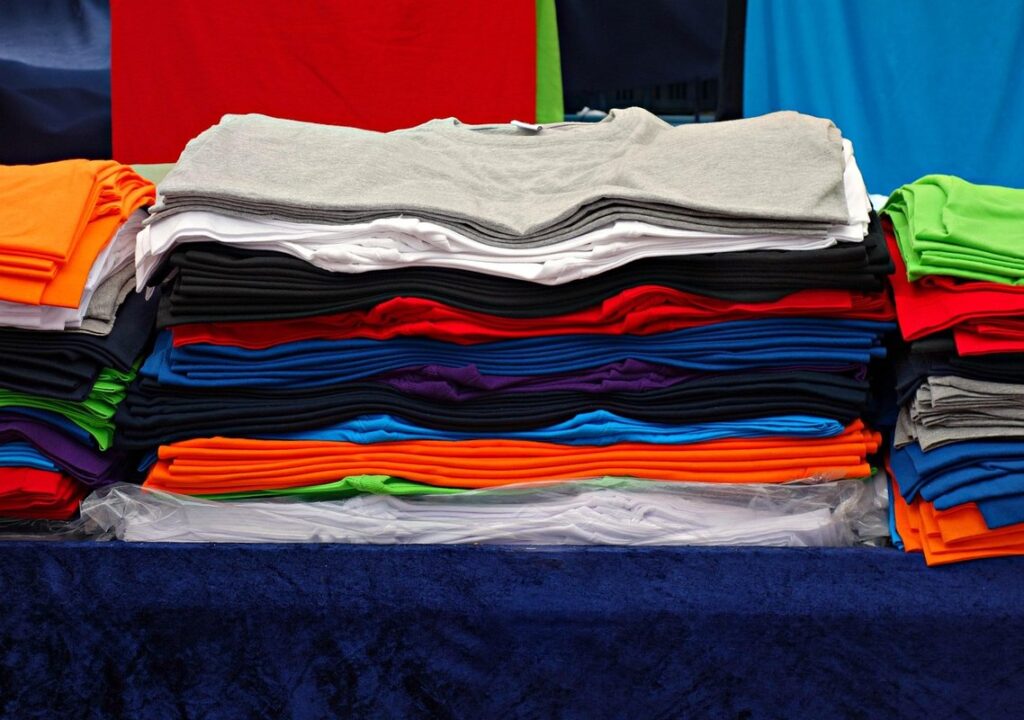
When folding a t-shirt, choosing the right technique is crucial for achieving a crisp and compact fold that lasts. You’ll want to consider factors like storage space and personal style when making your decision.
For Beginners: The Simplest Way to Fold a T-Shirt
For beginners, folding a t-shirt can seem daunting. However, with a simple and straightforward technique, you’ll be able to fold your t-shirts like a pro. First, lay the t-shirt flat on a surface with the front side facing up. Next, take one of the short sleeves and fold it towards the opposite shoulder, so that it aligns with the other sleeve.
Now, fold the left and right sides of the t-shirt towards the middle, making sure to keep the edges aligned. This will create a compact rectangular shape. Finally, fold the bottom half of the t-shirt up towards the top half, keeping the layers even. To ensure everything stays in place, you can use a small clip or press.
Remember, practice makes perfect, so don’t be discouraged if it takes a few attempts to get the hang of it. Start with a plain white t-shirt and work your way through different colors and patterns until you feel comfortable folding any type of shirt.
Advanced Techniques: Creating a Compact Fold
To create a compact fold, you’ll want to focus on minimizing the amount of fabric visible when folded. Start by laying the t-shirt flat on a surface with the front side facing up. Fold the left and right sides towards the middle, ensuring they align with the center crease. Next, fold the bottom hem up towards the top, keeping it aligned with the sides you just folded.
Now, fold the sleeves in towards the body of the shirt, tucking them under the main fold. This will help create a compact shape and prevent loose fabric from getting in the way. To take it to the next level, use a folding board or other flat surface to press the folds as you go. This will not only help maintain crisp creases but also save space in your closet by reducing bulk.
The result should be a neat, rectangular shape that takes up minimal storage space. Remember, practice makes perfect, so don’t be discouraged if it takes a few attempts to master this technique.
Understanding T-Shirt Anatomy
When it comes to folding a t-shirt, understanding its basic anatomy is key to achieving a crisp, professional-looking fold. Knowing where the seams and labels are located will help you get started.
The Importance of Collar Type and Sleeve Length
When it comes to folding a t-shirt like a pro, understanding its anatomy is crucial. The type of collar and sleeve length can significantly impact the folding process. For example, crew necks are generally easier to fold than V-necks because they lie flat more naturally. On the other hand, button-down collars can be trickier due to their curvature.
Sleeve length also plays a role. Short sleeves make folding simpler since there’s less fabric to deal with. Long sleeves, however, require more precision when tucking them under the folded body of the shirt. When choosing a t-shirt for folding, consider its size and proportions. A standard-sized adult tee typically has a 19-inch shoulder measurement and 27-inch length. However, these dimensions can vary depending on the brand or style.
To make folding easier, opt for a t-shirt with a balanced design that doesn’t have too much extra fabric. Avoid oversized shirts as they may require more effort to fold neatly.
How to Identify a T-Shirt’s Fabric Content
Most t-shirts are made from synthetic or natural fibers, with some being blends of both. Common synthetic fabrics used in t-shirts include polyester and nylon, which are often blended to create a soft, wrinkle-resistant fabric. Natural fibers like cotton and bamboo are also popular choices for their breathability and moisture-wicking properties.
When shopping for a t-shirt that’s easy to fold, look for ones made from smooth, tightly woven fabrics like polyester or blends. These tend to hold their shape better than loose-weave natural fibers, making them easier to fold and store. On the other hand, cotton and bamboo t-shirts can be more challenging to fold due to their texture and tendency to wrinkle.
To identify a t-shirt’s fabric content, check the care label for keywords like “poly-cotton blend” or “100% nylon.” Some manufacturers also list the fiber content on a small tag inside the collar. Knowing the type of fabric your t-shirt is made from can help you anticipate how it will fold and store, making it easier to achieve a crisp, professional-looking fold.
Folding Basics: Tips and Tricks
Mastering the art of folding a t-shirt is all about technique, and we’re here to share our top tips for getting that perfect fold every time. From basic folds to expert tricks, let’s start with the essentials.
How to Lay Out Your T-Shirt for Fitting
To ensure a smooth folding process, start by laying out your t-shirt on a flat surface. Begin with the front side facing up and align the shoulders, ensuring they are even and symmetrical. Ironing the t-shirt while it’s still slightly damp can help remove wrinkles and creases, making it easier to fold.
Pay attention to the fabric type: cotton, linen, or blends tend to wrinkle less than polyester or rayon. If you’re working with a wrinkled shirt, iron the seams first, then move on to the body of the garment. Avoid ironing over any labels or seams that may melt or scorch.
For optimal folding results, prepare the fabric by smoothing out any remaining wrinkles. You can also gently stretch the t-shirt in both directions – horizontally and vertically – to relax the fibers. This helps prevent unsightly creases from forming during the folding process.
Using a Fitted Sheet Method for Larger T-Shirts
Using a fitted sheet method can be an effective way to fold larger t-shirts. This technique is particularly useful for shirts with loose weaves or those made from materials prone to wrinkling, as it helps reduce bulk and prevents creasing. To begin, place the shirt on a flat surface with the front side facing up. Fold one of the sleeves towards the body, then fold the other sleeve over the first, ensuring they meet at the armpit. Next, fold the bottom hem up towards the top, keeping it parallel to the armholes.
The key here is to maintain even folds and avoid bunching the fabric. It may take some practice to get the hang of this technique, but with patience and repetition, you’ll develop a sense of how much fabric to tuck in at each step. For best results, try folding the shirt immediately after it’s been washed and dried, while the fibers are still slightly damp. This will help reduce wrinkles and make the folding process easier overall.
Common Folding Mistakes to Avoid
Folding a t-shirt can be tricky, and even small mistakes can make all the difference – that’s why it’s essential to know what not to do. We’ll look at some common errors to steer you clear of a rumpled mess.
Over-Folding: The Most Common Error
When folding a t-shirt, it’s easy to get caught up in trying to make every crease and fold perfect. However, over-folding is one of the most common mistakes that can actually lead to wrinkles and creases. This happens when you continue to fold the shirt after it’s already smooth, or when you’re too aggressive with your folding technique.
Over-folding causes problems because it puts unnecessary stress on the fabric, causing it to bend and twist in ways it wasn’t meant to. Imagine trying to fold a sheet of paper multiple times – eventually, it will start to buckle and crease under the pressure. The same thing happens with t-shirts. When you over-fold, you’re essentially creating tiny folds within folds that can be difficult to smooth out.
To avoid over-folding, try to fold your shirt in a gentle, fluid motion. Focus on getting each section smooth before moving on to the next one. Remember, it’s not about achieving perfection with every fold – it’s about finding a balance between neatness and gentleness. By being mindful of your folding technique, you can avoid over-folding and keep your t-shirts looking their best.
Failing to Iron Before Folding
Ironing a t-shirt before folding is an often-overlooked step, but it makes a significant difference in achieving crisp, professional-looking folds. When fabric is wrinkled, folding can cause those wrinkles to set into the fold itself, making the garment look rumpled and unfinished.
Cotton, linen, and rayon fabrics tend to benefit from ironing, as they can develop deep creases that are difficult to remove once formed. These types of fabrics respond well to medium heat and a moderate amount of steam. For synthetic fibers like polyester or nylon, low heat is usually sufficient, as they can scorch easily.
A simple rule for ironing different fabrics is to press the fabric while it’s still slightly damp. This allows for more effective removal of wrinkles, rather than trying to smooth out dry, stubborn creases. Ironing before folding also ensures that any areas prone to bunching or rucking, such as seams or pockets, are smoothed out and lie flat in the final fold.
Advanced Folding Techniques
Now that you’ve mastered the basics, it’s time to take your folding skills to the next level by learning advanced techniques for crisp, professional-looking folds. These methods require a bit more finesse, but are worth the effort.
Creating a Rolled Fold for Travel
When packing for travel, it’s essential to create a compact and organized luggage. One effective way to achieve this is by folding t-shirts using the rolled fold technique. This method involves creating a tight cylinder shape that can be easily stored in luggage or even under the bed.
To begin, lay your t-shirt flat on a surface with one of the short ends facing up. Fold the left and right sides towards the middle, ensuring they align with the center crease. Next, fold the bottom edge upwards towards the top, keeping it aligned with the shoulder seam. Then, roll the shirt from the bottom edge upwards to create a compact cylinder shape.
A rolled fold helps keep t-shirts organized in luggage by minimizing wrinkles and preventing them from getting crushed. This technique is particularly useful for packing multiple items like socks, underwear, or accessories inside each folded t-shirt. By mastering this advanced folding technique, you can save valuable space in your luggage and arrive at your destination with a well-organized wardrobe.
Using a T-Shirt Folder or Board
Using a t-shirt folder or board can be a game-changer for achieving crisp folds and preventing wrinkles. These tools allow you to iron out excess fabric and create a smooth surface for folding, making it easier to achieve sharp creases.
When choosing a t-shirt folder or board, consider the size of your shirts and the type of folding you plan to do most often. A smaller board is ideal for folding tank tops and baby onesies, while larger boards accommodate longer T-shirts and sweatshirts. Some folders have built-in heat-resistant pads that allow you to iron directly onto the board, saving time and effort.
Look for a folder or board with a non-slip bottom to prevent it from slipping around on your work surface during use. A folding mat can also be useful for protecting your countertops from scratches and scuffs. If you plan to fold multiple shirts at once, consider investing in a larger board or one with separate compartments for each shirt.
Folding for Specific Occasions
Whether you’re packing light for a weekend getaway or need a sharp, folded t-shirt for a special event, mastering versatile folding techniques is essential. This section will cover the most practical and stylish ways to fold your shirt for various occasions.
How to Fold a T-Shirt for Traveling
When packing for travel, it’s essential to fold your t-shirts efficiently to save space and reduce wrinkles. Rolling is a popular method, but folding can be just as effective. To fold a t-shirt for traveling, start by holding the shirt with the front side facing up. Fold the left and right sides towards the middle, so they align with the center of the shirt. This will create a compact rectangular shape.
Next, fold the bottom of the shirt up towards the top, keeping the edges aligned as you go. You can also fold the sleeves inwards to reduce bulk. For added compression, place a folded towel or packing cube between the t-shirt and other items in your luggage. This helps maintain the shape and prevents creases from setting in.
When packing multiple t-shirts, consider alternating between folding and rolling techniques. Folded shirts take up less space than rolled ones, but rolling can help prevent wrinkles on delicate fabrics. Experiment with different folding methods to find what works best for you and your travel style.
Creating a Perfectly Folded T-Shirt for Storage
To create a perfectly folded t-shirt for storage, you’ll want to consider how to organize your closet and prevent wrinkles. Start by laying out your folded t-shirts in a single layer on a flat surface or directly on the shelf in your closet. This allows you to easily scan what’s inside without having to dig through stacks of clothing.
Folded t-shirts can take up quite a bit of space, so it’s essential to store them in a way that maximizes vertical storage potential. Consider using stackable shelves or dividers to separate and keep your folded t-shirts organized. This makes it easier to see what you have and prevents the need for frequent reorganizing.
When folding t-shirts for storage, try to minimize wrinkles by folding them while still slightly warm from being taken off your body. You can also use a steamer to relax any creases before folding and storing the t-shirt. By implementing these strategies, you’ll be able to keep your folded t-shirts looking their best even after extended periods of time in storage.
Common Questions and Troubleshooting
If you’re struggling to achieve that perfectly folded t-shirt, don’t worry – we’ve got answers to your most common questions right here. We’ll walk through some solutions to common folding issues.
How Do I Remove Wrinkles from My Folded T-Shirt?
Removing wrinkles from a folded t-shirt can be frustrating, especially if you’re short on time. A quick fix is to use a steamer, which can smooth out most creases. Hang the shirt up as soon as possible and let it air dry – this helps prevent set-in wrinkles.
For more stubborn wrinkles, try ironing with a low heat setting. Focus on smoothing out one area at a time, working from the top down. Don’t press too hard, as this can damage the fabric. For cotton shirts, you can use a spray starch to help relax wrinkles before folding.
Another trick is to fold the shirt immediately after it comes out of the dryer. The heat from the dryer helps loosen fibers and makes folding easier. You can also try using a fabric refresher or wrinkle releaser – these products are specifically designed to smooth out wrinkles without ironing.
When removing wrinkles, prioritize high-traffic areas like the front of the shirt and sleeves. Pay particular attention to seams and folds where creases tend to set in. To prevent wrinkles from forming in the first place, try folding your shirts as soon as they’re dry, rather than leaving them in a pile. This helps maintain their shape and prevents fibers from becoming tangled or bunched up.
A well-finished fold is key to keeping wrinkles at bay – use a crisp, sharp fold when finishing your t-shirt, and avoid folding the shirt too tightly, which can cause creases to set in. By incorporating these tips into your daily routine, you’ll be able to fold your shirts with ease and keep them looking their best.
Frequently Asked Questions
Can I use any type of fabric for folding, or are some fabrics more suitable than others?
Yes, the ease of folding depends on the fabric content. Delicate or stretchy fabrics like cotton blends or athletic wear can be challenging to fold, while thicker fabrics like canvas or denim tend to hold their shape better.
How do I know when a folded t-shirt is too wrinkled to use, and what’s the best way to store them to prevent wrinkles?
If a folded t-shirt has deep creases or is visibly wrinkled, it may not be suitable for wear. To prevent wrinkles, store folded t-shirts in a cool, dry place away from direct sunlight. Consider using acid-free tissue paper or cloth storage bags to protect against moisture and static.
Can I fold t-shirts with graphics or designs, or will they get ruined?
You can fold t-shirts with graphics or designs, but be gentle when handling the fabric to avoid creasing or stretching the design. Ironing may also help relax the fibers and prevent wrinkles that could damage the graphic.
Is it worth investing in a folding board for frequent travelers or bulk folding needs?
A folding board can be helpful for creating crisp folds and preventing wrinkles, especially for those who fold t-shirts regularly. However, if you only fold occasionally, a basic ironing board may suffice.
Can I use the same folding technique for both short-sleeve and long-sleeve t-shirts, or are there differences to consider?
While the general folding technique remains similar, consider the sleeve length when folding. Long sleeves can be folded more compactly by tucking the cuff under the shirt’s body, whereas short sleeves should be folded separately to maintain a neat appearance.