
Native plants are often overlooked when it comes to container gardening, but they offer a wealth of benefits for both your local ecosystem and your own outdoor space. By choosing native species specifically suited to pots, you can create a low-maintenance yet stunning display that attracts pollinators and provides habitat for beneficial insects. However, caring for these plants in containers requires attention to their unique needs – from soil composition to water and fertilization routines.
Choosing the right native plant species for your potted garden can be daunting, especially when faced with the variety of options available. But with a little guidance, you’ll be able to select the perfect plants for your climate and region. This article will walk you through the process of choosing and caring for native plants in pots, including expert tips on soil selection, water management, and fertilization routines. By the end of this guide, you’ll have the confidence to create a thriving, eco-friendly potted garden that brings beauty and biodiversity to your outdoor space.
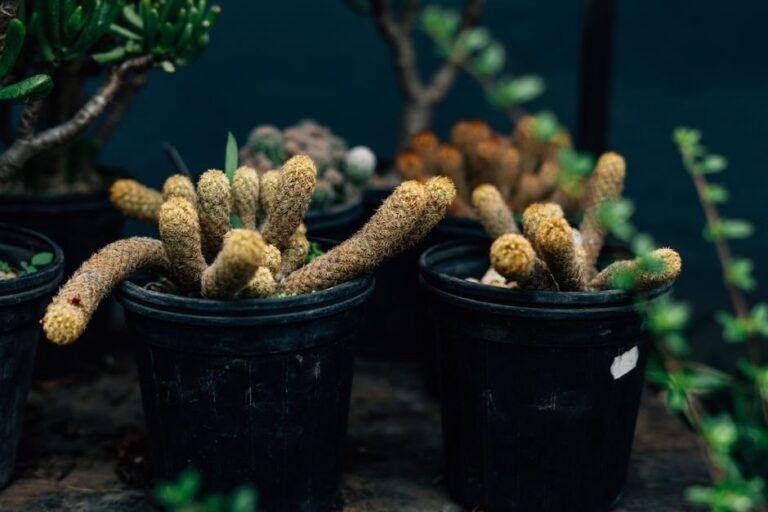
Choosing the Right Native Plants
When selecting native plants for your potted garden, it’s essential to consider factors such as climate, soil type, and sunlight exposure to ensure their success. This includes choosing plants that thrive in containers.
Benefits of Native Plants
Native plants offer a range of benefits when grown in pots. One significant advantage is their lower maintenance requirements compared to non-native species. Since native plants have adapted to local climate and soil conditions over time, they are often more resilient to pests, diseases, and extreme weather events. This means you can enjoy a thriving plant without needing to constantly intervene.
Another key benefit of using native plants in pots is reduced water consumption. Native plants have evolved to thrive with minimal watering, making them an excellent choice for water-conscious gardeners or those living in areas with low rainfall. In fact, many native plants are drought-tolerant and can survive with minimal irrigation during dry spells.
In addition to these benefits, native plants also support local ecosystems by providing food and shelter for pollinators, birds, and other wildlife. By choosing native plants for your pot garden, you’re contributing to the preservation of biodiversity in your area. When selecting native plants, keep an eye out for species that have similar growth habits and light requirements to ensure a harmonious coexistence in your pot garden.
Plant Selection Considerations
When selecting native plants for pots, it’s essential to consider their specific climate requirements. This includes both heat tolerance and cold hardiness, depending on your region’s temperature fluctuations. For example, if you live in a coastal area with mild winters, you can choose species that thrive in temperatures between 40°F and 70°F (4°C and 21°C). However, if you reside in an inland or mountainous region with colder winters, opt for plants that can tolerate temperatures as low as 20°F (-7°C).
Soil type is another crucial factor to consider. Native plants adapted to local soil conditions will generally perform better than non-native species. For instance, plants from acidic soils may require more acidic potting mixes, while those from alkaline soils prefer neutral or slightly alkaline mixes.
Sunlight requirements also play a significant role in plant selection. Some native species can tolerate full sun, while others prefer partial shade or even full shade. Assess the amount of direct sunlight your pots receive and choose plants that match these conditions to ensure optimal growth and health. Consider factors like morning sun, afternoon shade, or dappled light when selecting plants for your potting mix.
Top Native Plant Species for Pots
Some popular native plant species for pots include Little Bluestem (Schizachyrium scoparium), which thrives in full sun and well-draining soil, requiring minimal watering. Black-eyed Susan (Rudbeckia hirta) is another low-maintenance option that tolerates a range of conditions and attracts pollinators. Eastern Red Columbine (Aquilegia canadensis) prefers partial shade and rich soil, but its unique flowers make it a standout choice for container gardens.
When choosing native plants for pots, consider the specific needs of each species. For example, some plants like Coreopsis (Coreopsis verticillata) require regular deadheading to promote blooming, while others like Butterfly Weed (Asclepias tuberosa) benefit from occasional fertilization during their growing season.
Some key considerations when planting these species include providing sufficient root space and repotting as needed. For instance, Little Bluestem can become pot-bound if not transplanted every 2-3 years.
Preparing the Right Potting Mix
Choosing the right potting mix is crucial for native plants, as it directly affects their ability to thrive in containers and adapt to local conditions. We’ll walk you through selecting a mix that mimics your plant’s natural habitat.
Understanding Soil pH and Nutrient Requirements
When choosing a potting mix for native plants, it’s essential to consider their specific soil pH and nutrient requirements. Most native plants thrive in slightly acidic to neutral soils with a pH between 6.0 and 7.0. However, some species like azaleas and rhododendrons prefer more acidic conditions, while others like succulents can tolerate alkaline soils.
To determine the optimal soil pH for your native plant, research its specific requirements or consult with a local nursery expert. You can also test the pH of your potting mix using a simple DIY kit available at most gardening stores. A pH meter will give you an accurate reading and help you adjust the mix accordingly.
Nutrient levels are equally important. Native plants often require less fertilization than non-native species, as they’ve adapted to local conditions over time. However, some plants may benefit from additional nutrients like phosphorus or potassium during their growing season. Consider adding a balanced, water-soluble fertilizer at half the recommended strength to avoid burning your plant’s roots.
A good rule of thumb is to fertilize native plants in pots lightly and infrequently, as over-fertilization can lead to weak growth and reduced blooming. Be cautious when using fertilizers, especially those high in nitrogen, which can promote lush foliage but compromise root development.
Creating a Well-Draining Potting Mix
Drainage is crucial for native plants grown in pots, as their roots can easily become waterlogged and develop root rot. To prevent this, you need a potting mix that allows excess moisture to escape quickly. A well-draining mix should contain ingredients like perlite, vermiculite, or sand, which provide excellent aeration and help water drain rapidly.
When creating your own potting mix, aim for a combination of 50-70% peat moss or coconut coir, 20-30% perlite or vermiculite, and 10-20% compost. This ratio will ensure the mix retains enough moisture to support native plant growth while allowing excess water to drain freely.
Some potting mixes are specifically designed for native plants and may contain additional ingredients like mycorrhizal fungi, which help establish healthy root relationships with the soil. Look for these products or create your own blend based on the specific needs of your plants.
Avoid using regular garden soil in pots, as it can compact and prevent proper drainage. Instead, opt for a potting mix specifically designed for containers, and consider adding organic matter like compost to improve its structure and fertility.
Adding Organic Matter and Fertilizers
When adding organic matter and fertilizers to your potting mix, you’re creating a nutrient-rich environment that promotes healthy growth and root development. Organic matter such as compost, worm castings, or peat moss helps retain moisture, suppress diseases, and regulate soil pH. Aim for 10-20% of the total mix composition.
Fertilizers provide essential macronutrients like nitrogen (N), phosphorus (P), and potassium (K). Balanced fertilizers with a ratio of 10:10:10 are suitable for native plants in pots. You can also use slow-release fertilizers that provide nutrients over an extended period, typically 60-90 days.
Some organic options include fish bone meal, alfalfa meal, or kelp meal. When choosing a fertilizer, consider the specific nutrient needs of your plant species and the potting mix’s pH level. For example, plants like azaleas and rhododendrons require acidic fertilizers with a lower pH.
Remember to follow the recommended application rates to avoid over-fertilizing, which can damage roots or burn leaves. A general rule is to apply 1/4 of the recommended amount for the first few applications and gradually increase as needed.
Planting and Caring for Native Plants in Pots
To successfully grow native plants in pots, you need to choose the right container size and type, as well as understand their specific watering needs. Proper pot selection will ensure healthy growth.
Transplanting and Initial Care
When transplanting native plants from pots to larger containers or directly into gardens, it’s essential to handle them with care. Start by gently removing the plant from its pot, taking note of the root system. For potted plants, you can usually slide the pot out or carefully turn it upside down to release the roots. For garden transplanting, dig a hole that is about twice as wide and just as deep as the root ball. Handle the roots with care, teasing them apart gently if they are circling or tangled.
Place the plant in its new location, making sure the crown (where the stem meets the roots) is level with the soil surface. Firm the soil around the roots to secure the plant in place. Water thoroughly after transplanting to settle the soil and provide enough moisture for establishment. Monitor your plant’s water needs closely during this period, as native plants can be sensitive to overwatering. A general rule of thumb is to water when the top inch of soil feels dry to the touch. Avoid getting water on the leaves or crown to prevent fungal diseases.
Watering and Fertilization Routines
Over-watering and under-watering are two common mistakes when it comes to caring for potted native plants. Signs of over-watering can be seen in droopy leaves, soft stems, and a slimy or mushy texture to the soil. On the other hand, under-watered plants often exhibit wilted leaves, brittle stems, and a dry, cracked surface on the soil.
To avoid these issues, establish a consistent watering schedule based on your plant’s specific needs. Check the soil moisture by sticking your finger into the soil up to the first knuckle. Water only when the top 1-2 inches of soil feel dry. Avoid getting water on the leaves or crown of the plant, as this can lead to rot and other problems.
In terms of fertilization, native plants have different nutrient requirements compared to non-native species. They tend to prefer a balanced, slow-release fertilizer that provides essential nutrients without burning their roots. Feed your potted native plants during the growing season (spring-fall) with a 10-10-10 NPK ratio fertilizer. You can also use compost tea or worm castings as a natural alternative to synthetic fertilizers.
Pruning and Propagation Techniques
Pruning native plants in pots helps maintain their shape and encourages healthy growth. Start by removing any dead, diseased, or damaged branches to prevent the spread of disease and encourage new growth. For most native species, prune immediately after flowering to promote blooming and control size.
When pruning, consider the plant’s natural form and make clean cuts just above a node (where a leaf meets the stem). Cut no more than one-third of the plant’s foliage at any given time to prevent shock. This is particularly important for plants with delicate or fragile leaves, such as coral bells or wild geranium.
Propagation techniques for native plants in pots include division and layering. Division involves separating established roots to create new plants, while layering involves bending a stem to encourage root growth before cutting it from the parent plant. Take cuttings of 2-3 inches long, remove lower leaves, and dip the cut end in rooting hormone powder to increase success rates.
For native plants like blueberries or azaleas that produce new growth on the tips of their stems, prune selectively to encourage tip growth. This encourages new blooms and allows you to control the plant’s size and shape.
Common Challenges and Solutions
As you plant native species in containers, you may encounter some common obstacles that can hinder their growth. Let’s address these challenges and explore simple solutions to keep your pots thriving.
Dealing with Pests and Diseases
Native plants in pots are susceptible to a range of pests and diseases. Aphids, whiteflies, and spider mites often infest plants with soft leaves, while fungal infections like root rot and leaf spot can occur when the potting mix is too wet or the plant is overwatered. Slugs and snails can also be a problem, especially in areas with high humidity.
To prevent these issues, it’s essential to choose healthy plants from reputable sources. Inspect the leaves for signs of infestation before bringing them home, and quarantine new additions to your potting area for a few weeks to ensure they’re pest-free. Regularly inspect your plants for early warning signs like yellowing leaves or white powdery patches.
Common control measures include introducing beneficial insects like ladybugs or lacewings to prey on pests, using neem oil or insecticidal soap to control infestations, and improving air circulation around the plants to reduce moisture buildup. Fungal infections can be treated with fungicides or by adjusting watering schedules. To avoid overwatering, monitor soil moisture by sticking your finger into the potting mix up to the first knuckle – if it’s dry, it’s time for water.
Overcoming Soil Compaction and Drainage Issues
Soil compaction and drainage issues can significantly impact the health of native plants in pots. These problems often arise from using a potting mix that’s too dense or waterlogged, which can prevent roots from growing properly. To identify soil compaction, gently dig into the potting mix with your fingers; if it feels hard or resistant to penetration, it may be compacted.
Check for drainage issues by watering the plant thoroughly and observing how quickly excess moisture drains out of the pot. If water collects on the surface or takes a long time to drain, the potting mix is likely too dense or contains too much organic matter.
To address these problems, repot your native plants in fresh potting mix that’s specifically designed for good drainage. You can also try mixing in some perlite or vermiculite to improve aeration and water penetration. For more severe cases of soil compaction, gently rake the potting mix with a fork to loosen it.
Some key signs of drainage issues include yellowing leaves, stunted growth, or an increased susceptibility to pests and diseases. By monitoring your plants’ responses to watering and adjusting their care accordingly, you can prevent these problems from arising in the first place. Regular repotting every 1-2 years will also help maintain a healthy balance between soil structure and root growth.
Managing Temperature Extremes and Weather Events
When temperatures soar or plummet, potted native plants can suffer. Extreme heat can cause leaves to wilt and roots to dry out, while cold snaps can freeze delicate tissues and kill the plant. To mitigate these effects, choose pots with good air circulation and consider using a reflective mulch like aluminum foil or silver-coated stone to reflect sunlight and keep soil temperatures stable.
In windy areas, provide additional support for tall plants by placing them near walls or fences, or use stakes to secure them in place. This will help prevent root damage from being blown out of the pot. For potted plants exposed to heavy rainfall, ensure good drainage by using a well-draining potting mix and avoiding overwatering.
During heatwaves, consider providing shade for your potted native plants, either with umbrellas or canopies, or by moving them to shadier locations. Similarly, bring plants indoors during extreme cold snaps to protect them from frost damage. By taking these precautions, you can help your potted native plants thrive even in challenging weather conditions.
In areas prone to intense sunlight, consider using a sheer curtain or shade cloth to filter direct light and prevent scorching.
Advanced Techniques for Growing Native Plants in Pots
When growing native plants in pots, taking your skills to the next level requires mastering techniques like container size selection and potting mix formulation.
Using Hydroponics and Aeroponics Systems
Hydroponics and aeroponics systems offer a game-changing approach to growing native plants in pots. By using these innovative methods, you can significantly increase yields while minimizing water consumption. Hydroponic systems involve suspending plant roots in a nutrient-rich solution, eliminating the need for soil. This allows for precise control over nutrient delivery and uptake, resulting in healthier, more vigorous plants.
Aeroponics takes hydroponics to the next level by using a fine mist of nutrients instead of a liquid solution. This reduces water consumption even further and can be particularly beneficial for native plants that are adapted to dry conditions. For example, the Western Sword Fern (Polystichum munitum) is native to the Pacific Northwest region, where it’s accustomed to dry summers and wet winters. By using aeroponics, you can replicate these conditions in a pot, allowing this delicate fern to thrive.
To get started with hydroponics or aeroponics, consider investing in a basic system kit that includes everything needed for setup and maintenance. You’ll also want to research specific nutrient formulations tailored to your native plant species’ needs. By making the switch to these advanced growing methods, you can unlock the full potential of your native plants in pots while reducing their environmental impact.
Creating a Self-Sustaining Container Garden
To create a self-sustaining container garden featuring potted native plants, you’ll need to design a closed-loop system where nutrients are constantly cycled and waste is minimized. Start by selecting native plant species that have similar growth habits and nutrient requirements. This will allow you to group them together in the same pot or series of pots, creating an efficient mini-ecosystem.
Nutrient cycling can be achieved through a combination of mulching, composting, and using natural fertilizers like worm castings or fish emulsion. Add a layer of organic mulch to retain moisture and suppress weeds, then create a composting area within the pot by burying vegetable scraps or coffee grounds beneath the soil surface. As these materials break down, they’ll release nutrients that will be absorbed by the plants.
Waste management is also crucial in a self-sustaining container garden. Implement a regular harvesting routine to remove spent flowers and seed heads, which can be added to the compost pile. You can also use the “chop and drop” method, where you chop off plant stems and leave them on the soil surface to act as mulch and fertilizer.
Incorporating beneficial insects like ladybugs or lacewings can help control pests naturally, reducing the need for chemical pesticides. By designing a self-sustaining container garden with nutrient cycling and waste management in mind, you’ll create a thriving ecosystem that minimizes waste and requires minimal external inputs.
Frequently Asked Questions
Can I use native plants in pots indoors year-round?
Yes, many native plant species can thrive in pots indoors with proper care and lighting conditions. However, research the specific needs of your chosen plants to ensure they receive sufficient light, temperature control, and humidity levels.
How do I know if my potted native plants are getting enough nutrients?
Regularly inspect your plants for signs of nutrient deficiency, such as yellowing leaves or stunted growth. Use a soil test kit to determine the pH and nutrient levels in your potting mix, adjusting as needed with organic matter and fertilizers.
Can I propagate native plants from seeds in pots?
While some native plant species can be successfully propagated from seed, many others require cuttings or division. Research specific propagation methods for your chosen plants, considering factors like seed germination rates and growth habits.
What if my potted native plants experience extreme temperature fluctuations outdoors?
Yes, protect your potted native plants from extreme temperatures by using materials like mulch or straw to insulate the soil. Consider relocating pots to a more sheltered area during periods of intense heat or cold.
How do I maintain a self-sustaining container garden featuring potted native plants in areas with poor soil quality?
Yes, design your container garden to minimize reliance on external resources by using nutrient-rich potting mixes and incorporating organic matter like compost tea. Regularly monitor and adjust the system as needed to ensure optimal growth and waste management.

